Main Facts: A Billion-Dollar Milestone
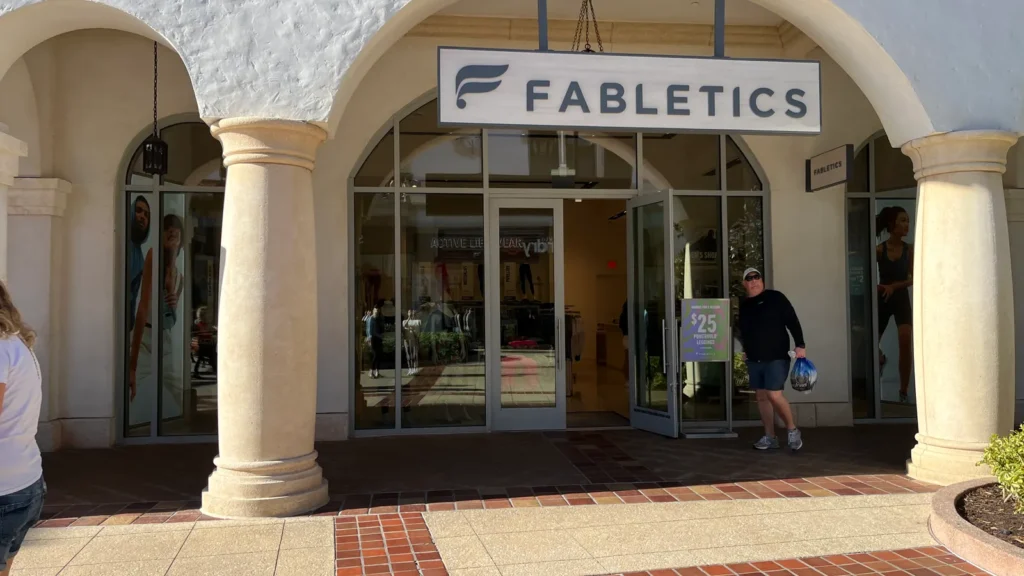
Fabletics, the El Segundo, California-based athleisure titan, has officially entered a new phase of hyper-growth. Following a banner year that saw the brand surpass the $1 billion net revenue mark, the company has unveiled an ambitious brick-and-mortar expansion plan. Over the next twelve months, Fabletics intends to open 45 new retail locations, significantly bolstering its current footprint of over 135 stores worldwide.
This pivot toward physical retail is not merely a reactionary measure but a strategic evolution. By leveraging the data-rich insights of its "digitally native" origins, Fabletics is positioning itself to capture a larger share of the global apparel market. The expansion is designed to bridge the gap between its robust e-commerce presence—currently serving the U.S., Canada, and Europe—and the tangible, tactile needs of modern consumers.
Chronology: The Evolution of a Disruptor
Founded in 2013, Fabletics disrupted the traditional retail model by introducing a membership-based, subscription-driven approach to activewear. For the better part of a decade, the brand operated primarily as a web-first entity, utilizing personalized member data to curate monthly selections.
- 2013: Fabletics is founded, challenging the status quo of high-priced athleisure with a membership model.
- 2022: Recognizing a shift in consumer behavior, the brand launches its "Any Wear" collection, signaling a pivot toward broader casualization.
- 2023: The brand diversifies its portfolio further by launching a specialized line of medical scrubs, demonstrating the versatility of its supply chain and brand recognition.
- Early 2024: Fabletics collaborates with denim expert Benjamin Talley Smith to debut a gender-inclusive denim line, marking its most significant move away from pure athletic gear to date.
- Mid-2024: The company reports three consecutive years of double-digit same-store sales growth, triggering the announcement of the 45-store expansion plan.
Supporting Data: The Economics of Expansion
The decision to aggressively scale physical operations is backed by compelling internal metrics. Fabletics reports that its retail arm has outperformed initial projections, evolving into a primary growth engine for the enterprise.
Financial Projections and Market Performance
The company’s roadmap is defined by aggressive, long-term targets. Following its $1 billion revenue milestone, leadership has set its sights on doubling total revenue and quadrupling EBITDA (Earnings Before Interest, Taxes, Depreciation, and Amortization) within the next five years.
The success of the retail model is predicated on "same-store sales growth"—a key metric in the retail sector that tracks revenue from stores open for at least one year. By achieving double-digit growth in this category for three consecutive years, Fabletics has proven that its physical stores act as effective customer acquisition hubs, even in an increasingly digital world. This "omnichannel" synergy allows the company to minimize customer acquisition costs (CAC) by using stores as local brand touchpoints, returns processing centers, and community hubs.
The Athleisure Landscape
Fabletics is not acting in a vacuum. It is part of a broader industry trend where athletic brands are moving into lifestyle territory. Competitors such as Lululemon, Vuori, and Alo Yoga have similarly pivoted to address the "athleisure-to-everything" transition. Data suggests that while consumer interest in activewear remains high, the "casualization" of the workplace has created a massive opportunity for brands that can offer comfort without sacrificing style.
Official Responses: Strategy and Vision
Company leadership has been vocal about the importance of this shift. CEO Adam Goldenberg highlighted that retail has evolved from a supplementary channel into a core pillar of the business. "Retail has become an increasingly important growth driver for our business," Goldenberg stated in the official release, emphasizing that the physical stores are a testament to the strength of their proven U.S. retail model.
Meera Bhatia, President of Fabletics, provided further context regarding the brand’s international ambitions. "Our international growth is driven by a disciplined approach to market expansion and a commitment to delivering a consistent brand experience for customers around the world," she noted. Bhatia underscored the company’s "localized" philosophy, explaining that as they enter new countries, they are focused on entering the right markets and leveraging local expertise. This ensures that while the Fabletics brand identity remains consistent, the product mix and retail experience are tailored to the cultural nuances of each region.
Implications: The Future of the Brand
The implications of this strategy are significant for both the retail sector and the future of Fabletics as a standalone entity.
1. Diversification as a Survival Mechanism
By expanding into denim, casualwear, and medical scrubs, Fabletics is insulating itself against the volatility of the activewear market. The "athleisure" bubble has faced scrutiny, with some analysts noting a saturation point. However, Fabletics’ pivot into high-utility apparel like medical scrubs shows an astute understanding of niche markets that require high-performance, comfortable materials—a core competency of the brand.
2. The Omnichannel Moat
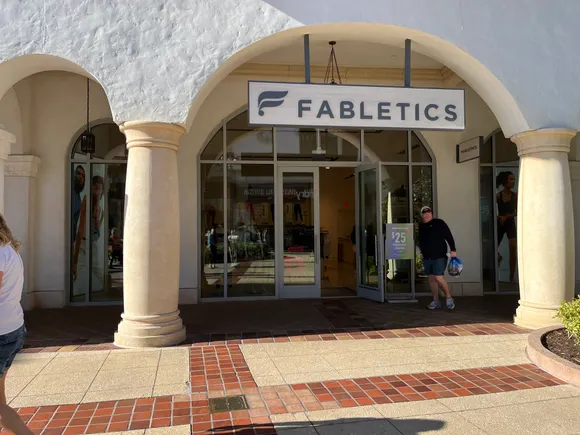
The move to 45 new stores helps build a "moat" around the business. While pure-play digital brands are increasingly struggling with the rising costs of online advertising (such as social media ads and search engine marketing), Fabletics’ physical stores provide a form of "organic" marketing. A storefront in a high-traffic shopping district serves as a 365-day-a-year billboard that creates brand trust in a way that a digital ad cannot.

3. The Challenges of Scaling
Despite the optimism, the expansion is not without risks. Scaling physical retail requires massive capital expenditure, long-term lease commitments, and complex supply chain logistics. Unlike e-commerce, where inventory can be centralized, brick-and-mortar retail requires localized inventory management. If the company fails to maintain its "double-digit" same-store sales growth, these new locations could quickly turn from assets into liabilities.
4. Competitive Pressure
Fabletics is entering a crowded space. With major players like Lululemon continuing to expand their own footprint, and smaller, hyper-niche brands gaining social media traction, the pressure to differentiate is at an all-time high. The brand’s success will ultimately depend on its ability to maintain its "membership" value proposition in a retail environment where customers have endless choices at their fingertips.
Conclusion: A Blueprint for Modern Retail
Fabletics’ journey from a subscription-only startup to a billion-dollar omnichannel brand provides a compelling blueprint for the modern retail era. By treating its stores not just as points of sale, but as components of a larger ecosystem that includes wholesale, international e-commerce, and diversified product lines, the company is attempting to build a sustainable, future-proof organization.
As the company proceeds with its 45-store rollout, the industry will be watching closely. If Fabletics can continue to deliver on its ambitious revenue and EBITDA goals, it will likely be cited as one of the most successful examples of a "digitally native" brand that successfully navigated the transition to the physical world. For now, the focus remains on disciplined expansion, local market integration, and the ongoing quest to define the next generation of lifestyle apparel.