The London art scene, long regarded as a primary pillar of the global art trade, is currently navigating a period of profound structural transformation. In a move that underscores the mounting pressures on mid-tier independent galleries, two notable fixtures of the city’s contemporary landscape—Sid Motion Gallery and Beers Gallery—have announced their impending closures. While both galleries have enjoyed a decade or more of influence, their departures reflect a broader narrative of economic volatility, shifting collector behaviors, and the evolving geopolitical status of London in a post-Brexit, post-pandemic world.
Main Facts: The End of Two Eras
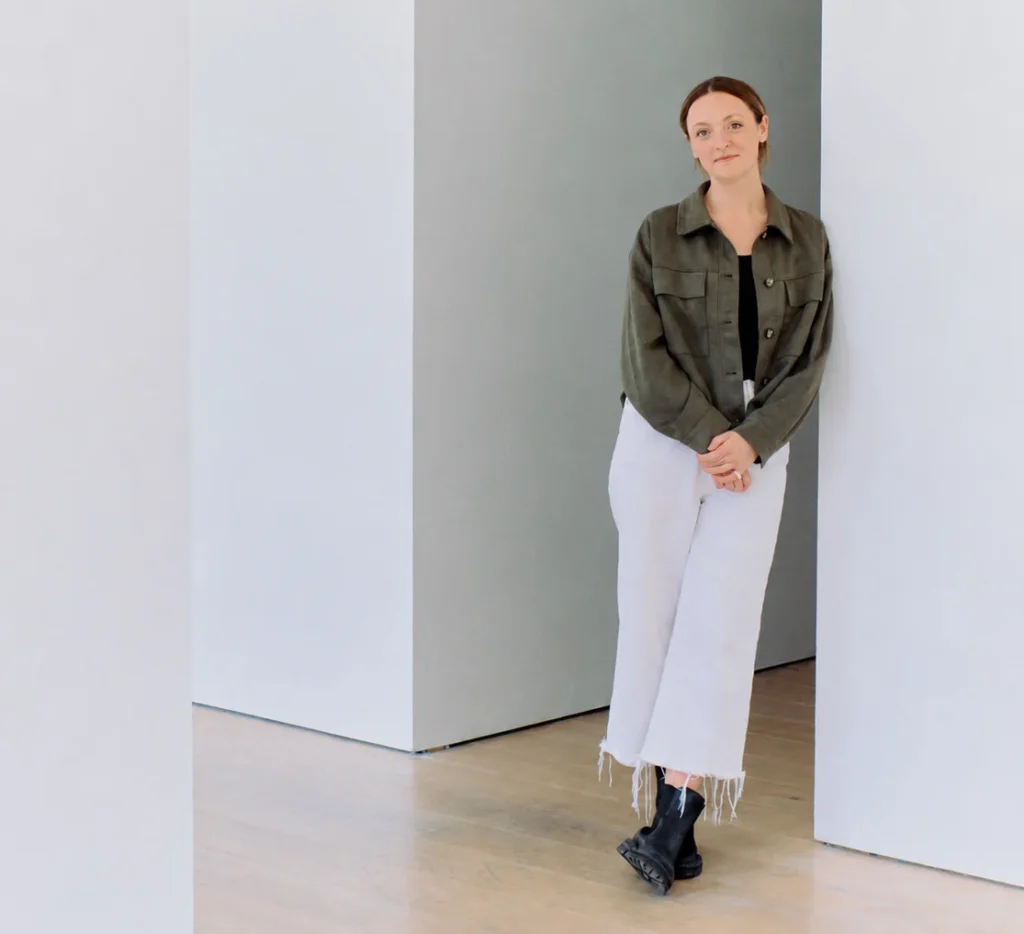
In South Bermondsey, a district that has recently emerged as a vibrant hub for grassroots and experimental art, Sid Motion has announced she will shutter her eponymous gallery following the conclusion of its current fall exhibition. Motion, who founded the space a decade ago, has been a stalwart supporter of emerging talent. Her decision, described as "positive and conscious," highlights a sobering reality for independent dealers: the difficulty of scaling support for artists in a climate where overheads are rising and discretionary spending among mid-level collectors is tightening.
The gallery’s final exhibition, “That Which Appears,” is a collaborative effort co-curated by Motion, Olivia Bax, and James Fisher. While the physical gallery space will cease operations on October 31, the exhibition itself is slated for a second life at the Millennium Gallery, Sheffield Museums, in 2028—a testament to the high curatorial standard Motion maintained throughout her tenure.
Simultaneously, the London art community is processing the closure of Beers Gallery. Founded by Kurt Beers in 2012, the gallery has been a fixture of the city’s commercial scene for twelve years. In a candid announcement shared via social media, Beers cited a "dramatically changed art world" as the primary catalyst for the closure. The gallery’s final program includes a solo exhibition by Andrew Salgado, followed by a valedictory group show titled, with poignant finality, “So This Is Goodbye.”
Chronology: From Scrappy Beginnings to Established Institutions
The trajectories of both Sid Motion and Beers Gallery offer a window into the evolution of the London art market over the last decade.
Sid Motion’s journey began in 2016 in the Kings Cross area. In an era when the neighborhood was undergoing rapid gentrification, Motion opened her first space in a former betting parlor, situated unassumingly next to a kebab shop. At the time, she balanced the demands of the gallery with a full-time day job, embodying the "DIY" spirit that defined the mid-2010s London scene. By 2019, seeking a more dedicated art community, she moved the gallery to South Bermondsey. There, she became more than just a dealer; she was a community organizer, spearheading the South Bermondsey Art Trail and fostering a network of open studios and collaborative events that helped put the district on the cultural map.
Beers Gallery followed a similar path of expansion and internationalization. Since its inception in 2012, Kurt Beers focused on a roster that balanced figurative painting with provocative contemporary themes. Over twelve years, the gallery became a regular presence on the international art fair circuit, representing artists at prestigious events such as Expo Chicago, Zona Maco in Mexico City, and Untitled Art in Miami Beach. This international footprint allowed Beers to bridge the gap between the London local scene and the global market, a strategy that served the gallery well until the recent convergence of economic headwinds.
Supporting Data: The Economic and Geopolitical Context
The closure of these galleries does not occur in a vacuum. The UK economy has faced a series of "perpetual shocks" that have disproportionately affected the small-to-medium enterprise (SME) sector of the art market.
1. The Brexit Legacy and Tax Reforms:
A decade after the Brexit referendum, the logistical and financial hurdles of moving art across borders continue to hamper London-based dealers. Furthermore, recent changes to the "Non-Dom" tax status—a long-standing rule that allowed wealthy foreigners to limit their UK tax liabilities—have led to a documented exodus of the super-rich. As these high-net-worth individuals relocate to tax-friendlier jurisdictions like Dubai, Switzerland, or Italy, the local pool of top-tier collectors has thinned.
2. The Rise of Paris:
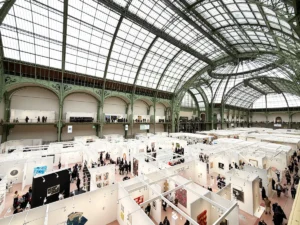
For the first time in decades, London’s dominance as the European art capital is being seriously challenged by Paris. The launch of Art Basel Paris (formerly Paris+ par Art Basel) has shifted the focus of the autumn art calendar. Many collectors and galleries who previously prioritized Frieze London are now redirecting their resources toward the French capital, drawn by a revitalized gallery scene and a more favorable regulatory environment within the EU.
3. The "Hollowing Out" of the Middle:
While mega-galleries like Hauser & Wirth continue to invest in London—constructing a massive 15,000-square-foot flagship—mid-sized galleries are being squeezed. The cost of participating in international fairs, combined with skyrocketing rents in London’s creative districts, means that galleries must achieve high-volume sales just to break even. As Sid Motion noted, the financial requirements to "honor the potential" of artists are becoming increasingly difficult to meet without compromising the quality of the program.
Official Responses: Statements from the Front Lines
The statements released by the gallerists reflect a mixture of pragmatism and professional integrity.
Sid Motion’s statement on her website was particularly revealing: “I can see that the gallery is not in the financial position to fully honor the extraordinary potential of each of my artists, and I will not compromise when it comes to supporting them in the way that they deserve.” Her refusal to "service" her artists at a lower standard suggests that the current market environment demands a level of capital that is increasingly out of reach for independent operators.
Kurt Beers’ farewell message echoed these sentiments, pointing to “economic pressures, market shifts, and the rise of new digital platforms.” His mention of digital platforms highlights a secondary challenge: the way art is consumed and purchased is moving away from the traditional "white cube" gallery model toward online viewing rooms and direct-to-collector social media sales, which often bypass the mid-tier dealer.
However, not all voices in the industry are pessimistic. Thaddaeus Ropac, a heavyweight in the global art trade, recently defended the city’s status. At a recent panel discussion during London Gallery Weekend, Ropac insisted that reports of London’s decline have been "greatly exaggerated," though he conceded that the city "needs some lobbying" to regain its competitive edge.
Implications: What This Means for London’s Artistic Future
The loss of Sid Motion and Beers Gallery is significant because of the specific roles they played in the ecosystem. Independent galleries serve as the "R&D" department of the art world; they take risks on unproven talent, provide the first solo shows for emerging artists, and build the critical foundations that larger institutions eventually build upon.
1. The Talent Drain:
When galleries like these close, their artists—such as Vincent Hawkins, Dafna Talmor, and Sabrina Bockler—must find new representation in an increasingly crowded market. If the "middle" of the market continues to disappear, there will be fewer stepping stones for artists to move from art school to the global stage.
2. The Gentrification Paradox:
The closure of Sid Motion’s space in South Bermondsey is a blow to the local creative economy. By organizing the Art Trail and open studios, Motion helped transform a former industrial area into a cultural destination. The departure of such galleries often signals a shift where the "cultural value" created by artists is eventually replaced by high-end real estate development, often pricing out the very creators who made the area attractive in the first place.
3. A New Model for the Future?
The closures may force a reimagining of the gallery model. Both Motion and Beers hinted at new chapters and opportunities. We may see a shift toward "itinerant" gallery models—dealers who forgo a permanent physical space in favor of pop-up exhibitions, collaborative residencies, or digital-first strategies.
In conclusion, the departure of Sid Motion and Beers Gallery marks a period of contraction for the London art market. While the "mega-galleries" remain insulated by vast capital, the independent sector is facing a moment of reckoning. The challenge for London moving forward will be to ensure that it remains a hospitable environment not just for the global elite, but for the independent dealers and emerging artists who provide the city with its essential creative pulse. As the curtain falls on these two institutions, the industry watches closely to see who—if anyone—will step in to fill the void.