

The allure of gemstones has captivated humanity for millennia, their radiant beauty and inherent rarity imbuing them with a mystique that transcends mere adornment. Among the pantheon of precious stones, a select few have historically been elevated to a status of particular reverence, known as the "Cardinal Gems." While this term may not be as commonplace today, its roots delve deep into the ancient world, signifying stones that held exceptional importance, preciousness, and value across classical civilizations. Gem-A Gemmology Tutor, Pat Daly, illuminates this fascinating concept, tracing its historical significance and enduring relevance in the world of jewellery and gemmology.
The Quintet of Cardinal Gems: A Legacy of Significance
The designation of "Cardinal Gems" typically encompasses five stones: diamond, ruby, sapphire, emerald, and amethyst. Their inclusion in this esteemed group stems from their profound significance in ancient Roman, Greek, Egyptian, and Mesopotamian cultures. These were not simply beautiful stones; they were imbued with symbolism, believed to possess protective qualities, confer status, and even hold medicinal properties.
This historical reverence is particularly poignant when considering the inclusion of amethyst. While today amethyst is often viewed as a more accessible gemstone, its historical status as a "Cardinal Gem" underscores a crucial point: the rarity of fine quality gemstones was exponentially greater in antiquity. The very difficulty in acquiring such stones, coupled with their inherent beauty, cemented their value and significance in the eyes of ancient peoples. As Pat Daly explains, "Fine quality gemstones are rare and were rarer still 1,500 years and more ago. This accounts for the inclusion of amethyst, which, despite its beauty, is not currently listed among the most valuable of gemstones." This highlights how the perception of value can evolve, yet the historical weight of certain stones remains.
A Chronological Tapestry of Significance: From Ancient Lore to Medieval Clergy
The journey of the Cardinal Gems is a rich tapestry woven with threads of mythology, spirituality, and societal stratification. Each stone, within its historical context, played a distinct role:
Diamond: The Unconquerable Symbol of Purity and Protection
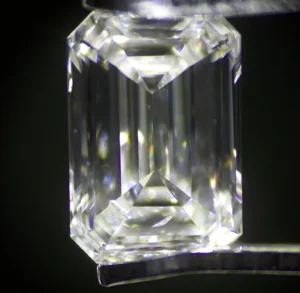
The diamond, with its unparalleled hardness and scintillating brilliance, has long been revered. In ancient times, its extreme durability led to beliefs that it could offer protection to soldiers in battle, bestowing an unconquerable aura. Furthermore, its inherent clarity was associated with purity, making it a symbol of unblemished virtue. These attributes contributed to its esteemed position as a cardinal gem, representing strength, resilience, and an almost divine incorruptibility.
Ruby: The Embodiment of Passion and Power
The fiery red of the ruby has historically been linked to passion, vitality, and power. In many ancient cultures, it was believed to hold the very essence of life and was often associated with royalty and wealth. Its intense colour evoked strong emotions and was seen as a talisman for courage and success. The allure of the ruby lay not just in its vibrant hue but in its perceived ability to ignite the wearer’s inner fire and confer status upon them.

Sapphire: The Celestial Stone of Wisdom and Royalty
The deep, celestial blue of the sapphire has long been associated with wisdom, truth, and divine favour. In ancient Rome, it was believed to protect against envy and harm, while in later centuries, it became closely linked with royalty and the clergy. The association with the heavens and the divine conferred upon sapphire a sense of sacredness and elevated its status as a stone of profound spiritual and political importance. Its presence in ecclesiastical settings further solidified its connection to higher authority and spiritual guidance.
Emerald: The Verdant Guardian of Home and Health
The lush green of the emerald has always evoked a sense of nature, renewal, and prosperity. In ancient Egypt, emeralds were associated with fertility and immortality, and in Greece and Rome, they were believed to protect the home and ward off evil. The emerald’s verdant hue was seen as a symbol of life itself, offering solace and protection to those who possessed it. Its connection to healing and well-being further cemented its place among the most prized gemstones.
Amethyst: The Regal Hue and its Spiritual Connotations
The captivating purple of amethyst has a unique and multifaceted history. In the Roman Republic and Empire, the colour purple was a potent symbol of high status and imperial authority. This regal association immediately elevated amethyst’s desirability. Beyond its visual appeal, amethyst was also imbued with spiritual significance. In the Middle Ages, it found a prominent place within the Christian church, adorning the rings of Catholic bishops. This was due to its perceived association with fidelity and celibacy, virtues held in high esteem within the clergy.
Furthermore, amethyst was steeped in folklore, mythologized as a potent antidote to intoxication and addiction. This belief stemmed from its name, derived from the Greek word "amethystos," meaning "not drunk." This purported ability to keep the mind clear was highly valued, especially in societies where social and business dealings were paramount. As Pat Daly notes, "Amethyst has an almost unrivalled purple colour. The wearing of purple symbolised high status in several cultures, including the Roman Republic and Empire. In the Middle Ages, it was used by the Christian church and was set in the rings of Catholic bishops, because of its associations with fidelity and celibacy. It has also been mythologised as a protection against drunkenness and addiction, helping to keep the mind sharp for business dealings." This illustrates how a gemstone’s perceived properties could directly influence its social and economic value.
Supporting Data: The Enduring Mystique and the Evolution of Value
The historical attribution of magical and medicinal properties to gemstones is a widespread phenomenon, evident across numerous cultures and eras. From attracting good fortune and preventing accidents to offering protection from malevolent forces and serving as remedies for ailments, the belief in gem-powered virtues was deeply ingrained.
These beliefs, while largely unsupported by modern scientific evidence, offer invaluable insight into the psychological and cultural significance attributed to gemstones. The hardness and clarity of diamonds, for instance, were not merely physical attributes but were interpreted as symbols of resilience and purity, translating into perceived protective qualities. Similarly, the deep blue of sapphire was linked to the celestial realm, imbuing it with an aura of divine connection and royal authority.

However, it is crucial to acknowledge the inherent challenges in definitively identifying historical gemstones. Ancient texts and descriptions may use terminology or names that do not directly correspond to modern gemological classifications. A particular turn of phrase or a historical gem name might suggest a material we recognize today, but this is not always the case. Gemmologists exercise caution and require thorough testing before attempting to identify a stone, understanding that historical nomenclature can be fluid and subject to interpretation. This underscores the importance of rigorous scientific analysis in understanding the true nature of these ancient treasures.
Official Responses and the Modern Revival
While the term "cardinal gems" may be less frequently used in everyday conversation today, it has experienced a resurgence in certain contexts, particularly within the jewellery industry. Promotional campaigns and educational initiatives often leverage the historical gravitas of these stones to highlight their enduring appeal and intrinsic value.
The Gem-A (The Gemmological Association of Great Britain) plays a vital role in preserving and disseminating knowledge about gemmology. Their GemIntro course, for instance, offers a comprehensive exploration of historically significant gemstones, including the cardinal gems, allowing students to study online at their own pace. This educational approach not only preserves historical understanding but also makes this knowledge accessible to a new generation of enthusiasts and professionals. The continued offering of such courses signifies a commitment to maintaining the legacy of these important stones and their place in the history of human culture and appreciation for natural beauty.
Implications for Today’s World: More Than Just Sparkle
The concept of "cardinal gems" offers a compelling lens through which to view the evolution of value, perception, and cultural significance attached to natural treasures. It reminds us that the worth of a gemstone is not solely determined by its current market price but by its historical context, the beliefs it inspired, and the stories it has woven through human civilization.
The enduring appeal of diamond, ruby, sapphire, emerald, and amethyst speaks volumes about their inherent beauty and the powerful symbolism they have acquired over millennia. While the magical properties attributed to them may belong to the realm of folklore, their historical significance as "cardinal gems" remains a testament to their profound impact on human history, culture, and our enduring fascination with the earth’s most precious offerings. Understanding these historical designations enriches our appreciation for these gemstones, transforming them from mere objects of beauty into tangible links to our collective past, reminding us that true value often lies in the stories they tell and the enduring human connection they represent.