

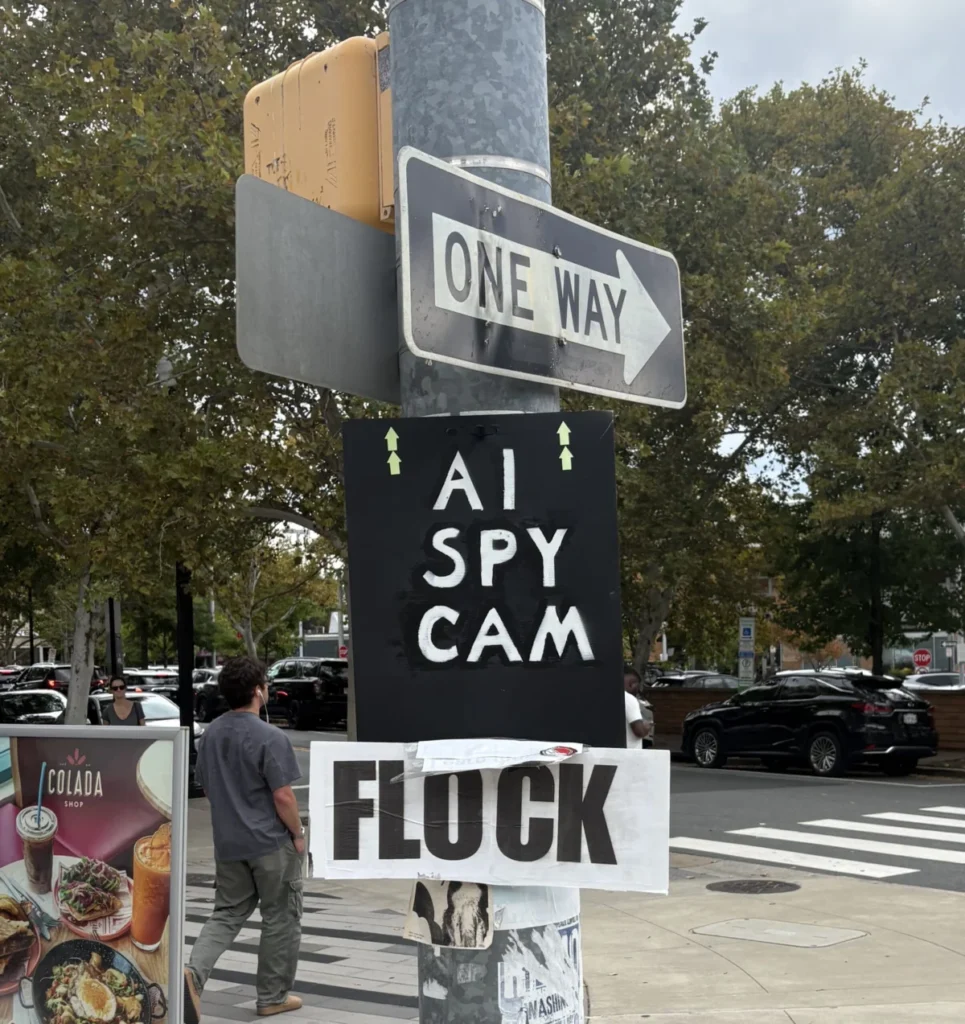
September 19, 2026 — In a move signaling deep internal strain, Flock Safety, the high-profile surveillance technology firm, has initiated a voluntary buyout program for its 1,500-strong workforce. The decision, described by the company as its "most generous" severance package to date, comes at a time of unprecedented public scrutiny and institutional abandonment of its automated license plate recognition (ALPR) systems.
The move is widely interpreted as a strategic effort to stem the bleeding of company culture, which has been severely eroded by a string of high-profile reports documenting the weaponization of its technology by law enforcement.
The Strategic Shift: Managing Morale Through Attrition
On Friday, internal documents revealed that Flock Safety is offering substantial financial incentives for employees to exit the company voluntarily. By frame-shifting these departures as "voluntary buyouts" rather than involuntary layoffs, the company appears to be attempting to maintain a semblance of stability.
Industry analysts suggest this approach serves two primary functions: it allows the company to reduce its headcount—a necessity given the rapid termination of municipal contracts—while simultaneously pruning the workforce of individuals who may be disillusioned by the ethical controversies surrounding the brand. CEO Garrett Langley, in a candid appearance on the All-In podcast, admitted that the "biggest damage" the company has sustained during this period of intense scrutiny has been to "internal morale."
By offering a lucrative exit, the company effectively provides an "off-ramp" for staff who no longer align with the company’s mission or who feel the reputational damage is too great to overcome. Sources close to the company indicate that Flock intends to grant the buyout package to a significant majority of those who express interest, aiming to shrink the firm’s operational footprint without the legal and social optics of a formal mass layoff.
Chronology of a Downward Spiral
The current crisis did not emerge overnight; it is the culmination of a summer marked by mounting evidence of systemic failure within the company’s oversight mechanisms.
- Early August 2026: The Washington Post publishes a landmark investigation uncovering 46 distinct instances where police officers utilized Flock’s vast network of cameras to stalk and harass domestic partners, ex-spouses, and acquaintances. The report served as a catalyst, transforming private privacy concerns into a mainstream public safety debate.
- Mid-August 2026: The reputational contagion spreads. Privacy advocates and civil liberties organizations escalate their campaigns, providing concrete data that the technology is being utilized far beyond its stated purpose of "public safety" and "crime reduction."
- Late August 2026: A surge in contract terminations is recorded. An anti-surveillance advocacy group identifies 90 cities that scrapped their Flock contracts within a single month—a fourfold increase compared to July.
- September 1, 2026: The crisis reaches the state level. Florida and Texas, two of the most significant markets for surveillance infrastructure, formally move to restrict or outright block the use of Flock’s cameras, citing severe privacy and security concerns.
- September 19, 2026: Faced with a shrinking revenue base and a demoralized workforce, Flock Safety announces its voluntary buyout initiative.
Supporting Data: The Erosion of Trust
The scale of the collapse is reflected in the numbers. For years, Flock Safety marketed its ALPR systems as a neutral, "objective" tool for law enforcement to track stolen vehicles and identify suspects. However, the data suggests that the lack of rigorous guardrails allowed for widespread mission creep.
The 90 cities that terminated their contracts in August represent a significant portion of the company’s mid-sized municipal revenue. The abandonment by major states like Texas and Florida sends a chilling signal to other jurisdictions, potentially triggering a "domino effect" where the perceived liability of using Flock technology begins to outweigh the purported benefits.
Furthermore, the 46 cases of misuse documented by the Post represent only the tip of the iceberg, according to critics. Because the technology is integrated into thousands of police departments, the lack of transparency in how logs are audited or accessed makes it nearly impossible to determine the full extent of unauthorized surveillance. The public narrative has shifted from "Flock as a tool for justice" to "Flock as a facilitator of systemic stalking."

Official Responses and Corporate Positioning
The company’s response has been a delicate balancing act of damage control and strategic pivot. In the internal announcement regarding the buyouts, leadership framed the decision as a proactive measure to ensure the company’s long-term sustainability.
CEO Garrett Langley has attempted to reassure stakeholders that the company remains committed to its core mission. However, his public acknowledgments of "internal morale" issues reveal the difficulty of maintaining a positive company culture when the external narrative is dominated by stories of police stalking and municipal rejection.
While TechCrunch and other outlets have reached out for formal comments on the long-term viability of the company’s business model, Flock has remained tight-lipped, focusing instead on the implementation of the severance packages. There has been no official statement yet on whether the company plans to overhaul its software to include more robust, AI-driven privacy protections, or if they intend to double down on their current operational model.
Implications: The Future of Urban Surveillance
The crisis at Flock Safety serves as a watershed moment for the "Smart City" surveillance industry. Several key implications arise from this situation:
1. The Liability of "Privacy-by-Design" Failures
Flock’s struggle demonstrates that in the modern political climate, "security" is no longer a blank check for privacy intrusion. The backlash suggests that tech companies building infrastructure for government use are increasingly being held accountable for how that technology is used—or misused—by the end user. If a vendor cannot guarantee that their tools are being used ethically, they are now facing a risk of total market expulsion.
2. The Limits of Municipal Dependence
Many of these contracts were signed during a period where public safety budgets were flush with cash and the political will to invest in "tech-forward" policing was high. As public sentiment shifts toward data privacy and against the "surveillance state," municipal governments are finding themselves in a vulnerable position. The rapid abandonment of these contracts shows that elected officials are highly sensitive to the public outcry surrounding privacy, and are willing to cut ties with vendors once the political cost becomes too high.
3. A Potential Correction in the Surveillance Market
The departure of 90 cities in one month is not just a statistical anomaly; it is a market correction. Investors and competitors are watching closely. If a major player like Flock cannot maintain its footing in the face of widespread public opposition, other companies operating in the surveillance, facial recognition, and data-gathering space may face a harder road to funding and expansion. The era of "move fast and break things" in the public safety sector appears to be hitting a significant wall.
Conclusion: A Company at a Crossroads
As Flock Safety prepares to undergo a significant reduction in its workforce, the company stands at a definitive crossroads. It can either continue to defend its current model, risking further isolation and contract losses, or it can undergo a radical transformation.
The voluntary buyout program is a necessary step to stop the internal rot, but it does not address the external fire. To survive, Flock must reckon with the fundamental reality that its technology, while technically proficient, has failed the social contract. The coming months will determine whether the company can rebuild the trust it has lost or if it will become a cautionary tale for the surveillance industry—a reminder that when it comes to public safety, the public is now watching the watchers.



