

By [Your Name/News Outlet Name]
In the glittering world of gemstones, color reigns supreme. It’s the initial allure, the captivating hue that draws us to precious and semi-precious stones. Yet, behind some of the most vibrant and sought-after shades lies a sophisticated and age-old practice: dyeing. While often employed to enhance the beauty of less remarkable materials or to mimic costly natural stones, gemstone dyeing presents a complex landscape for gemmologists and consumers alike. This in-depth exploration delves into the techniques, the history, the tell-tale signs, and the crucial role of expert identification in navigating the world of dyed gemstones.
Gemstone dyeing, at its core, is the process of introducing coloring agents into porous or fractured stones. This practice, while effective in transforming the appearance of gemstones, also carries the potential for deception. As Pat Daly, a Gem-A Gemmology Tutor, explains, dyeing is "probably the most common and cheapest way to treat gem materials, to make inferior stones seem to be of good quality or to substitute inexpensive materials for costly natural stones." The allure of vibrant color can mask the true nature and value of a stone, making it imperative for those in the trade, and increasingly for discerning consumers, to understand the nuances of this treatment.
The Mechanics of Color Infusion: How Gemstones Are Dyed
The process of dyeing gemstones is multifaceted, involving careful preparation and the application of specific coloring agents. The primary target for dyeing are stones with inherent porosity or those that can be induced to accept color.
"Gemstone dyeing is the introduction of coloured substances into permeable pale-coloured stones," Daly elaborates. "Most such stones are translucent to opaque because they contain pore spaces that can accommodate the dye, but some are transparent stones that are heavily fractured when they are mined or are deliberately fractured so that dye can soak into them."
The dyeing process typically begins with preparing the stone to maximize dye absorption. This often involves heating the gem material or treating it with chemicals. These steps serve to expand existing fractures and pore spaces, creating a more receptive internal structure for the colorant. Once prepared, the stones are immersed in solutions containing dyes or pigments. The color is then fixed within the stone through various methods, including chemical reactions, further heating, or by sealing the pores with wax or resin, preventing the color from leaching out.
While some dyes are designed to be fugitive, fading with exposure to light or washing out when the stone becomes wet, others are engineered for permanence. A notable example of permanent dyeing is the inorganic chemical treatment perfected in Idar Oberstein, Germany, a region renowned for its agate processing. This method has yielded agates in virtually every imaginable color, which are now widely utilized in the jewelry industry.
A particularly ingenious method is the "sugar treatment," primarily used to achieve black coloration. In this process, porous opals and agates are soaked in a hot sugar solution. The sugar, containing carbon along with oxygen and hydrogen, is then subjected to hot sulfuric acid. The acid reacts with the oxygen and hydrogen, leaving behind pure carbon within the stone’s pore spaces. This carbon imparts a deep black hue, which can dramatically enhance the play-of-color in opals or create a rare, solid black appearance in agates.
A Spectrum of Deception: Materials and Their Transformations
The dyeing technique is not limited to a select few gemstones; it can be applied to a broad range of materials, both to enhance their natural beauty and to create convincing imitations of more valuable stones.
"Dyeing can enhance any sub-transparent and some near-transparent stones," notes Daly. "Common examples of the former include jadeite, opal, lapis lazuli and pearls. Materials that can be dyed to look like gemstones include quartzite, magnesite, and marble."
Commonly Dyed Gemstones and Simulants:
- Jadeite: Pale or near-colorless jadeite is frequently dyed to achieve vibrant greens, mimicking the coveted imperial jade, or to produce attractive lavender hues.
- Quartz: This abundant mineral, in its various forms like agate and chalcedony, is a prime candidate for dyeing. It can be transformed into almost any color, mimicking gemstones like turquoise, lapis lazuli, or even corundum.
- Corundum (Sapphire and Ruby): While natural sapphires and rubies are prized for their inherent color, pale or colorless corundum (white sapphire) can be dyed to imitate these precious gems. Blue and red are common target colors.
- Opal: Porous opals can be dyed to achieve deeper body colors, which can accentuate their play-of-color. Black opals, rare in nature, are often created through dyeing processes.
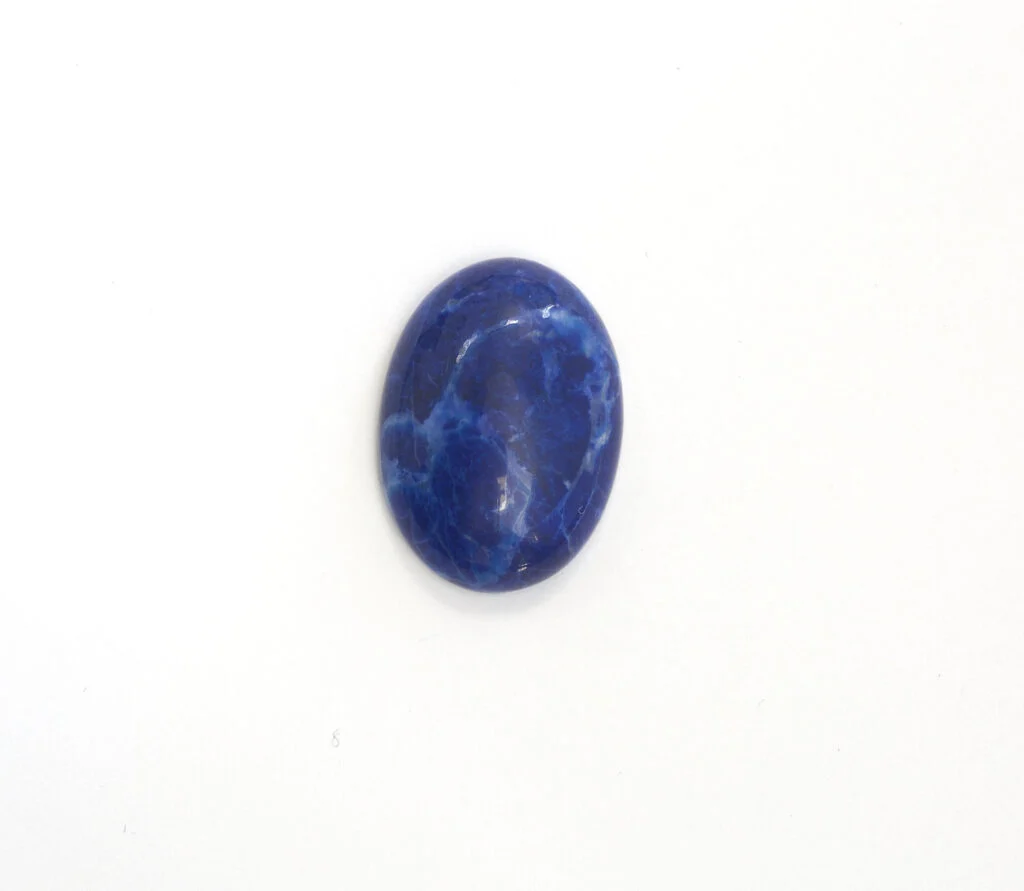
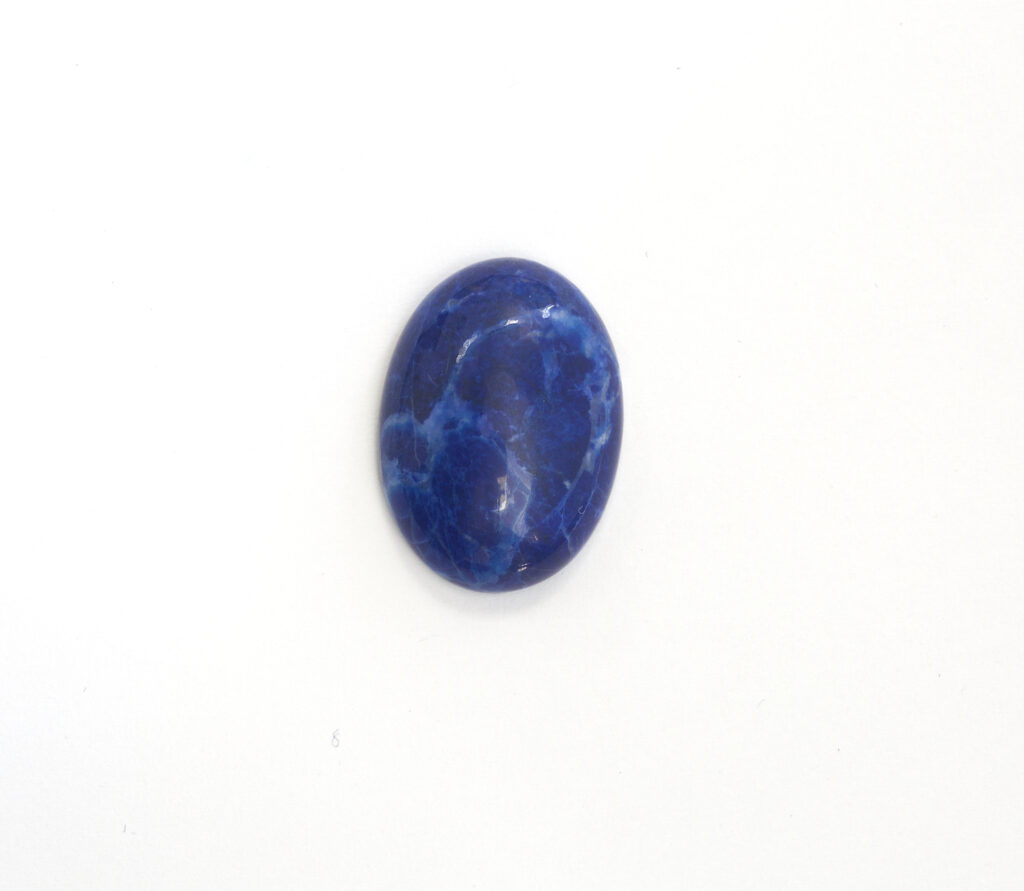
- Lapis Lazuli: This opaque blue stone, known for its natural inclusions, can be dyed to achieve a more uniform and intense blue, or to mask the presence of undesirable calcite.
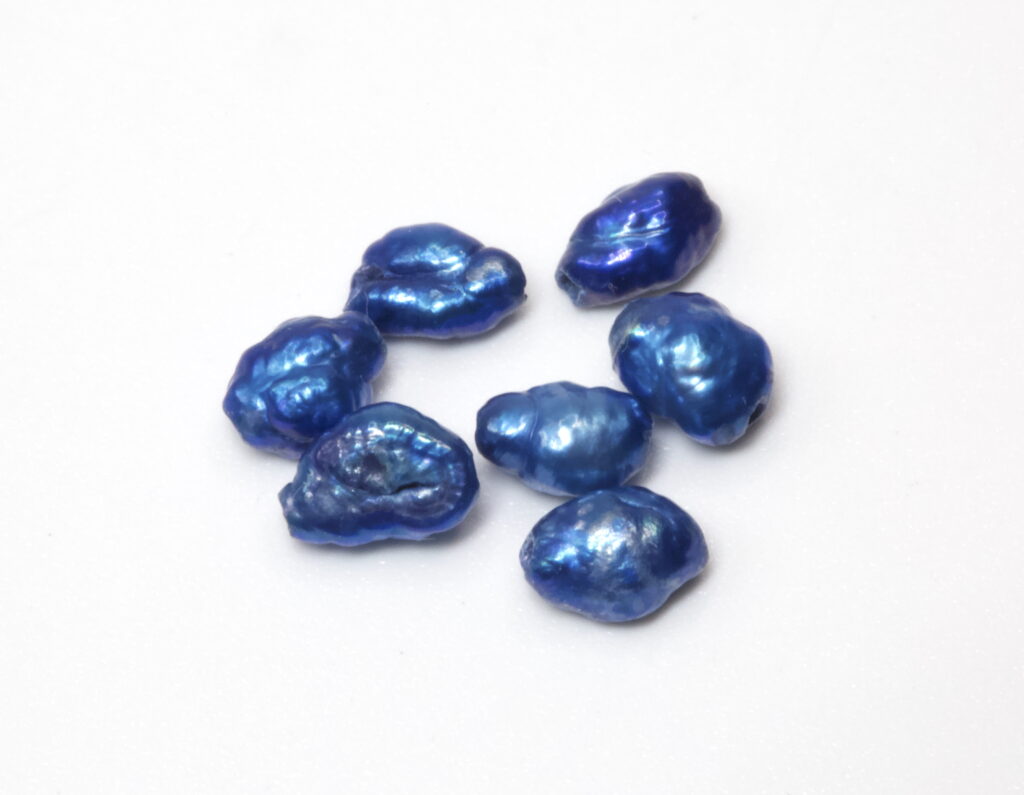
- Pearls: Freshwater pearls, often with irregular shapes and less lustrous surfaces, are frequently dyed to achieve uniform colors like black, grey, or vibrant shades of pink and blue.
- Magnesite and Marble: These inexpensive minerals are often dyed to imitate turquoise, lapis lazuli, or jade, offering a cost-effective alternative for jewelry.
The economic motivation behind dyeing is clear: "Dyed stones, whether they are simulants or poor-quality stones, the colour of which has been improved, have much lower values than the materials which they resemble," states Daly. This disparity in value underscores the importance of accurate identification.
The Gemmologist’s Toolkit: Detecting the Hand of Dye
Distinguishing between naturally colored gemstones and their dyed counterparts requires a keen eye, specialized knowledge, and the use of various gemological tools. While some treatments are designed to be undetectable, experienced gemmologists can often identify tell-tale signs of dyeing.
Common Visual Features of Dyed Stones:
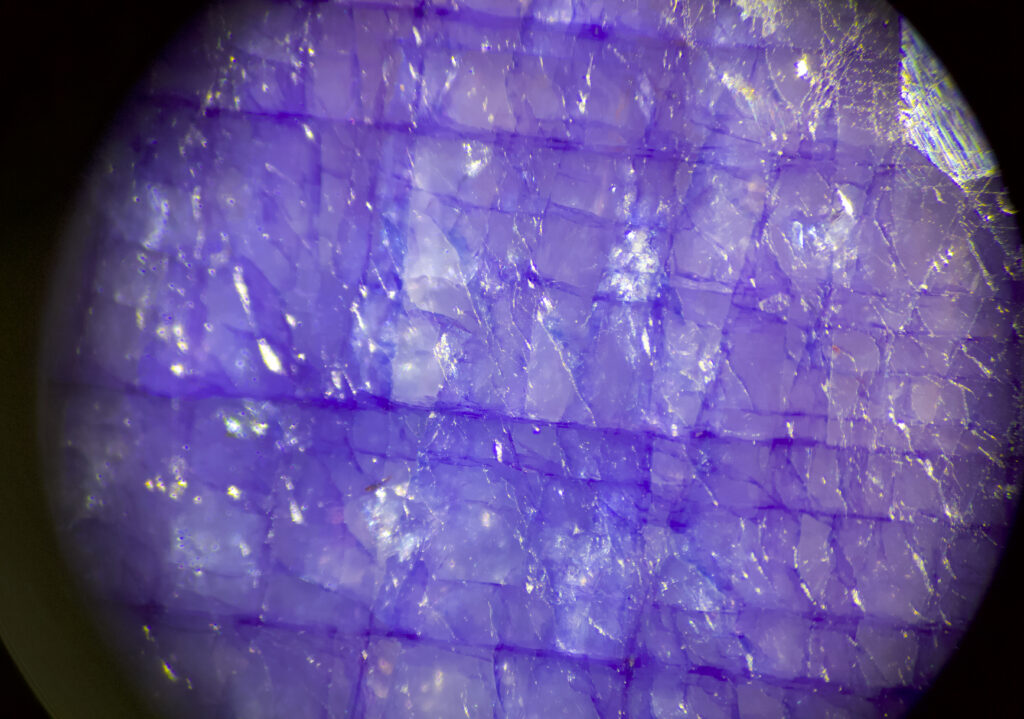
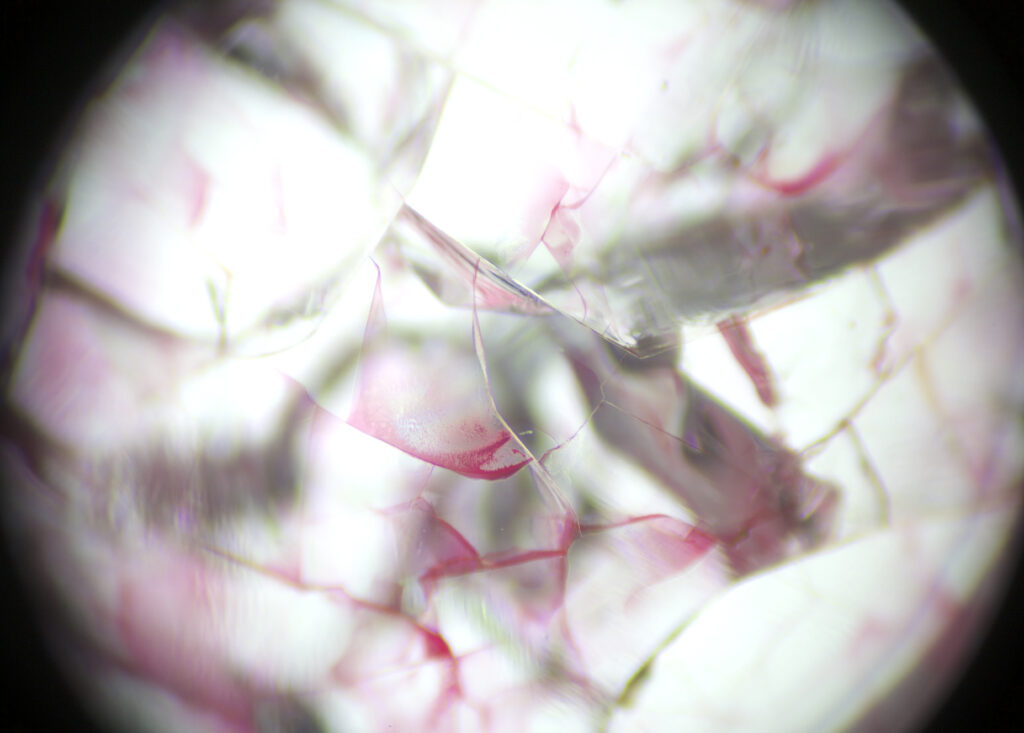
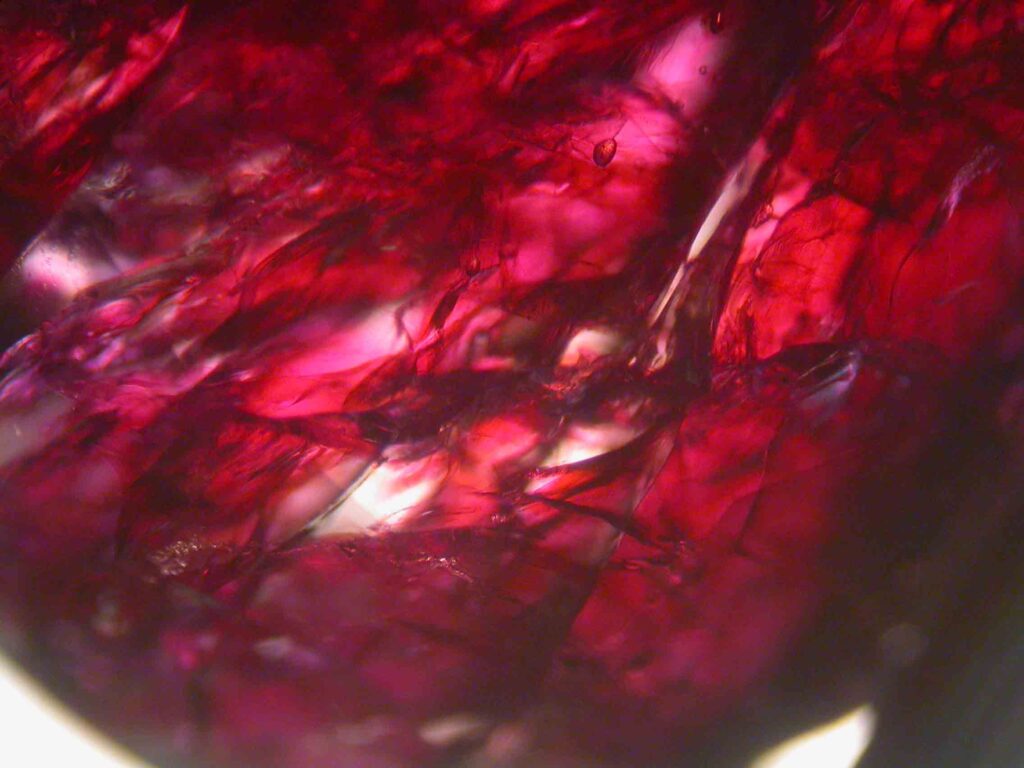
- Color Concentration: One of the most significant indicators of dyeing is the unnatural concentration of color. Dye tends to accumulate in pore spaces and fractures within the stone. Under magnification, these areas often exhibit a more intense or saturated hue compared to the surrounding material. This can manifest as vivid streaks or patches of color along fissures.
- Fracture and Inclusion Coloration: While natural stones can have colored inclusions or fractures due to geological processes (e.g., iron compounds causing yellowish-brown coloration in weathered fractures), dyed stones often display a distinct, unnatural color within these features. This color may appear too uniform or too intense to be natural.
- Acetone Test: A simple, albeit not foolproof, test involves using a small swab dipped in acetone or a similar solvent. Rubbing this swab against a suspect stone can sometimes reveal the presence of a soluble dye, which will stain the swab with the stone’s color. However, this test is not definitive, as some dyes are insoluble, and others may be protected by wax or resin coatings.
- Absorption Spectra: The analysis of a stone’s absorption spectrum using a spectroscope can provide crucial insights. Naturally colored stones exhibit specific spectral patterns corresponding to the elements responsible for their color. Dyed stones, especially those imitating natural colors, will often lack the characteristic spectrum of the natural gem or will display a spectrum that is too weak to account for the stone’s color intensity. For instance, a dyed ruby will not show the distinct chromium absorption lines characteristic of a natural ruby. Similarly, dyed green jadeite will exhibit different spectral bands compared to the chrome spectrum of natural green jadeite.
- Chelsea Colour Filter: This filter, commonly used in gemology, can reveal differences in color perception between dyed and natural stones. For example, dyed green agate may appear grayish or pinkish under the Chelsea filter, while natural chrysoprase, a valuable variety of chalcedony, will appear a more consistent green.
- Luminescence: The reaction of a gemstone to ultraviolet (UV) light can also be an indicator. Some dyed stones exhibit unusual fluorescence under UV light that differs from their naturally colored counterparts. For example, dyed lavender jadeite may glow orange under long-wave UV light, a phenomenon not typically observed in undyed lavender jade.
A Historical Perspective: From Ancient Practices to Modern Sophistication
The practice of enhancing gemstones with color is not a recent phenomenon. Evidence suggests that dyeing gemstones has been employed for millennia, evolving in sophistication alongside advancements in chemistry and technology.
While the provided text mentions the historical practice of dyeing marble statuary for decorative purposes, the focus within gemology is on the imitative enhancement of gemstones. The early methods likely involved simple immersion in natural colorants. Over time, as chemical understanding grew, more permanent and diverse dyeing techniques emerged.
The rise of Idar Oberstein as a center for agate processing in the 19th century marked a significant period in the development of permanent gemstone dyeing. The "sugar treatment" for blackening opals and agates is a testament to the ingenuity of these early gem treatment practitioners. The demand for visually appealing gemstones at accessible price points has driven continuous innovation in dyeing techniques, making it a pervasive practice in the modern jewelry market.
Implications for the Industry and Consumers
The widespread use of gemstone dyeing presents both opportunities and challenges for the jewelry industry and consumers.
Advantages:
- Increased Availability and Affordability: Dyeing allows for a broader range of colorful gemstones to be available to consumers at more accessible price points. Lower-quality materials can be transformed to resemble expensive gem varieties, democratizing access to aesthetically pleasing jewelry.
- Creative Freedom for Designers: The availability of dyed stones in a wider array of colors and intensities provides jewelers with greater creative freedom, enabling them to experiment with bolder designs and color combinations.
Disadvantages:
- Potential for Deception and Fraud: The most significant concern is the potential for misrepresentation. If dyed stones are not disclosed as treated, consumers may unknowingly purchase materials of lower value than they believe, leading to disappointment or financial loss. This can erode trust within the industry.
- Ethical Considerations: The deliberate masking of a stone’s true nature raises ethical questions about transparency and honesty in the gemstone trade.
"Gemmologists are responsible for preventing either [mistakes or fraud] from taking place," emphasizes Daly. "It is our responsibility to be aware of the effects of dyeing and other treatments on gemstones, to be able to identify stones on which these have been carried out and to label or describe stones correctly so that those who handle them know what they are dealing with."
This highlights the critical role of gemological education and certification. Organizations like Gem-A (The Gemmological Association of Great Britain) play a vital part in equipping professionals with the knowledge and skills to identify treated gemstones, ensuring transparency and integrity in the market. Consumers, too, can empower themselves by seeking out reputable jewelers and by requesting documentation that details any treatments a gemstone may have undergone.
In conclusion, gemstone dyeing is a complex and fascinating aspect of gemology. While it offers a means to enhance beauty and affordability, it also necessitates vigilance. By understanding the processes involved, the materials affected, and the methods of detection, gemmologists and consumers can navigate the vibrant world of dyed gemstones with greater confidence, ensuring that the beauty we admire is both genuine and truthfully represented.



