

By [Your Name/Publication Name]
In the glittering world of gemstones, where rarity and natural beauty command premium prices, a common yet often overlooked treatment plays a significant role: dyeing. From making humble stones appear as precious jewels to enhancing the allure of lower-quality specimens, dyeing is a pervasive practice that offers both accessibility and the potential for deception. Gem-A Gemmology Tutor, Pat Daly, delves into the intricate world of dyed gemstones, illuminating the methods employed and the tell-tale signs that experienced gemmologists use to discern these artificially enhanced treasures.
The Genesis of Dyed Gemstones: A History of Transformation
The practice of altering the color of stones is not a recent phenomenon. Historically, dyeing was a straightforward method to imbue materials with desirable hues, often to mimic more expensive counterparts. While the ancient art of dyeing marble statuary for decorative purposes persisted in some cultures, the focus within gemmology is squarely on the imitative enhancement of gemstones. This practice allows for the creation of vibrant and appealing stones at a fraction of the cost of their naturally colored, high-quality equivalents.
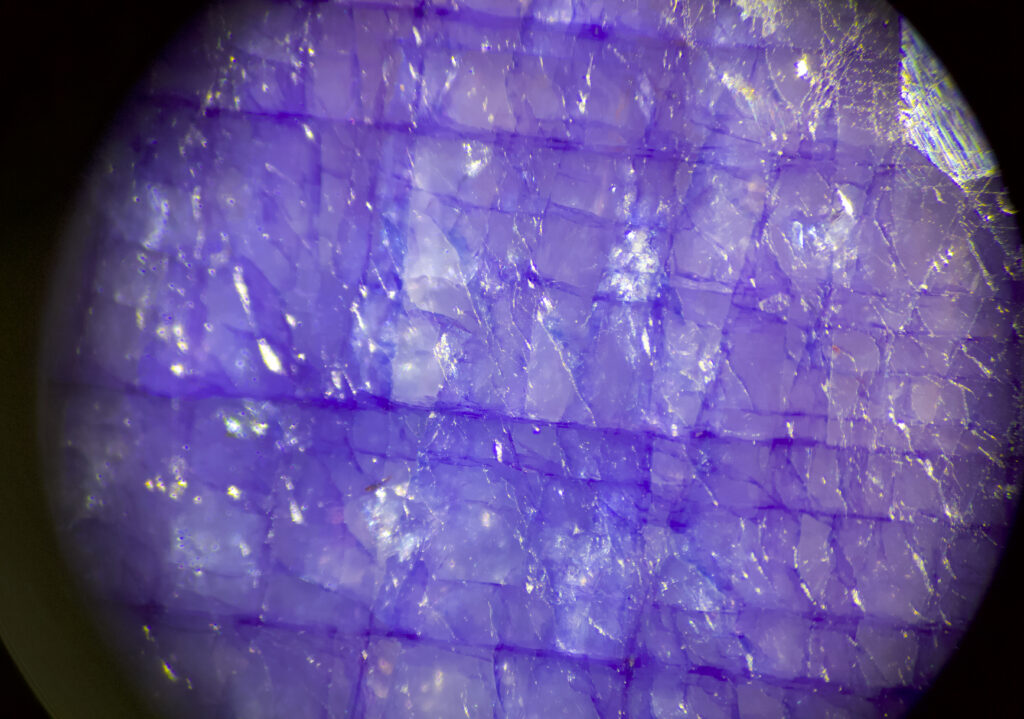
The fundamental principle behind gemstone dyeing involves introducing colored substances into porous or fractured materials. Most commonly, translucent to opaque stones with inherent pore spaces readily absorb dyes. However, even transparent stones can be subjected to this treatment if they are heavily fractured during mining or intentionally fractured to facilitate dye penetration.
The Alchemy of Color: How Gemstones Are Dyed
The process of dyeing gemstones is a carefully controlled chemical and physical manipulation. Stones are typically immersed in solutions containing dyes or pigments. To maximize absorption, prior heating or chemical treatments are often employed to expand existing fractures and pore spaces. Once the dye has penetrated, its color is permanently fixed through various methods. This can involve chemical reactions that render the dye insoluble within the stone, the application of heat to seal the pores, or the use of waxes or resins to lock the color in place.
Permanent Transformations: Advanced Dyeing Techniques
While some dyes are prone to fading with exposure to light or washing out when wet, more permanent methods have been developed. A notable example is the inorganic chemical treatment practiced in Idar Oberstein, Germany, a region renowned for its agate production. This technique has yielded agates in virtually every conceivable color, making them highly sought after in the jewelry trade.
A classic example of permanent dyeing is the "sugar treatment." In this method, porous gemstones like opal and agate are soaked in a hot sugar solution. The sugar, composed of carbon, oxygen, and hydrogen, is then treated with hot sulfuric acid. The acid absorbs the oxygen and hydrogen, leaving behind carbon within the stone’s pore spaces. This process imparts a deep black or dark color to the material. For opals, this dark background dramatically enhances their mesmerizing play-of-color. For agates, which are rarely found in a natural black hue, this treatment creates a rare and striking appearance.
The Spectrum of Enhancement: Which Gemstones Are Dyed?
The allure of dyeing extends to a wide array of gemstone materials, both to enhance their existing beauty and to create convincing imitations of precious stones.
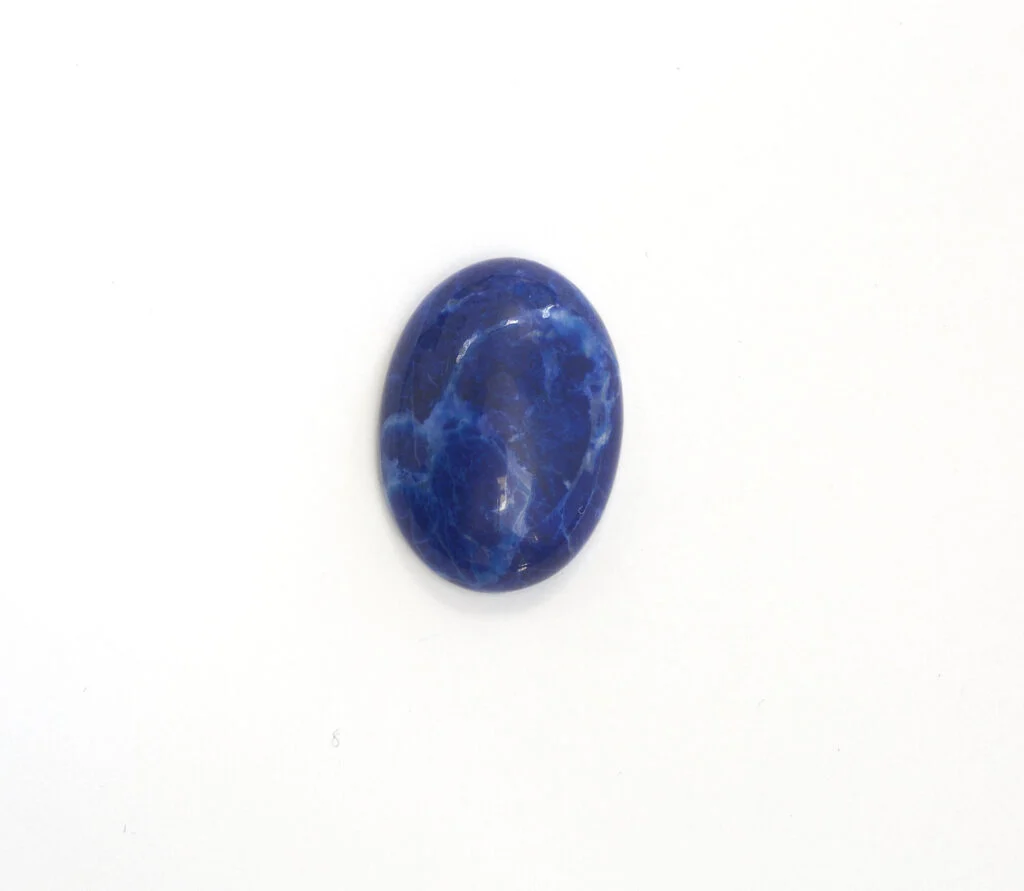
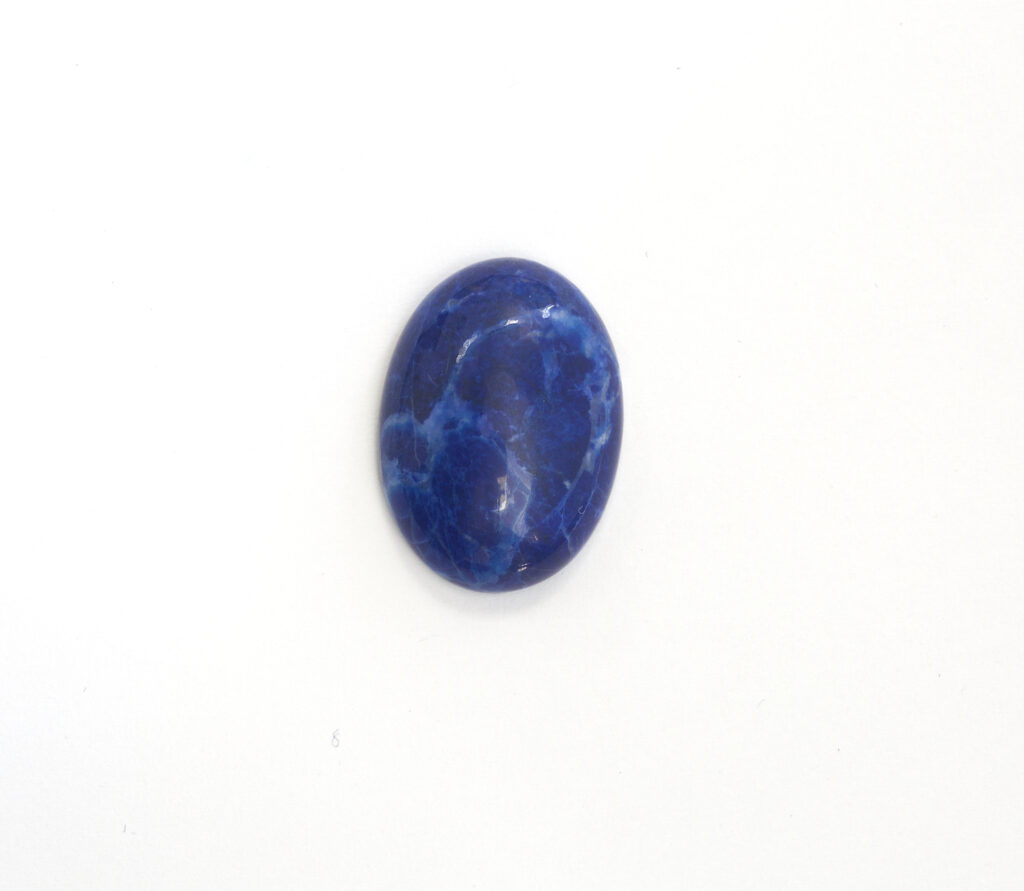
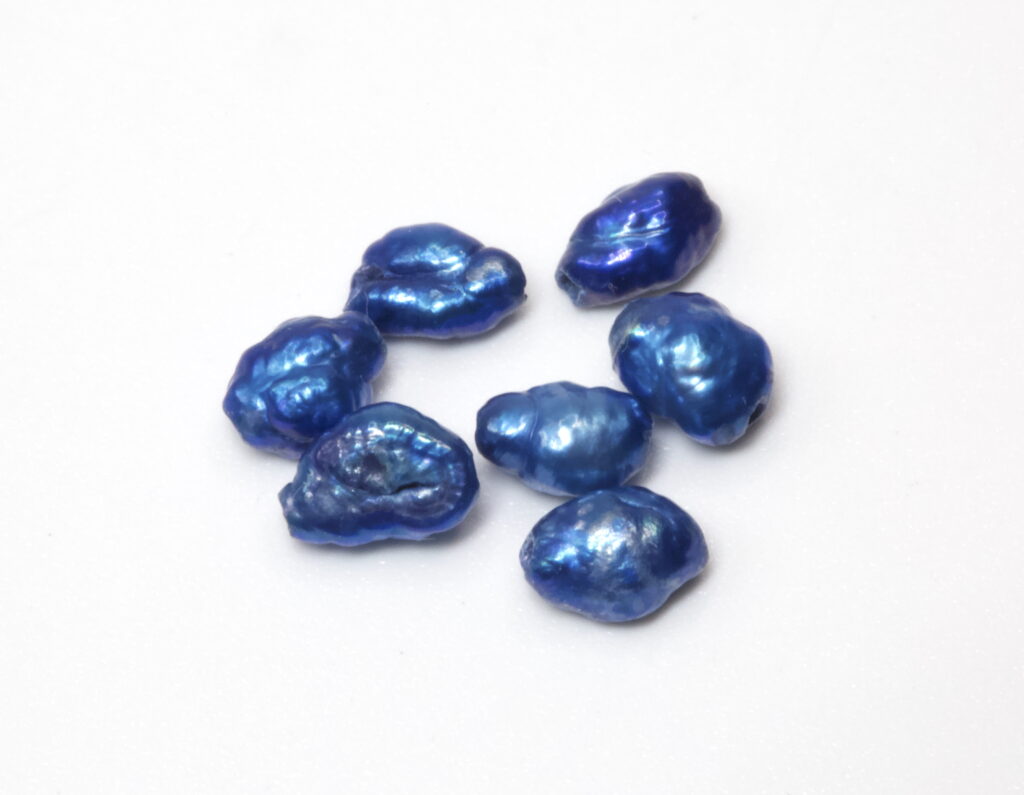
- Sub-transparent and Near-Transparent Stones: Materials such as jadeite, opal, lapis lazuli, and pearls, which are often sub-transparent, can be readily dyed to achieve more desirable or uniform colors.
- Imitative Enhancements: Inexpensive materials like quartzite, magnesite, and marble are frequently dyed to mimic the appearance of more valuable gemstones.
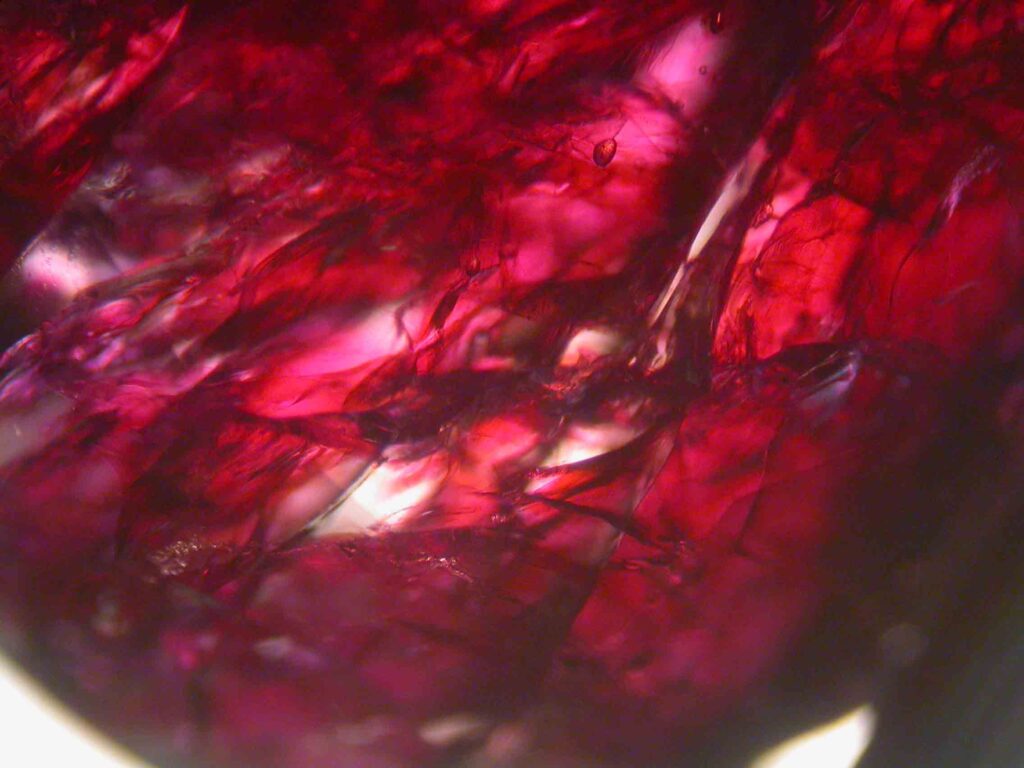
- Corundum and Quartz: Even transparent gemstones like corundum (sapphire and ruby) and quartz can be dyed. Pale corundum can be treated to resemble vibrant red rubies or deep blue sapphires, while quartz can be dyed to achieve an almost infinite spectrum of colors.
The value of dyed stones, whether they are used as simulants or to improve the appearance of lower-quality materials, is significantly lower than that of the natural gemstones they resemble. This disparity underscores the critical importance for gemmologists to accurately identify these treatments.
Unmasking the Deception: Visual Clues to Dyed Gemstones
Distinguishing a dyed gemstone from its naturally colored counterpart requires a keen eye and a systematic approach. Several visual characteristics are commonly observed in dyed stones, offering crucial clues to experienced gemmologists.
Color Concentration: The Tell-Tale Sign
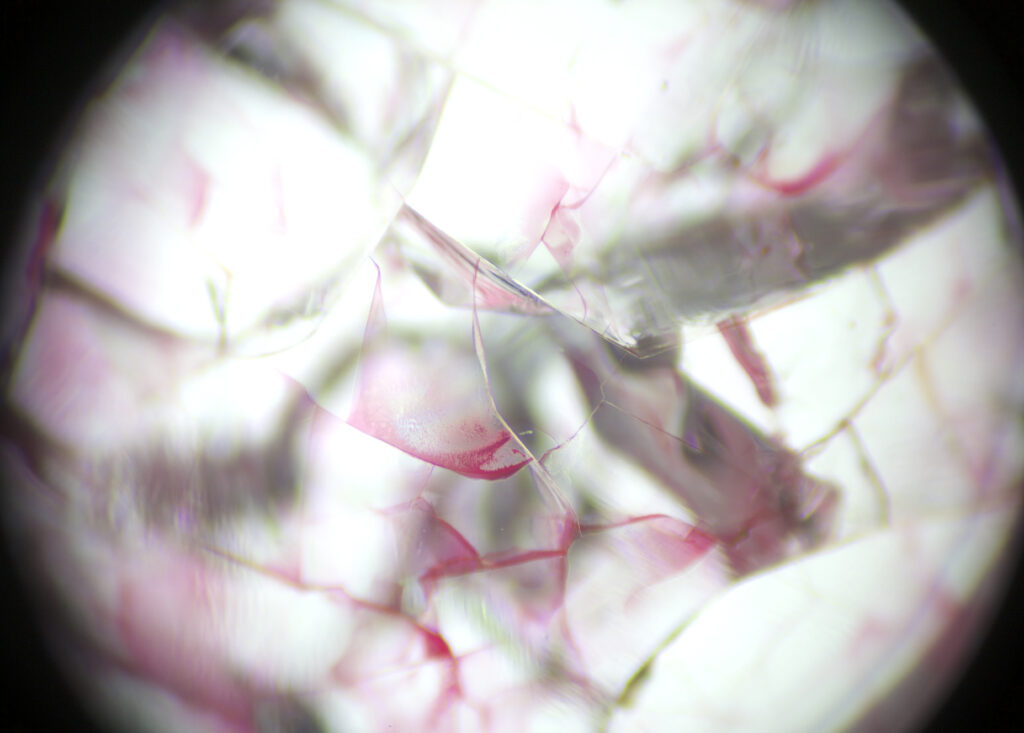
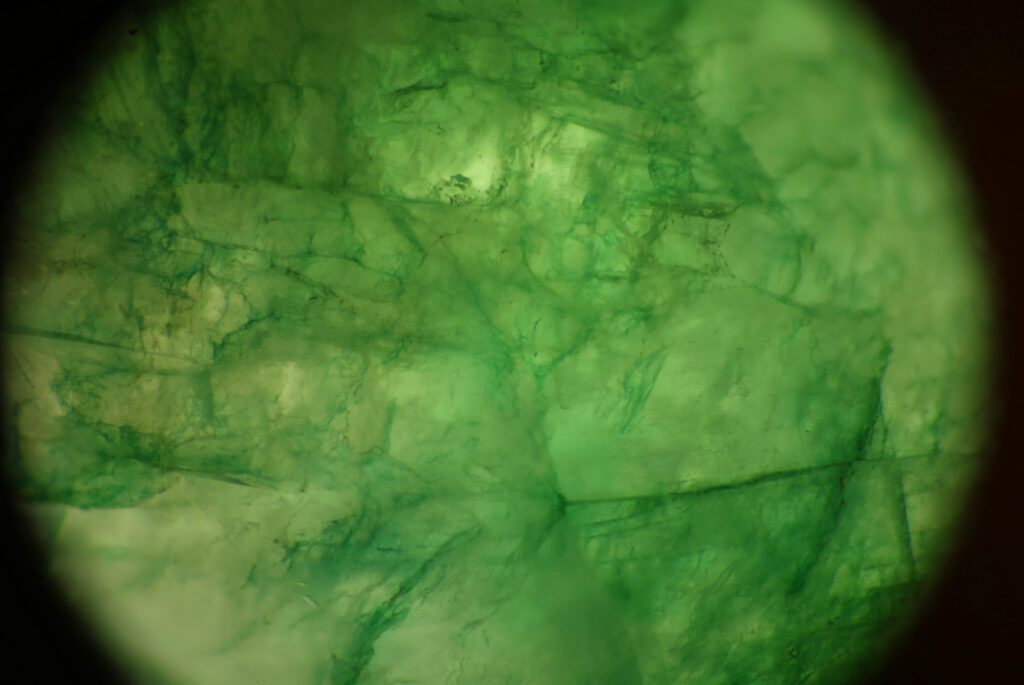
Dye typically concentrates within the pore spaces and fractures of a gemstone. When examining a stone under magnification, such as with a loupe or microscope, this uneven distribution of color is often the most definitive indicator of dyeing. The dye appears to fill the cracks and crevices, creating a pattern that is distinct from the homogeneous coloring found in naturally colored stones.
However, caution is advised. In some naturally occurring stones, iron compounds can cause yellowish-brown to reddish-brown coloration within fractures due to weathering at the Earth’s surface. Therefore, careful interpretation of these features is essential.
The Acetone Test: A Simple Chemical Indicator
A common field test for detecting dyes involves the use of acetone or similar solvents. A small swab dipped in acetone is rubbed against the surface of the gemstone. If the dye is soluble and not protected by a sealing agent like resin or wax, the swab will pick up the color of the dye. While not foolproof, as some dyes are insoluble or well-protected, this test can provide a valuable preliminary indication.
Absorption Spectra: A Deeper Dive into Color Origin
The analysis of absorption spectra offers a more scientific method for identifying dyed gemstones. Naturally colored stones exhibit specific spectral patterns that correspond to the elements responsible for their color. Dyed stones, on the other hand, may show absent or significantly altered spectra.
- Corundum: A pale corundum dyed to simulate a ruby will not display the characteristic chromium spectrum of a natural ruby. If a weak spectrum is present, it will be insufficient to account for the stone’s intense color.
- Jadeite: Natural green jadeite typically displays a chrome spectrum with fine lines in the red region. Dyed green jadeite, however, often exhibits a broad band in the red or three broad bands in the red to orange range, lacking the characteristic fine red lines.
The Chelsea Colour Filter: A Visual Spectacle
The Chelsea Colour Filter, a dichromatic filter used in gemmology, can reveal differences in how stones absorb and transmit light. For instance, chrysoprase, a naturally green variety of chalcedony, appears a vibrant green. In contrast, dyed green agate often appears grayish to pinkish when viewed through the filter, indicating a different optical property.
Luminescence Under Ultraviolet Light: A Hidden Glow
The response of a gemstone to ultraviolet (UV) light can also be a crucial indicator. Some dyed stones exhibit luminescence that differs from their naturally colored counterparts. For example, certain dyed lavender jadeite glows an intense orange under long-wave UV light, a characteristic not typically observed in undyed lavender jade or some other dyed stones. This difference in luminescence can help gemmologists pinpoint artificial coloration.
The Dual Nature of Dyed Gems: Advantages and Disadvantages
The practice of dyeing gemstones presents a complex dichotomy, offering benefits to both the industry and consumers while simultaneously posing risks.
Advantages: Accessibility and Affordability
- Expanded Gemstone Palette: Dyeing significantly increases the range and availability of visually appealing gemstones.
- Affordable Alternatives: Lower-quality or less desirable materials can be transformed into attractive stones, providing more affordable options for jewelry consumers.
- Creative Freedom for Designers: Jewelers can explore more adventurous designs and offer colorful pieces at accessible price points, democratizing the enjoyment of gemstone jewelry.
Disadvantages: The Shadow of Deception
- Risk of Misrepresentation: The primary disadvantage is the potential for deception. Consumers may unknowingly purchase dyed stones, believing them to be natural and valuable.
- Fraudulent Practices: Dishonest traders can exploit the practice of dyeing to pass off inferior materials as genuine, leading to financial losses for unsuspecting buyers.
- Ethical Responsibility: Gemmologists bear the crucial responsibility of identifying these treatments accurately. This ensures transparency in the market, prevents fraudulent practices, and allows consumers to make informed decisions about their purchases. Proper labeling and disclosure of gemstone treatments are paramount in maintaining consumer trust and the integrity of the gem trade.
The Way Forward: Knowledge and Transparency
As Pat Daly emphasizes, the responsibility of gemmologists extends beyond mere identification. It involves a deep understanding of the effects of dyeing and other treatments on gemstones. By mastering the techniques for identifying these enhancements and by diligently disclosing them, gemmologists play a vital role in upholding ethical standards within the jewelry industry. This commitment to transparency ensures that the beauty of gemstones can be appreciated for its true value, whether born of nature or artfully enhanced by human ingenuity.
For those seeking to deepen their understanding of gemmology and the intricacies of gemstone treatments, Gem-A offers comprehensive educational resources, including their introductory online course, GemIntro, and a range of accredited programs designed to equip aspiring gemmologists with the knowledge and skills necessary to navigate the complex world of gemstones.



