By [Your Name/Publication Name]
The vibrant green of peridot, a gemstone cherished for millennia, is often described with a rather curious moniker: "oily green." Far from being a criticism, this evocative term is deeply rooted in the gem’s historical associations and offers a fascinating glimpse into its geological origins and unique optical properties. Gem-A Tutor Pat Daly, a seasoned gemmologist, delves into the reasons behind this distinctive description, shedding light on what makes this lustrous mineral so captivating and why its "oily" appearance is, in fact, a testament to its natural beauty.
The Allure of the Verdant Hue: Peridot’s Intrinsic Beauty
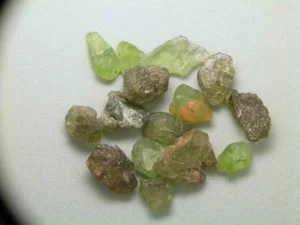
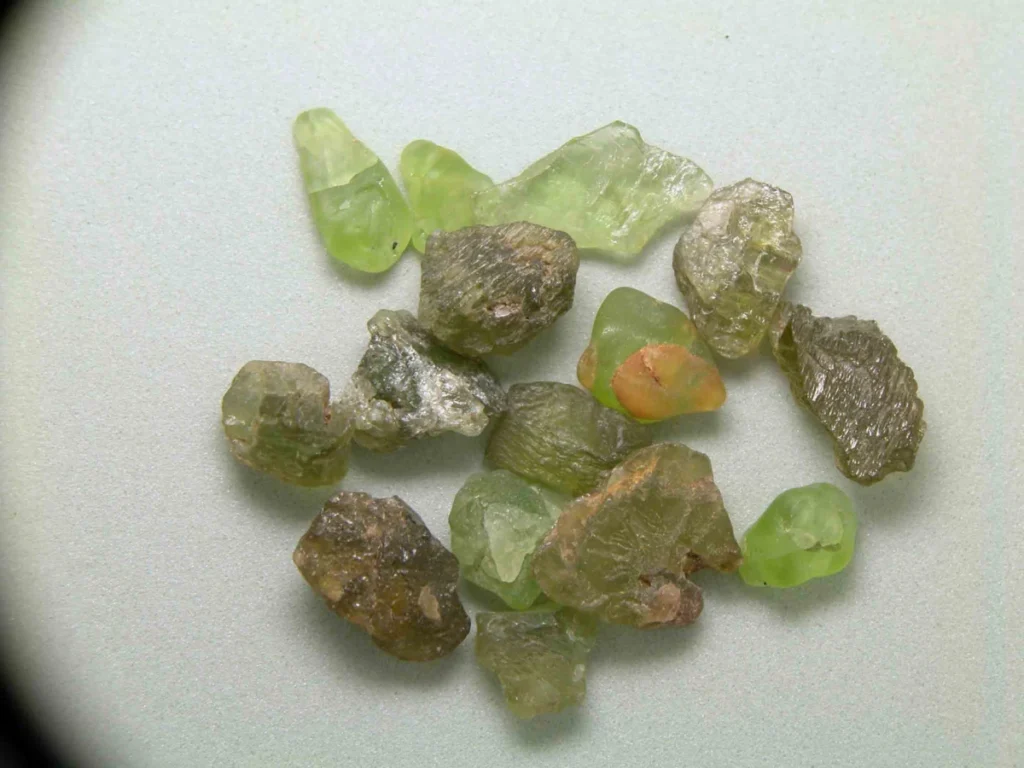
Peridot, a variety of the mineral olivine, is primarily known for its stunning green coloration. While it can occasionally present in shades of brown or yellow, it is the gem-quality stones that truly command attention, almost invariably displaying a spectrum of greens. This signature hue is not a matter of chance; it is a direct consequence of the stone’s chemical composition. Peridot is a magnesium silicate, and it is the presence of a small percentage of iron within its crystalline structure that imparts its characteristic green color. Further enhancing this natural palette, trace elements like nickel and chromium are believed to play a role in modifying and enriching the green tones of some peridot specimens. These metals are relatively abundant in the mantle rocks where peridot typically forms, underscoring the deep geological processes that contribute to the gemstone’s aesthetic appeal.
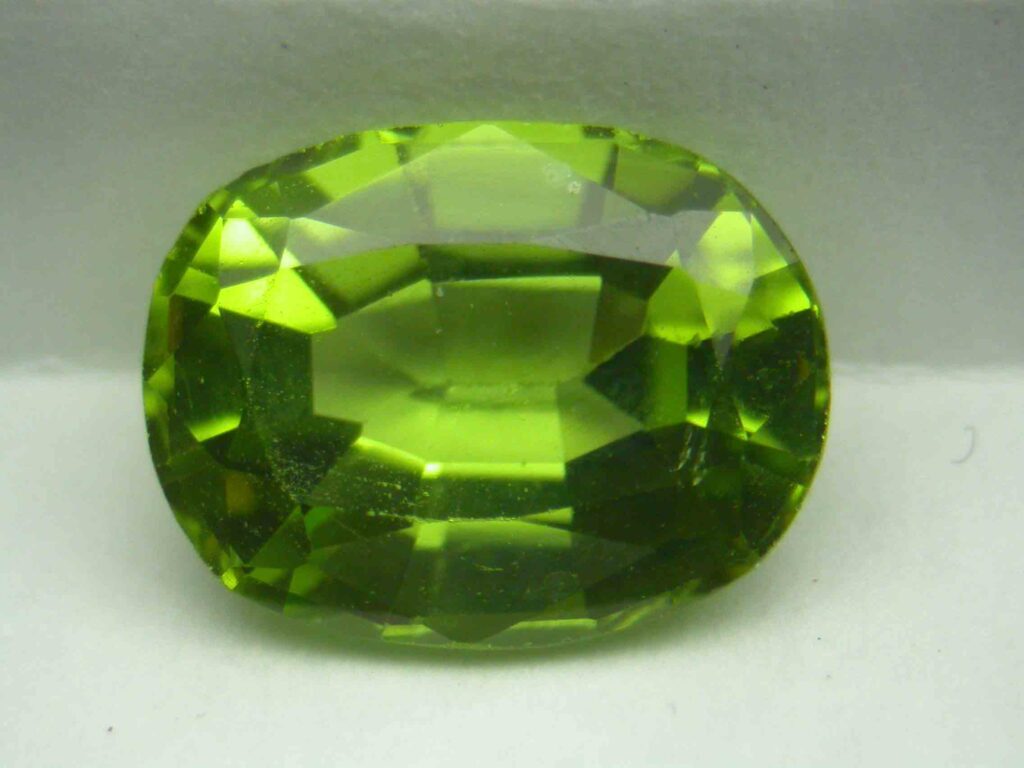
The visual appeal of peridot is undeniable. Its color can range from a pale, lime green to a deep, olive green, with the most sought-after stones exhibiting a vivid, almost electric green. This versatility in shade makes it a favorite among jewelry designers, offering a touch of natural elegance to a wide array of pieces. Whether set in delicate earrings, statement necklaces, or intricate rings, peridot brings a burst of color and a sense of natural wonder.
A Timeless Treasure: The Rich History of Peridot
The history of peridot is as ancient as the earth itself, with its origins tracing back to classical antiquity. One of the earliest and most significant sources of this remarkable gemstone was the island of Zabargad in the Red Sea. For centuries, this remote island was considered the primary wellspring of peridot for the world’s markets. Beyond Zabargad, other notable sources have emerged throughout history. Burma (modern-day Myanmar) has also been credited with yielding large and exceptionally fine peridot specimens. In more recent times, significant deposits have been discovered and exploited in various parts of the world, including Arizona in the United States, Norway, and Pakistan. The discovery of a substantial deposit in China in recent years has further augmented the global supply of fine peridot to the jewelry trade.
The geological conditions under which peridot forms are intrinsically linked to its history. In these diverse locations, gem-quality peridot typically developed deep beneath the Earth’s crust. Its journey to the surface is often a dramatic one, facilitated by volcanic activity that brought these subterranean treasures to the mantle rocks. In other instances, peridot has been found within large masses of peridotites, rock formations that have undergone significant deformation and recrystallization within the Earth’s crust. This deep geological origin imbues peridot with a profound connection to the planet’s fiery core and its ancient formative processes.

Peridotites and the Olives of the Earth: Understanding the Gemstone’s Roots
The term "peridotite" itself offers a crucial clue to understanding the gemstone’s name and its characteristic color. Peridotites are igneous rocks primarily composed of the mineral olivine. This mineral derives its name from its striking resemblance in color to the fruit of the olive tree – a vibrant yellowish-green. Over time, this visual comparison extended beyond the fruit itself to encompass the oil extracted from it. Olive oil, a cornerstone of culinary traditions and a globally significant product, is predominantly yellow with a distinct greenish tinge. The widespread recognition and importance of olive oil made it a natural and readily understood point of reference for describing the color of this precious stone.
However, it is important to note a subtle but significant difference. While olive oil is typically more yellow, peridot is almost invariably a decided green. This nuance in hue is precisely what distinguishes the gemstone and contributes to its unique appeal. The term "oily green", therefore, doesn’t just refer to the color but also hints at this historical association with olive oil, a comparison that has endured through centuries of gemological discourse.
Deciphering the "Oily" Enigma: Beyond Mere Color
The association of "oil" with gemstones can sometimes evoke negative connotations, particularly when it relates to gemstone treatments. However, in the context of peridot, the term "oily" is entirely unrelated to any artificial enhancement. Peridot is highly valued precisely because it is one of the few gem materials that are rarely, if ever, treated. The "oily" description stems from a combination of intrinsic optical properties and the visual effects created by its internal structure.

Peridot can sometimes exhibit a characteristic known as a "sleepy" appearance. This subtle reduction in transparency is not a flaw but rather a natural phenomenon. It arises from the presence of sub-microscopic inclusions within the gemstone, which can scatter light internally, giving the stone a softer, less glassy appearance. Additionally, the strong double refraction inherent in some peridot crystals can cause the edges of pavilion facets to appear slightly blurred when viewed from certain angles. This optical effect, coupled with the internal light scattering, can create an impression reminiscent of oiliness.
While these features might be perceived as undesirable by some, they are not necessarily detrimental to a peridot’s beauty. In fact, a certain degree of light scattering can, in some instances, enhance the gemstone’s brilliance. It can help to illuminate parts of a faceted stone that might otherwise appear dark, even in well-proportioned and expertly polished specimens. This subtle interplay of light and internal structure contributes to the unique character and depth of a peridot.
Unlocking the Uniqueness: What Sets Peridot Apart
In the vast world of gemstones, many commercially significant species boast a wide array of colors, optical effects, and numerous named varieties. Peridot, however, stands apart with its singular focus. It essentially possesses only one primary characteristic that has captivated human fascination for thousands of years: its distinctive green hue. This consistent and pleasing color, coupled with its generally good transparency, makes it an enduring favorite among jewelry designers, artisans, and their discerning clientele.

The current supply of peridot is robust, with the market regularly furnished with fine gem material. This consistent availability, combined with the gemstone’s inherent beauty, allows it to be offered at moderate price points. While larger and exceptionally fine specimens can command prices in the thousands of pounds, peridot remains an accessible and beautiful choice for a wide range of budgets. Its uniqueness lies not in its complexity but in its unwavering commitment to its signature green allure, a testament to the enduring power of natural beauty forged deep within the Earth.
For those eager to delve deeper into the fascinating world of peridot and other significant gemstones, Gem-A offers comprehensive educational resources. The "GemIntro" online course provides an excellent starting point for beginners, while the "Gemmology Foundation" program offers a more in-depth exploration, serving as an ideal launchpad for a career in gemmology and its related fields.
Main Image: A captivating faceted peridot gemstone, meticulously photographed by the author, Pat Daly, showcasing the gem’s vibrant green allure.