Introduction: The Silent Archives Beneath the Waves
For centuries, the dark, labyrinthine depths of underwater caves have served as unintended vaults for the remnants of the past. From the majestic, lumbering forms of extinct megafauna to the more recent remains of terrestrial animals, these submerged graveyards have long promised a window into ancient ecosystems. However, unlocking these secrets has proven notoriously difficult. Scientists have historically struggled to decipher how skeletal remains arrive in these dark, watery environments, how they endure the crushing pressure and shifting currents, and—crucially—how the environment itself alters the physical and chemical integrity of the bone.
A groundbreaking new study led by researchers at Griffith University has finally provided a Rosetta Stone for these submerged archives. By establishing a comprehensive framework for interpreting "taphonomic fingerprints"—the chemical and physical marks left on bones—scientists can now distinguish between the natural processes of a submerged cave and those of a dry, terrestrial one. This discovery promises to revolutionize our understanding of prehistoric life and the environmental conditions that shaped our planet’s history.
The Science of Taphonomy: Decoding the Fingerprints
At the heart of this research is the field of taphonomy: the study of how organisms decay and become fossilized. While taphonomy is well-understood in open-air or terrestrial cave environments, the variables introduced by water—salinity, light penetration, aquatic microorganisms, and current-driven movement—have previously rendered these underwater sites a "black box" for paleontologists.
"By analyzing animal bones from two underwater cave systems in South Australia, we have revealed how different cave environments leave distinct preservation ‘fingerprints’ on skeletal remains," explains Meg Walker, a PhD Candidate at the Australian Research Centre for Human Evolution (ARCHE) and lead author of the study.
Working under the guidance of Professor Julien Louys, Director of ARCHE, the team employed a multi-scalar approach to the investigation. They moved beyond mere visual inspection, utilizing a battery of diagnostic tools ranging from macro-scale spatial analysis to micro-scale examinations of elemental compositions and protein structures trapped within the ancient bone cells. By comparing these specimens with bones recovered from dry caves, the team was able to isolate the specific "aquatic signatures" that define underwater preservation.
Chronology: A Multi-Century Ledger of South Australian History
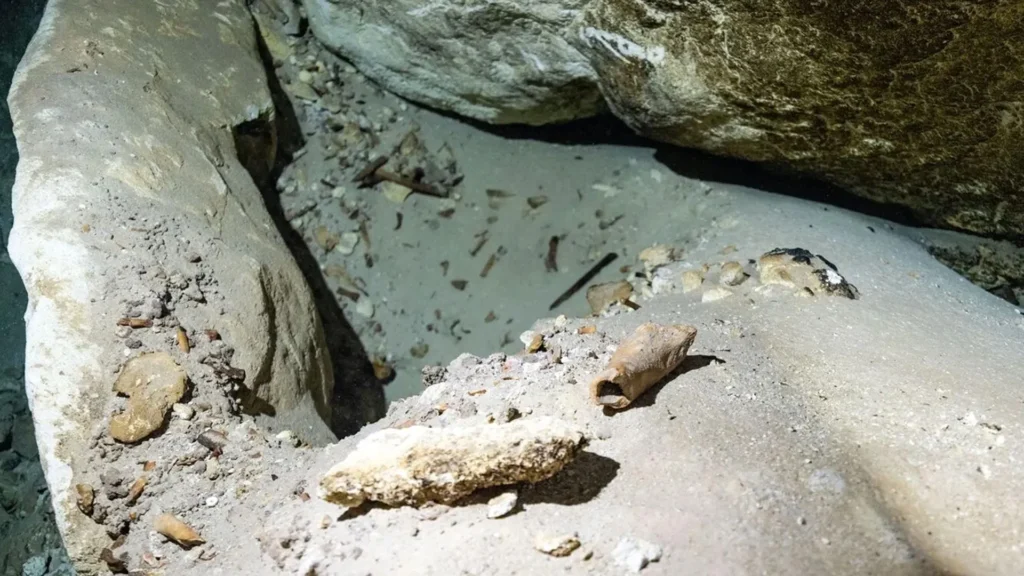
The research centered on two iconic underwater cave systems near Mount Gambier, South Australia: the Green Waterhole and the Gouldens Sinkhole. These sites, known for their treacherous conditions, required the expertise of specialist divers from the Cave Divers Association of Australia to retrieve the specimens.
The collection was diverse, spanning a timeframe that bridges the gap between the pre-colonial era and the rapid industrialization of the 19th century. The assemblage included both indigenous fauna—such as kangaroos, emus, quolls, swamp rats, and dingoes—and introduced species, including cows, sheep, pigs, and rabbits. Some of the remains, particularly those of introduced livestock, likely date back to the 1840s, marking the arrival of European settlers in the region.
By tracking these bones, researchers created a chronological ledger of how skeletons accumulate over decades and centuries. Because the timeline of these modern remains is relatively well-understood, they serve as a baseline. If scientists can understand how a cow’s skeleton has been modified by the underwater environment over the last 150 years, they can apply that same logic to the much older, fossilized remains of extinct megafauna that occupy the deeper, more ancient strata of these same caves.
The Environmental Spectrum: From Midnight Zones to Sunlight
One of the study’s most significant findings is that underwater caves are not monolithic environments. Instead, they act as highly stratified systems, with preservation signatures dictated by light availability and biological activity.
The Photic Zone: Life Among the Shadows
Near the cave entrances, where sunlight manages to penetrate the water column, the preservation process is dominated by photosynthetic organisms. Algae and various aquatic plants colonize the surface of the bone, leaving behind distinct chemical signatures and etching patterns that differ significantly from those found in the deep interior. These "sunlit signatures" provide researchers with a clear indicator that the bone spent a portion of its post-mortem existence in a well-lit, biologically active zone.
The Midnight Zone: Pristine Preservation
In contrast, the "midnight regions"—the deep, lightless sectors of the caves—offer a starkly different preservation environment. Because light cannot reach these depths, plant life and algal colonization are impossible. Consequently, bones deposited in these areas often remain remarkably pristine. The study found that underwater caves, particularly in these dark zones, act as exceptional long-term storage units, often retaining the original bone structure and fine surface details that would have been lost to weathering in an open-air environment.
The Dry Cave Contrast
To ensure their framework was robust, the researchers compared their underwater findings with remains recovered from traditional, dry caves. The differences were stark. Dry-cave remains lacked the aquatic signatures entirely. Instead, they bore the scars of terrestrial life: plant roots had carved long, serpentine grooves into the bone surfaces, and land-based bacteria had consumed organic components in a process distinct from the mineral-replacing or preservation-enhancing processes observed underwater.
Official Responses and Methodology
The study, titled "Neotaphonomic characteristics of vertebrate site formation in underwater caves," published in the journal PLOS One, represents a significant shift in methodology. For the first time, researchers have a standardized rubric to categorize site formation.
"This study has delivered the first framework for interpreting how megafauna fossils formed, survived, and changed in underwater caves," says Miss Walker. Her approach emphasizes that taphonomy is not just about the bone itself, but the entire environmental context surrounding it. By integrating spatial data—where the bone was found, how it was oriented, and what was growing on it—with molecular data, the team has turned these bones into environmental proxies.
The collaboration with the Cave Divers Association of Australia was critical. These specialist divers possess the unique skills required to navigate the high-risk environments of the Mount Gambier sinkholes, ensuring that the bones were retrieved with their contextual data intact. This partnership highlights the increasing necessity of interdisciplinary cooperation between technical divers and academic researchers in the pursuit of paleontological discovery.
Implications: A New Lens for Megafauna Research
The implications of this research extend far beyond the caves of South Australia. Underwater caves are found globally, from the cenotes of Mexico to the flooded karst systems of Europe and Asia. Each of these sites contains a potential wealth of information regarding extinct species.
Reconstructing Ancient Ecosystems
By applying the new framework, paleontologists can now work backward. If a fossilized femur is recovered from a submerged cave, researchers can look for specific chemical markers to determine if the bone was deposited in the entrance or the deep interior. This allows them to reconstruct the paleo-environment: Was the cave a trap for unsuspecting animals, or were the bones washed in by flood events? Did the animal die in the cave, or was it transported there post-mortem?
Global Applications
The framework serves as a "powerful new tool" for archaeologists and paleontologists worldwide, according to the research team. In regions where megafauna remains are often fragmented or poorly understood due to the degradation of surface-level fossils, these underwater "time capsules" offer a more reliable source of data. This is particularly vital for understanding the extinction events of the Pleistocene, where subtle shifts in environmental conditions likely played a role in the collapse of megafaunal populations.
Conclusion: The Future of Deep-Time Research
The research conducted by the team at Griffith University fundamentally changes the way we view the submerged world. No longer are these caves merely obstacles to be navigated or exotic oddities of geology; they are sophisticated, high-fidelity recorders of biological history.
As the team continues to refine their diagnostic tools, the prospect of applying this framework to even older, more mysterious sites becomes a reality. The "fingerprints" left by the water, the light, and the microorganisms are finally being read. With every bone analyzed, the shadows of the deep are being pushed back, revealing the complex, long-lost history of the creatures that once roamed the landscape above, and whose stories have been safely guarded by the silent, submerged caves below. The history of our planet is etched into the bones of the past, and we are finally learning how to read the text.