

By Adrianne Appel
The collapse of a financial institution is rarely a sudden event; it is almost always the culmination of systemic failures, lapses in oversight, and, in the most egregious cases, calculated criminal malfeasance. The recent unraveling of the First National Bank of Lindsay, a small Oklahoma-based lender, serves as a stark case study in how personal relationships and the subversion of internal controls can hollow out a community institution from the inside.
Federal authorities have unveiled a web of deceit involving Shaun U. Christian, a former borrower, and Danny Seibel, the bank’s former chief executive officer. Their conspiracy, which centered on the fabrication of loan documentation and the subsequent laundering of illicit proceeds, played a pivotal role in the bank’s eventual failure in 2024. As legal proceedings move forward, the case highlights the devastating impact that executive-level fraud can have on both the institution and the regulatory landscape of community banking.
The Core Facts: A Conspiracy of Convenience
On Thursday, the U.S. Department of Justice (DOJ) confirmed that Shaun U. Christian entered a guilty plea to charges of money laundering and conspiracy to commit bank fraud. This plea marks a critical turning point in the federal investigation into the downfall of the First National Bank of Lindsay.
According to court filings and statements from the U.S. Attorney’s Office for the Western District of Oklahoma, the fraudulent scheme was predicated on the close personal relationship between Christian and Seibel. Exploiting his position as CEO, Seibel facilitated the approval of multiple loans for Christian throughout 2021. These loans were not backed by legitimate assets or sound business prospects; instead, they were built upon a foundation of false information, inflated collateral values, and misrepresentations of financial health.
The conspiracy was designed to enrich the participants at the expense of the bank’s capital adequacy. By funneling millions of dollars into these fraudulent vehicles, Seibel and Christian effectively siphoned liquidity from the institution, leaving it unable to withstand the economic pressures that eventually led to its 2024 collapse.
A Chronology of the Malfeasance
The timeline of the First National Bank of Lindsay’s descent reveals a pattern of escalating risk and regulatory evasion.
- 2021: The Genesis of Fraud. Throughout this calendar year, Shaun U. Christian, acting in coordination with CEO Danny Seibel, initiated a series of loan applications. These applications were marked by systemic falsifications, intended to bypass the bank’s standard underwriting procedures.
- April 7, 2024: Indictment. Following a thorough investigation by federal authorities, a federal grand jury returned an indictment against Shaun U. Christian. The charges—bank fraud and money laundering—signaled that the DOJ had successfully mapped the flow of funds and identified the nexus between the borrower and the executive.
- May 6, 2024: The CEO’s Admission. Realizing the strength of the government’s case, Danny Seibel pleaded guilty to one count of bank fraud. His admission of guilt confirmed that the institution’s leadership had intentionally compromised the bank’s safety and soundness. Seibel now faces a potential prison sentence of up to 30 years, reflecting the severity of his breach of fiduciary duty.
- Late 2024: Bank Failure. The cumulative effect of the fraud, combined with the loss of assets, rendered the First National Bank of Lindsay insolvent. The institution was shuttered, leaving local depositors and the banking community to grapple with the aftermath.
- February 2025: Guilty Plea. The legal process reached a critical milestone when Christian formally pleaded guilty to the charges brought against him, providing the DOJ with a final piece of the puzzle regarding the mechanics of the fraud.
Supporting Data: The Mechanics of the Fraud
While the exact dollar amount lost to the fraudulent loans remains a subject of ongoing financial analysis, the impact on the bank’s balance sheet was catastrophic. In small, community-focused banks, the capital cushion is often thin. When executive officers circumvent risk management protocols—such as loan-to-value ratio checks, credit history verification, and collateral inspections—the institution becomes hyper-vulnerable.
The DOJ’s investigation highlighted that the fraud was not a singular event but a series of transactions. By utilizing "straw" loan applications or inflating the value of existing business assets, Christian was able to secure capital that the bank should never have authorized. This money was then moved through various accounts, constituting the money laundering charges to which Christian has pleaded guilty.
For auditors and regulators, the failure of the First National Bank of Lindsay serves as a reminder of the "override" risk. In many small banks, the CEO holds significant sway over the loan committee. If that CEO is compromised, the primary line of defense—the internal audit and credit committee—often fails to function as intended, as subordinates may be pressured to ignore red flags or overlook irregularities in the documentation provided by a "favored" borrower.

Official Responses and Legal Implications
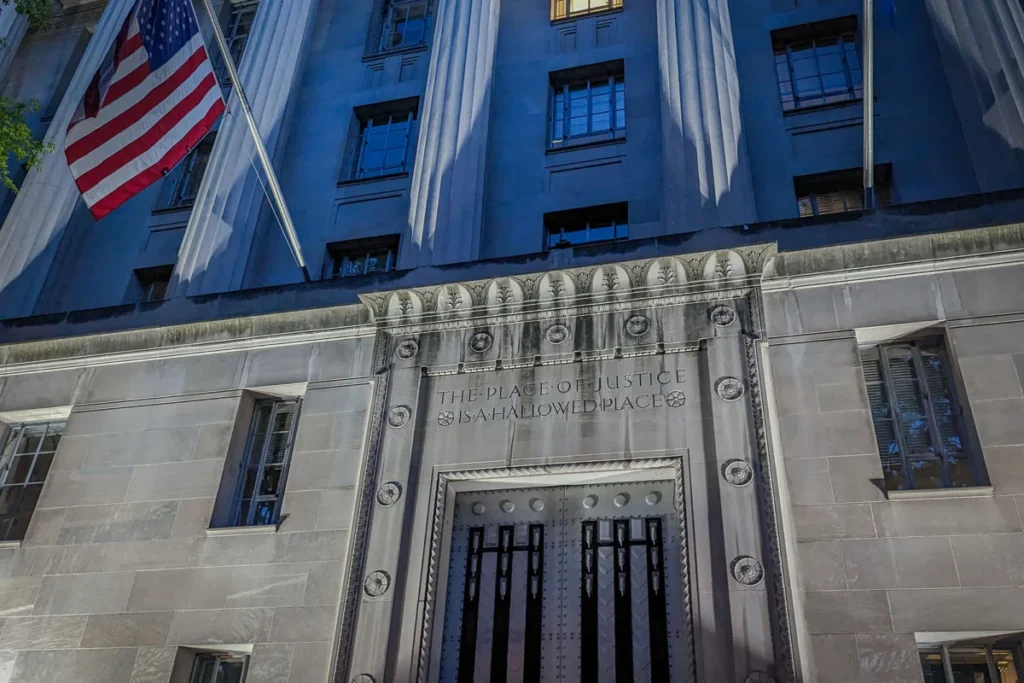
The U.S. Attorney’s Office for the Western District of Oklahoma has been clear in its messaging: white-collar crime, particularly that which jeopardizes the stability of the financial system, will be met with the full force of federal law.
"The actions taken by Shaun U. Christian and Danny Seibel were a betrayal of the trust placed in them by the bank’s stakeholders and the community at large," stated a representative from the Department of Justice following the plea announcement. The government’s emphasis on the money laundering aspect of the case underscores the complexity of the crime; it was not merely about obtaining a loan under false pretenses, but about concealing the movement of illicit funds to prevent detection by regulators.
For Danny Seibel, the consequences are severe. A 30-year sentence represents the upper limit of the sentencing guidelines for bank fraud, signaling that the court views his actions as a severe violation of the public trust. As the former CEO, Seibel was the primary steward of the bank’s capital; by weaponizing that position for personal and associate gain, he effectively orchestrated the collapse of his own institution.
The Broader Implications for the Banking Sector
The collapse of the First National Bank of Lindsay is not merely a local tragedy; it holds significant implications for the broader banking sector, particularly for small-to-mid-sized community banks.
1. The Erosion of Trust
Community banks rely heavily on their reputation and their role as pillars of the local economy. When a bank fails due to criminal activity rather than market forces, it shakes the confidence of the depositors. This loss of trust can lead to "contagion" effects, where depositors at other regional banks become wary of the safety of their own funds.
2. Regulatory Oversight and "CEO Capture"
The case raises questions regarding the effectiveness of current regulatory oversight for smaller institutions. If a CEO can orchestrate fraud for a year without detection, the "check-and-balance" systems in place—including board oversight—must be re-evaluated. The DOJ’s investigation will likely prompt a review of how smaller banks manage loan approvals for individuals who have close personal ties to the bank’s leadership.
3. Increased Compliance Burdens
In the wake of such scandals, regulators often tighten compliance requirements. For community banks already struggling with the costs of regulation, this may mean increased audit frequency, more stringent reporting requirements for loans involving "insiders" or "related parties," and a greater focus on the personal relationships of executive management.
4. The Moral Hazard of "Small" Institutions
There is often a perception that small banks are "safer" or less prone to the high-stakes greed associated with global investment banks. The Lindsay case debunks this myth. Corruption can take root wherever there is a concentration of power and a lack of transparency. The failure serves as a cautionary tale for boards of directors, who must remain vigilant and independent, regardless of the size of the institution they oversee.
Conclusion
The guilty pleas of Shaun U. Christian and Danny Seibel bring a degree of closure to the criminal investigation, but the scars left on the community of Lindsay remain. A bank is more than just a business; it is a repository of a community’s savings and the engine for its small-business growth. When that engine is dismantled by the very people tasked with protecting it, the damage is profound.
As the legal system moves toward sentencing, the industry must look inward. The First National Bank of Lindsay collapse is a clear signal that the fundamental principles of banking—transparency, integrity, and independent risk assessment—are non-negotiable. Whether in a large metropolitan firm or a small-town lender, the integrity of the individual at the helm remains the most critical asset—and, when compromised, the greatest liability—of the entire financial system.



