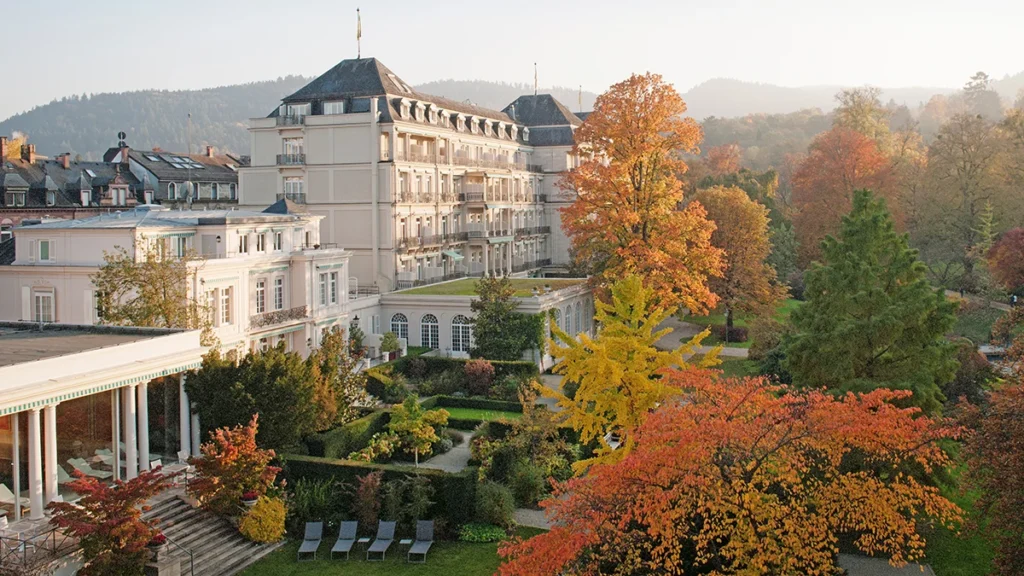
In the historic, verdant town of Baden-Baden, Germany—a destination that has served as a sanctuary for the European elite since the 19th century—a quiet revolution is taking place. At the legendary Brenners Park-Hotel & Spa, the traditional concept of the "wellness retreat" is being systematically dismantled and replaced by something far more clinical, calculated, and exclusive.
Here, the boundary between a grand European resort and a cutting-edge medical facility has been intentionally blurred. Guests do not check in merely for the plush linens or the manicured gardens of the Oos River; they arrive to undergo the "ReLife Longevity Protocol," a high-stakes, data-driven deep dive into their own biology. In this world, the morning begins not with a leisurely breakfast, but with a blood draw, and the day’s "itinerary" is dictated by the precise, evolving results of diagnostic screenings.
Main Facts: The Intersection of Luxury and Clinical Precision
The Brenners experience is defined by a paradoxical rhythm. The property operates as a five-star bastion of hospitality, yet it houses a sophisticated medical clinic that functions with the rigorous efficiency of a top-tier hospital. The "ReLife" program is a 10-night-minimum commitment that integrates conventional Western diagnostics with naturopathic philosophy.

The primary objective is not merely relaxation, but "biological optimization." The clinic, led by Dr. Harry König, serves a clientele that reads like a ledger of global power: CEOs, high-ranking politicians, A-list celebrities, and international royalty. For these individuals, privacy is the ultimate luxury. The hotel’s layout ensures that guests can transition from a medical ultrasound to a gourmet, nutritionist-approved dinner without ever breaking the illusion of a relaxing getaway.
Chronology: A Week in the Life of a Bio-Optimizer
To understand the intensity of the program, one must examine the daily choreography. A typical morning begins with a consultation with Dr. König, who reviews the data points captured the previous day. Because the program is dynamic, no two days are identical; schedules are updated in real-time as lab results provide new insights, creating an ever-evolving map of the guest’s health.
The Diagnostic Phase
The early days are characterized by what some might call "unsexy" but essential medical labor. Over the course of a week, a guest might undergo a comprehensive battery of tests:

- Imaging: Ultrasounds of the thyroid, heart, abdomen, and venous system.
- Cardiovascular: Stress testing to determine heart health under exertion.
- Biometric Screening: Extensive blood work and body composition scans.
- Specialized Therapies: Sessions ranging from Cranio Sacral Balance and EmSella pelvic-floor activation to Exomind brain stimulation and advanced lymphatic drainage.
The Afternoon Transition
By mid-day, the focus shifts. The clinical "white coat" atmosphere is tempered by the spa’s amenities. One might receive a JetPeel facial utilizing Augustinus Bader technology, followed by a Lomi Lomi massage infused with local Black Forest botanicals. The day is designed to prevent "medical fatigue," ensuring that the stress of health anxiety is mitigated by the sensory comforts of a world-class resort.
Supporting Data: Why the Elite Are Betting on Longevity
The rise of the "medical hotel" is driven by a shift in how the global elite perceive health. It is no longer about treating disease; it is about "preventative longevity."
One guest, who traveled from Dubai after vetting various clinics across Europe, noted that she chose Brenners specifically for its reliance on empirical diagnostics rather than the "yoga pants and green juice" trends that define mainstream wellness. The data supports this preference:

- Stem-Cell Access: Brenners is one of only two clinics in Germany legally permitted to perform pluripotent stem-cell treatments.
- Nutritional Architecture: Menus are not standard; they are prescriptive. For many, this means a gluten-free, lactose-free, and hyper-specific protein-controlled diet that is calibrated to the guest’s lab results.
- The "Age" Factor: The clinic is surprisingly conservative. Despite the availability of aggressive interventions, physicians like Dr. König frequently advise against unnecessary procedures, favoring a "foundational" approach that addresses iron levels, vitamin deficiencies, and hormone imbalances before moving to more experimental treatments.
Official Perspectives: The Philosophy of Dr. Harry König
Dr. Harry König, the architect of the medical program at Brenners, maintains a grounded perspective on the burgeoning longevity industry. He draws a stark distinction between "vacation wellness" and "systemic health."
"Longevity is a strategy," König explains. He often compares fleeting wellness trends to drinking rosé in the south of France—it feels wonderful in the moment, but it doesn’t necessarily improve one’s long-term health trajectory once the environment changes.
König’s approach is defined by its honesty. He emphasizes that the goal is not to force the body into submission, but to provide it with the tools to function optimally in the "real world." If a patient is young and healthy, he is the first to tell them that aggressive longevity protocols are unnecessary. He advocates for fixing the fundamentals—sleep, nutrition, and metabolic balance—before pursuing the more headline-grabbing therapies. This integrity is a cornerstone of the Brenners reputation, ensuring that the clinic remains a place of genuine medical care rather than a high-end placebo factory.

Implications: The Future of High-End Travel
The implications of the Brenners model are significant for the future of luxury hospitality. As the global population ages and the wealthy become increasingly obsessed with extending their health-span, the demand for "preventative luxury" is set to skyrocket.
The Challenges of Integration
The experiment is not without its friction. Logistical hiccups, such as initial record-keeping errors regarding dietary restrictions or slight delays in appointment scheduling, highlight the inherent difficulty of merging a hospital with a hotel. These are not merely administrative lapses; they are symptoms of a business model attempting to reconcile two vastly different operational cultures. However, for most guests, these wrinkles are negligible compared to the profound sense of reassurance provided by the medical oversight.
A New Standard for Wellness
The success of this program suggests that the future of the five-star hotel lies in its ability to offer measurable value. Guests are increasingly asking, "What did I get out of this stay?" When the answer is a comprehensive health report, a personalized supplement regimen, and a clear roadmap for the next 12 months, the price tag—starting at approximately $51,800 for the 10-night protocol—begins to look like an investment rather than an expense.

Ultimately, the true value of the Brenners experience is the peace of mind that comes from knowing exactly where one stands in the complex ecosystem of their own body. As one departs, stepping back into the "real world," the lingering effects of the program—better skin, sharper focus, and a clear plan for the future—serve as the ultimate souvenirs. In an era of infinite health information and contradictory advice, the luxury of having a team of experts curate your biology is, perhaps, the final frontier of the good life.