

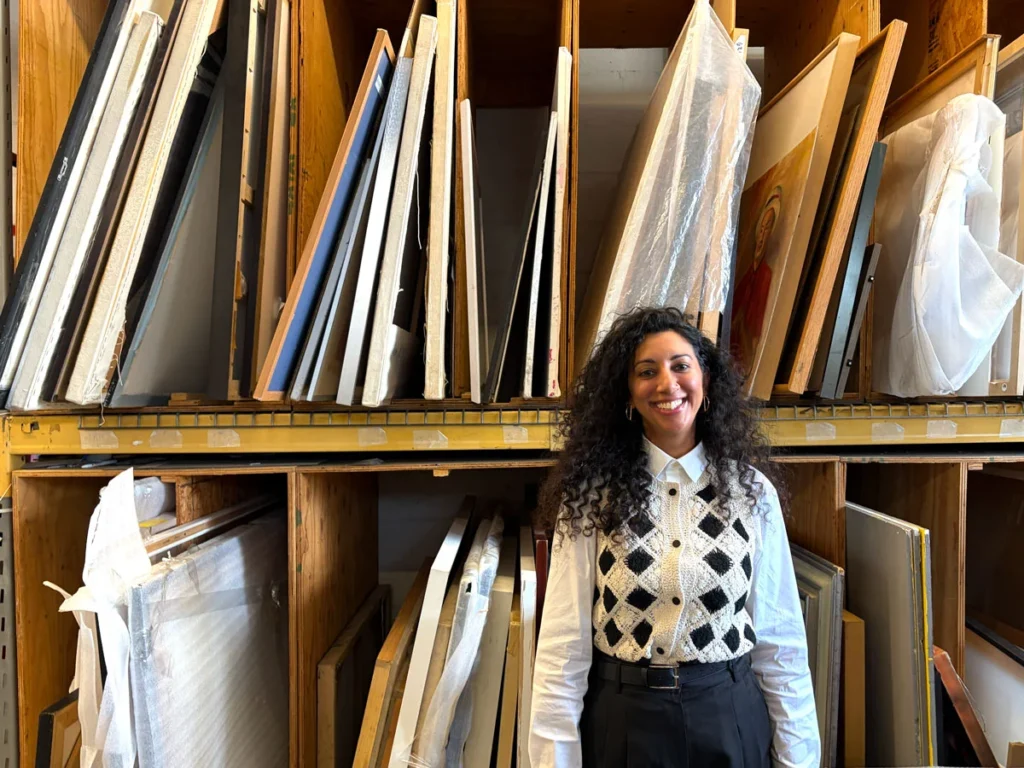
In a landmark shift for New York City’s cultural landscape, Mayor Zohran Kwame Mamdani and Commissioner of the Department of Cultural Affairs (DCLA) Diya Vij announced today that the city will double its direct financial support for individual artists. For the first time in approximately 20 years, the maximum grant amount available to artists through local arts councils will increase from $5,000 to $10,000.
This policy change, fueled by a record-breaking municipal budget for the arts, represents more than a mere fiscal adjustment; it serves as a public acknowledgment of the precarity facing New York’s creative workforce. By directly addressing the inflation that has eroded the value of these grants over the last two decades, the administration is signaling a shift toward “transformational governance” that prioritizes the economic stability of the individuals who sustain the city’s identity.
The Financial Framework: A Commitment to Sustainability
The funding for this initiative is drawn from the DCLA budget, with a total commitment of $3.5 million distributed across the five borough-based arts councils. These councils act as the primary regranting partners for the city, conducting open calls and vetting applications from thousands of individual creators annually.
The increase is part of a broader, more aggressive financial strategy adopted in July, when the city approved a historic $323.8 million budget for the DCLA—a 7.5 percent increase over the previous year. Alongside the doubling of individual grants, the budget includes a new $10 million annual "Cultural Stability Fund" designed to provide emergency relief for nonprofit organizations over the next three years.
A Chronology of Policy and Advocacy
The stagnation of the $5,000 grant cap had long been a point of contention among cultural advocates. For two decades, as New York City’s cost of living skyrocketed, the purchasing power of an arts grant effectively plummeted.
- 1976: The formation of the DCLA and the establishment of the current regranting relationship with borough-based arts councils.
- 2004 (Approx.): The last time significant adjustments were made to the individual artist grant structure, setting the $5,000 benchmark that would remain fixed for 20 years.
- February 2024: Diya Vij is appointed as the Commissioner of the Department of Cultural Affairs, becoming the first person of South Asian descent to lead the agency.
- Summer 2024: Commissioner Vij initiates a "listening tour" across all five boroughs, conducting over 15 public sessions to gather input from thousands of artists regarding the affordability crisis.
- October 2024: The formal announcement of the doubled grant funding and the implementation of dedicated shopping days at Materials for the Arts (MFTA).
Supporting Data: Why $5,000 Was No Longer Enough
In an interview with ARTnews, Commissioner Vij underscored the logistical reality of contemporary art production. "I know from being a curator and talking to so many artists that $5,000 is just not enough money to do a complete project," Vij said. "The last thing we want is artists going into debt to complete a project because of a grant."
The decision to raise the cap was rooted in the administration’s "listening tour," which revealed that many artists were forced to rely on personal savings or high-interest credit to cover the rising costs of materials, studio space, and labor. By doubling the grant, the city aims to provide a more realistic floor for artistic production, allowing creators to experiment without the immediate threat of insolvency.
Official Perspectives: The Vision for a "City Built by Artists"
Mayor Zohran Kwame Mamdani framed the announcement as a matter of economic justice. "Artists are working New Yorkers, and they pay the same rent and the same grocery bills as everyone else," the Mayor stated. "A grant frozen at $5,000 for twenty years has been losing value every single year. Doubling it is a first step toward making sure the people who give this city its culture can afford to keep living here."
Commissioner Vij, who brings a background as a curator for institutions like the High Line and Creative Time, emphasized that this move is part of a broader commitment to infrastructural change. "I don’t think I would do this job in any other circumstance other than for Mayor Mamdani and for this political moment," Vij remarked. "There is so much amazing energy around transformational governance. It has been great to be in this position where I get to zoom out to the bird’s eye view on arts and culture in the city."
When asked about the role of the DCLA in the face of federal funding cuts, Vij noted that while local government cannot fully replace the scale of federal support, it can provide a "nimble" response. "We are deeply committed to keeping [nonprofit support] robust… but in addition, we’re thinking about how we support artists directly and how we grow that arm of the Department of Cultural Affairs."
Implications for the Creative Ecosystem
The immediate impact of this announcement will be felt by applicants to the borough-based arts councils. Currently, four of the five councils have active application cycles:
- Brooklyn Arts Council: Deadline October 11.
- Bronx Council on the Arts: Deadline October 30.
- Lower Manhattan Cultural Council: Deadline November 12.
- New York Foundation for the Arts (Queens): Deadline November 17.
- Staten Island Arts: Applications open in November.
Beyond the direct cash infusion, the city is providing non-monetary support to bridge the resource gap. Starting in October, any past or present recipient of arts council funding will be granted a dedicated monthly "shopping day" at Materials for the Arts (MFTA). MFTA, a treasure trove of reclaimed items, annually diverts over 4 million pounds of material from landfills, repurposing them for use in public school classrooms and professional artistic installations.
A Holistic Approach to Affordability
The administration’s policy goes beyond simple cash grants. By integrating the arts into the broader conversation about urban affordability, the DCLA is acknowledging that the city’s creative sector is not an isolated industry, but a fundamental component of the urban infrastructure.
Commissioner Vij noted that she has spent her tenure focusing on how the agency can mirror the values it expects from the community. "I’ve been on this listening tour… I’ve talked to thousands of artists, heard directly from them exactly how hard it is to make a living here during this affordability crisis," she said. By reorienting the prompt from "What does a city built for artists look like?" to "What does a city built by artists look like?", the administration is inviting the creative community to be partners in policy rather than just beneficiaries of it.
Future Outlook
As the DCLA moves forward, the focus will remain on "operationalizing" the support for artists. This means continuing to evaluate which old institutional models no longer serve the current climate—characterized by real estate pressure, inflation, and federal funding volatility—and replacing them with more responsive, direct-aid systems.
While the doubling of the grant is a "first step," the administration remains clear that the goal is to make New York a place where artists can not only survive but thrive. As the city navigates the complexities of the next three fiscal years, this increase stands as a definitive statement: the culture of New York is a public good, and its creators are essential workers who deserve the stability to innovate, create, and remain in the city they helped build.



