

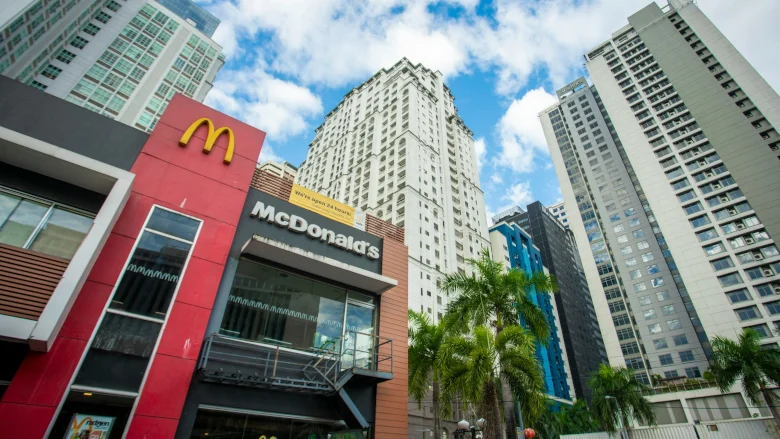
In a significant cybersecurity failure that underscores the persistent vulnerabilities inherent in modern corporate data management, McDonald’s Indonesia has confirmed a massive exposure of sensitive information. The breach, which encompassed more than 40 million records, has compromised the privacy of millions of customers and exposed proprietary corporate strategies. This incident serves as a stark reminder of the escalating risks posed by unsecured databases in an era where digital loyalty programs and mobile-first consumer interactions have become the backbone of the fast-food industry.
The Scope of the Incident: A Quantitative Breakdown
The scale of the data exposure, first identified and reported by the research team at Cybernews, is substantial. According to the investigation, the vulnerability involved an unsecured database that allowed unauthorized access to a wealth of sensitive information.
Of the 40 million total records discovered, the most critical subset consists of 28 million individual customer profiles. The nature of the data exposed is particularly concerning, as it includes personally identifiable information (PII) that is highly prized by malicious actors. Specifically, the database contained:
- Customer Names: Allowing for personalized targeting in phishing campaigns.
- Email Addresses: A primary vector for social engineering and credential-stuffing attacks.
- Phone Numbers: Facilitating SMS-based "smishing" and fraudulent voice calls.
- Device IDs: Which can be used to track user behavior or facilitate device-specific malware delivery.
Beyond the customer-centric data, the breach also compromised internal corporate assets. Over 71,000 records related to advertising campaigns were found exposed. This includes granular details regarding marketing strategies, promotional scheduling, and potentially internal metrics that reveal how the corporation tracks consumer engagement. The exposure of such data provides a roadmap for competitors or malicious entities looking to understand the company’s internal operational workflows.
Chronology of the Exposure and Discovery
The timeline of the breach highlights the "silent" nature of such vulnerabilities, where data remains accessible to the public for an indeterminate period before discovery.
The Vulnerability Window
While the exact date of the initial exposure remains a point of investigation, cybersecurity researchers note that misconfigured cloud storage and unsecured database instances are often left exposed for weeks or months before being detected. In this instance, the database was accessible via the public internet without adequate authentication protocols.
Discovery by Cybernews
The Cybernews research team, which routinely scans the internet for unsecured assets, identified the database during a routine sweep. Upon confirming that the data belonged to McDonald’s Indonesia and contained sensitive user information, the team proceeded with a standard responsible disclosure process.
Mitigation and Closure
Following the notification, McDonald’s Indonesia moved to secure the database. At the time of this report, the database has been shuttered and is no longer accessible to the public. However, the closure of the digital "door" does not equate to the mitigation of the fallout; once data has been indexed by search engines or downloaded by unauthorized parties, the potential for long-term misuse remains high.
Supporting Data: The Anatomy of Modern Data Breaches
The McDonald’s Indonesia incident is not an isolated event but rather a symptom of a broader trend in the cybersecurity landscape. Industry reports, such as the Verizon Data Breach Investigations Report and the IBM Cost of a Data Breach Report, consistently highlight that human error—specifically, misconfiguration of cloud environments—remains one of the top three vectors for data breaches globally.
The Rise of "Database Exposure"
In recent years, the shift toward cloud-native architectures has allowed companies to scale rapidly. However, this velocity often outpaces the implementation of "Security by Design" principles. When a database is deployed, if the default settings are not adjusted to restrict access to authorized IP addresses only, the instance becomes discoverable by automated scanners used by both security researchers and cybercriminals.
The Value of Loyalty Data
McDonald’s, like many global retail giants, relies heavily on its loyalty application to drive sales. The database in question was linked to these customer platforms. The exposure of loyalty point transaction information is particularly sensitive. If a threat actor can link a customer’s email and phone number to their loyalty point balance, they can orchestrate "loyalty fraud"—transferring points or redeeming them for food items, effectively turning stolen data into a liquid asset.
Implications for the Affected Consumer
The ramifications for the 28 million affected customers are multifaceted, ranging from increased spam to the potential for sophisticated financial fraud.
The Threat of Social Engineering
The most immediate danger to the public is the surge in social engineering attempts. Because the leaked data contains full names, email addresses, and phone numbers, criminals can craft highly personalized phishing emails or SMS messages. For example, an attacker could send a message appearing to be from McDonald’s, notifying the customer that their "loyalty account has been flagged for suspicious activity" and directing them to a fraudulent login page. Given the accuracy of the leaked data, these messages are significantly more likely to bypass the natural skepticism of the average consumer.
The Risk of Identity Theft
While the breach did not explicitly mention the exposure of credit card numbers or government-issued IDs, the combination of name, phone, and email is sufficient for "identity profiling." This information can be sold on the dark web and combined with other leaked datasets (from previous breaches at other companies) to build a comprehensive profile of an individual, which is then used for identity theft or targeted financial scams.
Loyalty Fraud and Account Takeover
As noted by the Cybernews team, the exposure of loyalty point transaction histories creates a direct incentive for attackers to attempt account takeovers. By gaining access to an account, a malicious actor can not only drain rewards points but also gain access to saved payment methods if the app is configured to store such information for "one-click" ordering.
Official Responses and Corporate Responsibility
In the wake of the exposure, the silence or measured response from large corporations is often criticized by data privacy advocates. While McDonald’s Indonesia has secured the database, the company faces the challenging task of informing millions of customers across different jurisdictions, each with varying data protection laws.
Regulatory Scrutiny
In many regions, the General Data Protection Regulation (GDPR) or similar local laws mandate that companies notify the relevant data protection authorities within 72 hours of discovering a breach that poses a risk to individuals’ rights. While the specific regulatory requirements in Indonesia (governed by the Personal Data Protection Law) are evolving, the scale of this breach will likely trigger investigations into whether the company exercised "reasonable care" in protecting customer data.
The Path to Remediation
For a corporation of this size, remediation is a two-pronged process:
- Technical Remediation: Implementing strict "Access Control Lists" (ACLs), ensuring all databases are encrypted at rest, and conducting regular third-party penetration testing to find misconfigurations before they are exploited.
- Customer Communication: This is the most difficult stage. Transparency is key. Customers should be notified of the specific categories of data that were exposed and provided with actionable advice, such as enabling two-factor authentication (2FA) on their loyalty accounts and remaining vigilant against unexpected communications.
Conclusion: Lessons for the Future
The McDonald’s Indonesia incident serves as a critical case study in the importance of cloud hygiene. As the digital and physical worlds continue to merge through mobile apps and digital ordering kiosks, the surface area for potential attacks grows exponentially.
Corporations must transition from a reactive security posture—where breaches are addressed only after they are discovered—to a proactive one. This includes continuous monitoring of cloud environments, the implementation of automated "compliance-as-code" to prevent misconfigurations, and a commitment to data minimization, where only the most essential information is stored in any given database.
For the consumer, this breach is a sobering reminder that every digital interaction carries risk. While individuals cannot control the security practices of the companies they patronize, they can adopt defensive habits: using unique passwords for every account, enabling 2FA wherever possible, and treating every unexpected request for information with suspicion.
As the investigation into the McDonald’s Indonesia breach continues, it serves as a stark warning to the global business community: in the age of big data, the loss of customer trust is far more expensive than the cost of securing a database.



