

The ocean does not recognize the arbitrary lines drawn on nautical charts. For the nations bordering the Western Indian Ocean (WIO)—from the golden beaches of KwaZulu-Natal in South Africa to the archipelagos of Seychelles and the coastlines of Comoros and Madagascar—the sea is not merely a resource; it is a shared, interconnected lifeblood. As regional leaders prepare for the Twelfth Conference of the Parties (COP12) to the Nairobi Convention, a fundamental shift is occurring in how these nations approach marine conservation: moving from isolated, project-based efforts toward a cohesive, transnational financing architecture.
The Migratory Imperative: Why Borders Fail Nature
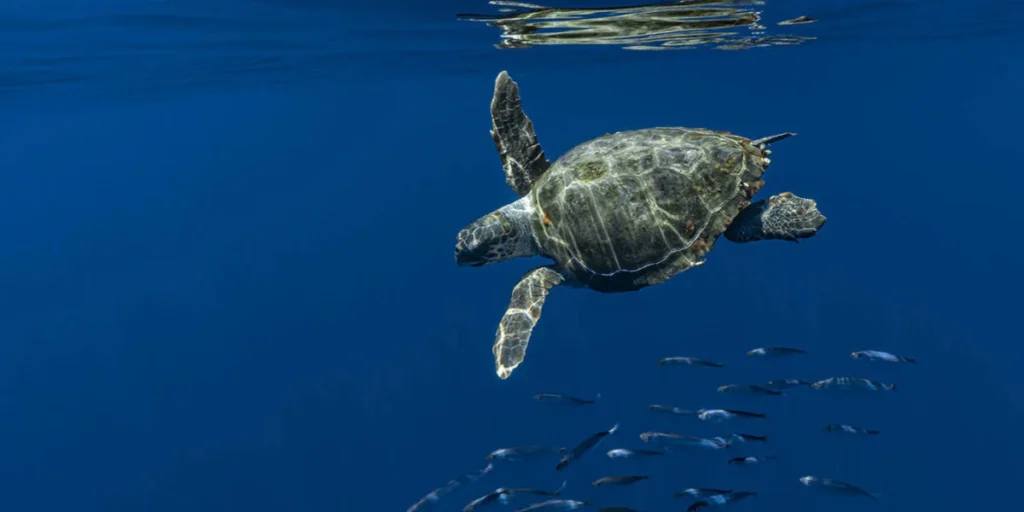
The sea turtle serves as a poignant metaphor for the modern conservation crisis. A turtle hatched on the sands of South Africa may travel thousands of miles, traversing the sovereign waters of Mozambique, Madagascar, and the vast expanse of the Indian Ocean. While South Africa can protect the nesting beach, the species’ survival depends on the integrity of the entire journey.
This reality underscores the central challenge of 21st-century ocean management. For the 60 million people residing within 100 kilometers of the WIO coastline, marine health is synonymous with food security, economic stability, and climate resilience. Mangroves and seagrasses serve as vital carbon sinks, while coral reefs act as biological engines for biodiversity and natural storm barriers. When one link in this regional chain is broken by pollution or overfishing, the consequences ripple across national boundaries.
Chronology of Cooperation: From Nairobi to the Present
The movement toward a unified WIO conservation strategy has been decades in the making:
- 1985: The adoption of the Nairobi Convention provides the first formal framework for regional cooperation in the management and protection of the marine and coastal environment.
- 2010s: Seychelles gains international acclaim for pioneering marine spatial planning and "blue bonds," proving that conservation can be woven into the fabric of national development.
- 2020: The Regional Ocean Governance Strategy is established, setting the mandate for inclusive, cross-border management.
- 2023: The UN High Seas Treaty (BBNJ Agreement) is finalized, creating a landmark legal framework for protecting marine life in international waters.
- 2024: Preparations for COP12 focus on the operationalization of the Regional Conservation Trust Fund (RCTF), a proposed financial mechanism designed to transcend the limitations of short-term project grants.
Supporting Data: The Economic and Biological Stakes
The economic necessity of this transition is supported by the sheer scale of the blue economy. Healthy marine ecosystems in the WIO are not just environmental assets; they are the bedrock of the region’s GDP.
- Livelihood Impact: 60 million people live in the immediate coastal zone, relying on fisheries and marine tourism for their daily existence.
- The Octopus Success Story: In Anjouan, Comoros, community-led management—inspired by peer-to-peer knowledge sharing with Madagascar and Zanzibar—demonstrated the power of localized intervention. By temporarily closing reef sectors to octopus fishing, communities saw the average weight of harvested octopuses double, proving that ecological recovery directly translates to economic prosperity.
- The 30×30 Goal: International targets to protect 30% of marine and coastal areas by 2030 represent a massive logistical undertaking. To reach this goal, the WIO region requires not just protected areas on a map, but sustained investments in scientific monitoring, enforcement, and sustainable livelihood transition.
Official Perspectives: The Case for the RCTF
Leaders from the Seychelles and across the region argue that current funding models are fundamentally mismatched with the nature of the ocean.
"Reefs do not recover according to project deadlines, just as fisheries won’t be replenished in sync with funding cycles," notes a regional spokesperson. The traditional model—reliant on three-to-five-year grants—often leaves a vacuum of management once the funding concludes. This "stop-start" approach is inadequate for the long-term biological processes of migration and ecosystem restoration.
The proposed Western Indian Ocean Regional Conservation Trust Fund (RCTF) is designed to fill this gap. Unlike existing national funds, the RCTF is intended to be a regional entity that specifically targets cross-border challenges: migratory species management, shared pollution control, and the protection of habitats that span multiple jurisdictions. It is not designed to compete with national initiatives or development banks; rather, it aims to provide the "connective tissue" that allows for a regional response to regional threats.
Implications: A New Architecture for Global Leadership
The shift toward a regional financing model has profound implications for how the global community engages with the WIO.
The Role of International Partners
International donors and financial institutions are often hesitant to fund regional entities, preferring the perceived security of national projects. However, the WIO experience suggests that this preference is a strategic error. By investing in the regional capacity of the WIO, international partners can move away from the "project treadmill" and instead contribute to a permanent, locally governed architecture. This shifts the dynamic from one of dependency to one of investment in regional autonomy.
Aligning with the BBNJ Agreement
The implementation of the Agreement on the Conservation and Sustainable Use of Marine Biological Diversity of Areas beyond National Jurisdiction (BBNJ) offers a unique window of opportunity. The WIO region is positioning itself to be a pilot for how high-seas governance can be linked with coastal management. By aligning the RCTF with the mandates of the BBNJ, the region can ensure that the protection of the "open ocean" is seamlessly integrated with the protection of the "coastal shelf."
Challenges to Implementation
The path forward is not without hurdles. Establishing a regional trust fund requires a high degree of political trust and technical coordination. Defining the governance structure—ensuring that the fund is equitable, transparent, and accountable to both the governments and the coastal communities it serves—will be the primary task at COP12 and beyond. The "next phase" must be government-led to ensure national ownership, while maintaining the flexibility to allow for community-level innovation, such as the octopus management success seen in Comoros.
Conclusion: A Future Built on Connectivity
As delegates gather for the Twelfth Conference of the Parties to the Nairobi Convention, they stand at a crossroads. The legacy of 40 years of regional cooperation has laid the foundation, but the challenges of the next 40 years—climate change, biodiversity loss, and resource pressure—require a bolder, more integrated approach.
The Western Indian Ocean is a singular, interconnected system. Its future prosperity depends on the ability of its nations to act in concert, treating the ocean not as a series of borders to be defended, but as a shared heritage to be stewarded. If the region succeeds in establishing the RCTF, it will not only secure its own blue economy but will provide a blueprint for other regions of the world. Ultimately, the finance supporting this endeavor must be as fluid and enduring as the ocean itself—capable of crossing every border, following every migration, and sustaining the life that connects us all.



