


Introduction
The phrase "cardinal gems" evokes a sense of historical importance and inherent value. While perhaps not a commonly used term in contemporary discourse, it harks back to a time when a select group of gemstones held profound significance across ancient civilizations. Gem-A Gemmology Tutor, Pat Daly, sheds light on this fascinating historical designation, exploring the origins of the term and the enduring legacy of these remarkable stones. This article will delve into the rich history, the defining characteristics, and the cultural impact of these "cardinal gems," tracing their journey from antiquity to the present day, and exploring what makes them truly stand the test of time.
The Pillars of Preciousness: Defining the Cardinal Gems
The term "cardinal gems" traditionally refers to a specific quintet of precious stones: diamond, ruby, sapphire, emerald, and amethyst. Their collective designation stems from their perceived special significance, inherent preciousness, and considerable value in the classical Roman, Greek, Egyptian, and Mesopotamian cultures. These were not merely beautiful objects; they were imbued with symbolic meaning, often associated with divinity, power, protection, and prosperity.
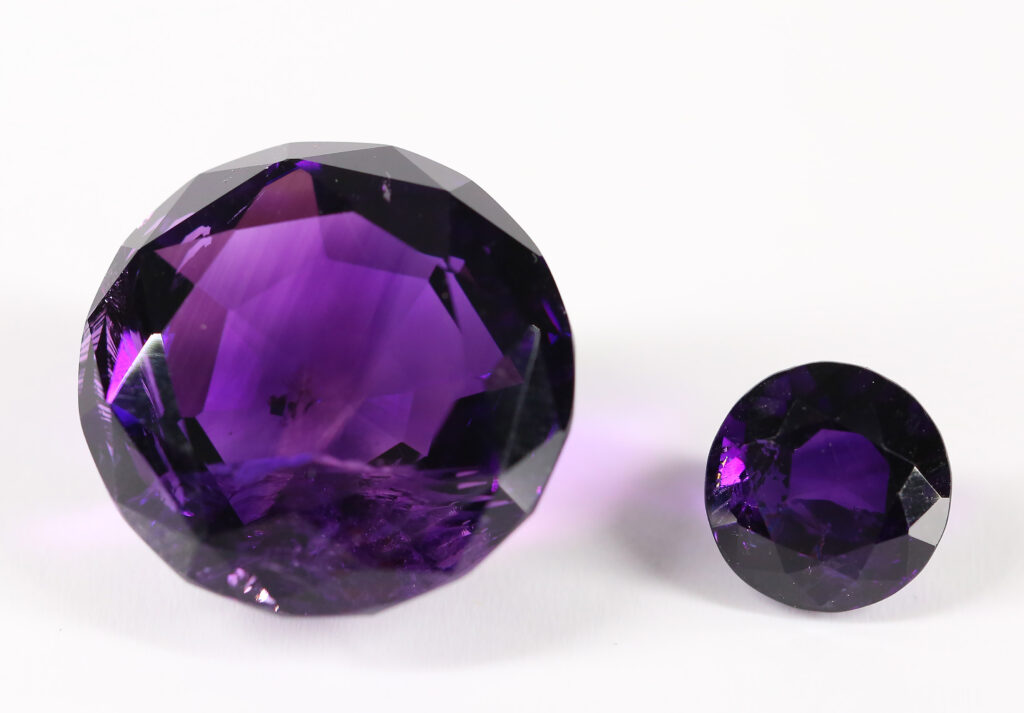
The inclusion of amethyst, in particular, warrants closer examination. While today it might not always be ranked alongside the more traditionally opulent gems, its historical standing as a cardinal gem underscores a crucial point: the rarity of fine quality gemstones was significantly more pronounced in antiquity. The resources and geological understanding of the time meant that stones we might now consider more accessible were once incredibly scarce and thus highly prized.
The Enduring Allure of Amethyst: Beyond Modern Valuations
Amethyst, renowned for its captivating shades of purple, held a special place in the ancient world. The colour purple itself was a potent symbol of high status and authority across numerous cultures, most notably within the Roman Republic and Empire. Its regal association extended into the Middle Ages, where it found a significant role within the Christian church. Bishops of the Catholic faith, for instance, often wore rings set with amethyst, signifying fidelity and celibacy – virtues deeply valued within the ecclesiastical hierarchy.
Beyond its symbolic and religious connotations, amethyst was also steeped in folklore and myth. Ancient beliefs attributed to it protective qualities, most famously as a ward against drunkenness and addiction. This perceived ability to maintain mental clarity was considered invaluable for prudent business dealings and maintaining composure in social settings. These beliefs, while not scientifically substantiated, highlight the profound cultural impact and deep-seated trust placed in the virtues of gemstones.
The Mystical and the Mundane: Ancient Beliefs and Gemstone Properties
The attribution of magical properties to gemstones is a phenomenon that spans millennia and cultures. From ancient times to the present day, a vast array of gemstones have been believed to possess diverse powers, ranging from attracting good fortune and preventing accidents to offering protection from malevolent forces and even serving medicinal purposes.
- Diamond: Revered for its unparalleled hardness and exceptional clarity, the diamond was believed to offer potent protection to soldiers in battle. Its unyielding nature also made it a symbol of purity and incorruptibility, qualities highly esteemed in various spiritual and philosophical contexts.
- Ruby: While not explicitly detailed in the provided text as a cardinal gem in the same vein as the others, rubies, known for their fiery red hue, were often associated with passion, vitality, and courage. Their rarity and vibrant colour made them symbols of power and prestige, often adorning the regalia of monarchs.
- Sapphire: The deep blue of the sapphire connected it intrinsically with royalty and the ecclesiastical realm. Its association with the heavens and divine wisdom made it a stone of contemplation and spiritual guidance.
- Emerald: The lush green of the emerald was linked to nature, fertility, and renewal. Beyond its aesthetic appeal, it was believed to offer protection to the home, safeguarding its inhabitants and guarding against the insidious effects of poison.
These beliefs, while rooted in ancient traditions, demonstrate a deep human desire to connect with the natural world and harness its perceived energies. The very act of attributing virtues to these stones speaks volumes about their perceived power and the human need for reassurance and good fortune.
A Chronological Journey Through Gemstone Significance
The appreciation and significance of these "cardinal gems" can be traced through various historical epochs:
Ancient Roots: Mesopotamia, Egypt, Greece, and Rome
In the cradle of civilization, gemstones were more than mere adornments.
- Mesopotamia: Early civilizations in Mesopotamia valued gemstones for their beauty, rarity, and perceived spiritual connections. Lapis lazuli, carnelian, and various types of quartz were used in seals, amulets, and decorative objects, often associated with deities and royal power. While not all of these align with the modern "cardinal gem" list, they highlight the foundational importance of precious stones.
- Ancient Egypt: The Egyptians were masters of lapidary arts, utilizing gemstones like turquoise, carnelian, and lapis lazuli extensively in jewellery, amulets, and funerary objects. Emeralds, often sourced from mines in the Eastern Desert, were particularly prized for their vibrant green colour and association with rebirth and immortality. The scarab beetle, often carved from amethyst, became a powerful symbol of regeneration and protection.
- Ancient Greece: The Greeks inherited much of their gemological knowledge from the Egyptians and Mesopotamians. They admired the beauty and symbolic power of stones like emeralds and sapphires, often incorporating them into their art and mythology. The word "gem" itself is derived from the Greek word "gemma," meaning bud or jewel.
- Classical Rome: The Romans elevated the status of gemstones to unprecedented levels. They were avid collectors and users of precious stones, incorporating them into elaborate jewellery, mosaics, and even as symbols of imperial power. Diamonds, though not as widely understood or cut as they are today, were beginning to be recognized for their exceptional hardness. Amethyst, with its purple hue, was particularly favoured by the Roman elite, mirroring the colour of imperial robes.
The Middle Ages: Symbolism and Spiritual Significance
During the Middle Ages, the role of gemstones evolved, with a greater emphasis placed on their symbolic and spiritual meanings, particularly within the burgeoning Christian faith.
- Ecclesiastical Power: As mentioned, amethyst held a special place in the regalia of Catholic bishops, signifying purity and devotion. The Church often incorporated precious stones into religious artifacts, chalices, and illuminated manuscripts, imbuing them with divine significance.
- Protective Charms: Belief in the protective powers of gemstones continued. They were worn as amulets and talismans to ward off evil, disease, and misfortune. Diamonds were still associated with strength and protection, while sapphires were linked to divine favour and wisdom.
- Royal Treasures: Monarchs and the aristocracy continued to adorn themselves with precious gems, using them to display wealth, power, and social standing. The rarity and expense of these stones made them exclusive markers of elite status.
The Renaissance and Beyond: Scientific Advancements and Evolving Aesthetics
The Renaissance marked a period of renewed interest in classical learning and a burgeoning scientific curiosity. This period also saw significant advancements in gem cutting and polishing techniques, leading to a greater appreciation of a gemstone’s inherent beauty and brilliance.
- Improved Cutting: The development of more sophisticated cutting methods allowed for gemstones to be faceted, enhancing their sparkle and fire. This led to a shift in aesthetic preferences, with brilliance becoming as important as colour and symbolism.
- Early Gemmological Study: While not yet a formalized science, early naturalists and scholars began to document and categorize gemstones, laying the groundwork for modern gemmology. The properties of diamonds, in particular, began to be more thoroughly understood due to their exceptional hardness.
- Exploration and Trade: Increased global exploration and trade routes brought new and previously unknown gemstones to Europe, expanding the palette of available precious stones.
The Modern Era: From Jewellery Promotions to Scientific Understanding
In the modern era, the term "cardinal gems" has seen a resurgence, often employed in jewellery promotions to evoke a sense of timeless elegance and inherent value. However, the understanding of these stones has also evolved dramatically.
- Gemmology as a Science: Gemmology, the study of gemstones, has emerged as a rigorous scientific discipline. Through advanced analytical techniques, gemmologists can now precisely identify, grade, and authenticate gemstones, moving beyond anecdotal beliefs and folklore.
- Economic Valuation: While historical significance still plays a role, the modern valuation of gemstones is largely determined by factors such as rarity, quality (cut, colour, clarity, carat weight), origin, and market demand.
- Ethical Sourcing: In recent decades, there has been a growing emphasis on the ethical sourcing of gemstones, with consumers and industry professionals alike demanding transparency and accountability in the supply chain.
Supporting Data: The Enduring Value of Cardinal Gems
The enduring appeal of the cardinal gems is reflected in their consistent presence in the global jewellery market and their often substantial market values. While specific figures fluctuate based on market conditions and individual stone quality, the general trend highlights their sustained desirability.
- Diamond Dominance: Diamonds continue to be the most sought-after and valuable of the cardinal gems, particularly those of high quality. The De Beers company’s historical marketing campaigns, though controversial, cemented the diamond’s status as a symbol of everlasting love and commitment. Auction records for exceptional diamonds frequently reach tens of millions of dollars.
- The Rise of Sapphires and Rubies: While historically valuable, sapphires and rubies have seen a significant surge in appreciation in recent decades. The demand for high-quality, vividly coloured sapphires (especially those from Kashmir and Sri Lanka) and rubies (particularly "pigeon’s blood" Burmese rubies) has driven their prices to new heights, often rivaling or even surpassing those of diamonds for comparable quality.
- Emerald’s Enduring Charm: Emeralds, despite their inherent fragility (often characterized by inclusions), remain highly coveted for their unique and vibrant green hue. Colombian emeralds, renowned for their exceptional colour and clarity, consistently fetch premium prices at auction.
- Amethyst’s Accessible Beauty: While amethyst may not command the astronomical prices of its cardinal counterparts, its beauty and historical significance ensure its continued popularity. Its affordability makes it accessible to a wider range of consumers, allowing them to own a piece of this historically important gemstone category.
Challenges in Historical Identification and Modern Interpretation

A critical aspect to consider when discussing historical gemstone terminology is the inherent difficulty in definitively identifying ancient stones.
- Ambiguous Terminology: Ancient texts often employed descriptive terms for gemstones that may not directly correspond to modern mineralogical classifications. A specific turn of phrase or a gem variety name used centuries ago might suggest a material that is not what we recognize today. For instance, historical accounts of "sapphires" might have referred to other blue gemstones, and early "emeralds" could have been varieties of green beryl or even glass imitations.
- The Importance of Scientific Testing: Gemmologists are understandably reluctant to definitively identify a historical stone unless it can be subjected to thorough scientific testing. The limitations of visual inspection and the potential for misidentification necessitate a rigorous, evidence-based approach.
- The Cautionary Tale of "Magical Properties": While the beliefs surrounding the magical properties of gemstones are fascinating from a historical and anthropological perspective, it is crucial to approach them with a degree of scientific skepticism. Ancient beliefs, though culturally significant, are not scientifically proven. As the article rightly advises, "we are advised not to put them to the test at home!"
Official Responses and Industry Perspectives
While there isn’t a formal "official response" to the concept of "cardinal gems" from any governing body, the gemological and jewellery industries certainly acknowledge their historical and commercial significance.
- Gemological Institutes: Organizations like Gem-A (The Gemmological Association of Great Britain), the Gemological Institute of America (GIA), and others recognize and educate about the historical context of gemstones. Their courses and publications often delve into the history of gem usage and the evolution of terminology.
- Jewellery Industry Marketing: As noted, the term "cardinal gems" is often employed by the jewellery industry to lend an air of prestige and historical weight to promotional campaigns. This reflects the enduring consumer fascination with the lore and lineage of precious stones.
- Auction Houses and Valuers: Leading auction houses and gem valuers routinely handle and appraise the cardinal gems. Their expertise in assessing quality, rarity, and market trends directly informs the contemporary understanding and valuation of these stones.
Implications: The Enduring Legacy of the Cardinal Gems
The concept of "cardinal gems" serves as a powerful reminder of the deep and multifaceted relationship between humanity and the natural world. These stones, chosen for their rarity, beauty, and perceived virtues, have woven themselves into the fabric of human history, culture, and belief systems.
- Cultural Continuity: The enduring appeal of these stones speaks to a desire for continuity and connection to the past. They represent a tangible link to ancient civilizations, their myths, and their understanding of the world.
- Symbolism and Personal Meaning: Beyond their monetary value, cardinal gems continue to hold profound symbolic meaning for individuals. Diamonds for commitment, sapphires for wisdom, emeralds for hope – these associations resonate deeply and contribute to their continued desirability.
- The Evolution of Appreciation: The journey of the cardinal gems from objects of mystical belief to subjects of scientific study reflects humanity’s ongoing quest for knowledge and understanding. While we may no longer attribute magical powers to them, our appreciation for their geological origins, chemical compositions, and physical properties has only deepened.
- A Foundation for Further Learning: The historical significance of these gems, as explored in this article, often serves as an entry point for individuals interested in the broader field of gemmology. Courses like Gem-A’s GemIntro, as highlighted, provide a structured pathway to understanding these and other important gemstones, fostering a deeper appreciation for their scientific and historical context.
Conclusion
The "cardinal gems" – diamond, ruby, sapphire, emerald, and amethyst – are more than just precious stones; they are historical artifacts, cultural touchstones, and enduring symbols of beauty and value. Their journey through millennia, from the ancient cradles of civilization to the modern world of scientific gemmology and global markets, is a testament to their intrinsic allure. While the terminology and understanding surrounding them may have evolved, their fundamental significance as objects of profound human appreciation remains undiminished. The study of these "cardinal gems" offers a captivating glimpse into our shared past and continues to illuminate the enduring human fascination with the treasures of the Earth.



