

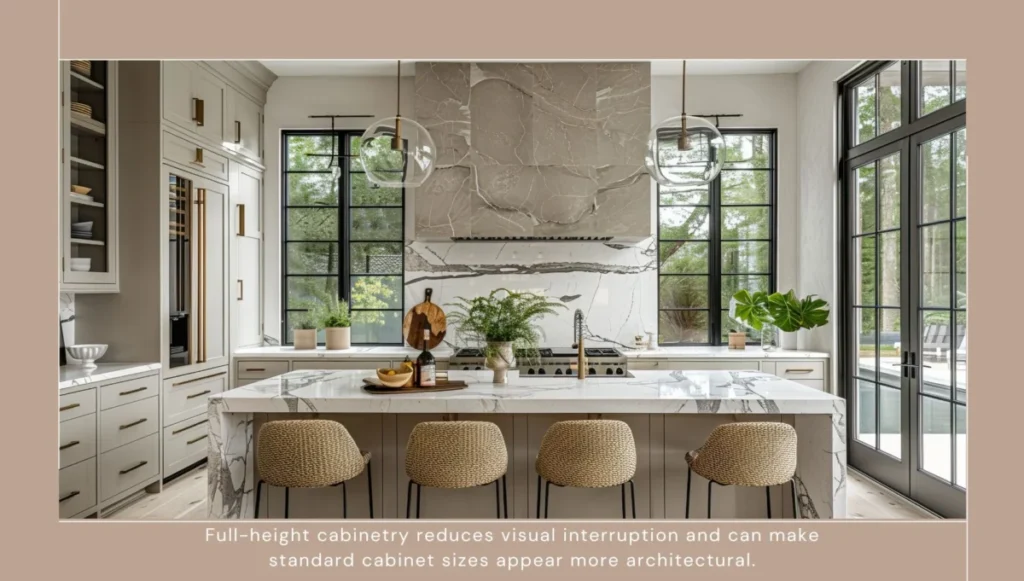
The modern kitchen has evolved from a purely functional utility space into the architectural centerpiece of the contemporary home. Yet, a common misconception persists among homeowners: the belief that a “luxury” kitchen is solely the product of exotic stone slabs, designer appliances, and bespoke millwork. In reality, the most sophisticated kitchens—those that exude an air of timeless elegance—often rely less on the raw price of their components and more on the precision of their assembly, the harmony of their proportions, and the intentionality of their details.
For the budget-conscious renovator, this realization is liberating. By shifting the focus from high-cost prestige materials to the structural integrity and visual discipline of the installation, one can achieve a high-end finish that stands the test of time.
The Foundation of Value: Prioritizing Structural Integrity
The difference between a kitchen that looks "off-the-shelf" and one that feels custom-built often lies in what the eye doesn’t immediately notice. When operating under a controlled budget, it is critical to resist the urge to spread funds thinly across every surface. Instead, resources should be concentrated where construction quality is either visually prominent or subject to the mechanical rigors of daily use.
Cabinetry serves as the primary example. Because cabinets occupy the vast majority of a kitchen’s visual field, any weakness in their construction—such as sagging shelves, misaligned doors, or visible seams—becomes the focal point of the room. A high-end finish requires "silent" components: drawers that glide with weight, hinges that operate with resistance, and frames that remain perfectly square.
Chronology of a Smart Renovation
Achieving a luxury finish requires a shift in the traditional timeline of a kitchen project. Rather than rushing to select materials, the process must prioritize planning and structural resolution.
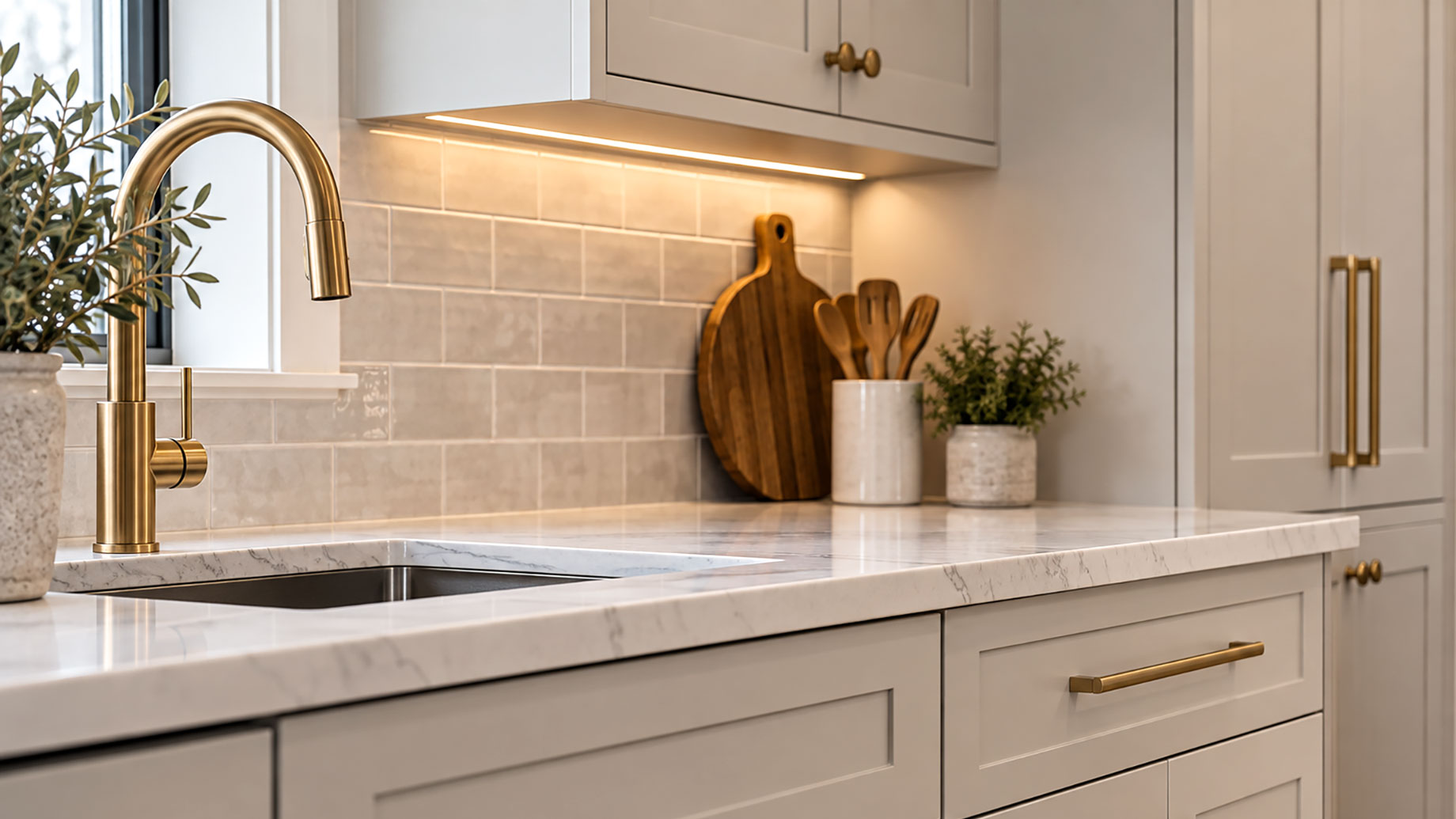
Phase 1: Planning and Precision (Weeks 1–4)
The most successful kitchens begin on paper. This stage involves meticulous measuring, including verifying that walls and floors are level—a common necessity in older homes. Engaging with companies that offer professional, one-to-one design assistance (such as RTA Wood Cabinets) can bridge the gap between a standard renovation and a bespoke result. By utilizing 3D layouts and itemized quotes, homeowners can identify potential "problem zones"—awkward gaps, appliance clearances, and uneven corners—long before the first box is opened.
Phase 2: Component Selection (Weeks 5–8)
Once the plan is finalized, focus shifts to hardware and cabinet construction. Choosing cabinetry based on build specifications—such as plywood boxes over particleboard, and solid-wood face frames—ensures the longevity of the installation. This is the period where "hidden" costs prove their worth: dovetail drawer joints and soft-close mechanisms are not merely luxuries; they are the indicators of a kitchen designed for the long haul.
Phase 3: The Installation (Weeks 9–12)
Installation is the "make or break" phase. This is when the transition from a collection of parts to a cohesive room occurs. Skilled installers treat the kitchen as millwork rather than modular boxes. They scribe fillers to walls, ensure toe kicks run in unbroken lines, and adjust hinges until reveals (the gaps between doors) are uniform to the millimeter.
Supporting Data: Where Costs Translate to Quality
To understand where to allocate a budget, one must analyze the "return on perception." Data from interior design trends consistently show that homeowners who invest in high-quality hardware and professional-grade installation see a higher perceived value in their home than those who invest in expensive, high-maintenance stone.
- The 70/30 Rule: Successful renovators typically spend 70% of their budget on the structural bones (cabinets, installation, and lighting) and 30% on the aesthetic surface elements (hardware, tiles, and fixtures).
- The Impact of Lighting: Research into human-centric design indicates that lighting can change the perceived value of materials. A high-end kitchen with poor lighting feels flat, while a moderate-cost kitchen with layered, high-CRI (Color Rendering Index) lighting feels luxurious and intentional.
- Hardware Weight: Tactile feedback is a psychological indicator of quality. Studies in consumer product design suggest that heavier, solid-metal hardware creates a sensory impression of value that lighter, hollow alternatives cannot match.
Official Perspectives: The Philosophy of "Less, but Better"
Industry experts often argue that the most expensive-looking kitchens are actually the most restrained. By avoiding the temptation to mix too many materials, textures, or colors, a kitchen maintains a sense of calm.
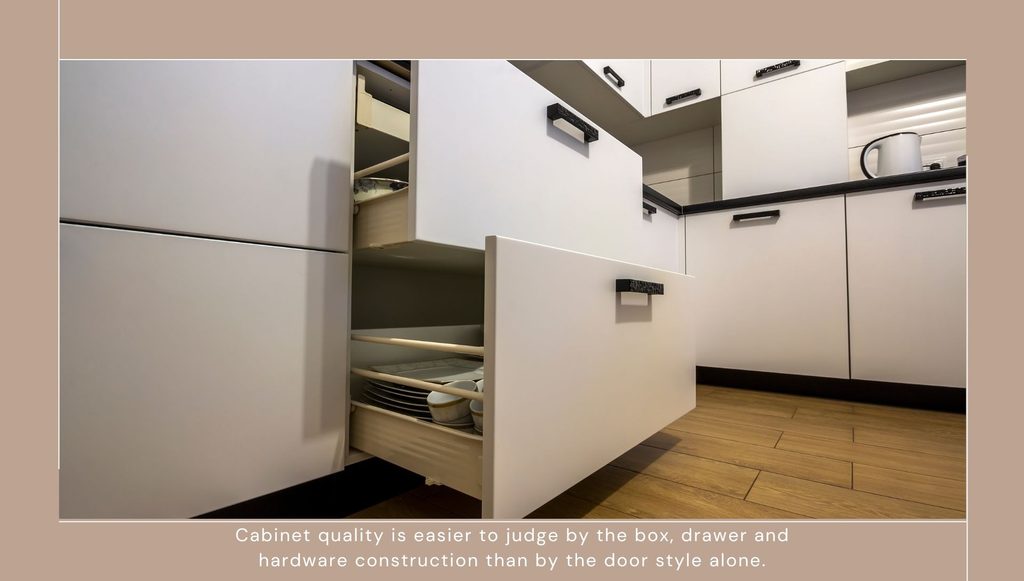
"A kitchen’s presence is defined by its architectural lines," notes one design consultant. "If you have a chaotic backsplash, busy stone patterns, and aggressive cabinet hardware, the eye doesn’t know where to rest. Luxury is the absence of distraction."
This principle is echoed in the industry’s shift toward "invisible" upgrades. Whether it is using a mitered edge on a countertop to create the illusion of a thicker, more solid slab, or selecting matte-finish hardware that avoids the "cheap shine" of low-grade metallic coatings, the goal is to make the room feel as if it were carved out of a single, cohesive vision.
Implications: The Long-Term Value of Discipline
The implications of this "precision over prestige" approach are significant for homeowners. A kitchen built with high-quality hinges and well-aligned cabinetry will remain functional for decades. Conversely, a kitchen that relies on "trendy" materials will inevitably look dated as styles shift.
The Role of Lighting in Architectural Definition
Lighting is the final, and perhaps most crucial, layer of the high-end aesthetic. It is no longer enough to have a central ceiling light. A truly luxurious kitchen utilizes three distinct layers:
- Task Lighting: Under-cabinet LEDs that illuminate work surfaces directly, eliminating shadows.
- Ambient Lighting: Recessed or track lighting that provides general illumination without creating "hot spots" on floors.
- Decorative Lighting: Pendant fixtures or wall sconces that act as the jewelry of the room, defining the aesthetic identity.
By using diffusers on LED strips, the reflection of "dotted" light on glossy countertops—a hallmark of poorly planned kitchens—is avoided, creating a clean, professional finish that enhances the texture of the backsplash and the warmth of the wood.
Conclusion: Finalizing the Vision
Ultimately, the goal of a budget-conscious renovation is not to disguise the fact that you saved money, but to ensure the final result lacks the "careless" details that define budget renovations. A kitchen is a machine for living; when it is built with care, that performance becomes its own form of luxury.
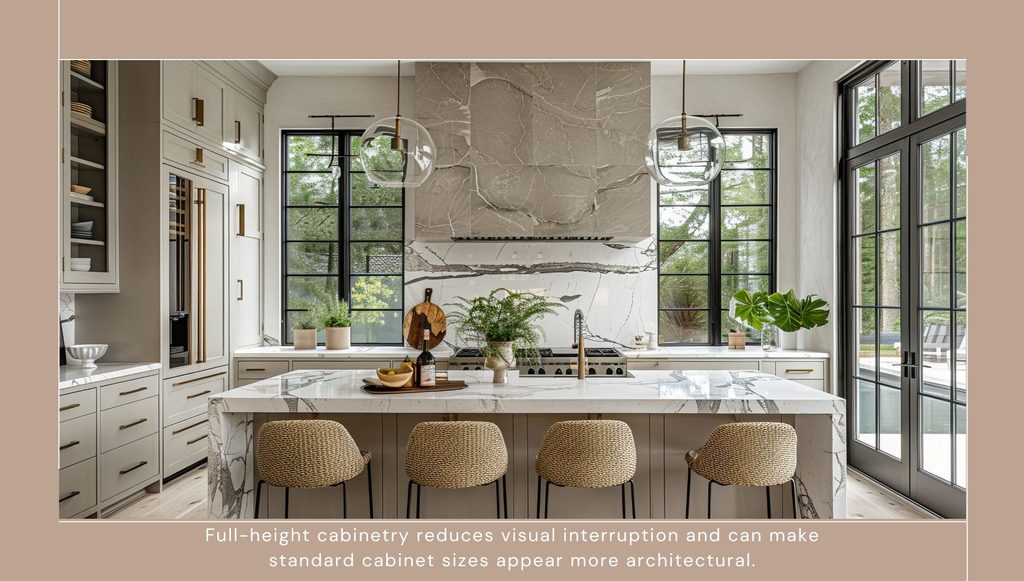
By choosing cabinets based on their structural merits, installing hardware with disciplined spacing, taking cabinetry to the ceiling to create a built-in look, and focusing on the precision of millwork transitions, any homeowner can bridge the gap between a standard renovation and a high-end finish. Remember: you are not just building a kitchen; you are creating a foundation. Prioritize the elements that are difficult to change—the bones of the cabinets, the quality of the fabrication, and the layout—and save the decorative flourishes for last. In the world of interior design, the most expensive-looking kitchens are not the ones that spent the most, but the ones that thought the most.



