In the high-stakes world of luxury fashion, the secondary market has evolved from a niche corner for vintage enthusiasts into a definitive barometer for brand relevance and economic health. According to the 2026 Resale Report released by industry giant The RealReal, the hierarchy of desire remains dominated by storied French houses, yet the driving forces behind this demand are shifting rapidly. As consumers become increasingly sophisticated, the resale market is no longer just a place to find a bargain; it has become a strategic investment landscape where creative leadership and archival value dictate the price of entry.
The Reign of the Creative Director: A Catalyst for Demand
Perhaps the most significant revelation in this year’s data is the undeniable correlation between creative leadership and search volume. The RealReal’s findings indicate that a designer’s appointment is no longer just a headline—it is an immediate market mover.
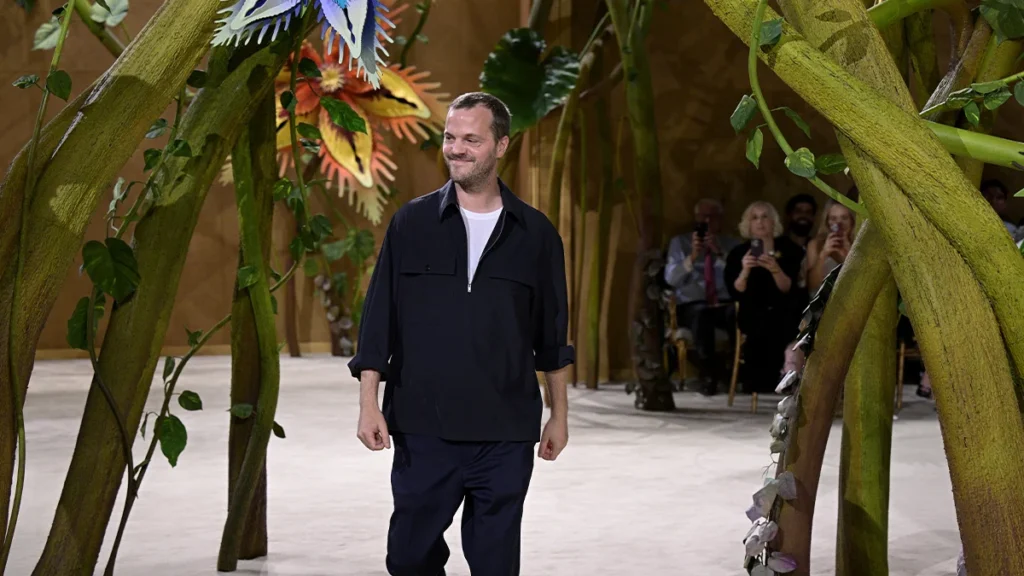
Chanel has officially secured the title of the most-searched brand on the platform this year, a testament to the house’s enduring legacy. However, the most explosive growth in the report is attributed to Matthieu Blazy. Since his arrival at his current fashion house in late 2024, Blazy has ignited a wildfire of interest. His collections have captivated both digital critics and physical consumers, resulting in a staggering 10,967 percent increase in searches for his name on the platform.
This phenomenon is not isolated. The "creative director effect" is reshaping the competitive landscape. Sarah Burton’s influence at Givenchy has translated into a 243 percent uptick in interest, while Jonathan Anderson’s tenure at Dior has seen his brand presence jump by 158 percent. These figures suggest that modern luxury consumers are not merely buying a logo; they are investing in the specific artistic narrative curated by the individuals at the helm of these legacy institutions.
The Hierarchy of Luxury: Top Brands by Search Volume
While individual designers drive momentum, the bedrock of the resale market remains anchored by established powerhouses. Following Chanel at the top of the leaderboard, the landscape of most-searched brands reads like a roll call of global fashion royalty:
- Chanel
- Louis Vuitton
- Prada
- Gucci
- Miu Miu
The second tier of the top ten reflects a sophisticated blend of heritage and contemporary edge, featuring The Row, Hermès, Saint Laurent, Bottega Veneta, and Balenciaga. This list illustrates a clear preference among consumers for brands that maintain high-quality craftsmanship and possess a strong, identifiable aesthetic. Miu Miu’s inclusion in the top five, in particular, highlights the brand’s meteoric rise from a quirky secondary label to a primary driver of global fashion trends.
A Deep Dive into Data: The Appreciation of Icons
The economic data provided by The RealReal’s 2026 report offers a fascinating look at the long-term value of luxury goods. For those who view fashion as an asset class, the numbers are compelling.

The average sales price for iconic bags has seen an extraordinary upward trajectory over the last decade. Consider the Fendi Baguette, once a staple of early 2000s street style. In 2016, the average resale price for a pre-owned Baguette sat at $294. Today, that same bag commands an average of $3,012. Similarly, the Gucci Jackie has seen its average price climb from $260 to $1,110.
These figures are not merely reflective of inflation; they speak to a fundamental shift in how consumers perceive value. The concept of "vintage"—defined by The RealReal as items 15 years or older—has seen demand skyrocket by 432 percent since 2020. This surge is fueled by a generational shift in values, where sustainability meets a hunger for unique, historical pieces that cannot be replicated by current mass-production cycles.
Furthermore, the influence of specific design trends—such as the Belle Époque-inspired drop-waists and the use of rich, tactile textures championed by Blazy and Anderson—has created a "halo effect" on the market. Consumers are hunting for vintage pieces that mirror these modern runway aesthetics, effectively bridging the gap between historical archives and contemporary style.
The Savvy Consumer: Investing in Resale Value
The modern shopper is arguably the most informed in history. The 2026 report reveals that 93 percent of American luxury shoppers are now actively turning to online resale platforms as a primary destination for their acquisitions.
Perhaps most striking is the shift in purchasing psychology: 47 percent of surveyed consumers now consider the potential resale value of an item before they make an initial purchase. This indicates that luxury fashion is increasingly being treated as a personal portfolio.
The rationale for this behavior is grounded in empirical evidence. For instance, Hermès Birkin bags have appreciated by 92 percent over the last ten years, consistently outperforming many traditional financial assets. When shoppers realize that their "splurge" could potentially double in value or retain significant equity, the barrier to entry for high-ticket items becomes much lower. It is a cycle of "savvy consumption," where the desire for luxury is balanced by the security of residual value.
Implications for the Future of Retail
What does this mean for the future of the luxury industry? First, it suggests that the lines between primary and secondary markets are blurring. Brands that ignore the resale value of their products risk losing relevance. We are seeing a future where luxury houses may begin to integrate circularity into their business models more aggressively—perhaps through verified pre-owned programs or increased transparency regarding the provenance and durability of their goods.

Second, the power of the creative director is at an all-time high. In an era of digital saturation, the "visionary" designer is the only entity capable of cutting through the noise. Investors and stakeholders should look toward high-level talent acquisitions as the primary indicator of a brand’s future growth potential on the resale market.
Finally, the shift toward vintage highlights a growing disillusionment with the "fast fashion" cycle. Consumers are looking for longevity. They want pieces that have survived 15 years and are likely to survive 15 more. This demand for quality—and the willingness to pay for it—is a positive sign for the industry, suggesting that the future of fashion will be defined by durability and intentional design.
Conclusion
The 2026 Resale Report by The RealReal is more than just a list of popular items; it is a document of cultural and economic transformation. By tracking the rise of visionary designers like Matthieu Blazy and the incredible appreciation of heritage icons, we can see a market that is maturing.
As consumers become more discerning, the brands that win will be those that balance creative innovation with enduring craftsmanship. The secondary market is no longer an afterthought—it is the ultimate proving ground. Whether you are a casual shopper looking for a piece of history or a strategic investor eyeing the next Hermès-level appreciation, the message is clear: the most valuable asset in your closet is the one that tells a story, stands the test of time, and carries the mark of a true visionary.
In the coming years, we expect this "resale renaissance" to continue to challenge the status quo, pushing brands to elevate their standards and consumers to become even more tactical in their pursuit of luxury. The hunt for the perfect piece has officially become a full-time pursuit, and the rewards—both aesthetic and financial—have never been higher.