
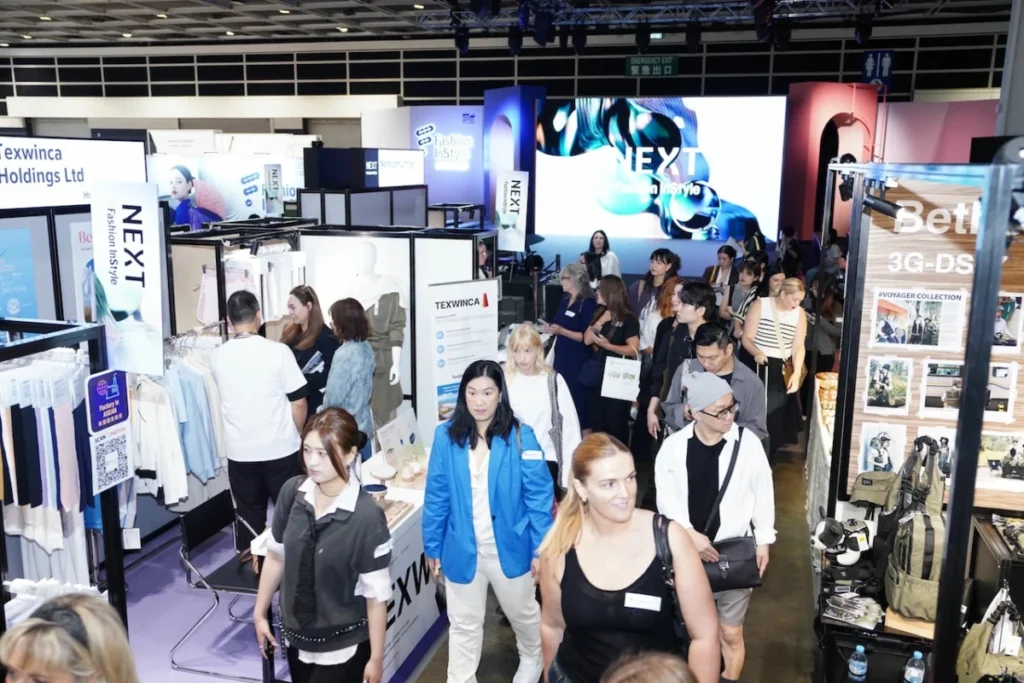
The global fashion landscape stands at a precarious and exciting crossroads. As consumer demand shifts toward radical transparency, circularity, and high-performance functionality, the industry is no longer looking merely at silhouettes, but at the very molecular structure of the clothes we wear. From April 27 to 30, 2026, the Hong Kong Convention and Exhibition Centre (HKCEC) will become the global epicenter of this transformation as NEXT@Fashion InStyle returns as the centerpiece of the highly anticipated Fashion InStyle 2026 fair.
Organized by the Hong Kong Trade Development Council (HKTDC), this event has cemented its reputation as Asia’s premier nexus for the global fashion supply chain. By bridging the gap between raw material science and high-end design, the fair offers a comprehensive one-stop sourcing platform for manufacturers, designers, and international buyers.
The Core Mandate: Bridging Innovation and Industry
The NEXT@Fashion InStyle zone is not merely an exhibition; it is a laboratory for the future. Supported by the Cultural and Creative Industries Development Agency, the zone is designed to spotlight emerging materials and experimental production techniques. In an era where "sustainability" is a baseline requirement rather than a unique selling point, the 2026 edition shifts the narrative toward material intelligence.
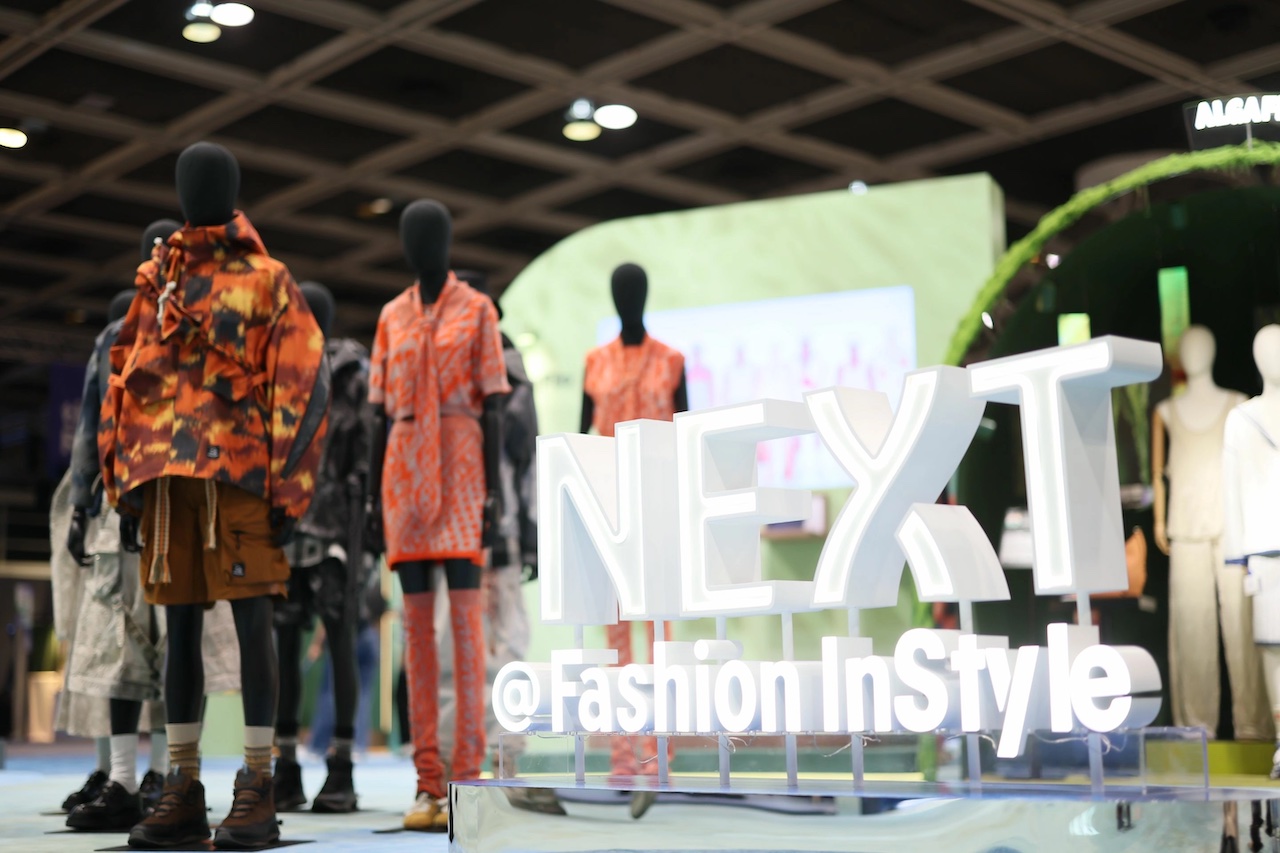
The exhibition is structured around three critical pillars: Cultural & Heritage, Sustainability, and Technology & Functionality. These themes reflect the dual demand of the modern market—the desire for deep-rooted storytelling through traditional craft and the absolute necessity for high-performance, eco-responsible technical fabrics.
Chronology and Strategic Partnerships
The road to the 2026 exhibition has been defined by international collaboration. A standout feature this year is the designation of the Philippines as the official featured partner. This strategic alliance, facilitated by the Philippine Trade and Investment Center – Hong Kong (PTIC) and the Center for International Trade Expositions and Missions (CITEM), marks a significant step in integrating Southeast Asian craftsmanship into the global high-fashion supply network.
- April 20–26 (Pre-Event): Launch of the digital "EXHIBITION+" phase, utilizing the Click2Match platform and hktdc.com Sourcing to facilitate global business connections before doors open.
- April 27–30 (The Exhibition): The physical event at HKCEC, featuring the "Fashion Shock" showcase, seminars, and networking sessions.
- May 1–7 (Post-Event): Continued digital accessibility and follow-up business matching, ensuring that the momentum generated during the fair translates into long-term commercial contracts.
The "Fashion Shock" Showcase: A Curatorial Masterclass
Returning as the ambassador for the NEXT zone is Han Chong, the visionary founder and creative director of the London-based label Self-Portrait. Chong’s involvement brings a level of design-led rigor that is often missing from trade-focused events. His role is to bridge the gap between "experimental material" and "wearable luxury."
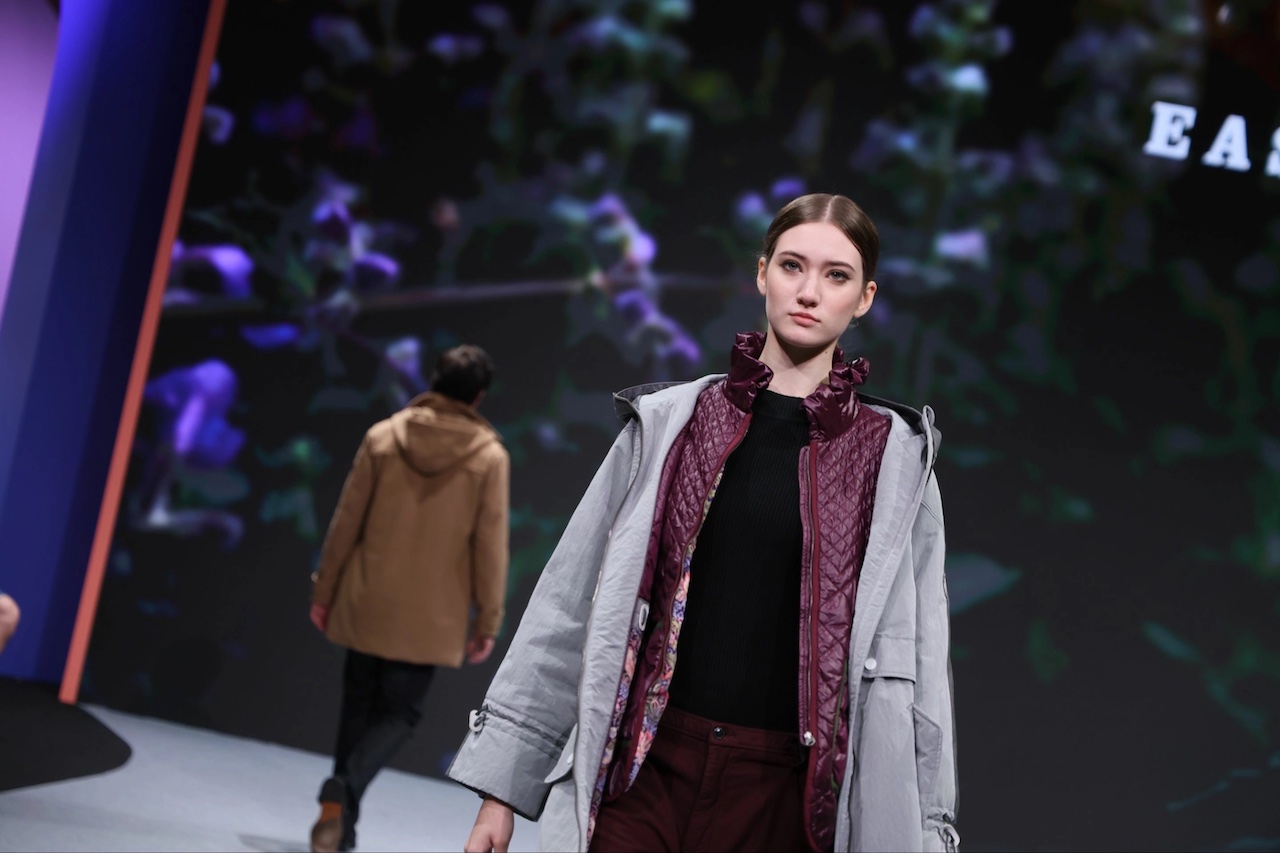
Under Chong’s curatorial guidance, six emerging Hong Kong designers have been paired with eight global material suppliers to produce five cross-disciplinary projects. These projects represent a "Fashion Shock"—a deliberate attempt to disrupt traditional garment construction through unconventional material application.
Deep Dive: Featured Design Projects
The projects selected for the 2026 showcase offer a glimpse into the future of manufacturing:
- AlgaFila and Nanoflex (Toki Wong & Lusana Xu): By integrating the 100% biodegradable AlgaFila with the resilient, elastic Nanoflex, the designers have created a garment that challenges the durability-sustainability trade-off. Their work utilizes advanced dyeing techniques that significantly reduce water consumption without compromising color vibrancy.
- Tencel Denim and Sustainable Leather (Jason Ying): Ying’s collection addresses the sensory experience of the wearer. By combining the fluidity of Tencel denim with sustainable leather accents and intricate knit accessories, he creates a tactile contrast that redefines the "urban uniform."
- Ponder.er’s Structural Manipulation: This experimental label focuses on custom-developed textiles. By altering fibre structures at the construction level, Ponder.er demonstrates that the future of fashion lies in creating materials that are tailored to the garment’s specific form and function, rather than relying on off-the-shelf fabrics.
- WILSONKAKI’s Mycelium Collage: Pushing the boundaries of biomaterials, WILSONKAKI incorporates mycelium-based fibers and ultra-light H2 materials. The collection uses collage-style construction to blend organic textures with synthetic high-performance layers.
- Tigerstrolling’s Heritage-Modernity Hybrid: In a nod to cultural continuity, this project fuses traditional Song brocade—an intangible cultural heritage textile—with modern denim. This juxtaposition illustrates how history can be preserved through contemporary, high-fashion utility.
Supporting Data: The Scale of Global Engagement
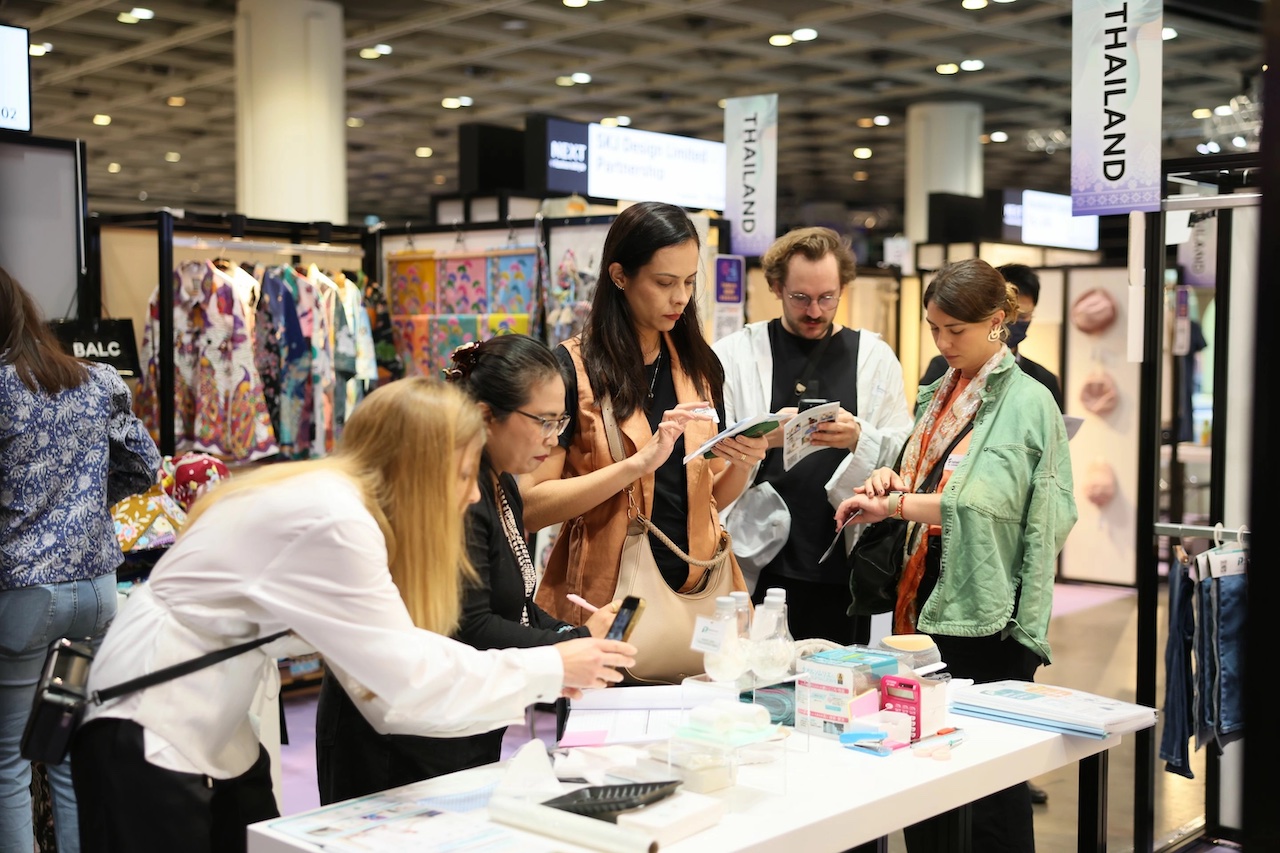
The scope of Fashion InStyle 2026 is immense, reflecting the recovery and expansion of the regional fashion economy. The event will host hundreds of exhibitors across highly specialized zones, ranging from textile manufacturing hubs to cutting-edge fashion technology firms.
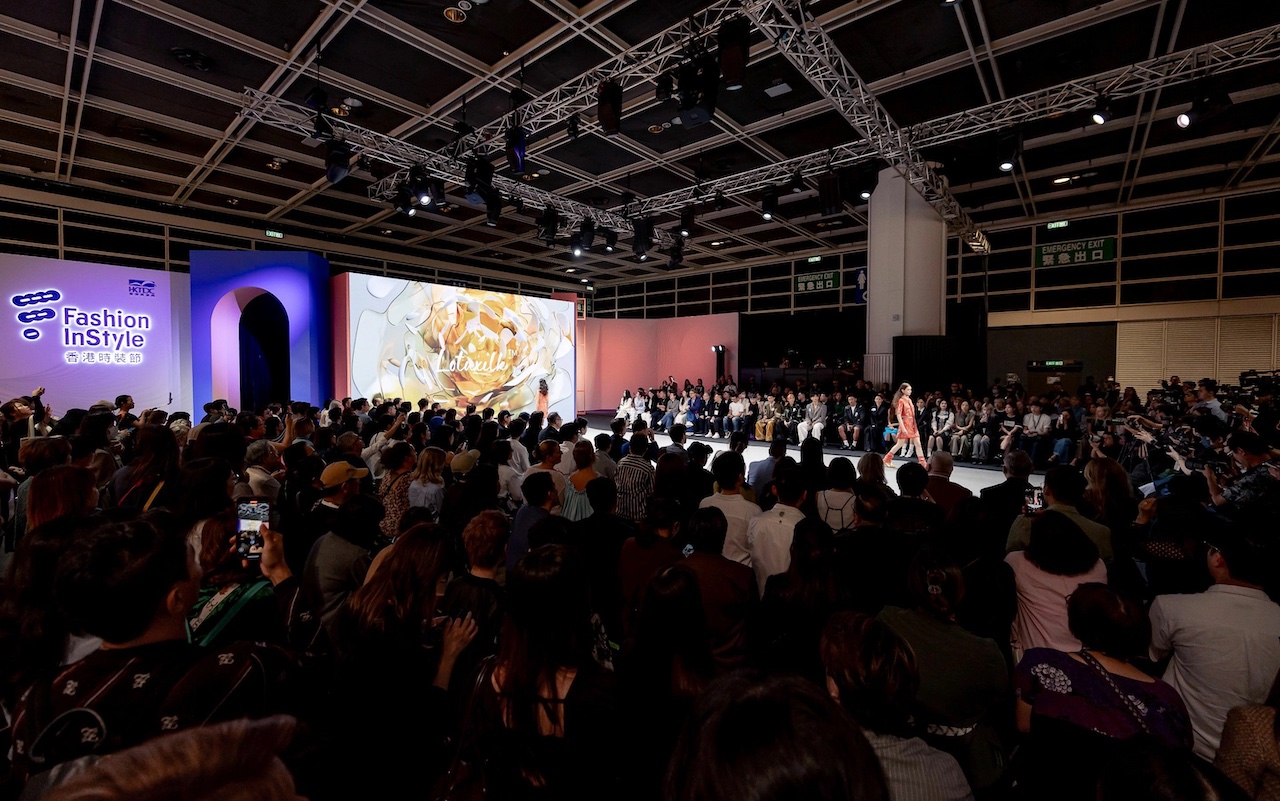
The Philippine delegation alone contributes 30 high-quality suppliers to the NEXT zone, showcasing the country’s growing capability to produce high-value, export-ready materials. They will be joined by approximately 60 other international exhibitors, ensuring a diverse range of perspectives. The co-location with the Home InStyle and the Hong Kong Gifts & Premium Fair creates a unique ecosystem of cross-industry sourcing, allowing buyers to move seamlessly between fashion, home aesthetics, and packaging solutions.
Industry Perspectives: The Necessity of Dialogue
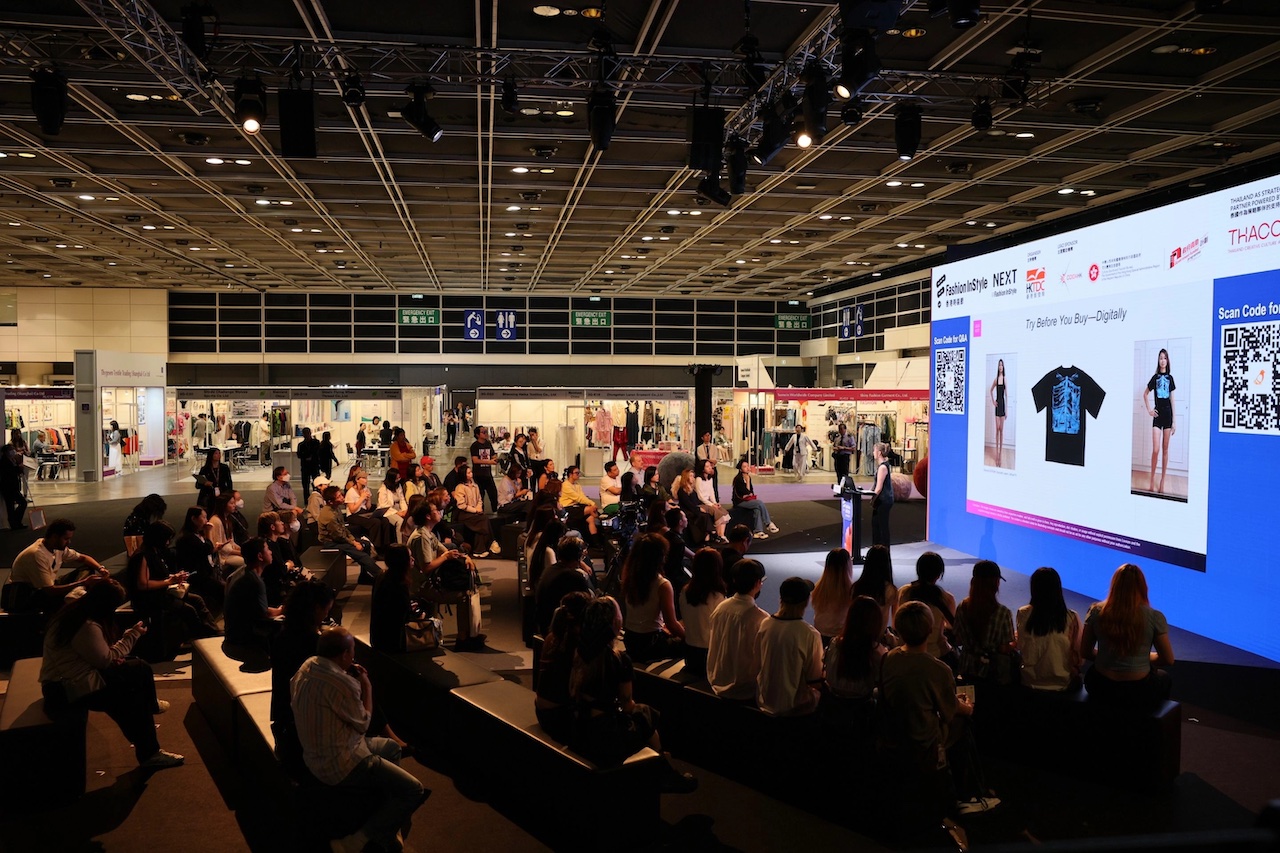
Beyond the exhibition floor, the fair hosts an intensive seminar program designed to address the "macro-pressures" currently facing the industry. These sessions are intended to provide actionable intelligence for business leaders. Key topics include:
- Circular Economy Integration: Strategies for scaling closed-loop production cycles.
- The Tech-Craft Nexus: How AI and data-driven design can support—rather than replace—traditional craftsmanship.
- Regulatory Compliance: Navigating the increasingly complex global landscape of ESG (Environmental, Social, and Governance) reporting in fashion.
"The industry is at a point where we are no longer asking if we should be sustainable, but how we can be sustainable while growing," says a spokesperson for the HKTDC. "NEXT@Fashion InStyle is where the ‘how’ is answered."
Implications for the Global Market
The implications of the 2026 edition are far-reaching. By adopting the EXHIBITION+ hybrid model, the HKTDC is acknowledging that modern sourcing is a year-round, digital-first activity. The reliance on the Click2Match platform suggests that the future of trade fairs is not just about physical presence, but about the quality of the data and business connections facilitated through technology.
Furthermore, the focus on "Material Innovation" signals a shift in the hierarchy of the fashion supply chain. Suppliers are no longer "vendors"; they are becoming "innovation partners." Brands that fail to integrate these new, experimental materials into their product pipelines risk falling behind in a market that is increasingly defined by the provenance and performance of the raw fabric.
Conclusion: Setting the Agenda for 2026 and Beyond
As the fashion industry grapples with the dual challenges of climate change and shifting consumer values, events like NEXT@Fashion InStyle provide a vital roadmap. By providing a stage for cross-disciplinary collaboration—where the scientist meets the couturier, and the tradition of the East meets the innovation of the West—the event serves as a catalyst for meaningful change.
For professionals, designers, and buyers attending the Hong Kong Convention and Exhibition Centre this April, the takeaway is clear: the next chapter of fashion will not be written in the design office alone, but in the laboratory. Whether through mycelium-based fibers, biodegradable algae textiles, or the preservation of ancient brocades, the 2026 edition of Fashion InStyle is prepared to set the global agenda for years to come.
Quick Links for Attendees: