
The retail landscape is currently defined by a tug-of-war between legacy leadership and the relentless push for modern agility. From the boardroom battles at historic furniture staples to the strategic pivot toward experiential marketing, the industry remains in a state of constant flux. As we digest the events of the past week, it is clear that retail is no longer just about the transaction; it is about the narrative, the leadership, and the ability to adapt to a changing demographic.
This report synthesizes the most critical shifts in the retail sector, ranging from high-stakes CEO searches to the nuanced performance metrics of e-commerce giants.
I. The Executive Shuffle: Leadership Transitions and Political Aspirations
The modern retail executive is increasingly finding their skill sets transferable to arenas far outside the shopping mall. This week highlighted a trend of retail veterans stepping into new, high-profile roles, as well as the quiet reshuffling of leadership within growing lifestyle brands.
The Retail-to-Politics Pipeline: Helena Foulkes
Perhaps the most notable career pivot this week comes from Helena Foulkes, a seasoned veteran of the retail sector and a current member of the Costco board. Having served as the CEO of Hudson’s Bay Company and spent over two decades at the helm of CVS Pharmacy, Foulkes has successfully secured the Democratic nomination for the Governor of Rhode Island.
Foulkes’ victory over incumbent Dan McKee in the primary reflects a growing trend of voters looking toward business-oriented leaders to solve complex state-level issues. Her platform, which emphasizes the modernization of healthcare, the mitigation of rising utility costs, and a robust investment in technical education, resonates with a public tired of stagnant policy. Having run unsuccessfully four years ago, her persistence underscores a transition from retail management to public service management, where operational efficiency and scale are being pitched as assets for governance.
Rifle Paper Co. Strengthens its Executive Bench
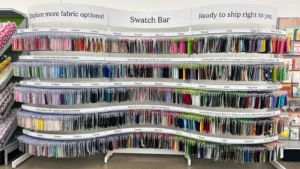
In a move focused on brand maturation, stationery and home lifestyle brand Rifle Paper Co. has officially announced the appointment of Carey Ann Campbell as its CEO. Campbell, who has been quietly steering the ship since April, brings a wealth of experience from the apparel world, most notably from Southern Tide.
This appointment is a clear signal from founders Anna and Nathan Bond that the brand is entering a phase of structured expansion. With a flagship location already anchoring Winter Park, Florida, the company is doubling down on its physical presence with a new store opening in Tampa this fall. The shift suggests that for niche lifestyle brands, the transition from "founder-led" to "executive-led" is a necessary evolution to survive the current competitive climate.
II. Chronology of Events: A Week in Review
The pace of retail news remains blistering. To understand the current trajectory, it is helpful to look at the timeline of the most impactful developments from the past seven days:
- Monday: The aftermath of the Rhode Island primary results confirms Helena Foulkes’ pivot to the general election, signaling a new chapter for retail-experienced candidates in politics.
- Tuesday: Chewy releases its Q2 2026 financial results, revealing a resilient but cautious pet sector grappling with reduced discretionary spending.
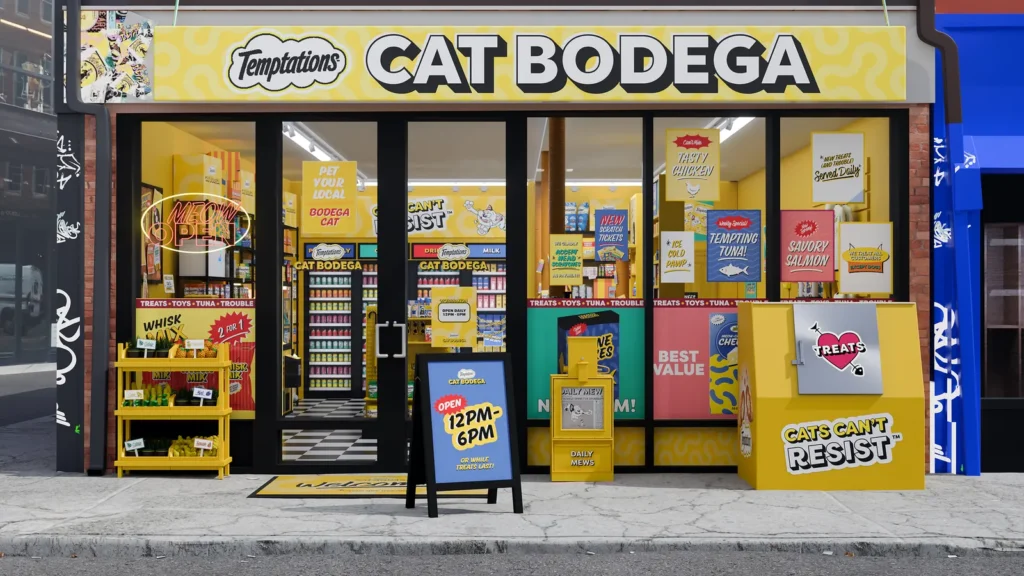
- Wednesday: Mars Pet Nutrition’s "Temptations" brand announces an immersive "Cat Bodega" pop-up in New York City, demonstrating the industry’s continued reliance on experiential, social-media-friendly marketing.
- Thursday: The activist campaign against Ethan Allen reaches a fever pitch as financier Doug Bergeron launches a formal, independent search for a new CEO to replace the 82-year-old incumbent, Farooq Kathwari.
III. Supporting Data: The Pulse of Pet Retail
While fashion and home goods capture headlines, the pet retail sector continues to provide the most reliable barometer for consumer sentiment. Chewy’s latest financial disclosures offer a sobering look at how inflation and changing habits are impacting household budgets.
The Chewy Analysis
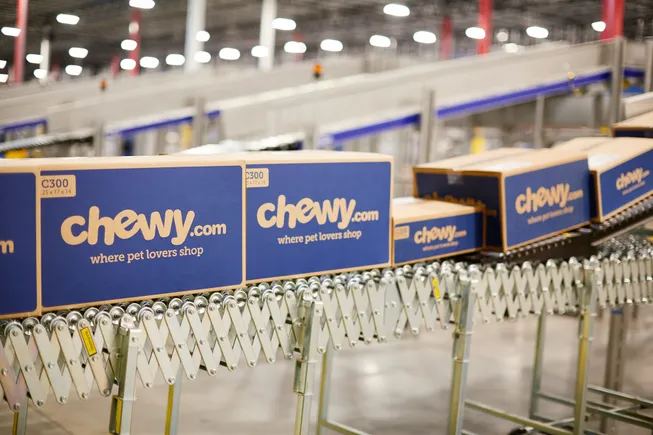
Chewy reported a 7.3% increase in net sales for the second quarter, bringing their total to $3.3 billion. However, a deeper dive into the numbers reveals that this growth is heavily bolstered by strategic acquisitions, such as SmartPak and Modern Animal. When stripping away these inorganic gains, organic growth sits at a more modest 5.7%.
The data highlights a significant "Autoship" dependency; subscription revenue grew by 9.3%, proving that while consumers are pulling back on discretionary, one-time purchases, they remain committed to recurring, essential pet care. According to CFO Chris Deppe, the "treat" category has seen a sharper deceleration in growth compared to essential food products. This confirms a broader economic reality: even pet owners are cutting back on "little luxuries" to prioritize the essentials. Despite these headwinds, Chewy has raised its full-year guidance, projecting net sales between $13.46 billion and $13.57 billion, signaling that the company expects to maintain its dominant market position despite a tighter consumer wallet.
IV. Official Responses and The "Ethan Allen" Conflict
The most contentious story of the week involves the governance of Ethan Allen. The clash between activist investor Doug Bergeron and long-time CEO Farooq Kathwari is a classic corporate governance struggle, pitting the desire for "fresh blood" against the legacy of a 38-year tenure.

The Activist Argument
Doug Bergeron, representing a significant stake of over 5% in Ethan Allen, has been vocal about his dissatisfaction. His argument centers on age and market share. "Farooq Kathwari deserves a lot of credit for the company that he’s been running for 38 years, but he’s 82 years old," Bergeron stated. His critique is pointed, accusing the current leadership of losing market share regardless of the broader economic climate—whether in booming housing markets or cooling ones. By tasking former eBay executive Kristine Miller with a formal CEO search, Bergeron is turning the pressure from a public complaint into an operational threat.
The Leadership Defense
Farooq Kathwari’s response was swift and deeply personal. Defending his physical and mental capacity, he countered the age-based criticism with a display of vigor. "I’m a mountain climber. I’m a sports person. I have a boat. I have a farm," he asserted, adding that he considers himself more active than most 30-year-olds. Kathwari further noted that the board has not expressed a desire for a change in leadership, maintaining that the current strategy—which has historically downplayed e-commerce in favor of a unique store-based model—remains the correct path forward.
V. Implications: The Future of Retail Engagement
As we look toward the remainder of the year, several implications arise from the week’s developments:
- Experiential Marketing as a Necessity: The "Temptations Cat Bodega" in NYC is not merely a gimmick; it is a response to the "internet fandom" of bodega cats. Retailers are realizing that to build brand loyalty, they must offer experiences that transcend the product, turning retail spaces into community hubs that invite user-generated content.
- The End of the "Founder-Era" in Legacy Retail: The struggle at Ethan Allen is a precursor to a larger wave of succession planning issues that will face mid-to-large cap retailers over the next decade. As the generation of leaders who built the modern retail infrastructure reaches their 80s, activist investors will likely use age and innovation as primary leverage to force board shakeups.
- The Bifurcation of Spending: Data from companies like Chewy confirms a clear divide. Essential, subscription-based goods are holding strong, but discretionary, "nice-to-have" items are seeing reduced velocity. Retailers must decide whether to lean into the "value-essential" model or double down on "premium-lifestyle" branding, as the middle ground is becoming increasingly difficult to occupy.
- Corporate Leadership as a Political Credential: We may see an increase in C-suite executives entering the political sphere. The perception of corporate leaders as "fixers" who can apply private-sector discipline to public-sector stagnation is a powerful narrative, one that we expect to see replicated in future election cycles.
Final Thoughts
This week served as a reminder that retail is as much about human capital as it is about merchandise. Whether it is a pet treat company leaning into the culture of corner stores, or a furniture giant debating the definition of "active leadership," the underlying message is clear: the industry is undergoing a generational and structural transition. The companies that succeed will be those that can reconcile the need for seasoned experience with the urgent, often aggressive, demand for modernization.