By: Editorial Staff
Shanghai is a city defined by perpetual motion. Since the 1800s, it has stood as a global crossroads where the intricate tapestries of Eastern heritage meet the relentless momentum of Western commercial ambition. Beneath the soaring silhouettes of the Lujiazui skyline and the historic, red-brick echoes of the Shikumen townhouses, the city operates at a frenetic, exhilarating pace. Yet, for the discerning traveler and the weary local, Shanghai offers a profound counter-narrative: the sanctuary.
Across the metropolis, a collection of world-class spas has emerged, acting as portals that allow one to pause, breathe, and recalibrate. These spaces do more than offer traditional massages; they utilize science-backed healing, ancient meridian wisdom, and architectural mastery to provide a holistic escape from the urban cacophony.
The Philosophy of Urban Respite: Why We Need the Pause
In a post-modern urban environment, the "luxury" of silence and physical restoration has become the ultimate currency. Modern wellness is no longer merely about indulgence; it is about cognitive and physiological recovery.
As the lines between work and leisure blur, the role of the urban resort spa has evolved. These institutions are now tasked with providing an immediate sensory transition—taking a guest from the high-decibel street level to a state of internal equilibrium in a matter of minutes. Whether through the application of radiofrequency technology or the precise stimulation of Qi, these therapies are designed to address the specific "city-induced" stresses: postural strain, digital fatigue, and systemic inflammation.
1. Spa Alila: Nature as a Sensory Architect
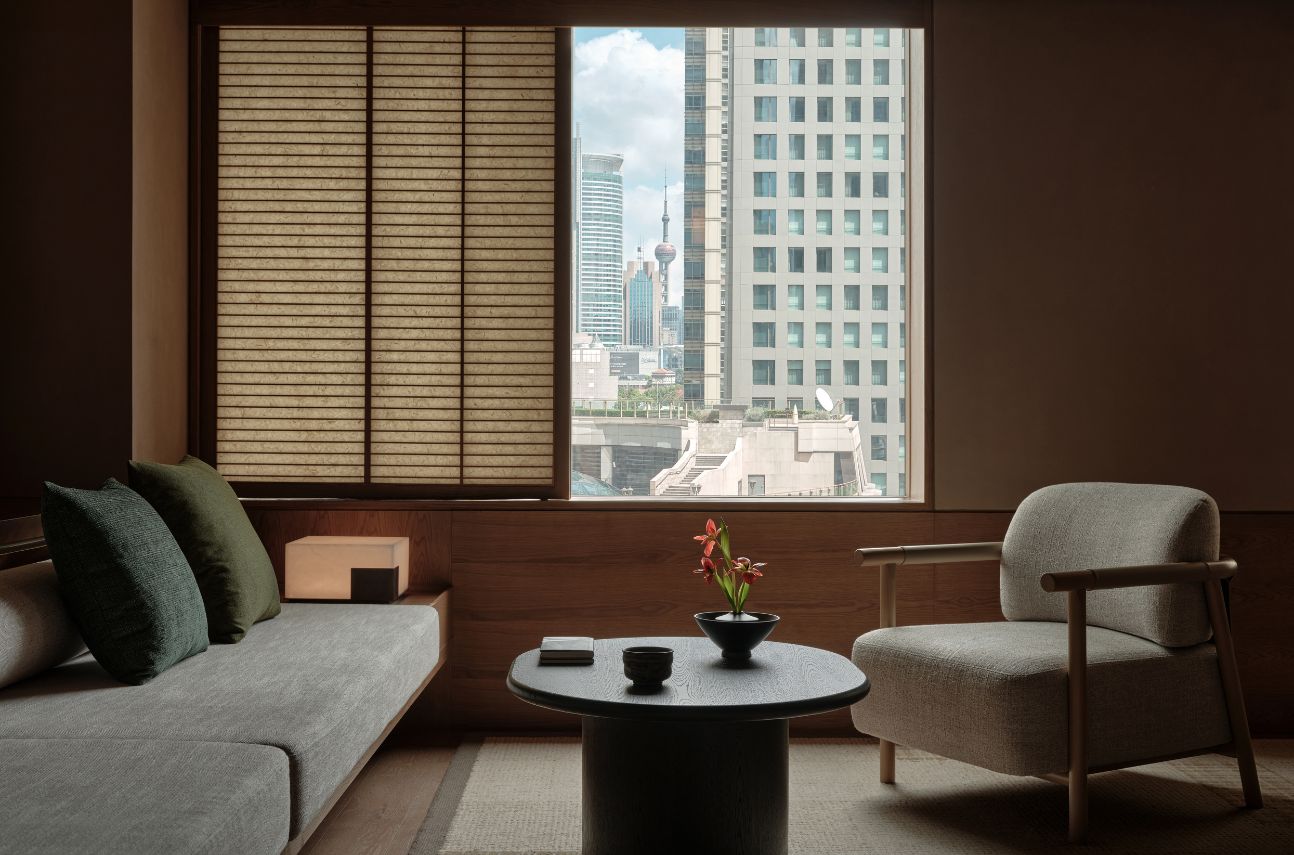
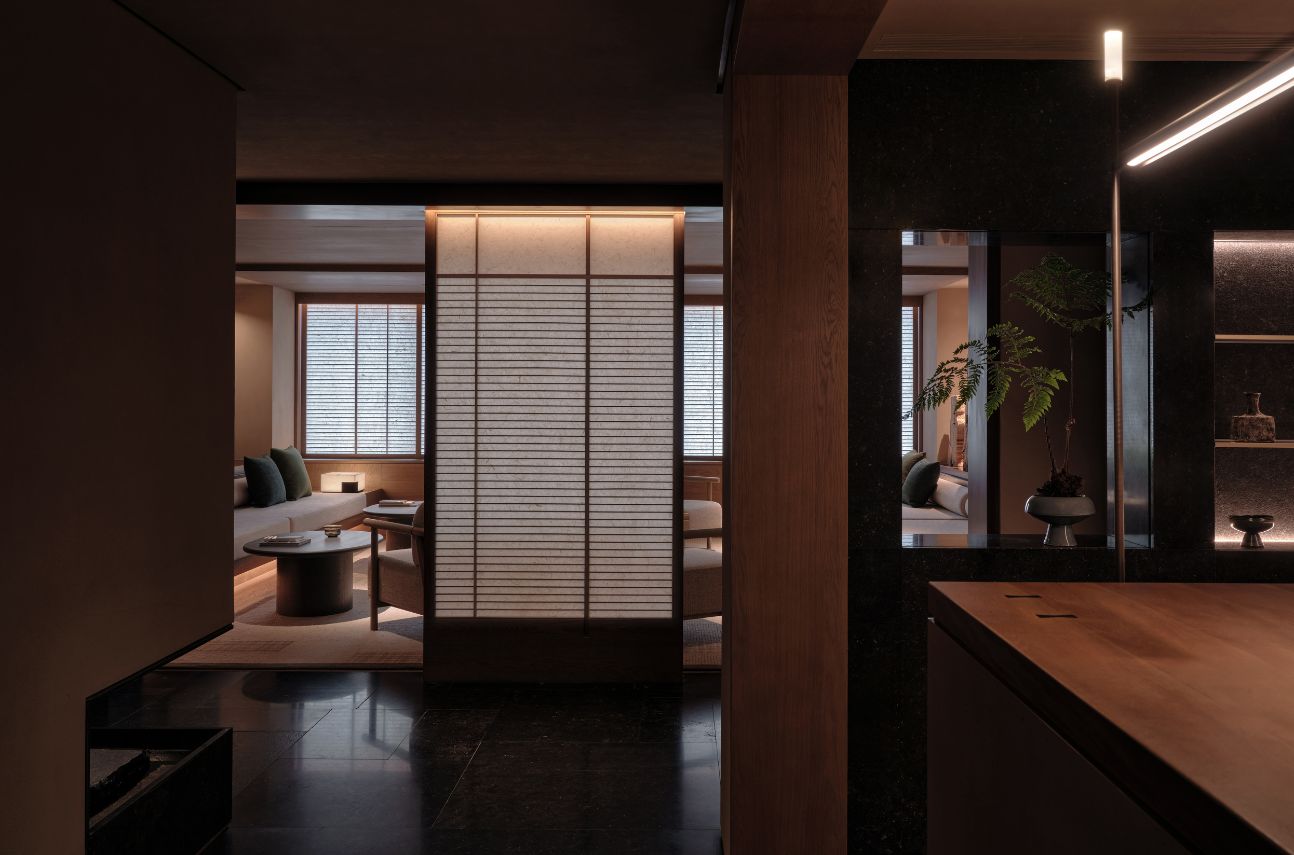
Nestled within the Alila Shanghai, the Spa Alila serves as a masterclass in atmospheric design. Upon entering, the transition is jarring in the most welcomed sense. The bustling Jing An district—with its unending traffic and dense architecture—fades into the background, replaced by the gentle, rhythmic trickling of a water feature and the tactile warmth of wood finishes.
The Ritual of Connection
The spa’s philosophy is deeply rooted in the "urban resort" concept. For those with the luxury of time, the experience begins in the hotel’s onsite organic garden, where guests may hand-select herbs to be infused into their treatments. This tactile engagement serves as an intentional grounding exercise, bridging the gap between the concrete environment and the natural world.
The Zen Wood Therapy Experience
The standout offering is the Zen Wood Therapy, a multi-sensory treatment that draws parallels to Tibetan singing bowl sound healing. The ritual begins with a "Rain Bamboo" performance, where the therapist utilizes a specialized bamboo instrument to mimic the rhythmic, calming sound of rainfall. This acoustic immersion acts as a cognitive trigger, signaling the parasympathetic nervous system to switch from "fight or flight" to "rest and digest." The subsequent deep-tissue massage is enhanced by this heightened state of receptivity, allowing the therapist to work into fascia and muscle tissue with greater efficacy.
2. Shanghai Auriga Spa: The Heritage of Healing
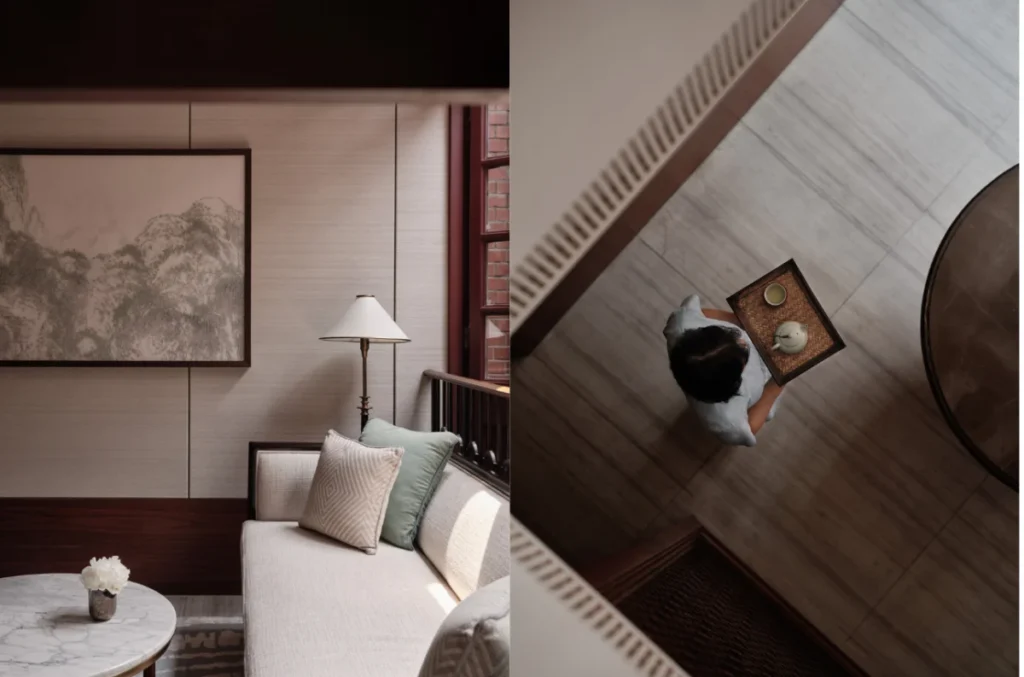
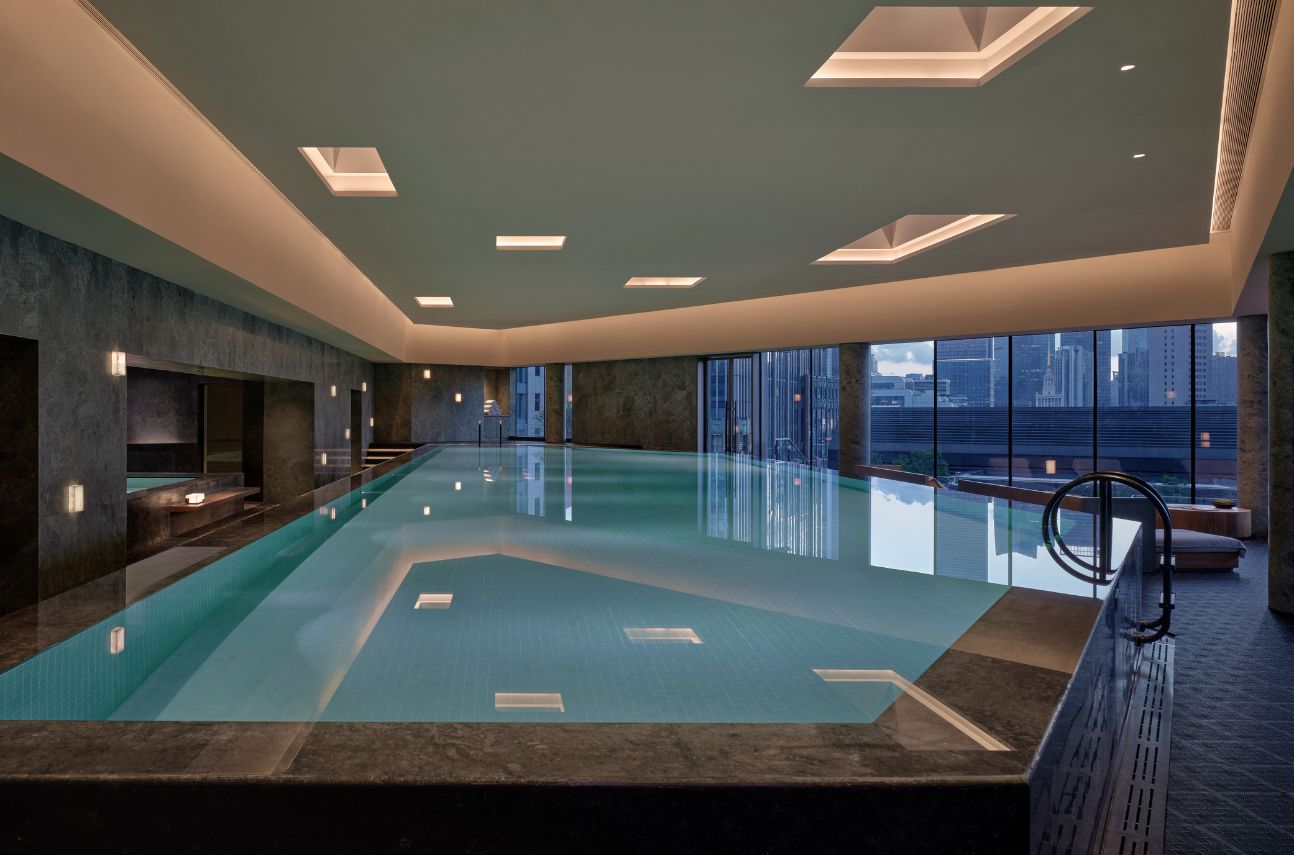
Located within the brick-clad walls of Capella Shanghai, Jian Ye Li, the Shanghai Auriga Spa represents a confluence of history and high-end wellness. Designed by the late visionary Jaya Ibrahim, the facility reflects the 1930s Shikumen architecture that defines the Xuhui District.
A Residential Approach to Wellness
Unlike the sprawling, impersonal spas found in many global luxury hotels, the Auriga Spa maintains a residential scale. Spread over three floors, the architecture feels intimate, mimicking the communal laneway spirit of the surrounding historical villas. The treatment rooms, characterized by white-washed timber paneling and warm, soft lighting, evoke a sense of home rather than clinical sterility.
Meridian Balance: The TCM Connection
For the purist, the Chinese Meridian Massage is the essential experience. Rooted in Traditional Chinese Medicine (TCM), this treatment eschews oils in favor of precise, pressure-based stimulation of energy pathways.
- The Goal: To clear blockages in the flow of Qi and blood.
- The Technique: Therapists apply calculated pressure to specific meridian points.
- The Result: A deep, restorative slumber. The focus on the soles of the feet serves as a neurological reset, effectively silencing the mental chatter that often accompanies a high-paced lifestyle.
3. Mi Xun Spa: The Science of Cellular Restoration
Descending into the basement of the Upper House Shanghai (formerly The Middle House), guests encounter a dramatic architectural shift. Designed by the acclaimed Piero Lissoni, the spa is a subterranean cavern of charcoal-toned stone. The environment is one of monastic minimalism, designed to strip away the visual noise of the city.

The INDIBA® Revolution
The Mi Xun Spa distinguishes itself through its commitment to evidence-based technology. Their flagship offering, the INDIBA® Treatment, utilizes patented 448 kHz frequency energy through Proionic® Cell Boost technology. While many spa treatments are limited to the epidermis and dermis, INDIBA® operates at a cellular level.
Official Insight:
"Traditional heat-based therapies are often superficial," notes Beverly Dong, Director of Spa at The Upper House. "They reach the skin and perhaps the subcutaneous fat. However, INDIBA® reaches the underlying structures—the fascia, the muscle, and even the bone. It stimulates the body’s natural healing processes, making it as much a medical intervention as a luxury one."
The Immune System Healing Treatment
The 60-minute Immune System Healing session is particularly notable for its metabolic benefits. Following the application of a conductive gel, the therapist uses metal electrode discs to introduce RF energy into the tissue. The sensation is one of profound, internal warmth. By the end of the session, the physical sensation of stiffness is significantly reduced, and the body’s metabolic processes are stimulated, effectively mirroring the recovery benefits of an intense workout without the physical exertion.

Implications: The Future of Urban Wellness
The rise of these specialized treatments in Shanghai signifies a fundamental shift in how we define urban luxury. It is no longer just about the aesthetic of a space; it is about the efficacy of the experience.
Chronology of Modern Wellness
- Early 2000s: Spas focused primarily on relaxation and aesthetic pampering (facials, basic massage).
- 2010s: The integration of heritage-based healing (TCM, Ayurvedic, and traditional bamboo techniques) became the differentiator.
- 2020s and beyond: The current era is defined by "Bio-Wellness"—the marriage of ancient wisdom with clinical, non-invasive technology like radiofrequency and acoustic sound healing.
The Takeaway
For the traveler navigating Shanghai’s futuristic landscape, these three spas offer more than just a break. They provide a structural necessity for maintaining performance and health in an unforgiving city. By choosing to step into the quietude of Alila’s wood-paneled rooms, the historic corridors of the Capella, or the subterranean stone chambers of the Upper House, the visitor is not merely relaxing—they are recalibrating their internal clock to survive and thrive in one of the world’s most demanding urban environments.
As the city continues to push the boundaries of what is possible in architecture and technology, these wellness sanctuaries serve as the vital, beating heart of its culture, reminding us that even in the most futuristic of cities, the most innovative technology remains the human body, and the most effective medicine remains the power of a intentional, quiet breath.