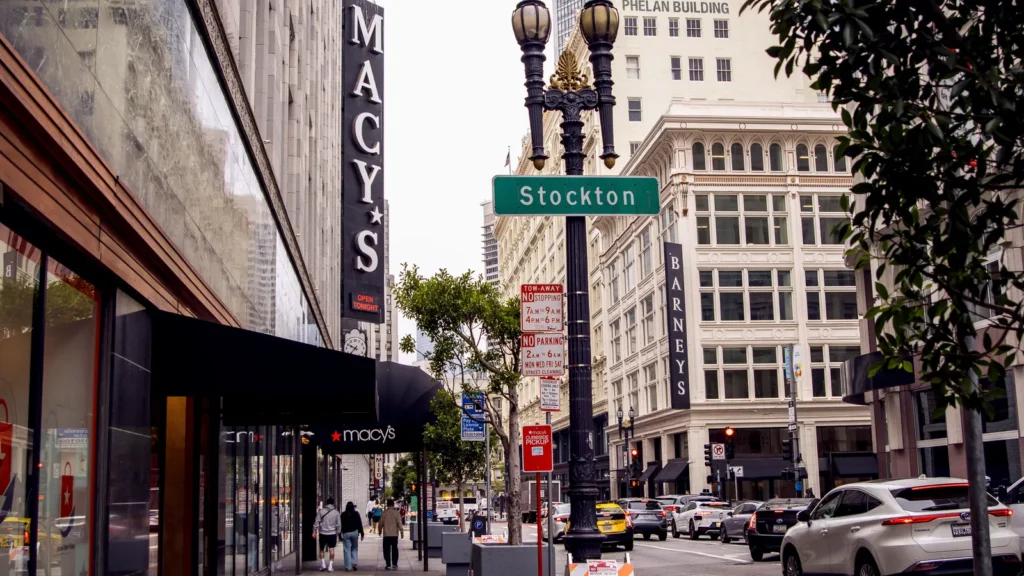
For years, Macy’s Inc. faced a recurring narrative on Wall Street defined by declining foot traffic, eroding margins, and a struggle to remain relevant in an era dominated by e-commerce and off-price competitors. However, as of September 2026, that narrative has shifted significantly. Following a robust second-quarter performance, the retail giant is signaling that its "Reimagine" strategy is no longer just a blueprint—it is yielding tangible results.
A pivotal element of this momentum is the company’s tactical allocation of $116 million in recovered tariff funds. While industry peers have frequently funneled such windfalls into immediate price cuts to drive short-term volume, Macy’s is opting for a more disciplined, long-term approach. By prioritizing store renovations and brand-building over a "race to the bottom" on pricing, CEO Tony Spring is betting that the company’s future lies in elevated customer experiences rather than perpetual discounting.
Main Facts: A New Chapter for the Department Store Icon
The core development in Macy’s recent financial report is a testament to operational stability. For the sixth consecutive quarter, the company has outperformed analyst expectations. Crucially, this marks five straight quarters of comparable sales growth and two consecutive quarters of net sales growth.
The $116 million in tariff refunds represents a significant capital injection. Of this total, approximately $20 million will be directed toward immediate earnings, while the remaining balance is earmarked for strategic capital expenditure. Specifically, the funds will accelerate the overhaul of the company’s remaining store footprint, enhance brand-building initiatives, and provide a buffer against fuel and logistics volatility. Only a marginal fraction of the capital is being deployed to lower prices, and even then, only in specific categories such as furniture and fine jewelry.
This decision reflects a departure from the traditional department store playbook. By resisting the urge to slash prices across the board, Macy’s is attempting to maintain the integrity of its average unit retail (AUR) price, which has seen upward pressure thanks to a more curated and relevant brand assortment.
Chronology: The Road to Consistent Performance
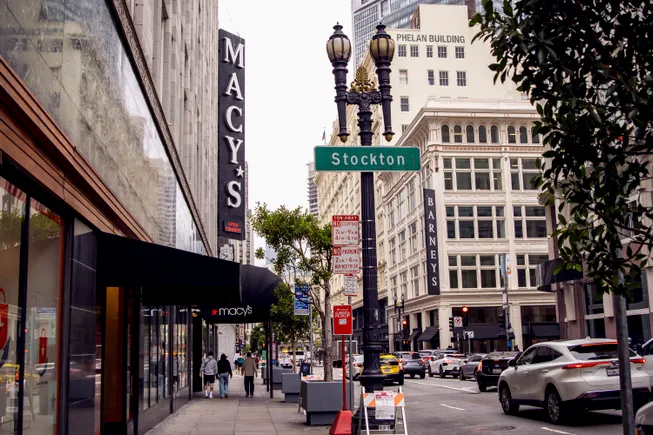
The current success of Macy’s is not an overnight phenomenon but the culmination of a multi-year effort to modernize the retailer’s identity.
- 2023–2024 (The Foundation): Macy’s began its "Reimagine" agenda, focusing on streamlining its store portfolio and divesting underperforming assets to concentrate on high-traffic, high-potential locations.
- Early 2025: The company began seeing the first signs of stabilization. The integration of its three banners—Macy’s, Bloomingdale’s, and Bluemercury—started to show the benefits of a "multibrand, multicategory, and multichannel" ecosystem.
- Q1 2026: Macy’s solidified its trajectory, marking a period where the namesake banner began to show signs of independent growth, shedding its reliance on the stronger performance of its luxury sibling, Bloomingdale’s.
- Q2 2026 (September Report): The company officially announced its six-quarter streak of beating expectations. This period also served as the backdrop for the tactical allocation of the $116 million tariff refund.
- Late 2026 (Looking Forward): The company is now preparing for its 100th Thanksgiving Day Parade, a cultural milestone that serves as the unofficial kickoff to the critical holiday shopping season.
Supporting Data: Why Analysts Are Bullish
The transformation at Macy’s is backed by metrics that suggest a fundamental shift in consumer perception. Industry analysts have pointed to the company’s ability to maintain sales growth despite a macroeconomic environment characterized by "intentional" and cautious shoppers.
Neil Saunders, Managing Director at GlobalData, noted that the atmosphere surrounding Macy’s earnings reports has changed drastically. "In the past, every single Macy’s earnings day was a tale of gloom and decline," Saunders remarked. "That now isn’t the case. And that, in itself, is a major win and a testament to the work that is being done."
The data supports this sentiment. The company’s focus on its three-tier strategy—serving customers from off-price to luxury—has provided a hedge against market volatility. While the luxury segment under Bloomingdale’s continues to provide a halo effect, the namesake Macy’s brand has begun to pull its weight through better inventory management and a refreshed product mix.
Suzy Davidkhanian, Vice President at Emarketer, emphasized that the "intentional shopper" of 2026 requires a compelling reason to visit a physical store. Macy’s has successfully combined a mix of sought-after national brands, updated private labels, and improved operational discipline to provide that incentive.

Official Responses: Leadership and Market Perspectives
CEO Tony Spring has been vocal about the company’s philosophy. During the recent earnings call, Spring underscored the importance of the company’s multi-faceted retail structure. "This reflects the strength across Macy’s, Bloomingdale’s and Bluemercury, and underscores the benefits of being a multibrand, multicategory and multichannel retailer," he stated.
The decision to avoid using tariff refunds for mass-market discounting received high praise from the investment community. Evercore ISI analysts, led by Michael Binetti, issued a research note endorsing the strategy. Binetti warned that "reinvesting tariff refunds into price has become a concern about a ‘race to the bottom’ on price competition across the Softlines space this fall." By rejecting this strategy, Macy’s is effectively protecting its margins while simultaneously funding the "Reimagine" agenda.
The management team’s focus is now firmly on the upcoming holiday season. With the 100th Thanksgiving Day Parade less than 77 days away, the company is leveraging its historical brand equity to drive traffic, viewing the event not just as a parade, but as a crucial marketing vehicle to remind consumers why the department store remains a premier gift destination.
Implications: The Future of the Department Store Model
The strategy currently being executed by Macy’s has broader implications for the retail sector.
1. The Death of the "Discounting Addiction"
For decades, department stores relied on a cycle of heavy promotions to clear inventory. Macy’s is proving that by curating a more relevant assortment and investing in store experiences, a retailer can thrive without constant sales. This suggests that the "department store" is not dead; rather, the outdated version of the department store is.

2. Physical Stores as Assets, Not Liabilities
Many retailers have aggressively shuttered stores over the last five years. While Macy’s has also rationalized its footprint, its decision to pour capital back into the "stores it plans to keep open" indicates that physical retail remains a critical component of the customer journey. By upgrading these spaces, the company is betting that in-person shopping will remain a high-value activity for the consumer of the late 2020s.
3. Resilience Through Diversification
The interplay between Bloomingdale’s (luxury), Macy’s (mid-tier), and Bluemercury (specialty beauty) provides a diversified revenue stream that keeps the parent company insulated from downturns in any single segment. This ecosystem approach is increasingly becoming the gold standard for large retail conglomerates.
4. Navigating Macro-Economic Headwinds
The move to use tariff refunds to mitigate fuel volatility and logistics costs highlights the increasingly complex nature of retail supply chains. By allocating funds to operational stability rather than just customer-facing price cuts, Macy’s is demonstrating a level of foresight that protects the company’s bottom line against unpredictable global supply chain shocks.
Conclusion: A Work in Progress
Despite the optimism, leadership remains grounded. Both management and independent analysts acknowledge that the namesake Macy’s banner is still a "work in progress." The brand has shed its reputation for decline, but it has yet to reach its full potential. The upcoming holiday season will be the ultimate litmus test for the company’s strategy. If Macy’s can maintain its momentum through the year-end, it will have successfully proven that a legacy retailer can indeed pivot to meet the demands of the modern, intentional, and highly selective consumer.