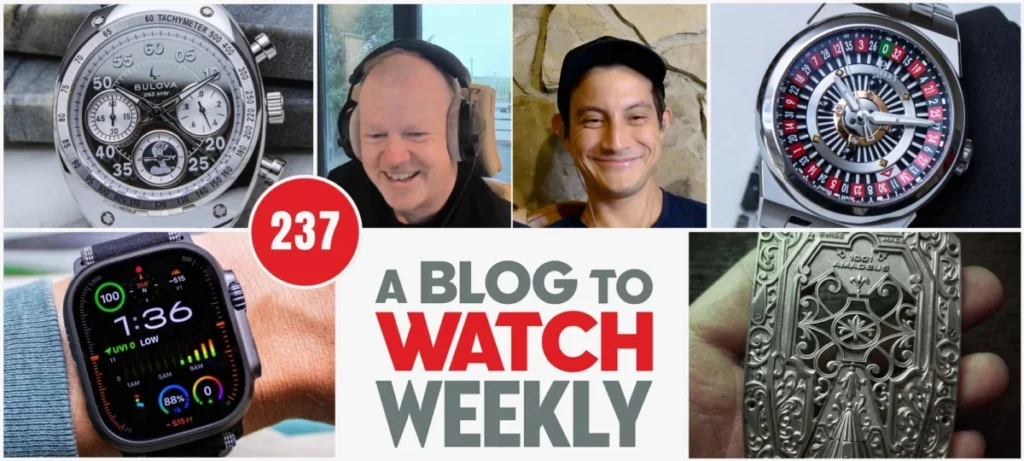
In the latest installment of aBlogtoWatch Weekly (Episode 237), hosts Rick and Ripley navigate the increasingly complex landscape of modern horology. From the psychological allure of hype-driven acquisitions to the meticulous engineering behind high-complication timepieces, the duo dissects the state of the industry with their signature blend of analytical rigor and candid commentary.
This episode serves as a microcosm of the current watch market: a space torn between the pressure of social perception and the genuine, often quiet satisfaction of technical excellence.
The Psychology of the "Grail": Dissecting Market Hype
The episode opens with a philosophical inquiry: Are the watches that command the highest market demand truly the ones that provide the greatest long-term satisfaction? This leads the hosts into the "Rolex rabbit hole," a recurring topic in horological discourse due to the brand’s unique position as both a manufacturer of world-class instruments and a cultural symbol of success.
The Rolex Paradox
The hosts posit that the desire for specific Rolex models—often driven by secondary market performance and celebrity endorsement—can sometimes cloud a collector’s judgment. When a timepiece is purchased purely for its "hype" factor, the emotional connection to the object is often fragile. If the market value dips, the perceived utility of the watch often vanishes alongside the potential profit.
In an effort to test the boundaries of brand equity, the hosts propose a thought experiment: What is the most "unfashionable" Rolex one could configure? They explore whether a model with polarizing aesthetic choices would hold its value or collapse under the scrutiny of the secondary market, ultimately questioning whether the brand’s reputation is sustained by its technical heritage or by the circular logic of its own exclusivity.
Chronology of the Week’s Horological Highlights
The episode serves as a guided tour through a diverse range of horological offerings, spanning from entry-level enthusiast favorites to avant-garde mechanical art.
1. The Perrelet Turbine Casino
The discussion shifts to the Perrelet Turbine Casino, a timepiece that leans into the theatrical nature of watchmaking. By utilizing a roulette-inspired dial, Perrelet emphasizes the playful, kinetic side of the industry. The hosts analyze the execution of the spinning turbine feature, noting that while it is not a traditional complication in the vein of a perpetual calendar, it provides a unique "wow" factor that challenges the industry’s tendency toward conservative design.
2. Formex Essence 39: The Beauty of Restraint
In a stark contrast to the playfulness of the Turbine, the team reviews the latest iteration of the Formex Essence 39. The conversation highlights a crucial lesson for independent watchmakers: the importance of knowing when not to change a successful formula. The Essence 39 has garnered a cult following for its ergonomics, case finishing, and dial texture. By opting for refinement rather than reinvention, Formex demonstrates an understanding of its core demographic—collectors who value consistency and iterative improvement.
3. Bulova Shelby Racer Chronograph
The Bulova Shelby Racer Chronograph brings automotive history to the forefront. The hosts discuss the "shiny" aesthetic of the piece, noting how it successfully bridges the gap between mid-range pricing and high-end automotive design language. The conversation underscores the enduring appeal of motorsports-inspired chronographs and the difficulty of balancing legible dashboard-inspired aesthetics with wearable dimensions.

4. Urwerk UR-1001 Amadeus: A Millennial Odyssey
The centerpiece of the discussion is undoubtedly the Urwerk UR-1001 Amadeus. This is not merely a watch; it is an epoch-tracking machine. With a millennium indicator, it serves as a philosophical reminder of the fleeting nature of time. The hosts marvel at the hand-engraved finishing and the sheer mechanical ambition required to create a device that literally tracks the passage of the next thousand years. It represents the "high-water mark" of what is possible when horology is treated as pure art rather than a mere utility.
Supporting Data: Why We Buy What We Buy
The episode touches upon the sociology of the watch enthusiast. A recurring question throughout the program is: What actually makes a stranger notice your watch?
Data from the collector community suggests that visibility is rarely about the price point. Instead, it is about the "readability" of a design. A watch with a high-contrast dial, a unique case shape, or a distinctive bracelet is far more likely to trigger a conversation than a generic, albeit expensive, dress watch. This reinforces the idea that for many collectors, the external validation of a "watch-spotter" is a significant, if sometimes unacknowledged, part of the hobby’s appeal.
Furthermore, the hosts discuss the "Geneva Chateau" scenario—a hypothetical look at what it would take for the aBlogtoWatch team to create their own content-driven "reality show." This segment highlights the shifting media landscape. In 2024 and beyond, watch media is no longer just about reporting specs; it is about lifestyle, personality, and the creation of a community around shared obsessions.
Industry Implications and Future Trends
What can be gleaned from these discussions for the broader market?
- The Return to Substance: The success of the Formex Essence 39 indicates that enthusiasts are tiring of rapid-fire, superficial releases. Collectors are increasingly rewarding brands that focus on technical build quality and ergonomics.
- The Rise of "Experience" Horology: The Perrelet and Urwerk features suggest that there is a growing appetite for watches that provide an experience. Whether it is the visual trickery of a spinning turbine or the existential weight of a millennium tracker, the industry is moving toward timepieces that function as interactive mechanical gadgets.
- The Secondary Market Correction: The hosts’ skepticism regarding "hype" models reflects a wider industry trend. As the secondary market stabilizes, buyers are becoming more discerning, moving away from speculative assets and toward pieces that offer genuine horological interest.
Final Reflections: The Human Element
The conversation concludes on a human note. Amidst the talk of movements, case materials, and market trends, the hosts remind the audience that the most important aspect of watch collecting is personal enjoyment. Whether one is eyeing an entry-level Bulova or a million-dollar Urwerk, the value of the piece is ultimately found in the wearer’s connection to the machine.
The "Geneva chateau" dream—while tongue-in-cheek—speaks to a genuine desire for deeper integration within the watch world. For the team at aBlogtoWatch, the future of the hobby isn’t just in owning the best watches, but in maintaining the "authentic watch conversations" that have defined the publication since 2007.
As the industry moves forward, the advice from Episode 237 is clear: Do not buy into the noise of the secondary market. Buy for the engineering, buy for the aesthetics, and most importantly, buy for the stories that you—not the market—want to tell through the watch on your wrist.
For those interested in the full debate, the visual presentation of these timepieces and the nuanced back-and-forth between Rick and Ripley can be found in the latest aBlogtoWatch Weekly video. It serves as a reminder that in a world of digital connectivity, the mechanical watch remains one of the most compelling anchors we have to the physical world.