By Dani James | Retail Dive | Published September 4, 2026
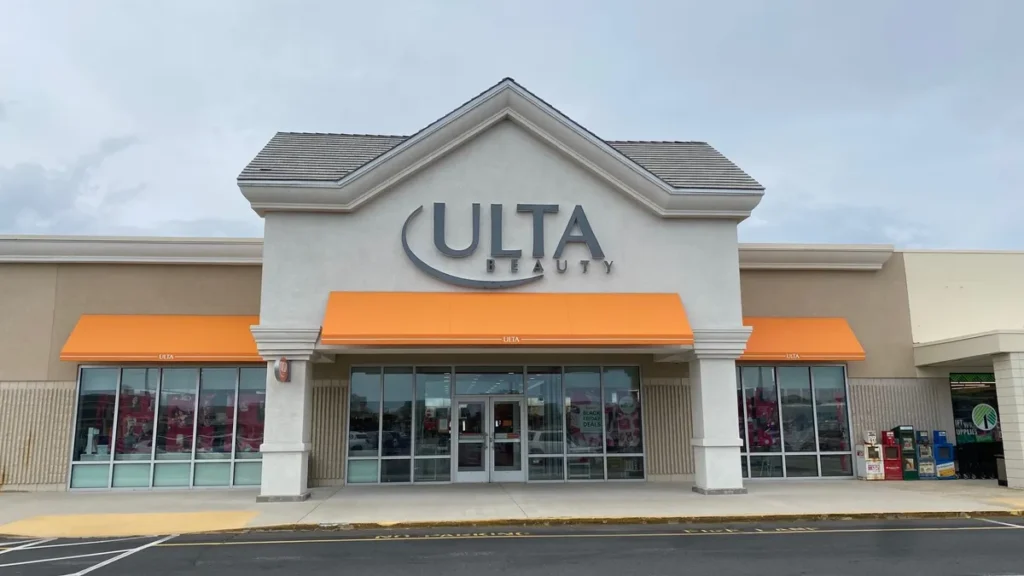
Ulta Beauty, the nation’s largest beauty retailer, has found itself at the center of a burgeoning national debate regarding the intersection of corporate security and consumer privacy. This week, the retailer’s social media channels were inundated with protests and criticism from customers following a viral awareness campaign launched by the activist organization UltraViolet. The primary grievance? Ulta’s quiet implementation of automated license plate reader (LPR) technology at various store locations.
As retailers struggle to balance the need for asset protection with the privacy expectations of their customer base, the use of sophisticated surveillance tools has moved from behind-the-scenes security operations to the forefront of public discourse.
The Core Conflict: Security vs. Surveillance
The controversy stems from the retailer’s partnership with Flock Safety, a surveillance technology provider known for its high-tech, AI-driven license plate recognition cameras. While Flock maintains that its technology is a vital tool for public safety and the prevention of organized retail crime (ORC), privacy advocates argue that the normalization of such surveillance in everyday retail spaces represents a "slippery slope" toward constant monitoring of the American public.
According to a source familiar with the company’s operations, the deployment of this technology is currently limited, utilized at less than 1% of Ulta’s massive footprint of approximately 1,500 stores nationwide. Crucially, the company asserts that these cameras do not utilize facial recognition, focusing instead on the metadata of vehicles entering and exiting parking facilities. However, for many consumers, the distinction is immaterial; the mere act of tracking vehicle movements via private surveillance networks has sparked significant distrust.
A Chronology of Escalation
The friction between public sentiment and corporate security strategy has developed over several months, marked by the following key events:
- Pre-2025: Ulta Beauty, like many retailers, reports a surge in in-store violence and organized retail theft following the COVID-19 pandemic. The company begins exploring proactive security measures to bridge the gap between internal asset protection and law enforcement collaboration.
- August 14, 2025: During a "Flock Forward" industry event, Rory Stallard, Ulta’s director of organized retail crime, publicly praises the efficacy of the partnership. He characterizes the adoption of the technology as a cultural necessity to protect associates and guests, emphasizing a shift from "reactive" to "proactive" security.
- August 2026: Amid growing nationwide criticism regarding the ubiquity of its cameras, Flock Safety updates its terms and conditions, a move seen by industry analysts as a defensive measure against increasing regulatory scrutiny.
- Late August 2026: Rory Stallard attends the latest iteration of the Flock Forward conference, documenting the event on LinkedIn—a post that was later deleted as the social media backlash intensified.
- September 2026: The activist group UltraViolet launches a viral campaign targeting Ulta’s social media presence. The campaign encourages customers to voice their opposition to the "spying" technology, leading to a flood of comments on the retailer’s Instagram and Facebook pages.
Understanding the Technology and Its Proponents
Flock Safety has become the primary vendor for retailers seeking to combat ORC. Its technology is designed to create a "hotlist" of vehicles associated with known offenders. When a flagged vehicle enters a store’s parking lot, the system triggers an immediate alert to security personnel or law enforcement.
The company’s marketing highlights the success of this approach. In an April 2025 blog post, Flock detailed how its LPR cameras were instrumental in dismantling a crime ring in Fairfax County, Virginia, which had been targeting multiple Ulta locations. For law enforcement agencies and retail security directors like Stallard, these tools are not viewed as privacy invasions, but as essential infrastructure in an era where traditional security measures are failing to curb organized theft.
However, this reliance on AI-driven tracking has invited significant pushback. In recent months, cities and states across the U.S. have begun to re-evaluate their contracts with surveillance providers, and incidents of vandalism targeting these license plate readers have been on the rise.
The Broader Landscape of Retail Crime
The use of LPR technology is a microcosm of the larger crisis in the American retail sector. Industry heavyweights, including the National Retail Federation (NRF) and the Retail Industry Leaders Association (RILA), have spent years lobbying for federal legislation to address organized retail crime. These groups argue that the rise of online marketplaces, where stolen goods are easily liquidated, has incentivized a surge in "smash-and-grab" robberies that threaten the safety of retail workers and shoppers alike.

Yet, as the retail industry pushes for more aggressive anti-theft measures, they face a shrinking window of public tolerance. The argument is no longer just about if retailers should stop theft, but how they should do it. Surveillance that was once accepted as a necessary evil in bank parking lots is now being scrutinized when it appears at the local cosmetics store.
Implications for Corporate Responsibility
The current impasse leaves retailers like Ulta in a precarious position. If they remove the technology, they risk an increase in inventory shrink and potentially compromise the safety of their staff—a concern Stallard highlighted as a core motivator for the partnership. If they keep the technology, they risk permanent damage to their brand reputation and the alienation of a customer base that increasingly values digital privacy.
The Transparency Gap
A notable element of the current situation is the lack of public communication. When asked by reporters, neither Ulta Beauty nor Flock Safety provided details regarding the inception of their relationship. This silence often feeds conspiracy-minded social media narratives, which can be more damaging than the truth of the technology’s function.
The Regulatory Future
The backlash against Flock and its clients is unlikely to subside. Legislators in various states are already drafting bills to restrict the use of private license plate data. If these laws pass, retailers may be forced to rely on less invasive, albeit perhaps less efficient, security protocols.
The Path Forward
For Ulta, the path forward requires a delicate balancing act. To regain consumer trust, the company may need to:

- Increase Transparency: Clearly disclose where and why surveillance technology is in use.
- Define Limits: Implement strict policies regarding how long data is stored and who has access to it.
- Engage the Community: Rather than relying on silent surveillance, retailers may need to move toward a model of "community-based security" that emphasizes transparent collaboration rather than hidden monitoring.
As the retail industry continues to evolve, the case of Ulta Beauty serves as a cautionary tale. In the modern marketplace, data is a double-edged sword: while it can secure a store, it can just as easily alienate the very customers who keep the doors open. The question remains: how much privacy are consumers willing to trade for the safety of their local shopping centers, and how much power should retailers have to track them?
For now, the silence from the corporate offices of both Ulta and Flock suggests that both parties are waiting to see if the viral storm will pass or if it marks a permanent shift in the relationship between retailers and the communities they serve.