After a seven-year hiatus that left a noticeable void in the landscape of American streetwear and contemporary fashion, the architects of Public School, Dao-Yi Chow and Maxwell Osborne, are officially back. Following a triumphant reintroduction to the New York Fashion Week (NYFW) calendar last season, the duo is amplifying their presence as their latest fall collection hits major retail floors.
This week marks a significant milestone in their comeback narrative: the unveiling of "The City is Mine," the brand’s first official advertising campaign since 2017. More than just a marketing push, the campaign serves as a visual manifesto for a brand that has spent the better part of a decade reflecting, resetting, and ultimately, reclaiming its place at the forefront of the industry.
The Narrative Arc: "The City is Mine"
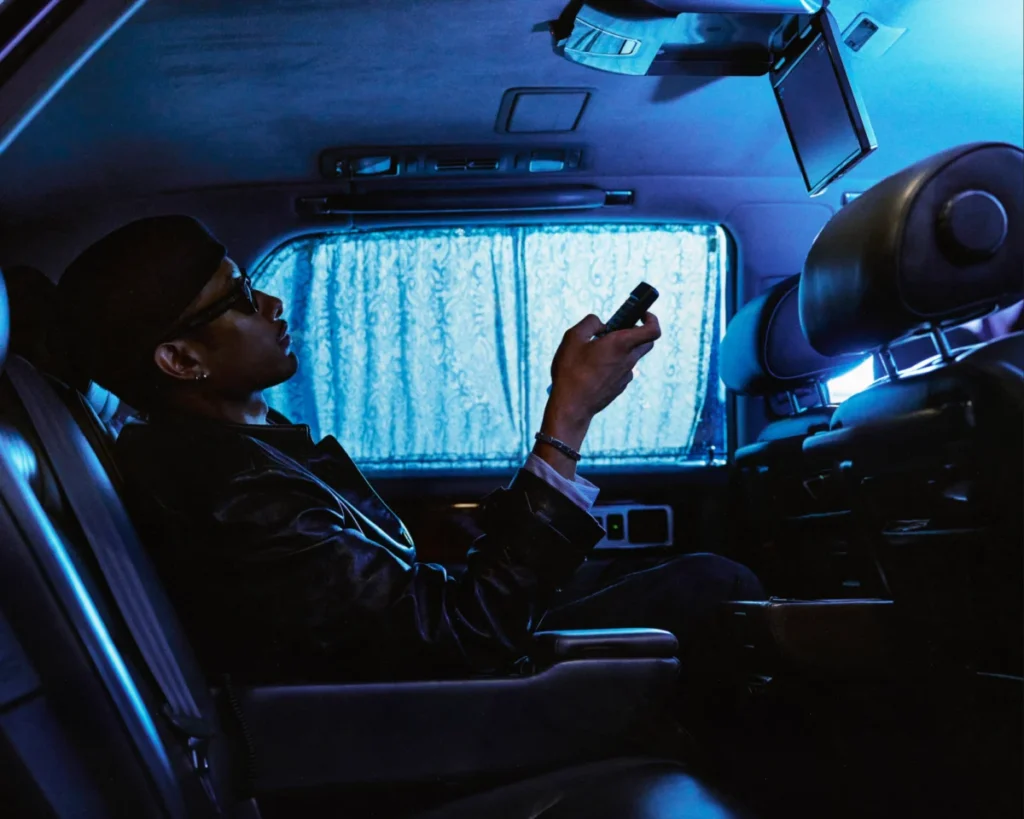
The campaign, captured by photographer Joshua Woods, is a moody, atmospheric exploration of New York City after dark. The imagery follows a cast through the city’s veins—waterfronts, sprawling bridges, and the quiet, industrial corners of the urban landscape.
The casting choice itself is a poignant nod to the brand’s lineage and its trajectory. It features 25-year-old model Idriys Ali-Chow, the son of Dao-Yi Chow, alongside veteran supermodel Scott Barnhill and MJ Marte. According to Chow, the juxtaposition of an industry legend with the next generation is intentional.
"We worked with Josh Woods, who was someone that we saw coming up on our first go-round with Public School," Chow says. "Being able to reconnect with him and have him shoot our first campaign was really a special moment. The storyline follows the arc of Public School—talking about the creative choices that we made, nodding to our past, but really looking forward to the future."
The campaign also features a rare Toyota Century—a vehicle known for its understated luxury and exclusivity—signifying the brand’s move toward a more deliberate, thoughtful aesthetic. "We wanted to shoot a real campaign, not short little content snippets," Chow notes, underscoring a desire to reclaim the slow-burn elegance of fashion storytelling.
Chronology of a "Slow Leak"
The return of Public School was not a sudden explosion, but a meticulously planned "slow leak." Both Chow and Osborne are adamant that they refused to rush back simply for the sake of relevance. Instead, they opted for a methodical re-entry that allowed them to recalibrate their creative vision.
- 2025: The Soft Relaunch: The duo first broke their silence during the 2025 Met Gala, creating a custom ensemble for NFL star Justin Jefferson. This served as a low-stakes, high-impact reintroduction to the cultural conversation.
- September 2025: The Supper Club: During Fashion Week, they hosted an immersive, theatrical presentation where every staffer—from waiters to elevator attendants—was outfitted in Public School, signaling that the brand was once again a lifestyle, not just a label.
- February 2026: The Runway Return: The brand officially stepped back onto the catwalk with a show titled "Everything Is Now," confirming that the aesthetic rigor that defined their early years remained intact.
- September 2026: The Spring Preview: With the fall collection now hitting retail, the duo is already looking toward their next runway outing on September 10, which promises to push their design codes into the next decade.
"We wanted to get all our ducks in a row for the return," Osborne explains. "By coming back slowly, it allowed us to nurture our creative ideas and really respect the time and the craft."
Supporting Data: The Market’s Reception
The industry’s appetite for the return of Public School has been, by the founders’ own admission, "overwhelming." Despite the seven-year absence, the brand has secured placement in some of the world’s most prestigious retail institutions, including Bergdorf Goodman, Neiman Marcus, and Saks Fifth Avenue.
This demand validates the duo’s intuition that the market was ripe for their specific brand of New York cool. "It was the same feeling we had when we first started Public School," Osborne says. "It felt like there was nothing out there for us to buy. We felt there was something missing and that we needed to come back."
The decision to return was not driven by external pressure or financial desperation, but by a genuine creative itch. "There was no scandal, there was no beef between us," Chow adds. "We really just needed to reset. And once that reset settled, both Max and I were really itching to get back to it."

Official Responses and Creative Evolution
During the hiatus, the founders did not remain idle. Osborne launched his women’s brand, AnOnlyChild, focusing on sustainable practices, while Chow served as the creative director for New Era and helmed the now-defunct Brady brand.
These experiences provided the necessary distance to view Public School through a new lens. "I’m not good at sitting still," Chow admits. "Looking back on the things that I worked on, I’m really grateful for those moments because it gave me perspective on what I would do once we returned to Public School. Those seven years apart went by really quick, but a lot happened in that time span."
For the upcoming spring collection, the designers are focusing on refining their "codes." If the first post-hiatus show was a nostalgic homecoming, the next chapter is about establishing a uniform for the future. "Spring/summer ’27 is continuing that process of refining all the codes, but looking forward and developing what that uniform will look like for 15 or 20 years from now," Chow states.
Implications: The Long-Term Vision
The long-term strategy for Public School is as deliberate as their return to the runway. The founders are focused on building a sustainable business model that balances wholesale partnerships with a robust direct-to-consumer (DTC) strategy.
Crucially, they are eyeing a return to brick-and-mortar retail. Rather than relying on venture capital, the expansion will be financed through a combination of "friends and family" seed funding and the brand’s own organic revenue.
"We’ll have a few stores," Chow says, "including a flagship in New York City. The goal is for us to grow our business through our owned channels."
This approach reflects a broader trend in the industry where designers are prioritizing independence and control over rapid, aggressive scaling. For Chow and Osborne, the goal is not to be the biggest brand in the world, but to be a brand that matters—a brand that captures the spirit of the city they call home.
As they stand on the precipice of their next show, the mood is one of gratitude and renewed purpose. The "slow leak" has turned into a steady stream, and for the first time in nearly a decade, Public School is once again dictating the tempo of New York fashion.
"In our wildest dreams, we didn’t think that we would get this much love and reaction," Chow reflects. "We feel really grateful for the opportunity to be able to come back, but come back in this fashion, where people are supportive and really want to see us return."
With the infrastructure of a legacy brand and the hunger of a startup, Public School is not just reliving its past; it is actively constructing its future. The city is, indeed, theirs once again.