By [Your Name/Journalistic Staff]
Date: August 25, 2026
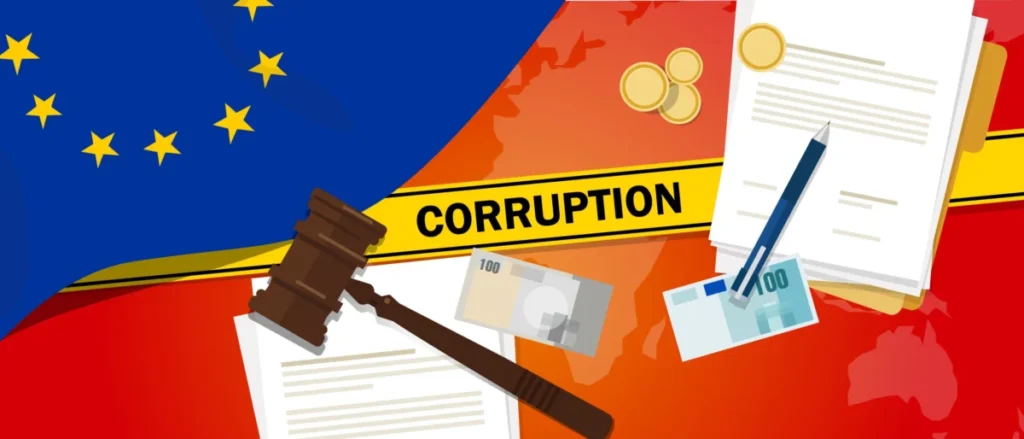
The European Union has officially entered a new phase in its fight against systemic graft. On May 31, 2026, the EU’s landmark anti-corruption directive transitioned from legislative proposal to binding reality. This sweeping piece of legislation represents the most significant overhaul of European anti-graft policy in recent memory, aiming to harmonize disparate national laws, close long-standing enforcement loopholes, and foster a new culture of transparency across the 27-member bloc.
As cross-border corruption continues to evolve, facilitated by digital finance and complex shell structures, the EU’s latest mandate is designed to ensure that national authorities are no longer hampered by jurisdictional fragmentation. For compliance officers and corporate legal teams, the directive is not merely a regulatory update; it is a fundamental shift in how business must be conducted within—and with—the European Union.
The Core Pillars: Understanding the 2026 Directive
At its heart, the new anti-corruption directive seeks to establish a standardized definition of corruption-related offenses across all member states. Previously, varying interpretations of bribery, trading in influence, and abuse of office meant that a criminal act in one jurisdiction might face a lighter sentence, or none at all, in another.
Standardizing Criminal Offenses
The directive mandates that all member states criminalize bribery of public officials—both domestic and foreign—as well as private-sector corruption. It also explicitly covers "trading in influence," where an individual uses their position to exert improper influence over the decision-making process of an official.
Enhancing Enforcement and Jurisdiction
One of the most critical aspects of the directive is the removal of jurisdictional hurdles. The legislation empowers authorities to pursue cases where the crime affects the financial interests of the EU, regardless of where the perpetrator is located. This effectively creates a "no-safe-haven" policy for corrupt actors operating within the single market.
Protecting Whistleblowers
Building upon existing protections, the directive introduces stronger, more uniform protocols for reporting corruption. It provides a legal framework for internal and external reporting channels that guarantee the anonymity and protection of whistleblowers, preventing retaliation and ensuring that those who report misconduct are shielded from professional or personal fallout.
A Chronology of the Legislative Journey
The path to the May 31 enforcement date was marked by years of intense negotiation, public consultation, and political maneuvering.
- 2023: The Initial Call to Action: Following a series of high-profile corruption scandals within the European Parliament, the European Commission signaled an urgent need for a unified approach to anti-corruption.
- 2024: The Proposal Phase: The Commission formally presented the draft directive, citing the "hidden tax" that corruption imposes on the EU economy, estimated at roughly €120 billion annually.
- 2025: The Trialogue Negotiations: Throughout the year, representatives from the European Parliament and the Council of the EU engaged in "trialogue" negotiations to reconcile differences regarding penalties and the scope of corporate liability.
- Early 2026: Final Approval: The directive received final ratification in the first quarter of 2026, setting the stage for the May 31 implementation date.
- May 31, 2026: The Directive Enters into Force: The directive becomes legally binding, requiring member states to align their national criminal codes and administrative practices with the new EU standards.
Supporting Data: Why the EU Had to Act
The impetus for this legislation is grounded in hard data. Corruption is not merely a moral failing; it is a structural barrier to economic growth and fair competition.
The Economic Cost
Research cited during the legislative process suggests that corruption costs the EU economy approximately 1% of its total GDP annually. By distorting market competition and increasing the cost of public procurement, graft creates an uneven playing field that penalizes honest businesses.

Cross-Border Vulnerabilities
The rise of digital assets and decentralized finance (DeFi) has provided new avenues for illicit flows. Data from the European Anti-Fraud Office (OLAF) indicated that over 40% of recent large-scale corruption investigations involved assets moved across at least three jurisdictions, a trend the new directive is specifically designed to intercept through enhanced data sharing between national judicial authorities.
Public Trust
Recent Eurobarometer surveys revealed that a significant majority of EU citizens—roughly 68%—believe that corruption remains widespread in their respective countries. The directive serves as a political statement, aimed at restoring public confidence in European institutions and the integrity of the single market.
Official Responses and Stakeholder Reactions
The reception of the directive has been largely positive, though concerns regarding implementation costs and administrative burden persist.
The European Commission’s Stance
European Commissioner for Home Affairs, Ylva Johansson, stated during the launch: "This directive is about creating a level playing field. It ensures that honest companies are not outcompeted by those willing to cut corners through bribery. We are moving from a patchwork of national laws to a robust, European-wide shield."
Business and Compliance Perspectives
Corporate compliance associations have welcomed the clarity provided by the directive. However, many industry groups have expressed concerns regarding the speed of implementation. "While we support the goal of ending corruption, the compliance burden on small and medium-sized enterprises (SMEs) could be significant," noted a spokesperson for a major European industry lobby group. "Companies need more than just the text of the law; they need clear, actionable guidance on how to update their internal controls without incurring prohibitive costs."

Legal Experts
Legal scholars have lauded the directive for its emphasis on "effective, proportionate, and dissuasive" sanctions. By raising the floor for penalties, the EU is signaling to multinational corporations that the risk-reward ratio of engaging in corrupt practices is shifting heavily toward risk.
Implications for the Future: A New Compliance Paradigm
The implementation of this directive will force a rapid evolution in how corporations manage risk. Compliance is no longer a "check-the-box" activity; it is now a strategic necessity for market access.
The Shift Toward Proactive Risk Assessment
Companies must move beyond reactive training programs. The directive encourages the adoption of "integrity due diligence." This means that firms must not only vet their own employees but also conduct rigorous screening of third-party intermediaries, supply chain partners, and even high-level political associates.
Digital Forensic Capabilities
With the new directive emphasizing cross-border data sharing, corporations should expect more frequent and more thorough audits. Investing in advanced forensic accounting and digital monitoring tools will be essential for firms that want to stay ahead of regulatory inquiries.
The Global Ripple Effect
The EU’s influence extends far beyond its borders. Just as the GDPR (General Data Protection Regulation) became the global benchmark for data privacy, this anti-corruption directive is likely to influence trade agreements and international standards. Non-EU companies looking to do business within the bloc will effectively have to adopt these higher standards, leading to a de facto "Brussels Effect" on global anti-corruption compliance.

The Human Element
Finally, the most significant change may be cultural. The directive’s emphasis on whistleblower protection mandates a shift in corporate psychology. Organizations that foster an environment where employees feel safe speaking up about wrongdoing will be the most resilient in this new regulatory climate.
Conclusion
The EU’s anti-corruption directive, now in force, marks a definitive turning point. It acknowledges that in an interconnected global economy, local corruption is a transnational problem. While the transition period will inevitably bring challenges, the long-term goal is clear: a more transparent, competitive, and equitable European market.
For organizations operating today, the directive serves as a final notice that the era of opacity is closing. The focus must now shift to rigorous compliance, transparent reporting, and an unwavering commitment to ethical standards. As the EU begins its enforcement journey, those who embrace these changes early will find themselves better positioned to thrive in a more regulated and resilient landscape.