By Retail Dive Staff | August 25, 2026
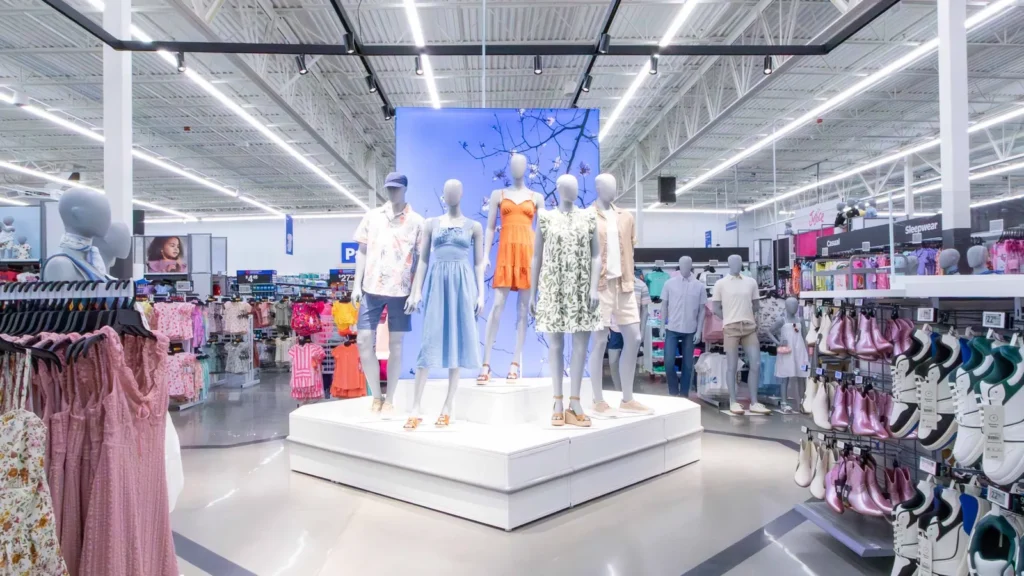
In a bold move to solidify its position as a major player in the apparel industry, Walmart has announced the nationwide launch of its latest private-label brand, "Scenario." This ambitious initiative sees the retail giant deploying the new collection across five distinct fashion departments in all U.S. stores. By doing so, Walmart is executing one of the most significant category expansions in its fashion history, aiming to bridge the gap between affordable everyday wear and the evolving aesthetic preferences of the modern American consumer.
The launch of Scenario marks a pivotal moment for Walmart’s apparel division, signaling a strategic shift toward niche-market targeting and lifestyle-focused branding. As the retailer continues to report robust financial growth, the introduction of this bohemian-inspired line is not merely a merchandising update; it is a calculated effort to capture market share from both department stores and trend-conscious specialty retailers.
The Genesis of Scenario: Identifying the Bohemian Gap
The decision to introduce Scenario was not a result of guesswork but a product of intensive data analysis. According to internal research conducted by the retail giant, nearly one in five female shoppers identified a "boho" aesthetic—characterized by feminine details, loose silhouettes, and earthy, natural textures—as one of their top three style preferences.
Despite this overwhelming consumer demand, Walmart’s existing private-label ecosystem lacked a brand specifically curated to address this niche. While labels like Time and Tru have long served as the backbone of Walmart’s apparel sales—generating an impressive $2 billion annually—their brand identity is rooted in core basics and timeless utility. The retailer realized that to capture the "boho" customer, they needed a distinct, standalone identity that felt curated rather than mass-produced.
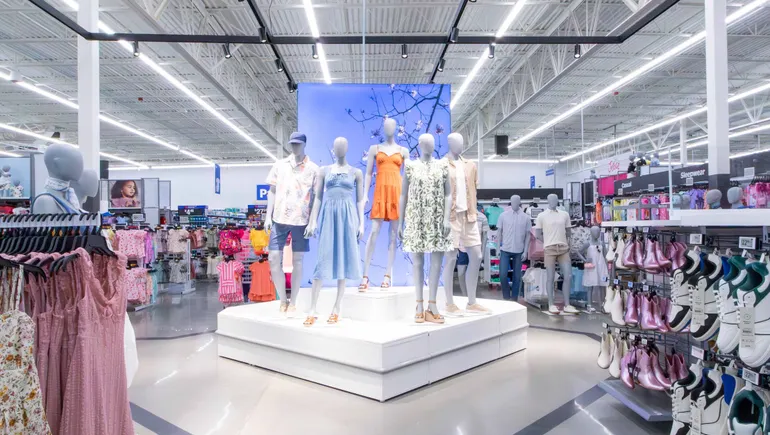
"Customer research showed nearly one in five women identified boho as one of their top style preferences, while none of our existing private brands were perceived as serving that aesthetic," a Walmart spokesperson stated during the launch announcement.
From Test Lab to Nationwide Rollout
The road to Scenario began with a controlled test phase. Walmart integrated bohemian-inspired pieces into the Time and Tru collection to gauge the appetite of their existing customer base. The response was immediate and overwhelmingly positive, providing the company with the confidence to transition the style into its own standalone brand. Scenario is designed to be modular, offering a wide array of mix-and-match pieces that allow shoppers to build a cohesive wardrobe without the premium price tag typically associated with boutique fashion.
Chronology of a Fashion Pivot
Walmart’s transformation into a fashion-forward retailer is a decade-long story of reinvention. The company’s journey from a "basics-only" provider to a trend-conscious destination can be traced through several key milestones:
- 2019: The Reimagining of Scoop: Recognizing the need for a trend-forward, accessible label, Walmart breathed new life into the once-defunct Scoop brand. This marked the retailer’s first significant step into the world of elevated, fashion-forward private labels.
- 2021: Creative Leadership: In a move that signaled serious intent, Walmart appointed high-profile designer Brandon Maxwell as the creative director for both Scoop and Free Assembly. This move brought a level of design sophistication previously unseen at the big-box level.
- 2024: Omni-Channel Integration: With the rapid growth of e-commerce, Walmart began optimizing its digital storefronts, ensuring that its private labels were as visible online as they were on the floor of a physical Supercenter.
- August 2026: The Scenario Launch: Following months of rigorous market testing and supply chain optimization, Scenario officially hits shelves nationwide, representing the most aggressive expansion of an in-house fashion brand in the company’s recent history.
Supporting Data: The Economics of Style
The strategic pivot toward fashion is yielding tangible results for Walmart’s bottom line. During a recent second-quarter earnings call, the retailer reported that shoppers who engage with their fashion-forward labels, such as Scoop and Free Assembly, spend nearly twice as much per order as the average Walmart fashion customer.
This metric is critical for the retailer’s growth strategy. By successfully "upselling" the customer through lifestyle-oriented branding, Walmart is increasing its average transaction value—a key performance indicator for brick-and-mortar success.

Financial Performance at a Glance
Walmart’s overall financial health remains robust, providing the necessary capital to invest in these brand expansions. In the second quarter of 2026, Walmart Inc. reported:
- Revenue Growth: Nearly 6% year-over-year, reaching $188 billion.
- Transactional Strength: A 1% growth in both transactions and average ticket size.
- Digital Dominance: E-commerce sales surged by 24%, highlighting the success of the retailer’s omnichannel strategy.
- Category Performance: David Guggina, President and CEO of Walmart U.S., highlighted that fashion is becoming a standout category, noting "triple-digit comps" in the Scoop and Free Assembly segments.
Official Responses: A Commitment to Growth
Walmart leadership remains bullish on the potential of its apparel segment. The strategy is clear: provide value, but don’t sacrifice style.
"We’re seeing strength in fashion," David Guggina stated during the Q2 2027 earnings call. "I’m really excited about some of our private brands, [specifically] Scoop and Free Assembly. We’re seeing triple-digit comps in those areas."
The company’s leadership emphasizes that the success of these brands lies in their ability to offer "attainable luxury." By bringing in top-tier design talent and listening to granular consumer data, Walmart is successfully shedding its reputation as a place for "just basics." The introduction of Scenario is a testament to this commitment—it is a brand built on the data-backed belief that the Walmart shopper of today is as fashion-conscious as the shopper at a high-end department store.
Implications: The Future of Big-Box Retail
The launch of Scenario carries significant implications for the broader retail landscape.

1. The Death of the "Basics-Only" Model
Walmart’s success suggests that the era of big-box retailers being restricted to low-margin staples is ending. By leveraging private labels, retailers can maintain higher margins and foster deeper customer loyalty. Competitors will likely be forced to reassess their own apparel strategies to avoid losing ground to Walmart’s increasingly sophisticated merchandising.
2. Data-Driven Design
Scenario represents the triumph of data-driven retail. By identifying the "boho" trend through specific customer feedback and testing it within existing, trusted brands before spinning it off, Walmart minimized its risk. This methodology—test, measure, iterate, and launch—is becoming the industry standard for agile retail.
3. The Omnichannel Synergy
The strength of the Scoop and Free Assembly brands—and now Scenario—is their digital-first visibility. Even as the brand is displayed in physical Supercenters, the e-commerce infrastructure allows for a curated browsing experience that mirrors the experience of shopping at a specialty boutique. This hybrid approach is effectively turning every Walmart location into a mini-department store.
4. Competitive Pressure on Specialty Retailers
As Walmart continues to close the gap in quality and design, traditional specialty retailers and mid-market fashion chains face an existential challenge. If a shopper can find a high-quality, trend-aligned bohemian blouse at Walmart for a fraction of the cost found at a mall-based competitor, the "value-to-quality" ratio shifts significantly in Walmart’s favor.
Conclusion
The debut of Scenario is more than a new clothing line; it is a manifestation of Walmart’s evolution. By blending deep-dive consumer research with the massive scale of its supply chain, Walmart is proving that it can compete in the high-stakes world of fashion. As the retailer continues to grow its private-label portfolio, the line between big-box retail and fashion-forward shopping will continue to blur, much to the benefit of the cost-conscious, style-seeking consumer. With triple-digit comps in its existing fashion brands and a clear, data-backed vision for the future, Walmart is not just keeping up with the trends—it is defining them.