London, UK – When we gaze upon a faceted gemstone, our eyes are drawn to its captivating colours, its crystalline transparency, and the dazzling interplay of brilliance and fire. Yet, the very essence of this visual spectacle, the meticulous craftsmanship that transforms a rough stone into a breathtaking jewel, often goes unappreciated. Gem-A Gemmology Tutor, Pat Daly, offers an insightful exploration into the intricate world of diamond cutting and shaping, delving into the techniques of faceting, the crucial elements of symmetry, the vital quality factors, and the universally recognized 4Cs. This comprehensive look reveals how the fashioning of a gemstone—encompassing its cut style, shape, and the precision of its execution—profoundly influences its ultimate beauty.
The Genesis of Gemstone Radiance: A Spectrum of Cutting Styles
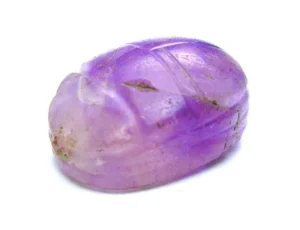
The journey of a gemstone from its raw, unrefined state to a polished masterpiece involves a diverse array of cutting styles. Beyond the universally admired faceted stones, this art form encompasses the creation of carved pieces, smooth beads, and the distinctive cabochon cut, which reveals a stone’s colour and phenomena through a domed surface.
At the heart of gem cutting lies faceting, a practice that involves precisely placing numerous flat surfaces, or facets, onto a gemstone. The primary faceting styles, each designed to optimize a stone’s inherent properties, include:
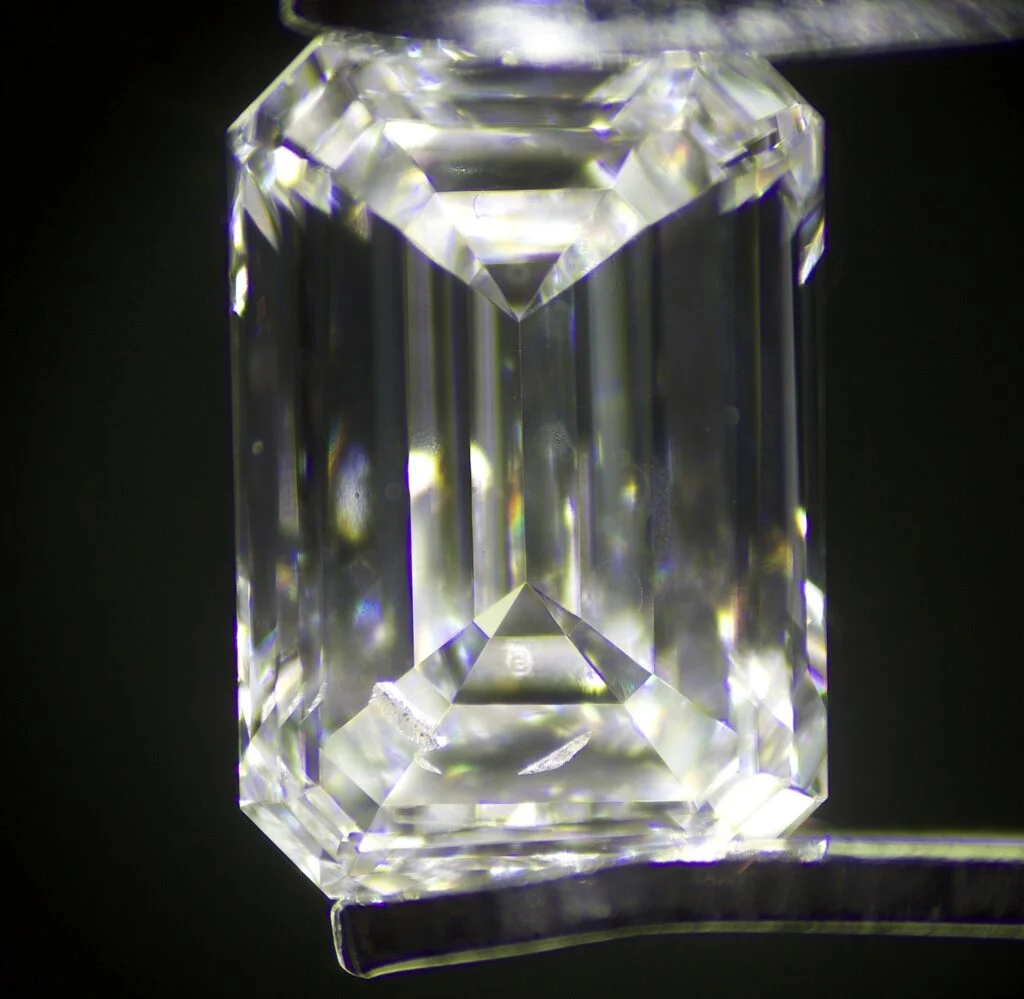
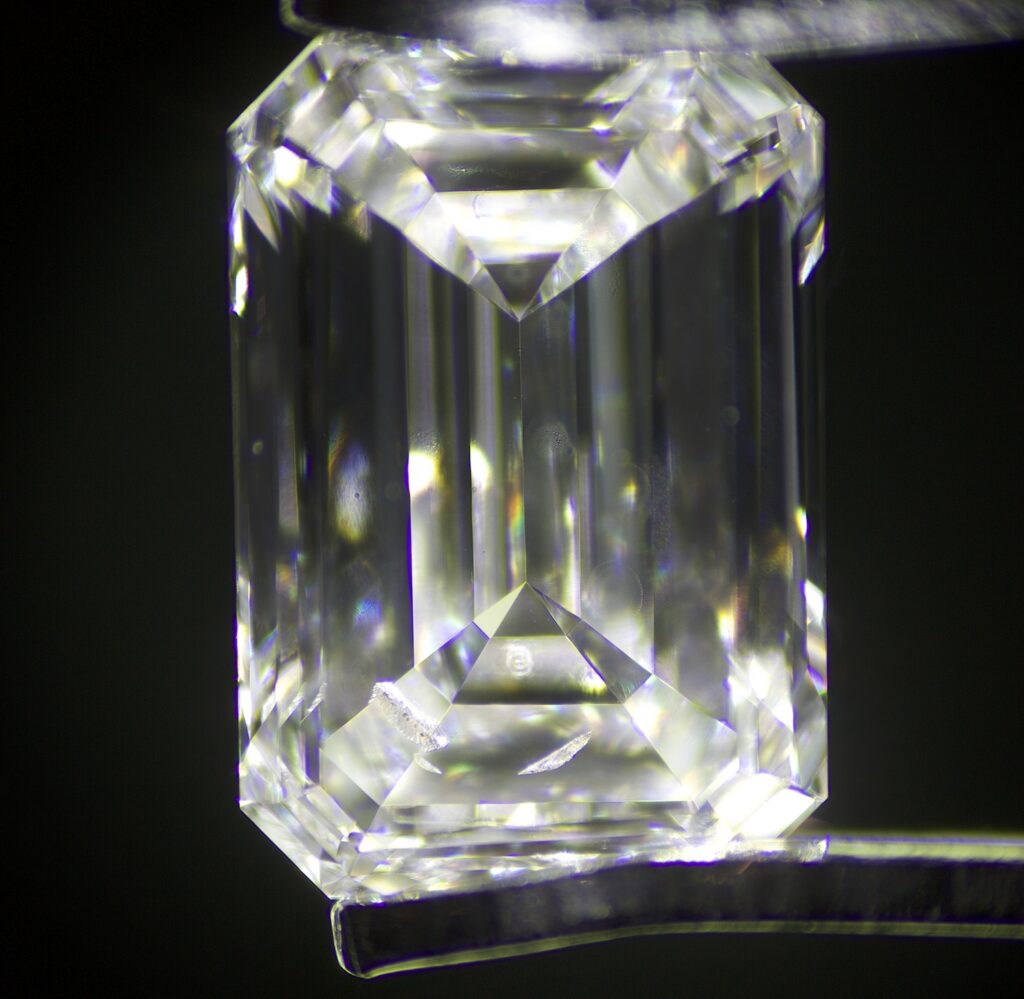
- The Step Cut: Characterized by long, parallel-sided facets, this style is reminiscent of architectural steps. It is particularly favored for emeralds and Asscher cuts, where it emphasizes clarity and the stone’s inherent color.
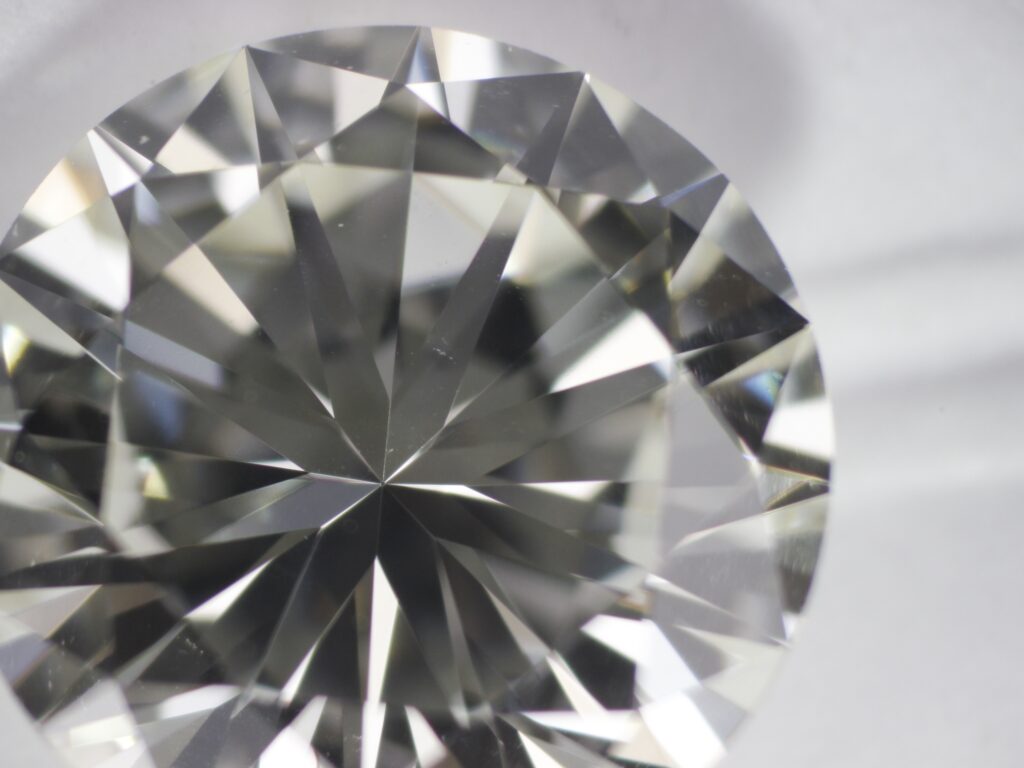
- The Brilliant Cut: This style, most famously employed for diamonds, features a multitude of small, triangular, or kite-shaped facets. Its design is engineered to maximize the reflection and refraction of light, thereby producing exceptional brilliance and fire. The modern round brilliant cut, with its 57 or 58 facets, is the pinnacle of this style, meticulously calculated to unlock a diamond’s full optical potential.
- The Mixed Cut: As the name suggests, this versatile approach artfully combines elements from both step and brilliant cuts. This allows cutters to leverage the strengths of each style, often used to enhance the beauty of specific gemstones or to preserve as much of the original rough material as possible.
While all these styles find application in enhancing the allure of colored gemstones, diamonds predominantly showcase the sophisticated designs of step cuts, brilliant cuts, and their numerous expertly crafted modifications.
Beyond the Brilliant: Exploring Diverse Diamond Shapes
The artistry of gem cutting extends beyond the fundamental faceting style to encompass a wide array of shapes, each imbuing a diamond with its unique character and aesthetic appeal.
Step Cuts and Their Angular Elegance:
Step cuts, with their clean lines and geometric precision, typically result in stones with angular outlines. Common shapes include:
- Square: A classic and timeless shape, offering a balanced display of brilliance.
- Oblong: Elongated squares, often referred to as rectangles, which can create a sense of grandeur and sophistication.
- Kite: Diamond-shaped with pointed ends, lending a distinctive flair.
These shapes are often found with truncated corners, softening the angularity and enhancing durability. While predominantly used for diamonds, step cuts can also be applied to colored gemstones, sometimes resulting in round, oval, or other more organic outlines.
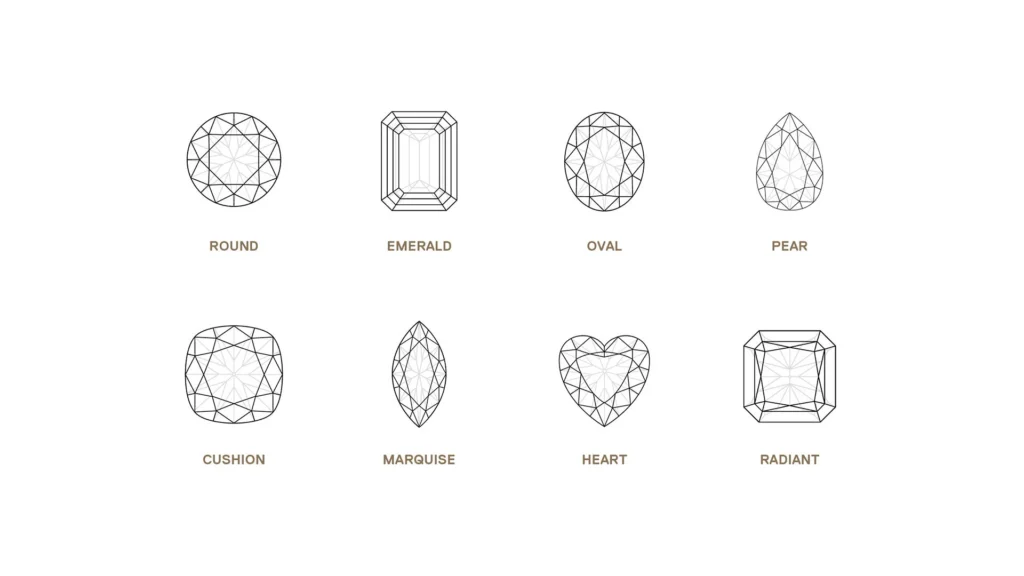
The Emerald Cut: A prime example of a step cut, the emerald cut is renowned for its elegance and ability to showcase a diamond’s clarity. Its broad, flat planes and rectangular form create a hall-of-mirrors effect, drawing attention to the stone’s internal structure. However, this openness also means that inclusions are more readily visible, making clarity a paramount consideration for emerald-cut diamonds.
The Asscher Cut: A square step cut with cropped corners, the Asscher cut is characterized by its "X" pattern of facets when viewed from above. This mesmerizing optical effect, combined with its inherent brilliance, makes it a highly sought-after choice.
Brilliant Cuts and Their Luminous Forms:
The brilliant cut, fundamentally designed for a round girdle, offers a canvas for a dazzling array of shapes, each meticulously crafted to capture and reflect light with maximum intensity. While the round brilliant remains the undisputed champion of sparkle, modifications to this core design have given rise to a captivating spectrum of popular diamond shapes:
- Oval Cut: An elongated version of the round brilliant, the oval cut offers a flattering and elegant appearance, often seeming larger than a round diamond of equivalent carat weight. Its 57 or 58 facets are strategically placed to mimic the brilliance of its round counterpart.
- Pear Shape: A hybrid of the round and marquise cuts, the pear shape features a rounded end tapering to a pointed tip. This distinctive form is beloved for its versatility, often used in pendants and earrings, and its ability to elongate the finger.
- Cushion Cut: Also known as the "old mine cut," the cushion cut is characterized by its rounded corners and larger facets, which produce a warm, fiery glow. Its history traces back to the early days of diamond cutting, evolving from earlier square shapes.
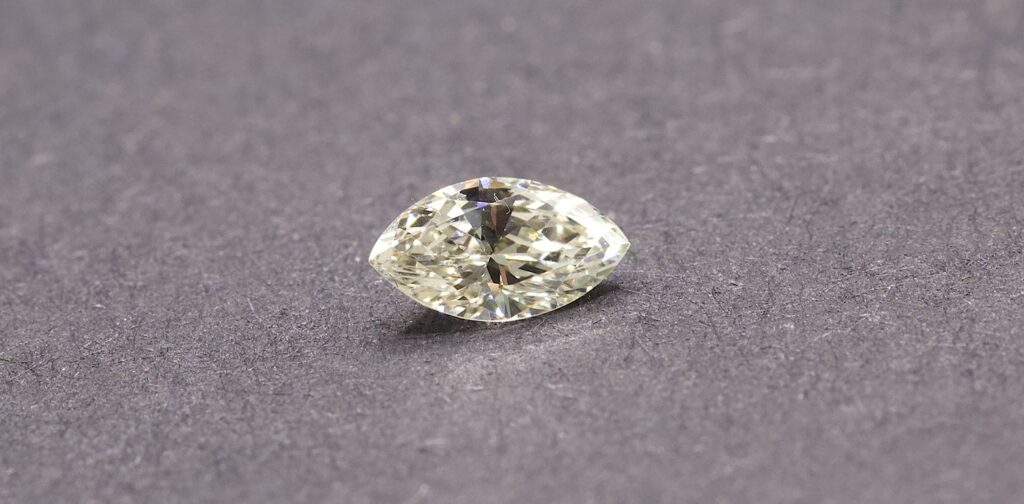
- Marquise Cut: With its elongated oval body and pointed ends, the marquise cut is designed to maximize carat weight and create an illusion of greater size. Its dramatic shape is often associated with a regal and sophisticated aesthetic.
- Heart Shape: A romantic and symbolic cut, the heart shape is a modified round brilliant, featuring a cleft at the top and tapering to a point. Achieving a perfectly proportioned heart shape requires exceptional skill from the cutter.
- Princess Cut: Emerging in the 1960s, the princess cut is a relatively modern innovation that has rapidly gained immense popularity. It is essentially a square or rectangular brilliant cut, featuring a multitude of triangular and kite-shaped facets that deliver exceptional sparkle. Its brilliance is often compared to that of a round brilliant, leading to its alternative name, the "square brilliant."
Refining the Facets for Durability and Aesthetics:
Beyond the fundamental shape, cutters often make subtle yet significant adjustments to facet arrangements to enhance both the diamond’s durability and its visual appeal. For instance, the pointed ends of pear and marquise diamonds are often modified with additional facets. This strategic alteration replaces a single kite facet with two triangular ones, effectively strengthening these vulnerable points and reducing the risk of chipping or breakage.
The Evolution of Diamond Faceting: A Historical Perspective
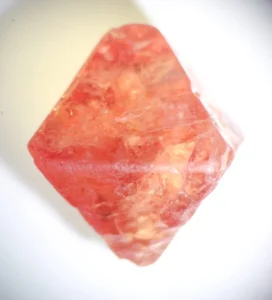
The journey of diamond faceting is a testament to human ingenuity and the relentless pursuit of perfection. It is believed that the earliest forms of diamond faceting involved simply polishing a corner of an octahedral crystal to create a rudimentary table facet. As diamond manufacturing techniques advanced, cutters began to add more facets, not only to enhance the stone’s brilliance but also to refine its sparkle – the captivating dance of light as the gem is turned.
The transition from rough, irregular shapes to more refined forms like the cushion cut, with its rounded corners, marked significant progress. The development of machinery capable of producing perfectly round girdles in the late 19th century was a pivotal moment, paving the way for the modern brilliant cut.
The Mathematical Precision of the Modern Brilliant Cut
The early 20th century witnessed a groundbreaking advancement in diamond cutting with the work of Marcel Tolkowsky. A member of a prominent diamond-cutting family and trained as an engineer, Tolkowsky applied mathematical principles to calculate the precise angles and proportions required to achieve maximum fire and brilliance in a diamond. His seminal work laid the foundation for the modern round brilliant cut, a design that has remained the benchmark for diamond beauty for decades. While minor adjustments and refinements have been made over time, Tolkowsky’s calculations continue to guide the creation of the world’s most desirable diamonds, making the round brilliant cut the most popular and revered diamond shape.
The Unseen Architects of Brilliance: Quality Factors in Diamond Cutting
While the inherent beauty of a diamond’s color and clarity are undeniable, it is the quality of its cut that truly unlocks its dazzling potential. For diamonds, which rely heavily on the reflection and dispersion of light for their allure, the cutting process is paramount. Several critical factors contribute to the quality of a finished diamond:
1. Proportions: The angles and dimensions of a diamond’s facets are meticulously calculated to ensure that light entering the stone is optimally reflected back through the crown. This intricate dance of light, both internally and externally, creates the stone’s brilliance. When light is not properly reflected, it can escape through the pavilion (the bottom part of the diamond), resulting in a dull or lifeless appearance.
2. Symmetry: Symmetry refers to the precise alignment and balance of a diamond’s facets and its overall outline. For a stone to appear pleasing to the eye and to handle light effectively, its facets must be correctly positioned and of appropriate relative sizes. Imperfect symmetry can lead to uneven light distribution, creating dark or washed-out areas within the stone, diminishing its overall sparkle.
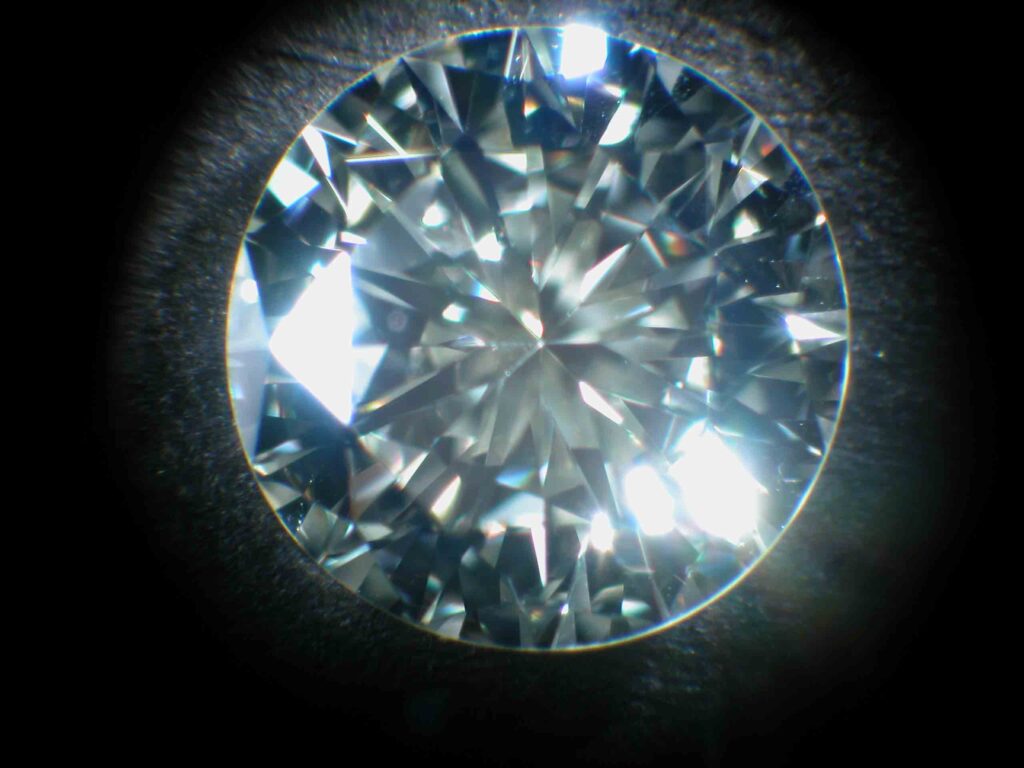
3. Polish: The surface finish of a diamond’s facets is crucial. A smooth, highly polished surface allows light to reflect cleanly, maximizing brilliance. Scratches or abrasions can scatter light, reducing the stone’s sparkle and detracting from its beauty.
4. Fire and Brilliance: The Delicate Balance:
The captivating play of light within a diamond is a result of two key optical phenomena: brilliance and fire.
- Brilliance refers to the white light that is reflected back from a diamond’s facets. A well-cut diamond will exhibit a high degree of brilliance, making it appear bright and lively.
- Fire, on the other hand, is the dispersion of white light into its spectral colors, creating flashes of rainbow hues. This occurs when light enters and exits the diamond through non-parallel facets, splitting into its constituent colors.
Achieving maximum brilliance and fire simultaneously is a delicate balancing act for diamond cutters. Increasing the height of the crown and reducing the size of the table facet can enhance fire by increasing the likelihood of light dispersion. However, this can sometimes come at the expense of brilliance. Therefore, the most skilled cutters strive for a harmonious compromise, optimizing both brilliance and fire to create a diamond with exceptional scintillation and a mesmerizing display of color.
5. Weight Conservation: In the practical world of diamond cutting, weight conservation is a significant consideration. Cutters must balance the desire for optimal optical performance with the need to retain as much of the original rough diamond’s weight as possible. This often involves making slight adjustments to proportions and facet placement that may not be immediately apparent to the naked eye but contribute to the overall beauty and value of the finished stone.
The 4Cs and the Cut Grade: A Comprehensive Evaluation
The quality of a diamond’s cut is one of the four universally recognized "4Cs" that determine a diamond’s value, alongside carat weight, color, and clarity. For brilliant-cut diamonds, gemological laboratories assign a "cut grade" based on a rigorous assessment of their proportions, symmetry, and polish. This grade provides consumers with an objective measure of how well a diamond has been cut and, consequently, how effectively it will exhibit brilliance and fire.
Beyond Measurement: The Human Element in Cut Assessment:
While objective measurements are crucial, the gemological community is increasingly recognizing the importance of incorporating the observer’s perception into the assessment of cut quality. By combining experimental data with theoretical calculations and subjective observations, gemologists aim to develop a more holistic understanding of what constitutes a truly exceptional diamond cut. As technology and our understanding of optics continue to advance, so too does the art and science of diamond cutting, promising ever more breathtaking and luminous creations.
The enduring legacy of diamond faceting lies in its ability to transform a humble mineral into a symbol of enduring beauty and value. From the earliest polished corners to the mathematically precise designs of today, the art of the cutter remains central to unlocking the inherent magic within each diamond.