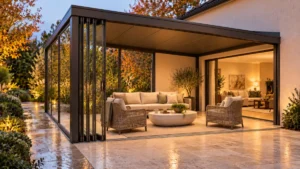
Luxury residential architecture is often defined by its audacity. From sweeping floating staircases that defy gravity to expansive, glass-walled infinity pools that blend seamlessly into the horizon, high-end homes are masterpieces of design. However, as the architectural landscape shifts toward increasingly open-concept, minimalist, and technologically integrated spaces, a critical conversation has emerged regarding the intersection of aesthetics and child safety. For affluent families, the challenge lies in curating a living environment that is as secure as it is sophisticated.
The Paradigm Shift: Integrating Safety into the Blueprint
In the past, childproofing was an afterthought—a patchwork of plastic outlet covers and temporary baby gates added long after the keys were handed over. Today, the industry is seeing a paradigm shift where safety is baked into the initial architectural concept.
Architects are increasingly adopting "safety-by-design" principles, proving that protective measures need not detract from visual appeal. For instance, instead of installing unsightly aftermarket barriers, modern designers are incorporating structural glass railings that provide visibility while exceeding safety codes, or utilizing concealed hinges and soft-close mechanisms that eliminate finger-pinch hazards.
Integrating these features during the planning stage is not merely an aesthetic choice; it is a structural necessity. When safety is treated as a core component of the design process, builders can ensure that protective elements are flush with the home’s finish, preserving the architectural integrity while providing a robust environment for growing children.
The Swimming Pool: The Centerpiece and the Hazard
Swimming pools remain the crown jewel of luxury estates, yet they represent the single greatest liability for homeowners with children. The allure of the water is undeniable, but it necessitates a rigorous approach to risk mitigation.
Essential Safety Infrastructure
To maintain a balance between resort-style luxury and rigorous safety, property owners must move beyond standard compliance. Best practices include:
- Four-Sided Isolation Fencing: Unlike perimeter fencing, isolation fencing separates the pool area from the rest of the yard, creating a definitive "no-access" zone.
- Layered Alarm Systems: Modern pool alarms use sonar or pressure-sensing technology to detect unauthorized entries into the water, providing an instantaneous alert to caregivers.
- Automated Safety Covers: High-end, motorized covers can transform a pool into a solid surface in seconds, preventing accidental submersion and keeping debris out of the water.
- Slip-Resistant Materials: Luxury decking, such as honed limestone or specialized porcelain, must be selected with high friction coefficients to ensure safety, particularly when wet.
Hidden Hazards: When Design Becomes Dangerous
Luxury homes often feature architectural choices that, while visually striking, present unique risks to children. Identifying these hazards before an injury occurs is a hallmark of responsible home ownership.
Architectural Risks to Monitor
- Floating Staircases: Open risers can pose a significant threat, as children can slip through the gaps or get their heads caught. Implementing custom-fitted, clear acrylic vertical panels can maintain the "floating" aesthetic while closing the dangerous voids.
- Expansive Terraces and Balconies: In high-altitude or coastal properties, glass balustrades must be shatterproof and reinforced to withstand impacts. Furthermore, furniture placement must be strictly monitored to prevent children from using chairs or ottomans as stepping stools to climb over railings.
- Minimalist Hardware: Sleek, handle-less cabinetry and sharp-edged stone countertops are common in modern interiors. Using rounded edge profiles (bullnose) on marble or granite counters can prevent serious lacerations during a fall.
- Weight-Bearing Elements: Large-scale art installations or heavy furniture must be anchored to structural studs. In a household with active children, unsecured top-heavy items are a leading cause of preventable accidents.
Leveraging Smart Technology for Domestic Security
The evolution of the "Smart Home" has introduced a new layer of protective monitoring. Home automation systems now act as a digital concierge for safety.
- Integrated Surveillance: High-definition, AI-enabled cameras can differentiate between pets and children, sending mobile alerts if a child enters a restricted zone, such as a home gym, workshop, or pool deck.
- Smart Access Control: Biometric locks or code-based entry systems on wine cellars, home offices, and storage rooms ensure that children cannot access cleaning supplies, medications, or heavy machinery.
- Environmental Monitoring: Smart sensors can detect water leaks before they cause slip hazards and monitor air quality, ensuring that the luxury environment is as healthy as it is safe.
The Legal Implications: The Duty of Care
Under California law, property owners carry a non-delegable "duty of care" to maintain their premises in a reasonably safe condition. This is particularly stringent when children are known to be on the property, whether they are residents or guests.
Legal experts, such as California child injury lawyers, emphasize that the "attractive nuisance" doctrine plays a significant role in residential liability. If a feature—like an unfenced pool or an unstable, climbable structure—is deemed to be inherently dangerous to a child who does not appreciate the risk, the homeowner may be held liable for resulting injuries.
Negligence in these contexts often stems from:
- Inadequate Maintenance: Failing to repair broken gates or faulty pool alarms.
- Design Negligence: Implementing architectural features that deviate from safety standards.
- Failure to Warn: Not communicating potential hazards to visitors or domestic staff.
Documentation: Establishing the Timeline
In the unfortunate event of an injury, the days following the incident are critical for documentation. Establishing a clear record of the site conditions helps legal professionals and insurance adjusters determine the sequence of events.
Families should prioritize the following steps if an incident occurs:
- Photographic Evidence: Capture the scene from multiple angles, highlighting the specific hazard—such as a slippery surface, an unlatched gate, or a malfunctioning sensor.
- Maintenance Logs: Compile records of all recent repairs, inspections, or safety upgrades performed on the home.
- Witness Statements: Document accounts from staff, visitors, or neighbors who were present.
- Medical Documentation: Keep detailed, chronological records of the child’s injuries and the required course of treatment.
Having this information organized allows families to consult with qualified legal counsel to understand their rights and the potential for recovery, particularly if the accident resulted from structural neglect or a failure to implement necessary safety standards.
The Intersection of Elegance and Responsibility
The future of luxury residential design is trending toward a more holistic view of the home. It is no longer enough for a space to be a trophy of architectural achievement; it must also serve as a sanctuary.
Professional builders and architects who specialize in high-end estates are now operating as partners in their clients’ family safety strategies. By prioritizing the human element—specifically the safety of children—these professionals are setting a new standard for the industry.
Ultimately, the goal is to create an environment where the sophistication of the architecture fades into the background, allowing the family to thrive without the constant anxiety of preventable risk. Investing in safety is not an interruption of luxury; it is the foundation upon which true, sustainable luxury is built. By marrying advanced engineering with diligent maintenance and smart technology, homeowners can ensure their estates remain both a masterpiece of design and a fortress for those they hold most dear.