By Dani James | August 20, 2026
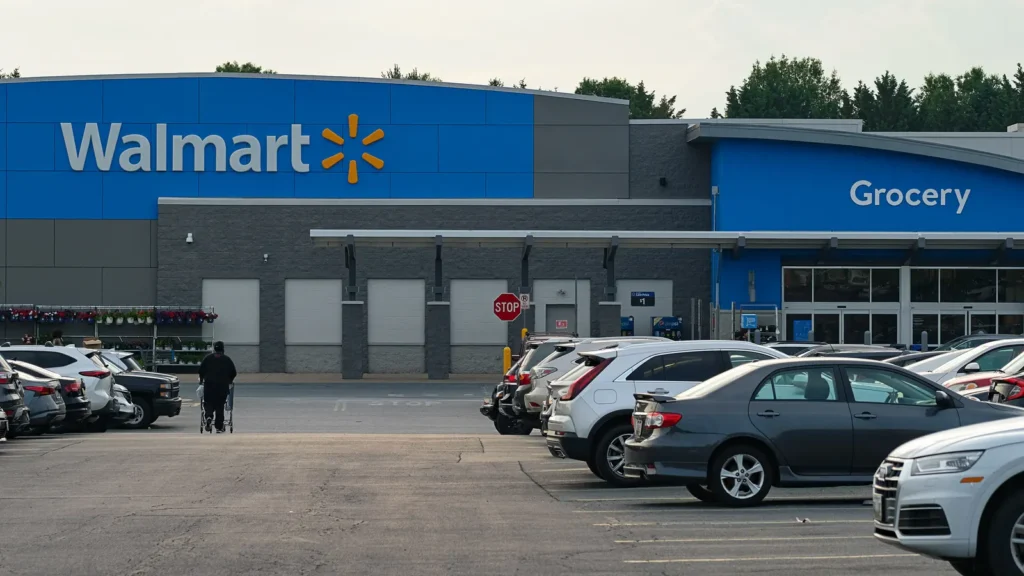
In an era defined by the rapid digitalization of the retail landscape, one might expect the physical storefront to lose its luster. However, for Walmart, the world’s largest retailer, the narrative is moving in the opposite direction. As the company navigates a complex economic environment characterized by shifting pharmaceutical regulations and evolving consumer habits, its leadership is doubling down on a core thesis: the brick-and-mortar store is not just a legacy asset—it is the strategic engine of the future.
During the company’s second-quarter earnings call, Chief Financial Officer John David Rainey articulated a vision where the physical and digital realms are no longer distinct, but rather interdependent pillars of a singular, "omni" ecosystem. Despite a softening in U.S. comparable sales attributed to new drug pricing regulations, Walmart remains a titan of industry, leveraging its massive footprint to redefine last-mile logistics and competitive pricing.
The Main Facts: A Dual Narrative of Strength and Adjustment
Walmart’s Q2 financial performance presents a nuanced picture of a retail giant successfully balancing systemic external pressures with robust internal operational gains.
The headline figure—a slight dip in U.S. comparable sales—has drawn attention, specifically due to the impact of the new "maximum fair price" regulations currently reshaping the U.S. pharmaceutical market. These regulations, which cap the costs of certain essential medications, have created a drag on the top-line growth of the company’s pharmacy segment.
Yet, beneath the surface of this regulatory hurdle, the company’s core metrics remain resilient. Walmart reported significant gains in transaction volume and market share, bolstered by aggressive growth in its e-commerce, advertising, and membership arms. Furthermore, a non-recurring but significant financial tailwind—the realization of nearly $2.9 billion in tariff refunds—provided a notable boost to the company’s gross profit margins, which climbed by 96 basis points during the quarter.
Chronology of Q2: Navigating the Headwinds
The second quarter of 2026 was marked by a series of strategic maneuvers and external shocks that tested the company’s agility.
- Early Q2: Walmart began adjusting its pricing strategy in anticipation of the impending maximum fair price regulations, aiming to maintain its "Everyday Low Price" reputation while absorbing the margin compression inherent in the new federal guidelines.
- Mid-Quarter: The retail giant accelerated its investment in "last-mile" logistics, integrating its store network more deeply into its e-commerce delivery infrastructure. By this time, it became clear that stores were handling a record volume of digital fulfillment orders.
- Late Q2: The company successfully concluded its pursuit of tariff refunds, receiving the bulk of the $2.9 billion it had identified as recoverable. This injection of capital played a critical role in offsetting the costs associated with the price investments made earlier in the quarter.
- August 20, 2026: In its formal earnings announcement, Walmart management addressed the Street, emphasizing that while Q2 comps were dampened by policy changes, the underlying health of the business is stronger than ever. CFO John David Rainey explicitly encouraged analysts to view the performance of Q2 and Q3 as a combined indicator of long-term trajectory.
Supporting Data: The Engine of Omnichannel Retail
The data underscores a fundamental shift in how retail real estate is valued. For years, skeptics predicted that e-commerce would cannibalize physical retail. Walmart’s internal metrics tell a different story.
According to Rainey, stores now serve as the "last-mile fulfillment nodes" for 80% of all e-commerce orders. Furthermore, 100% of the company’s "fast delivery" services—which have become a hallmark of the Walmart+ membership—rely exclusively on the proximity of physical stores to the end consumer.
Key Performance Indicators (Q2):
- Gross Profit Rate: Increased by 96 basis points, largely driven by the successful reconciliation of tariff refunds.
- Tariff Refunds: Approximately $2.9 billion in recovered funds, substantially all of the anticipated eligible amount, has been processed.
- Digital Penetration: Store-based fulfillment continues to scale, with record unit volumes transacted through physical locations, even as digital order volume hits new highs.
- Operating Income: Showed a significant uplift, thanks in part to the tariff refund impact, signaling a strong ability to grow profits at a faster rate than top-line sales.
Official Responses: Leadership Perspectives
CFO John David Rainey’s commentary during the earnings call served to reassure investors that the "store-first" strategy is the correct path forward.

"The role of our stores has evolved as our model has changed," Rainey noted. "The more ‘omni’ we become, the more important our stores become—not less important, more important." He emphasized that the stores are no longer just points of sale; they are essential logistics hubs that provide the speed and efficiency required to compete with pure-play e-commerce rivals.
External analysts, while acknowledging the regulatory challenges, have largely echoed this sentiment. Jefferies analysts stated in a note following the call that "Walmart continues to operate from a position of strength," citing "broad-based share gains" and "continued strength across e-commerce, advertising, marketplace, and membership."
Similarly, the team at TD Cowen noted that they remain "encouraged by Walmart’s ability to gain share and grow profits faster than sales," despite the lower-than-expected comparable sales figures in the U.S.
Implications: The Future of the "Omni" Retailer
The implications of Walmart’s Q2 results are far-reaching for the retail sector.
1. The Death of the "Pure-Play" Debate
Walmart has effectively settled the debate regarding whether retailers need to choose between digital and physical dominance. The future, as demonstrated by their Q2 performance, belongs to the integrated retailer. By leveraging the physical footprint to reduce the cost of digital delivery, Walmart is creating a cost-efficiency barrier that pure-play e-commerce companies—which must bear the full cost of building and maintaining standalone distribution centers—will struggle to match.

2. Regulatory Risk as a Constant
The impact of drug pricing regulation on Walmart’s comps serves as a reminder that large-scale retailers are increasingly vulnerable to federal policy shifts. As Walmart expands its influence in healthcare, insurance, and financial services, it will likely face more frequent regulatory scrutiny. The company’s ability to "price through" these disruptions—while using other income streams to protect its margins—will be a defining skill for management in the coming years.
3. Pricing as a Strategic Weapon
Rainey’s comments regarding the use of tariff refunds to fund "price investments" indicate that Walmart intends to be aggressive. By pouring these one-time windfalls back into lower prices for consumers, Walmart is signaling to competitors that it will not sacrifice market share to pad short-term profits. This "defensive offense" strategy is designed to keep customer loyalty high in an inflationary, high-interest-rate environment.
4. Long-Term Guidance
The guidance for Q3 is particularly instructive. By asking the market to look at Q2 and Q3 as a singular performance block, the company is attempting to smooth out the "idiosyncrasies" created by the tariff refunds and the implementation of pharmaceutical price caps. This signals to investors that the company expects the volatility of the first half of the year to stabilize as the market adjusts to the new regulatory reality.
Conclusion
Walmart stands at a unique crossroads in its history. It is a legacy retailer that has successfully transformed itself into a technology-driven logistics powerhouse. While the impact of drug pricing regulations has introduced a temporary friction to its comparable sales figures, the structural advantages of its massive physical network have never been more pronounced.
As the company looks toward the remainder of the year, its focus remains clear: deepen the integration between the store and the screen, maintain a relentless grip on pricing, and continue to extract value from its sprawling supply chain. For investors and industry observers alike, the lesson of Q2 is that the "omni" transformation is not just a marketing buzzword—it is the operational reality of modern, high-volume retail.