Text by: Luo Jingmei
Shanghai is a city defined by its relentless momentum. As a global nexus where the storied colonial architecture of the 1800s meets the dizzying, neon-lit ambition of the 21st century, the city’s pulse is undeniably fast. Beneath the cacophony of its bustling thoroughfares and the shadows cast by its futuristic skyline, a sophisticated wellness culture has quietly taken root. For the modern traveler, these spas offer more than mere indulgence; they serve as essential recalibration points, blending cutting-edge scientific innovation with the wisdom of centuries-old healing traditions.
In this exploration, we venture behind the closed doors of three of Shanghai’s most prestigious wellness destinations, examining how they provide an essential antidote to urban fatigue.
The Philosophy of Urban Retreats: Why We Need to Pause
In an era of hyper-connectivity, the concept of the "urban resort" has transitioned from a luxury to a psychological necessity. Scientific studies consistently link chronic exposure to urban stimuli—noise, light pollution, and sensory overload—to elevated cortisol levels and cognitive fatigue.
The spas selected for this report represent the pinnacle of architectural and therapeutic design in Shanghai. They do not merely offer treatments; they curate sensory environments—through lighting, sound, and material choice—that encourage the parasympathetic nervous system to take over. By integrating indigenous flora, ancient meridians, and advanced radiofrequency technologies, these venues allow guests to bridge the gap between their frenetic professional lives and the restorative silence required for true health.
1. Spa Alila, Alila Shanghai: Where Nature Meets the Concrete Jungle
Located in the vibrant Jing An district, Spa Alila serves as a masterclass in spatial transition.
The Atmosphere
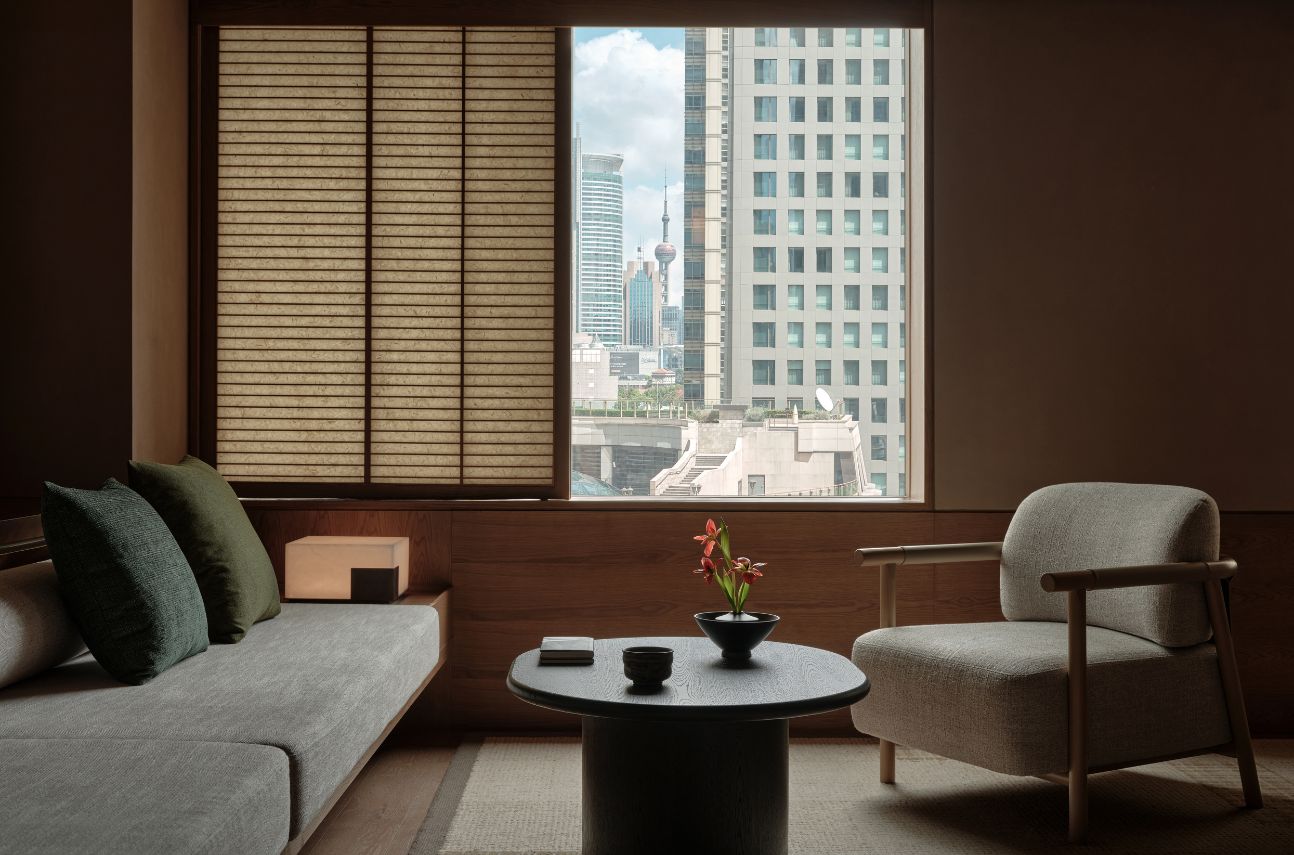
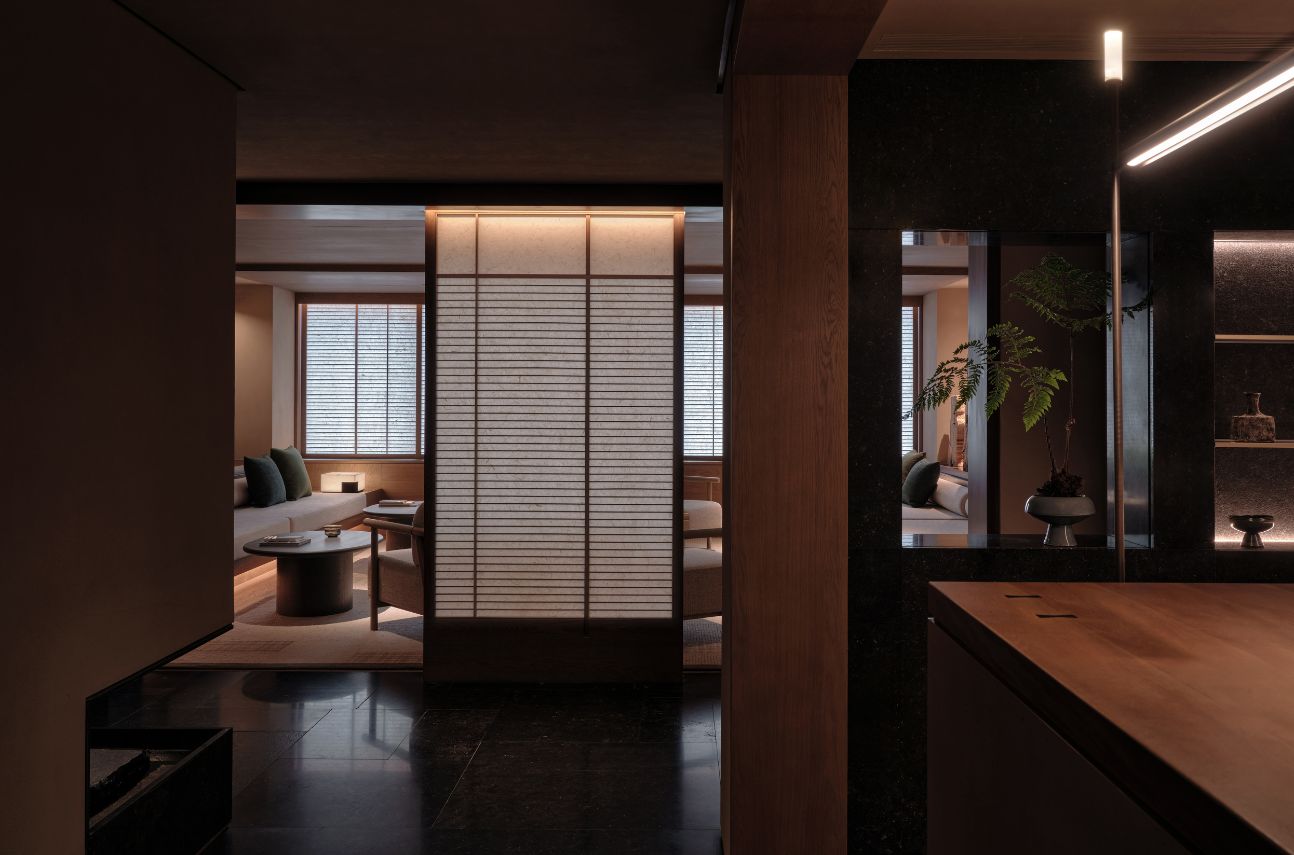
The journey begins at the threshold. Moving from the street level to the spa’s reception, the environment shifts immediately. The presence of a subtle water feature, the tactile warmth of wood finishes, and the soft, diffused light filtered through Japanese Shoji screens create a sanctuary that feels miles away from the metropolitan roar. Yet, the hotel’s design remains self-aware; one can pull back the screens to view the complex tapestry of Shanghai—a juxtaposition of restored Shikumen brick townhouses set against the backdrop of soaring glass skyscrapers.
Signature Methodology: The Alila Signature Massage
The spa’s philosophy is rooted in the "urban resort" concept, focusing on rapid decompression. For those with the luxury of time, the experience begins with the picking of fresh herbs from the hotel’s onsite organic garden. These botanicals are then infused into the 90-minute Alila Signature Massage.
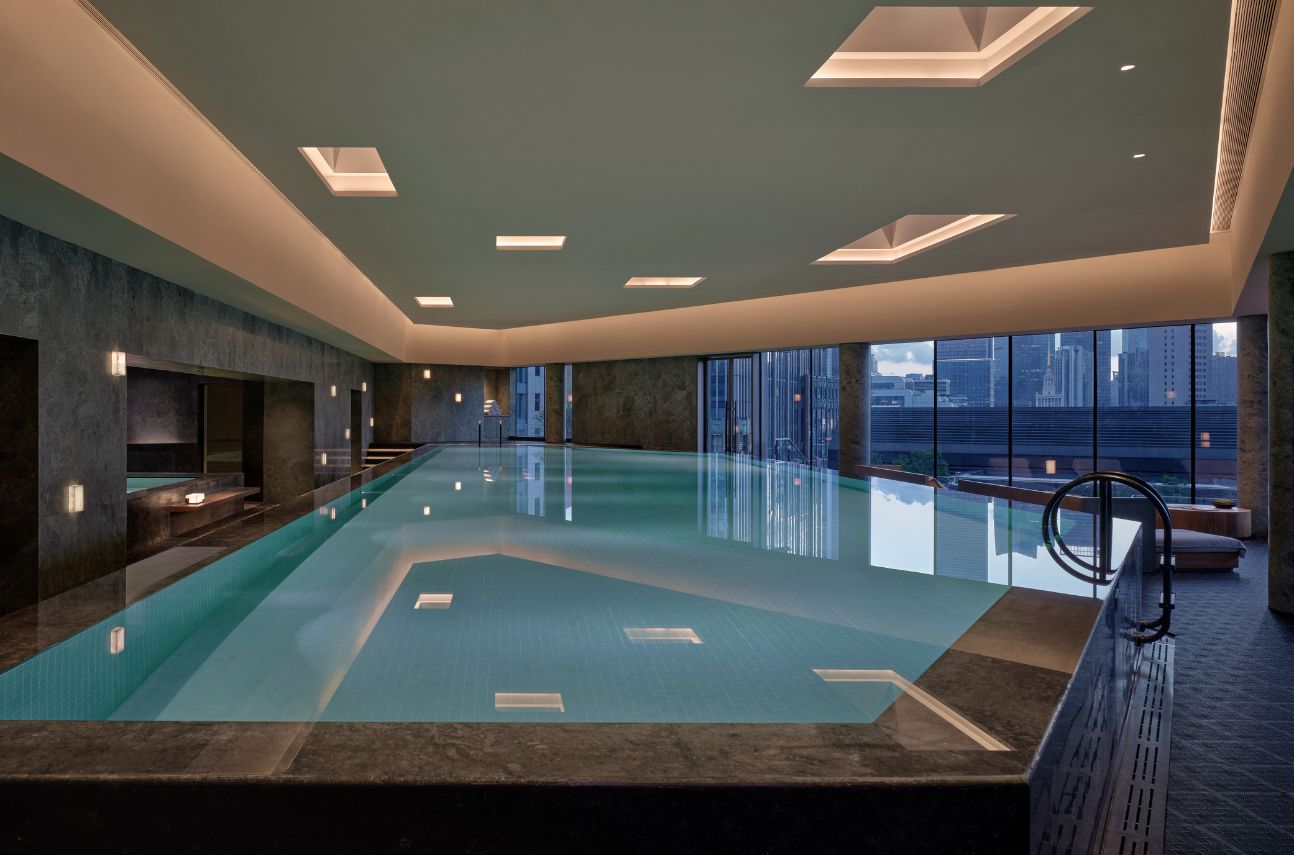
The facility boasts a comprehensive wellness circuit, including a city-view swimming pool, a traditional Turkish bath, and a hydrotherapy pool. Each of the five treatment rooms is named after a healing plant, such as Sandalwood, maintaining a thematic consistency that reinforces the connection to nature.
The Zen Wood Therapy Experience
For a truly distinctive experience, I opted for the "Thereal Zen Wood Therapy." This treatment is a multi-sensory journey that utilizes sound as a tool for nervous system regulation. Drawing inspiration from Tibetan singing bowl therapy, the session incorporates a "Rain Bamboo" ritual. The therapist utilizes a bamboo instrument that, when inverted, perfectly mimics the sound of rainfall. This acoustic immersion acts as a sedative, priming the body for a deep-tissue massage that feels both fluid and profoundly effective.
2. Shanghai Auriga Spa: A Heritage-Inspired Haven
Nestled within the brick-clad walls of the Capella Shanghai, Jian Ye Li, the Shanghai Auriga Spa offers a historical narrative that contrasts sharply with the contemporary minimalism of the city’s newer districts.
Historical Context and Design
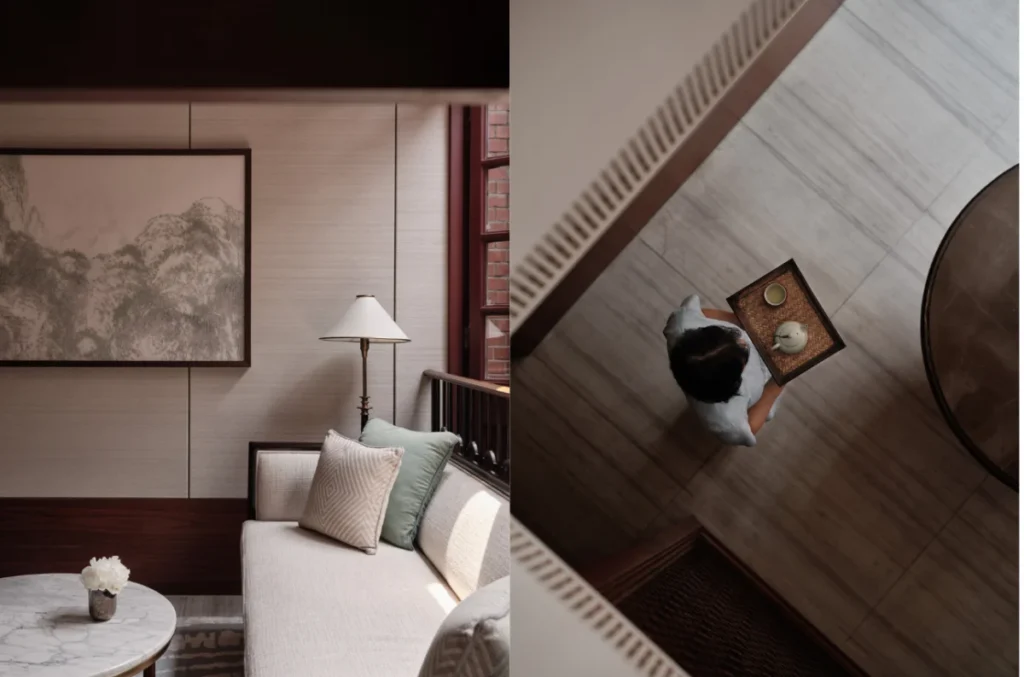
The spa block was designed by the late, legendary interior designer Jaya Ibrahim. It reflects the architecture of the 1930s Shikumen villas that define the surrounding Xuhui District. Accessing the spa through the original laneways—where community life flourished nearly a century ago—provides a sense of temporal displacement. Inside, the design is a sophisticated marriage of chinoiserie and modern European sensibility.
The Wellness Circuit
The spa spans three levels, yet the layout feels intentionally intimate. Guests are encouraged to arrive early to utilize the diverse facilities, which include:
- Gender-specific steam and sauna rooms: Designed for privacy and gradual detoxification.
- Vitality Pool: Utilizing gravity-free buoyancy to relieve joint pressure.
- Salt Room: Focusing on respiratory health.
- Flotation Therapy Pod: An advanced sensory deprivation environment.
The Traditional Chinese Meridian Massage
Given the location, I chose a traditional Chinese Meridian massage. Unlike Western massages that rely on oils and gliding strokes, this is a dry, clothed treatment rooted in Traditional Chinese Medicine (TCM).
The goal is to unblock the flow of Qi (vital energy) and blood. The therapist applies rhythmic, precise pressure with thumbs and palms along specific energy pathways. The experience is meditative; as the therapist works on the acupressure points along the feet, the distinction between wakefulness and sleep dissolves entirely, marking a profound state of somatic release.
3. Mi Xun Spa: The Science of Cellular Regeneration
Descending into the basement of the Upper House Shanghai, one is greeted by a curved tunnel of charcoal-toned stone. This architectural choice by Piero Lissoni sets the tone for the Mi Xun Spa: a cavernous, minimal-luxe environment that completely shuts out the world.

The Innovation: INDIBA® Technology
Mi Xun stands out for its commitment to science-backed wellness. Its flagship offering is the INDIBA® treatment, a non-invasive radiofrequency (RF) therapy. Using a patented 448 kHz frequency, the technology employs "Proionic® Cell Boost" technology to stimulate the body’s healing at the cellular level.
"Traditional heat-based therapies target only the superficial layers of the skin," explains Beverly Dong, Director of Spa at The Upper House. "However, INDIBA®’s treatment goes beyond the surface. It reaches into underlying structures, including the fascia, muscle, and even bone. It is an investment in both immediate relief and long-term metabolic health."
The Immune System Healing Treatment
My 60-minute session focused on the Immune System Healing protocol. The process involves a conductive gel, which is warmed to body temperature to facilitate the penetration of RF energy. The machine’s metal electrodes glide over the skin, delivering a sensation of gentle, deep warmth.
The implications of this treatment are significant: beyond the reduction of muscular stiffness, the therapy promotes collagen production and helps break down localized fat deposits. Post-session, the feeling of ease is palpable, though as with any metabolic-boosting treatment, hydration is essential as the body continues to process the systemic benefits in the hours that follow.

Implications: The Future of Urban Wellness
These three venues—Spa Alila, Shanghai Auriga, and Mi Xun—represent the evolution of the luxury spa. No longer are these spaces merely about cosmetic pampering. They have become critical infrastructure for urban dwellers.
By integrating TCM, sound therapy, and radiofrequency technology, these spas recognize that the modern body is subject to stressors that require a multi-disciplinary approach. As Shanghai continues to expand and its pace of life accelerates, the value of these "pause buttons" will only increase. For the resident or visitor alike, these sanctuaries provide a necessary reminder: in a world that demands constant motion, the most productive thing one can do is to breathe, recalibrate, and be still.