
By TechCrunch Staff
Updated: October 26, 2026 | 8:58 AM PDT
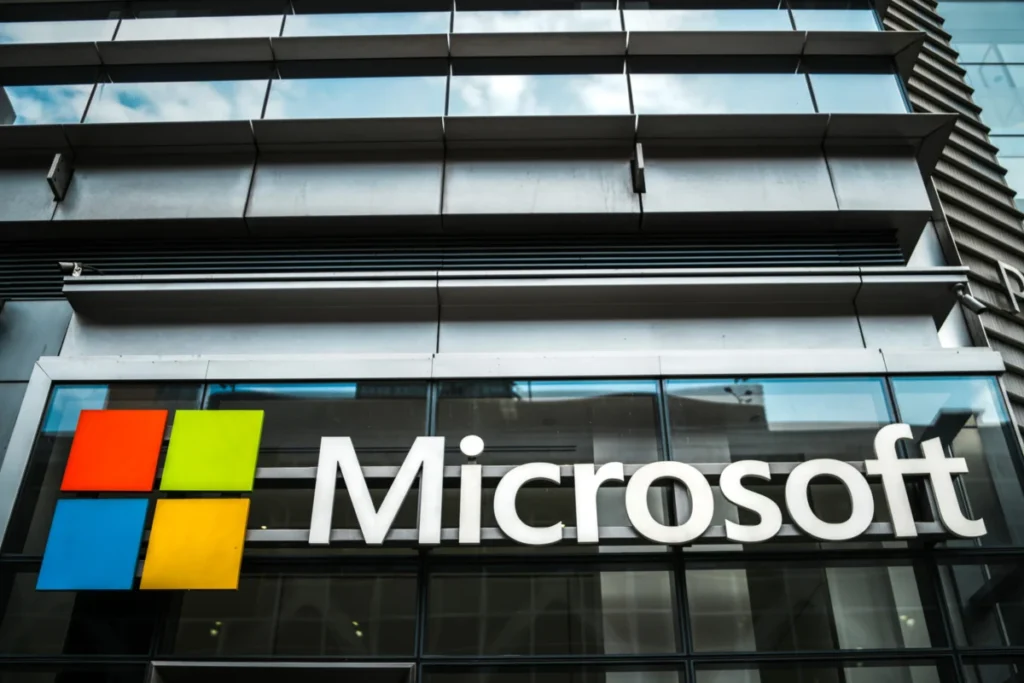
In a significant restructuring effort that signals a profound shift in corporate strategy, Microsoft has announced a voluntary buyout program impacting approximately 60,000 employees. The move, reported initially by Business Insider and Bloomberg, represents one of the largest voluntary separation initiatives in the technology sector’s history. As Microsoft doubles down on its integration of artificial intelligence across its entire software stack, the company is actively reshaping its human capital to match its evolving technical requirements.
The Scope of the Voluntary Exit Offer
The buyout program is geographically targeted, focusing on personnel based in the United States, Canada, India, and the United Kingdom. Eligibility is restricted to employees at the vice president level and below within specific divisions. Notably, the company has excluded critical operational sectors—including data center management, core sales, and marketing teams—from the offer, suggesting that the company aims to trim administrative or legacy-product overhead while protecting the teams responsible for infrastructure and revenue growth.
The program, dubbed the "Voluntary Exit Offer," is designed to provide eligible employees with a graceful exit path. Those who choose to accept the offer will be granted benefits packages comparable to standard corporate severance, providing financial support and health benefits as they transition into new professional chapters.
Chronology of Restructuring: A Pattern of Change
This October announcement is not an isolated incident but rather the latest chapter in a broader narrative of workforce optimization that Microsoft has pursued throughout 2026.
- April 2026: Microsoft signaled its intent to streamline its aging workforce, offering buyouts specifically to employees nearing retirement age. At that time, the offer was extended to approximately 8,750 workers. The uptake was substantial, with more than 30% of the eligible pool opting to take the package.
- Summer 2026: Throughout the intervening months, industry analysts noted a cooling in hiring velocity across Microsoft’s non-AI divisions. The company began internal audits of team productivity, focusing on departments that were not directly contributing to the development of Azure AI, Copilot, or foundational Large Language Model (LLM) research.
- October 26, 2026: Chief People Officer Amy Coleman formally addressed the global workforce via a memo. The announcement crystallized months of speculation regarding how Microsoft would reconcile its massive headcount with the efficiency gains promised by generative AI.
Understanding the "AI-First" Workforce Mandate
The decision to offer buyouts to 60,000 employees is rooted in the "AI-first" mandate championed by CEO Satya Nadella. As Microsoft embeds AI agents into everything from the Windows operating system to the Office suite, the nature of work at the company has shifted.
The company is currently prioritizing "AI-native" skills. Legacy roles, which may have focused on maintenance of older software ecosystems or manual data processing, are increasingly being automated or consolidated. By incentivizing voluntary departures, Microsoft avoids the morale-sapping impact of mass involuntary layoffs while simultaneously creating budgetary room to hire specialized talent in machine learning engineering, ethics compliance, and AI-driven cloud architecture.
Official Responses and Internal Communication
In her note to staff, Chief People Officer Amy Coleman characterized the buyout as a proactive management strategy rather than a reactive cost-cutting measure.
"The Voluntary Exit Offer reflects an important part of how we’re evolving our approach to change: creating greater flexibility and, where possible, more ways for employees to shape their next chapter," Coleman wrote. "This offer gives eligible employees who may be considering a future outside the company a new choice to make that transition now with support."
The phrasing underscores a corporate culture shift: Microsoft is attempting to frame these departures as "transitions" rather than "terminations." By offering a financial cushion, the company hopes to maintain its reputation as a desirable employer even while drastically shrinking its footprint in non-essential areas.

At the time of this report, Microsoft corporate communications had not provided further comment to media inquiries, maintaining a strategic silence that has allowed the internal memo to serve as the primary source of information.
Implications for the Tech Labor Market
The ripple effects of this program will likely be felt across the entire technology ecosystem. 60,000 individuals represents a massive influx of seasoned talent into the job market.
1. The "Brain Drain" Risk
While Microsoft aims to shed roles that it deems less relevant to its AI future, there is a risk that high-performing employees—who possess the most portable skills—may accept the buyouts to pursue opportunities at startups or competitors. Microsoft will need to carefully balance its desire to reduce headcount with the need to retain institutional knowledge that is still vital to its core enterprise business.
2. Economic Impact in Tech Hubs
Given the geographic spread of the offer—specifically the U.S., Canada, India, and the U.K.—local economies in regions like Seattle, Vancouver, Bangalore, and London may see an immediate increase in the supply of high-end software labor. For smaller firms that have struggled to compete with Microsoft’s salary and benefits packages, this could be an opportunity to acquire top-tier talent.
3. The Future of Corporate Efficiency
Microsoft is setting a precedent for other Big Tech firms. As companies like Google, Meta, and Amazon continue to grapple with the ROI of their own AI investments, the "voluntary buyout" model may become the preferred method for managing workforce transitions. It is a cleaner, more humane way to perform a "re-org" that minimizes the public relations fallout associated with traditional layoffs.
The Financial Lens: Why Now?
Wall Street has largely reacted with cautious optimism to the news. For investors, the move is seen as an attempt to protect operating margins in an era where massive capital expenditures are required for AI data centers and GPU procurement. By lowering the payroll for legacy operations, Microsoft can reallocate those funds toward the massive electricity and infrastructure costs that underpin its AI ambitions.
Analysts estimate that even if only half of the 60,000 eligible employees take the offer, the long-term reduction in human capital costs will be in the billions of dollars. This provides Microsoft with a more agile balance sheet, allowing them to remain the primary aggressor in the AI arms race.
Looking Ahead: The Post-Buyout Landscape
As the October 26 deadline for the program begins to loom, the internal culture at Microsoft remains in a state of flux. For those remaining, the focus will shift toward integrating AI tools into their daily workflows with higher efficiency.
The company’s trajectory is clear: it is betting everything on an AI-centric future. Whether this massive workforce adjustment will pay dividends in innovation or result in an over-corrected organization remains to be seen. What is certain, however, is that the "Microsoft of 2027" will look significantly different from the company that existed only a year prior. The voluntary buyout is not just a change in headcount—it is a fundamental transformation of the firm’s DNA.
As the industry watches, the question remains: Can a company of Microsoft’s scale pivot its workforce this aggressively without losing the human ingenuity that made it a titan of industry in the first place? For now, the transition has begun, and the world of enterprise technology is waiting to see the result of this high-stakes human capital gamble.