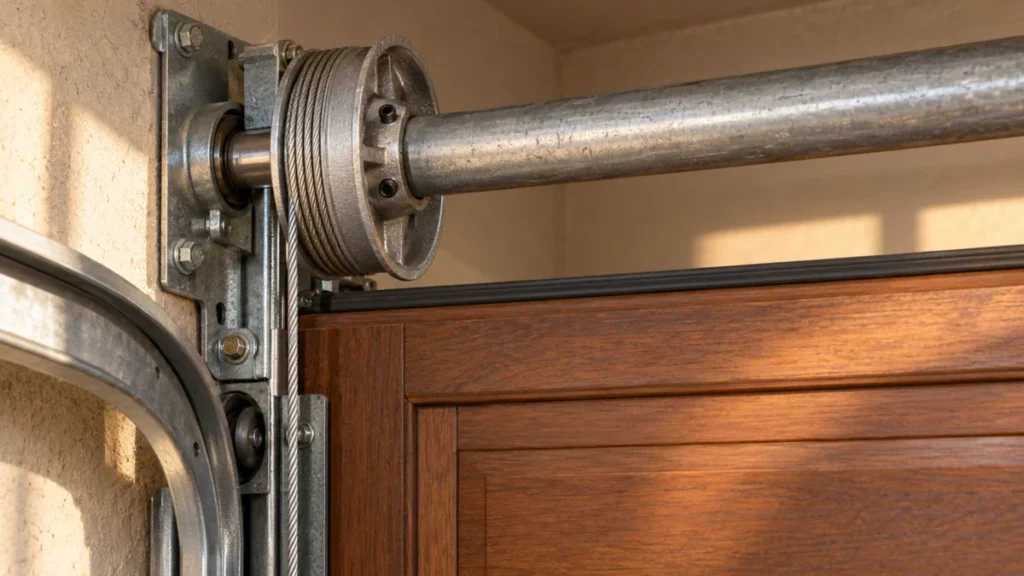
For many luxury homeowners, the garage door is the architectural centerpiece of the home’s facade. Whether it is a full-width carriage-style door crafted from solid, reclaimed wood, a sleek expanse of modern glass and aluminum, or an oversized double-door system that defies standard dimensions, these installations are marvels of both design and engineering. However, there is a dangerous misconception that these massive structures operate on their own accord. In reality, nearly every pound of that weight is managed by two relatively thin, high-tension steel cables that most homeowners never even notice.
As we move past the monsoon season of late 2026, many homeowners in the Phoenix Valley are shifting their focus toward the busy holiday months. It is a critical juncture for home maintenance—a time to ensure that the "curtain" of your home is ready for the heavy traffic of the season. This article explores the mechanics of these lift systems, the dangers of cable failure, and why the "DIY" mentality is a gamble you cannot afford to take.
Main Facts: The Anatomy of a High-Tension System
To understand why a garage door fails, one must understand the counterbalance system. A garage door is not lifted by the motor alone; if it were, the motor would burn out in days. Instead, the weight of the door is offset by heavy-duty torsion or extension springs. The lift cables serve as the critical bridge between these springs and the door panels.
These cables run from the bottom brackets of the door, traveling up the vertical tracks and wrapping around grooved drums located on the horizontal shaft above the door. When the door closes, the cables unwind; when it opens, they coil tightly around the drums. On a standard lightweight steel door, this process is routine. On a custom, oversized, or heavy material door, the stress placed on these cables is exponential. Over thousands of cycles, the individual steel strands that make up the cable begin to fatigue, rub against the drums, and eventually, lose their structural integrity.
Chronology: The Lifecycle of a Cable Failure
The degradation of a garage door cable is rarely instantaneous. It is a slow, cumulative process that typically follows a predictable timeline.
- Installation and Tensioning (Day 0): The system is balanced. The cables are taut, and the weight of the door is perfectly distributed across the hardware.
- Early Fatigue (Months 1–24): With regular use, the metal experiences microscopic stress. In climates like Arizona, where extreme heat cycles cause metal to expand and contract, this fatigue is accelerated.
- Visible Fraying (Months 24–48): The outer strands begin to break. At this stage, the door may start to make faint popping sounds or appear slightly "crooked" as it closes.
- Critical Failure (Imminent): The remaining strands can no longer hold the load. A snap is usually accompanied by a loud, startling crack, followed by the door dropping or jamming violently in the track.
For the Phoenix homeowner, the end of the monsoon season—which runs from June 15 to September 30—is the ideal time to inspect this hardware. The intense thermal stress of the Arizona summer can dry out lubricants and stress the steel. Before the holiday season brings an increase in door usage, a professional inspection is the best preventative measure.
Supporting Data: The Physics of Weight and Load
The Door and Access Systems Manufacturers Association (DASMA) provides the gold standard for safety data in this industry. Their technical bulletins consistently emphasize that "weight is the enemy of longevity."
Consider the difference between materials:
- Standard Steel: Typically weighs between 80 to 120 pounds.
- Solid Wood/Custom Overlay: Can easily exceed 300 to 500 pounds.
- Full-View Glass/Aluminum: While sleek and modern, the glass panels and heavy-duty metal framing add significant weight, which is often underestimated by homeowners who view them as "decorative."
When the door is heavier, the torque on the cable drums increases. If a cable is improperly sized or if the door balance is off by even a few degrees, the cable experiences "uneven tracking." This causes the cable to chafe against the drum or the track, essentially shaving down the protective outer layer of the steel and inviting rust.
The Implication of the "DIY" Myth
There is a prevalent, and often dangerous, trend of homeowners attempting to replace cables themselves using internet tutorials. Licensed professionals—such as those at I Love It Garage Doors (Arizona ROC #359771)—urge extreme caution.
Why DIY is not a viable option:
- Stored Energy: The cables are intrinsically tied to the spring system. These springs are under extreme tension. Even if the cable has snapped, the spring remains a lethal force. Releasing a bracket without the proper tools and knowledge can cause the spring to release, potentially resulting in catastrophic injury or massive property damage.
- Calibration: Replacing a cable isn’t just about attaching a new wire. The door must be leveled, the drums must be aligned, and the cable must be tensioned to the specific weight of your door. An improperly installed cable will snap again within weeks.
- Liability: In the event of a failure that causes injury or damage to a vehicle, insurance companies often look for evidence of improper maintenance or unauthorized repairs.
The professional stance is clear: "Do not try to lift a garage door with a broken spring or snapped cable unless it is absolutely necessary, and never stand under the door while it is unsupported."
Official Responses and Professional Standards
I Love It Garage Doors, a family-owned operation in the Phoenix Valley, emphasizes that their service model is built on transparency. According to co-owners Dana McNelis and Amelia, the industry is unfortunately rife with "scare tactics and price games."
"We built our business on the idea that homeowners deserve to know exactly what is wrong with their system," says Dana. "When we perform a cable replacement, we aren’t just swapping a wire. We are inspecting the entire counterbalance system. If the cable snapped, we have to ask why. Did the spring lose tension? Are the rollers worn out? A failure in one part is a symptom of a failure in the whole system."
This holistic approach is what separates licensed professionals from fly-by-night operators. When hiring a contractor in Scottsdale, Paradise Valley, or Fountain Hills, the homeowner should always:
- Verify the ROC License: Ensure the company is currently in good standing with the Arizona Registrar of Contractors.
- Request a Detailed Scope: Ask for a written assessment of the counterbalance system, not just the cable.
- Inquire about Warranties: Professional work should be backed by a guarantee on both labor and parts.
Conclusion: Protecting Your Investment
A garage door is not just a gate; it is a complex, high-energy machine. For custom homes in the Phoenix area, where the architectural integrity of the door is part of the home’s value, ignoring the warning signs—such as frayed strands, a door that sits unevenly, or a "heavy" feeling when operating the door manually—is a risk that eventually leads to a larger, more expensive repair.
The most effective strategy is proactive. By performing an annual inspection, testing the auto-reverse feature (by placing a 2×4 on the ground), and calling a professional at the first sign of fraying, you ensure that your home’s most prominent moving part remains safe, quiet, and reliable. After all, the best way to handle a broken garage door cable is to prevent it from ever snapping in the first place.