
London, UK – In the glittering world of gemstones, where rarity and natural beauty command premium prices, a ubiquitous and often overlooked treatment plays a significant role: dyeing. This ancient technique, far more prevalent than many consumers realize, involves the introduction of colored substances into porous or fractured gemstones. While it can enhance the aesthetic appeal of lesser stones and create more affordable alternatives to precious gems, it also presents a significant challenge for gemologists and a potential pitfall for unsuspecting buyers. Gem-A Gemmology Tutor Pat Daly delves into the intricate world of dyed gemstones, illuminating the methods, motivations, and tell-tale signs that experienced gemologists use to identify this transformative treatment.
The allure of vibrant color has driven gem treatments for centuries. Dyeing, in particular, stands out as one of the most accessible and cost-effective methods. Its primary purpose is to imbue pale, often inferior stones with desirable hues, making them appear to be of higher quality or to masquerade as more expensive natural gems. This practice, while not inherently fraudulent when disclosed, can lead to significant value discrepancies and ethical concerns if not handled with transparency.
The Alchemy of Color: How Gemstones Are Dyed
At its core, gemstone dyeing is a process of introducing coloring agents into the material’s internal structure. This is typically achieved by immersing stones in chemical solutions or pigment suspensions. To facilitate the penetration of these dyes, the gemstones often undergo preliminary treatments. Heating or chemical processes can be employed to expand existing fractures or create micro-fissures within the stone, effectively widening the pathways for the color to seep in. Once the dye has been absorbed, it is permanently fixed through various methods, including chemical reactions, further heating, or the application of waxes or resins that seal the pores and fractures, locking the color in place.
The porous nature of many gemstones makes them ideal candidates for dyeing. Translucent to opaque stones, with their inherent pore spaces, readily absorb color. However, even transparent stones are not immune. Those with significant natural fractures, or those deliberately fractured during mining or processing, can also be treated. The goal is to create a visually appealing gemstone, often mimicking the rich colors of naturally occurring, high-value gems.
A Spectrum of Techniques: From Temporary Hues to Permanent Transformations
The dyeing process can yield results ranging from temporary enhancements to remarkably permanent colorations. In some instances, pigments are carried into the stone by a liquid medium. As the liquid evaporates, the pigment remains trapped within the stone’s structure. While this method is economical, the dyes used can be prone to fading when exposed to light or washing out when the stone becomes wet, leading to a less durable and ultimately less valuable enhancement.
However, more sophisticated and permanent dyeing techniques have been developed over time. A notable example is the inorganic chemical treatment pioneered in Idar Oberstein, Germany, a region renowned for its agate processing. This region has produced agates in an astonishing array of colors, which are now widely utilized in the jewelry industry.
A classic example of permanent dyeing is the "sugar treatment." This process is particularly effective for imparting a black color to porous stones like opal and agate. In this method, stones are soaked in a hot sugar solution. Subsequently, they are treated with hot sulfuric acid. The acid reacts with the sugar, consuming its oxygen and hydrogen elements. The carbon, however, remains behind, precipitating within the stone’s pore spaces. This leaves the opal with a dark background, enhancing its iridescent "play of color," or imbues agate with a rare, uniform black appearance that is seldom found in nature.
The Motivation Behind the Hue: Enhancing Value and Imitating Rarity
The practice of dyeing gemstones is driven by a desire to enhance their visual appeal and, consequently, their market value. Historically, marble statuary was often dyed for decorative purposes, a tradition that persists in some cultures. However, in gemology, the focus is on the imitative enhancement of gemstones. Dyeing can dramatically improve the appearance of any sub-transparent stone and even some near-transparent varieties.
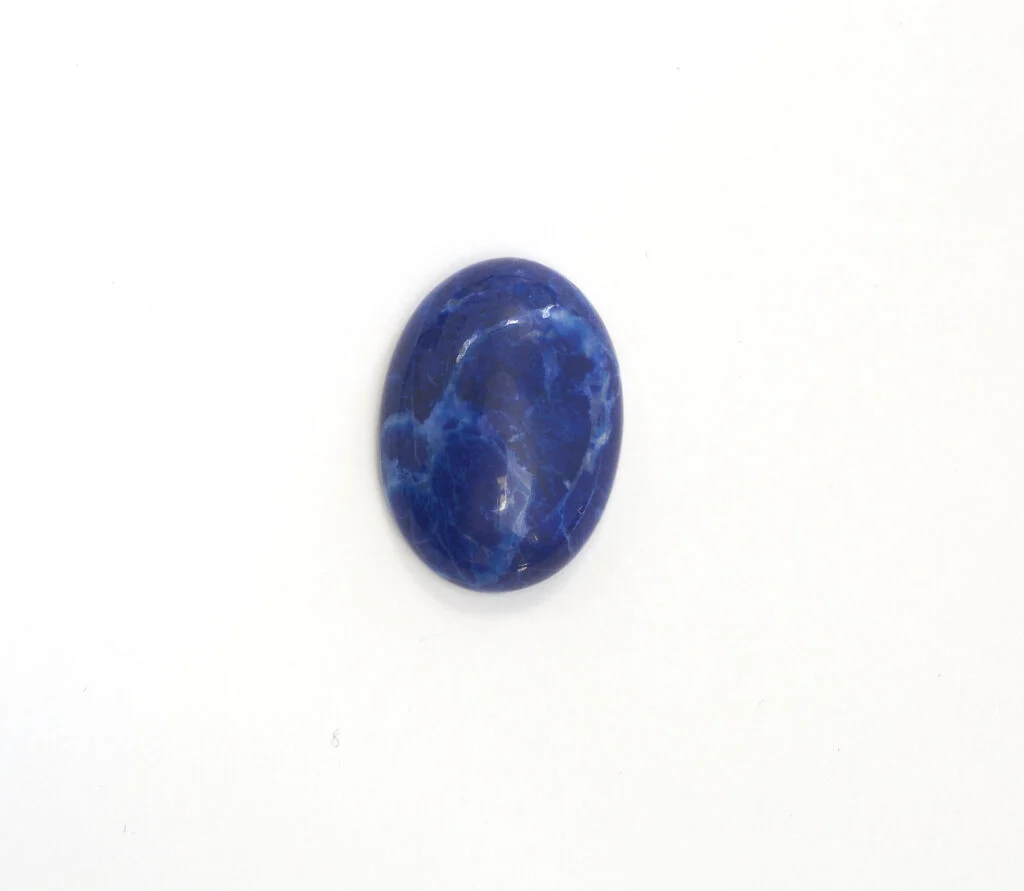
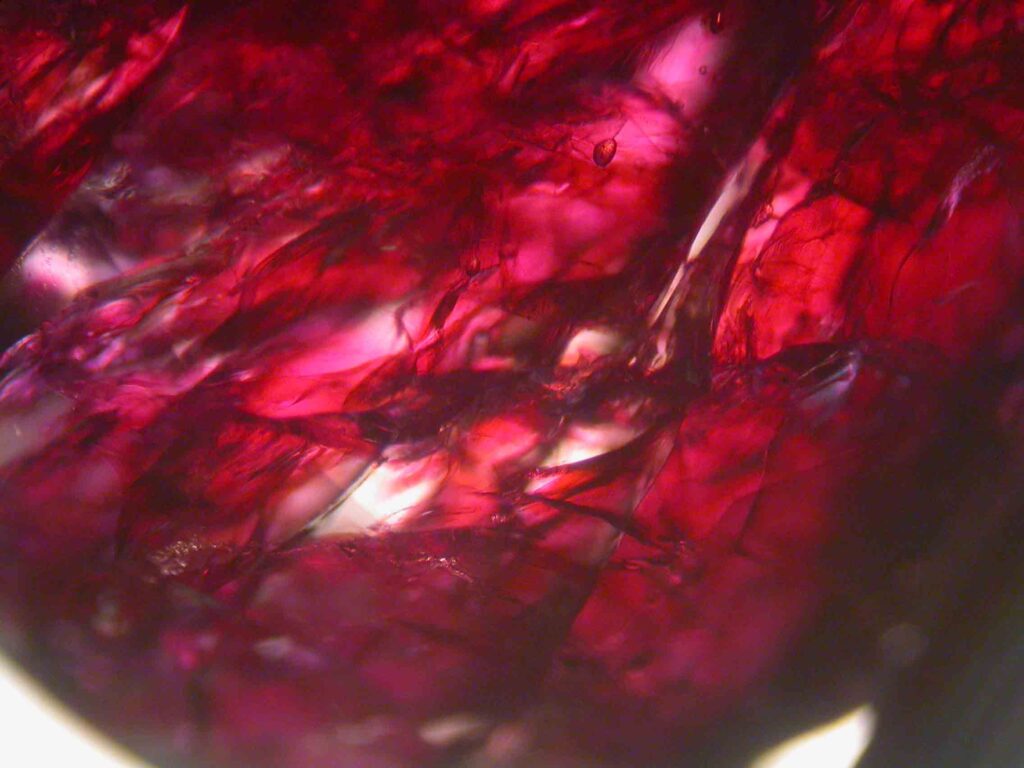
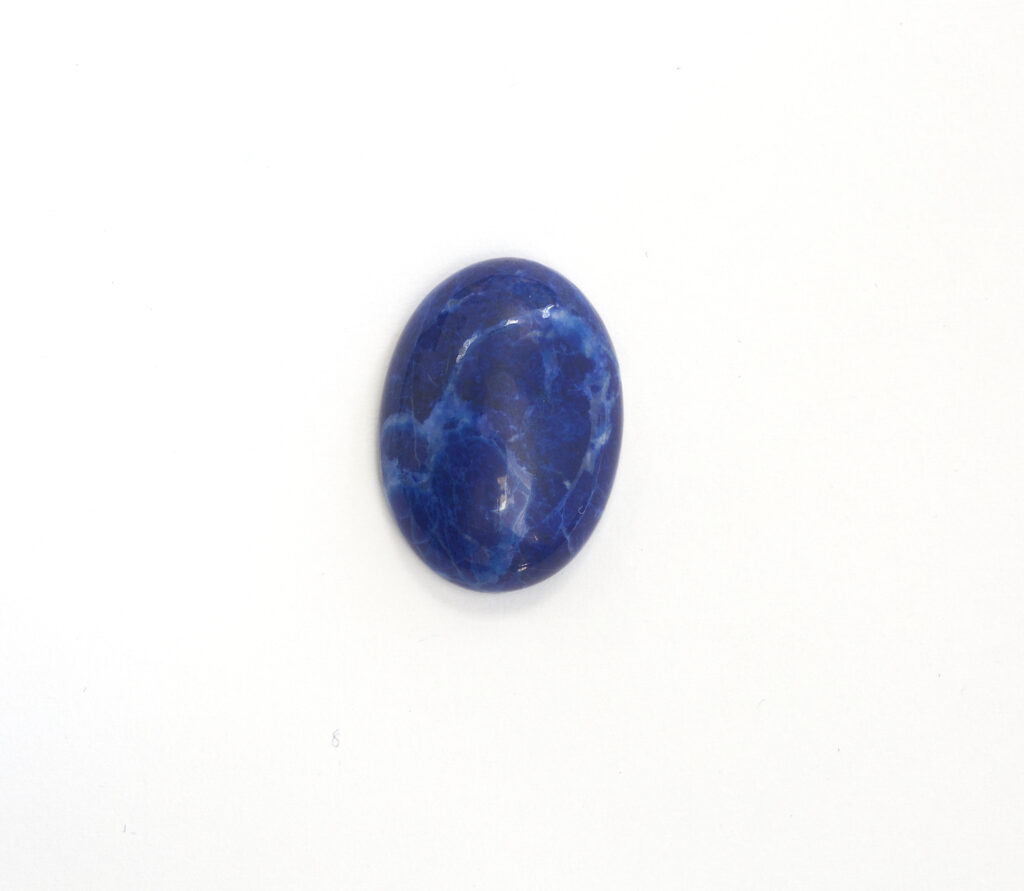
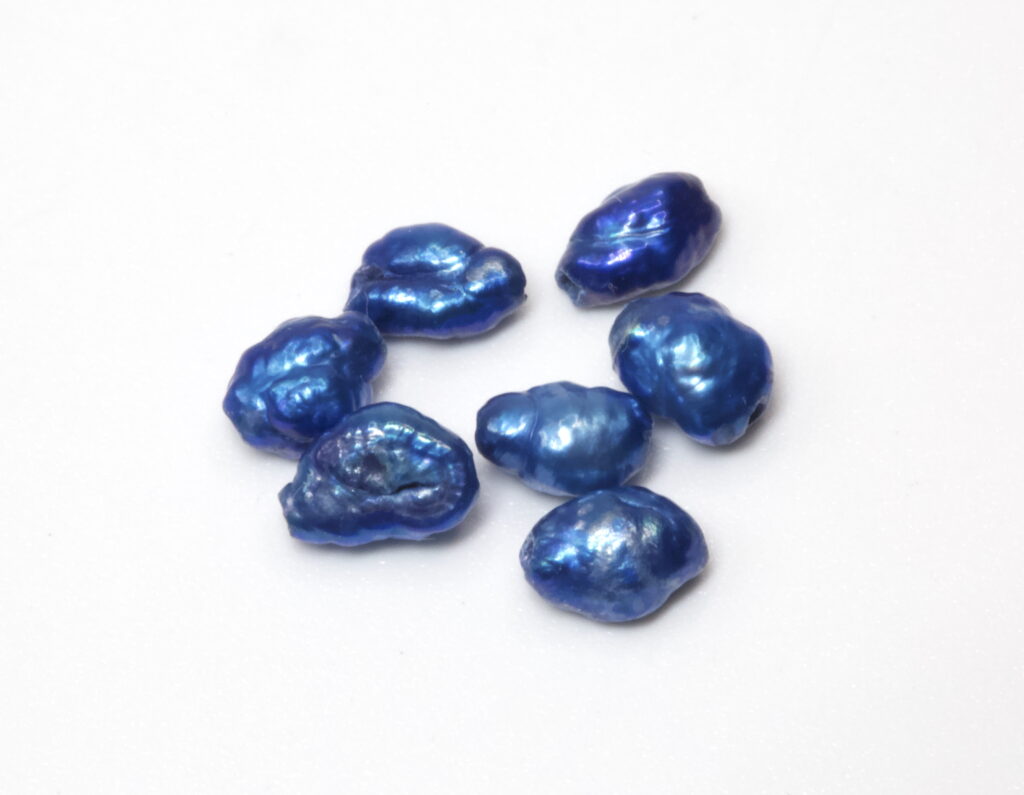
Commonly dyed materials include jadeite, opal, lapis lazuli, and pearls, where the treatment aims to intensify their existing colors or introduce entirely new ones. Furthermore, less valuable materials like quartzite, magnesite, and marble are frequently dyed to convincingly resemble more precious gemstones. Even transparent stones like corundum (sapphire and ruby) and quartz can be dyed to achieve vivid reds, blues, or a kaleidoscope of other colors.
The economic implications are significant. Dyed stones, whether they are intended as simulants or as enhanced versions of lower-quality natural stones, invariably possess a lower intrinsic value than the genuine, naturally colored gems they resemble. Therefore, the ability of gemologists to accurately identify these treatments is paramount. It safeguards consumers from misrepresentation and ensures fair market practices.
Detecting the Deception: Visual Clues for the Discerning Eye
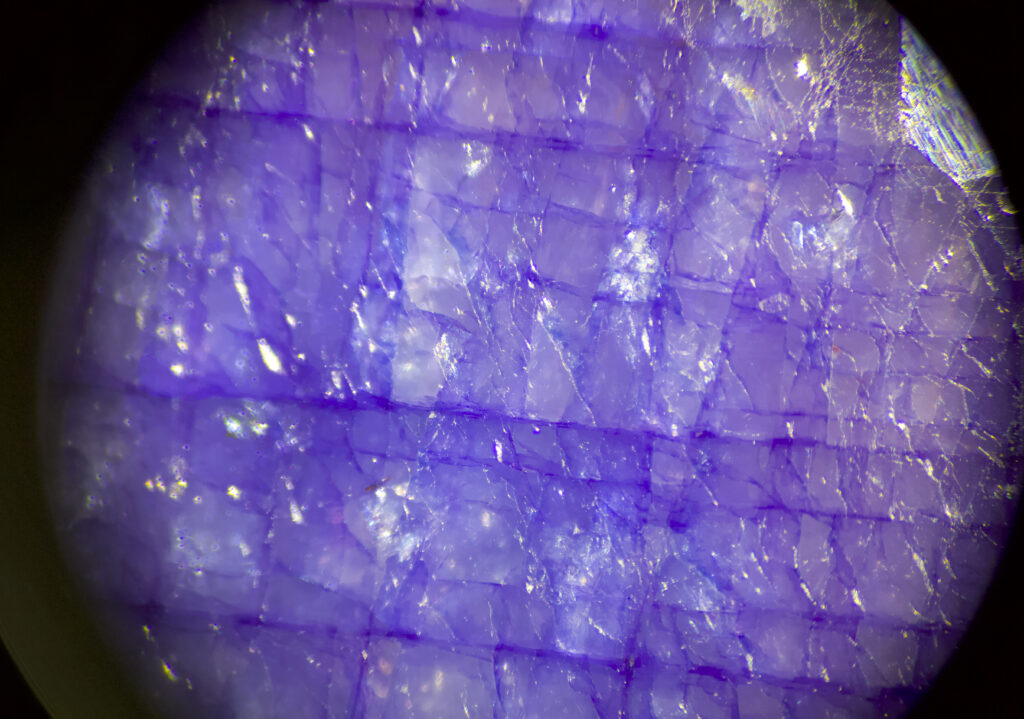
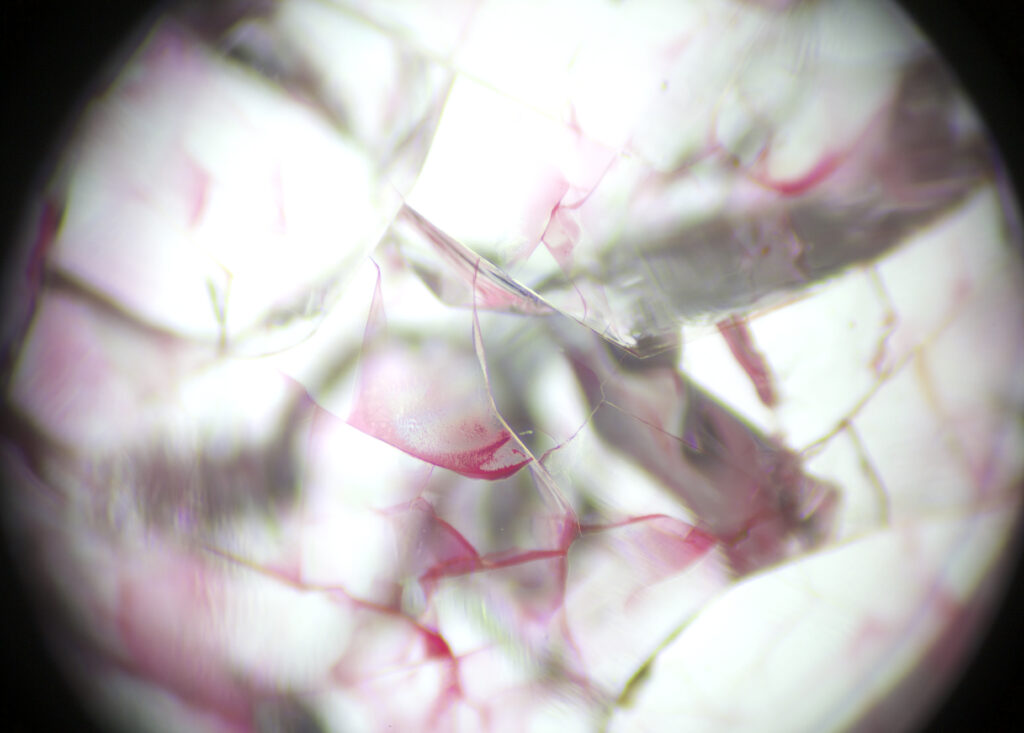
While dyeing can be a sophisticated process, there are often subtle visual cues that experienced gemologists can detect under magnification. The most common indicator is the concentration of dye within the stone’s internal features. Dye tends to accumulate in pore spaces and fractures, creating a pattern of color distribution that differs from the natural coloration of a gemstone. When a stone is carefully examined with a loupe or microscope, this tell-tale pooling of color can be a strong indication of dyeing.
However, caution is advised. Certain natural phenomena, such as the yellowish-brown to reddish-brown coloration found in fractures caused by iron compounds in weathered stones, can mimic the appearance of dye. Gemologists must be trained to distinguish between these natural occurrences and the artificial introduction of color.
Another diagnostic test involves the use of solvents. Many dyes used in gemstone treatment are soluble in acetone or similar organic solvents. By gently rubbing a small swab dipped in one of these liquids against the gemstone’s surface, a gemologist can observe if any color is transferred to the swab. If the stone is dyed, the swab may reveal the dye’s hue. This test, however, is not foolproof. Some dyes are formulated to be insoluble, and others may be protected by a sealing layer of resin or wax, rendering this test ineffective.
Beyond the Visible: Spectroscopic and Luminescence Analysis
For more definitive identification, gemologists employ advanced analytical techniques. Absorption spectroscopy, for instance, provides invaluable information about a gemstone’s color. Naturally colored gemstones exhibit specific absorption spectra, which are unique patterns of light absorption caused by the elements within the crystal structure. Dyed stones, on the other hand, may show absent or altered absorption spectra compared to their naturally colored counterparts.
For example, a pale corundum dyed red to imitate a ruby will not display the characteristic absorption spectrum of a natural ruby. If a spectrum is present, it might be too weak to account for the stone’s intense color. Similarly, green jadeite typically exhibits a chrome spectrum with fine lines in the red region. Dyed green jadeite, however, might show broader bands of absorption in the red or red-to-orange spectrum, lacking the fine lines indicative of natural chromium coloration.
The Chelsea Color Filter is another tool used in gemological laboratories. This filter, which transmits red and green light, can reveal differences in how dyed and undyed stones react to specific wavelengths. For instance, naturally green chrysoprase, a variety of chalcedony, will appear green through the filter, while dyed green agate might present a grayish or pinkish hue.
Luminescence, the emission of light by a substance when it is excited by radiation, can also be a key differentiator. Certain dyed gemstones exhibit unusual luminescence under ultraviolet (UV) light, which differs from their natural counterparts. For example, some dyed lavender jadeite glows an intense orange under long-wave UV light, a characteristic not typically seen in naturally colored lavender jade.
The Dual Nature of Dyeing: Advantages and Ethical Considerations
The practice of dyeing gemstones, despite its potential for deception, offers several advantages to the jewelry trade and consumers. It significantly expands the range and availability of aesthetically pleasing gemstones, allowing lower-quality materials to serve as affordable substitutes for expensive gem varieties. This enables jewelers to create attractive, colorful pieces at lower price points, fostering more adventurous and experimental design possibilities.
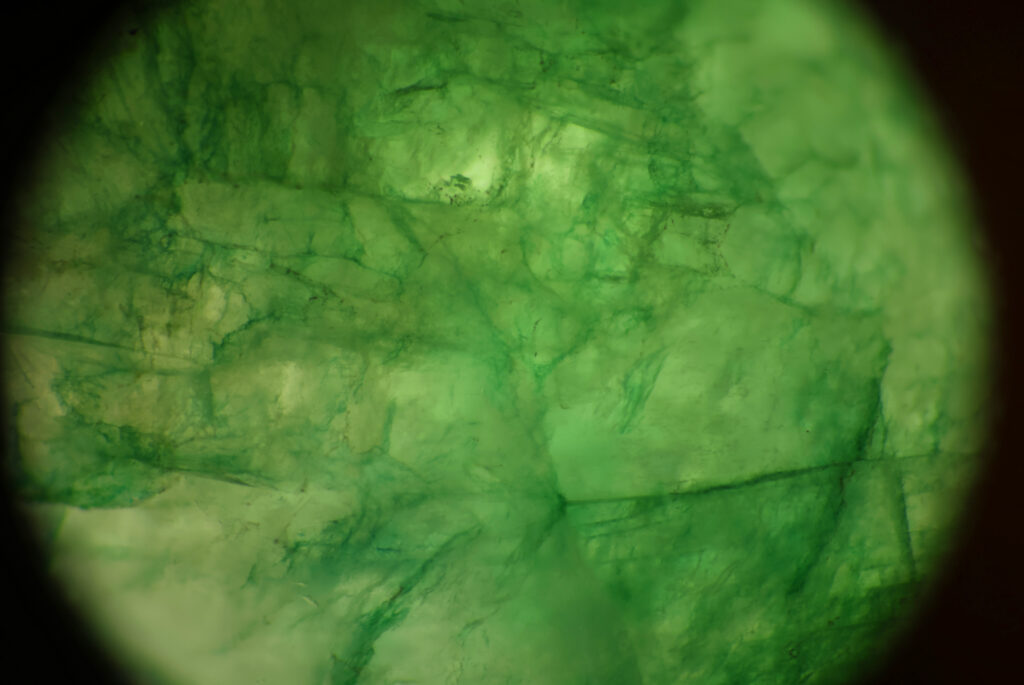
However, the disadvantages are equally significant and carry considerable ethical weight. The primary concern is the potential for misidentification and outright fraud. When the dyeing treatment is not disclosed, consumers may unknowingly purchase stones that are misrepresented in terms of their origin, rarity, and value. This underscores the critical responsibility of gemologists. They are tasked with understanding the multifaceted effects of dyeing and other treatments on gemstones, accurately identifying treated stones, and ensuring that all jewelry is correctly labeled and described. This transparency is essential for informed consumer choices and the integrity of the gemstone market.
In conclusion, the world of dyed gemstones is a complex interplay of artistry, science, and commerce. While dyeing offers a means to enhance beauty and accessibility, it necessitates vigilance and expertise. For gemologists, the challenge lies in discerning the subtle, often hidden, evidence of this transformative process, ensuring that the true value and origin of every gem are understood and respected. As the Gem-A Gemmology Tutor Pat Daly emphasizes, "It is our responsibility to be aware of the effects of dyeing and other treatments on gemstones, to be able to identify stones on which these have been carried out and to label or describe stones correctly so that those who handle them know what they are dealing with." This commitment to knowledge and transparency is the bedrock of trust in the gem and jewelry industry.