

By Financial Services Editorial Desk
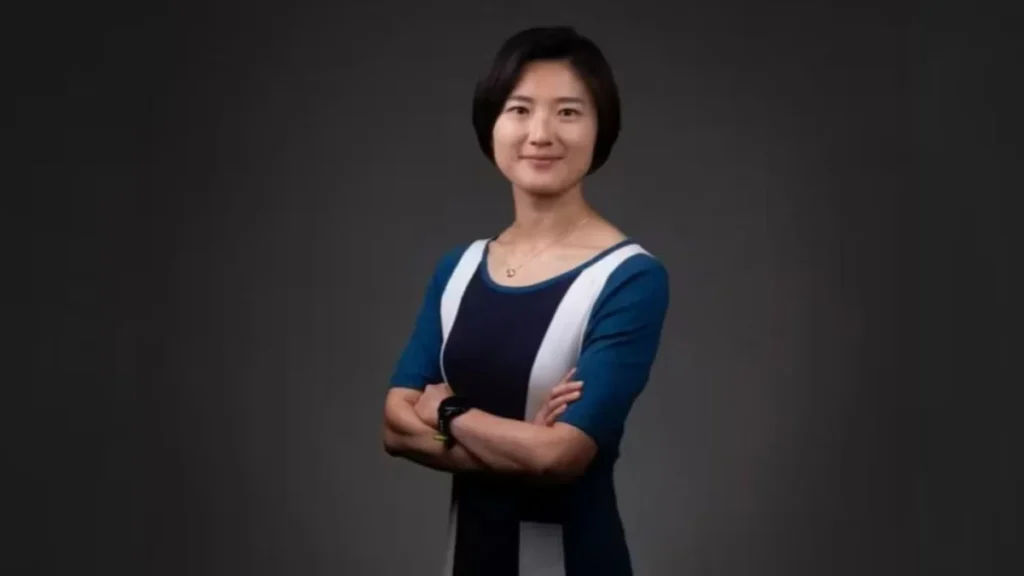
In a decisive move to secure its competitive edge in the increasingly digitized landscape of global wealth management, W1M Wealth Management has officially appointed Wenyu Bai as its inaugural Head of Artificial Intelligence. This strategic hire signals a pivot in the firm’s operational philosophy, transitioning from traditional wealth advisory models toward a technology-forward infrastructure designed to scale alongside the firm’s rapid post-merger growth.
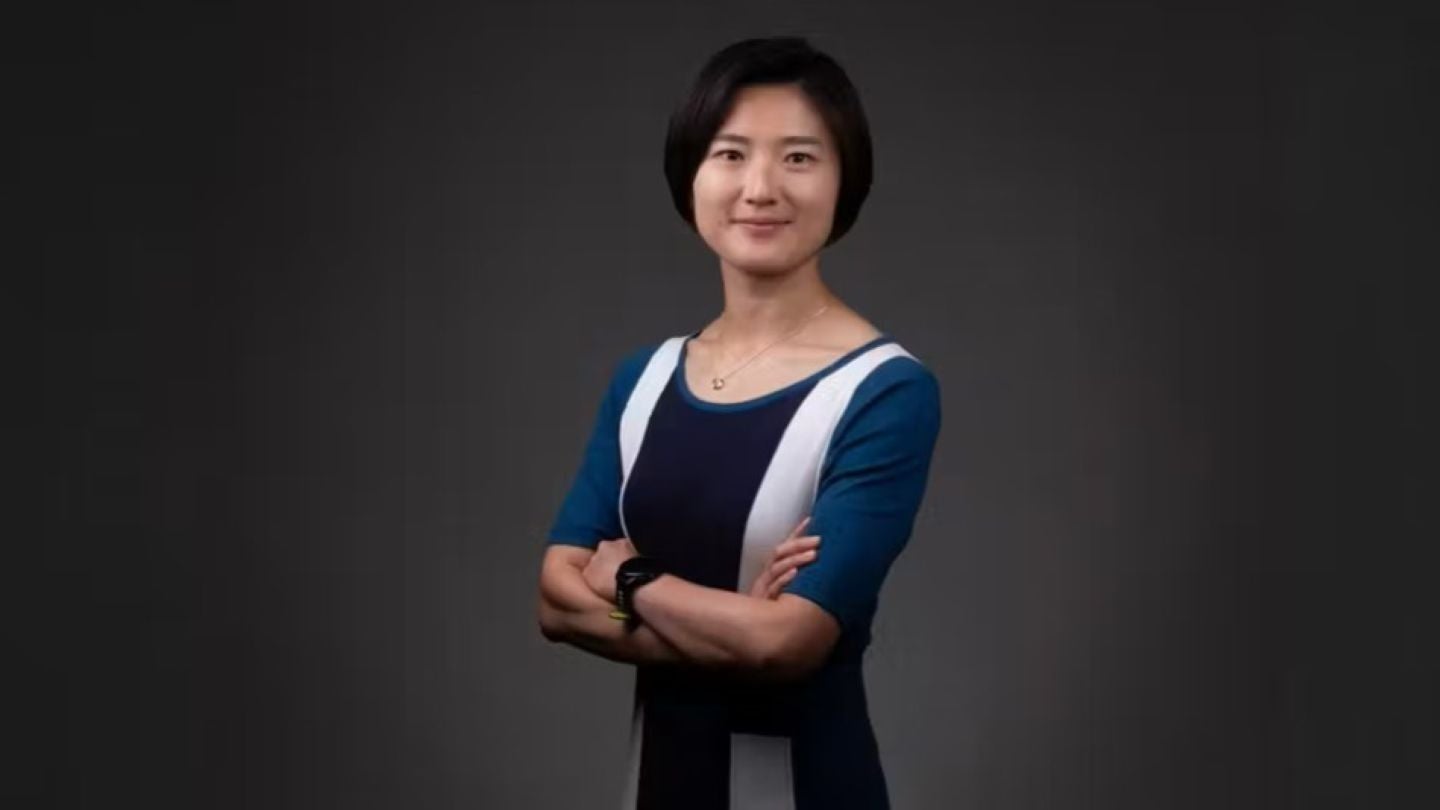
Bai, a seasoned veteran with over 18 years of experience in the financial sector, joins W1M from St. James’s Place. Her appointment is not merely a staffing decision; it is the cornerstone of a broader, long-term commitment to embedding artificial intelligence, machine learning, and automation into the core fabric of W1M’s client service and back-office architecture.
The Strategic Mandate: Defining the Role
As the firm’s first Head of AI, Wenyu Bai is tasked with a multifaceted mandate that extends far beyond technical implementation. According to internal briefings, her role is centered on three primary pillars: strategy formulation, technological integration, and the preservation of the "human touch" in wealth management.
Bai will be responsible for defining the firm’s overarching AI roadmap, identifying high-impact areas where generative AI and predictive analytics can augment decision-making. Working in close collaboration with Chief Technology Officer (CTO) Edward Blake, she will oversee the deployment of bespoke tools aimed at enhancing operational efficiency, streamlining administrative workflows, and providing advisors with deeper, data-driven insights into portfolio performance.
However, the scope of her responsibility also includes the critical assessment of how AI impacts the client experience. In a sector where trust is the primary currency, Bai is expected to ensure that the adoption of these technologies remains ethical, secure, and fully aligned with the firm’s rigorous standards for client confidentiality and regulatory compliance.
Chronology of Evolution: From Merger to Modernization
To understand the significance of this appointment, one must look at the recent trajectory of W1M Wealth Management. The firm has undergone a period of intense institutional evolution, most notably marked by a major corporate merger two years ago. This consolidation phase was designed to pool resources and expand the firm’s geographical footprint, setting the stage for a period of rapid scaling.
The integration of two distinct business entities necessitated a robust review of internal operations. Following the merger, the leadership team identified that sustained growth required more than just increased headcount—it required a fundamental upgrade to the firm’s technological backbone.
The decision to formalize the Head of AI role in 2026 is the culmination of this two-year post-merger consolidation. It marks the transition from "stabilization" to "innovation." By bringing in a leader with deep expertise in automation and pension investment consultancy, W1M is signaling that it is prepared to move past the teething issues of integration and toward a future where efficiency is driven by algorithmic precision.
Supporting Data: Growth and Capacity
The necessity for an AI-focused strategy is backed by the firm’s recent performance metrics. During the first quarter of 2026, W1M reported a net increase of 16 hires, reflecting a headcount growth rate of approximately 4.5%. While headcount expansion is a traditional sign of health, the firm’s leadership is acutely aware that scaling a wealth management business through manual labor alone is prone to diminishing returns and potential service degradation.
The firm’s current operational capacity is currently underpinned by:
- Impeccable Client Service: A benchmark that the firm refuses to compromise as it scales.
- Leading Investment Performance: Leveraging global data sets for improved market analysis.
- Cross-Border Expertise: A complex domain that requires sophisticated reporting tools to manage effectively.
By automating routine tasks—such as regulatory reporting, document synthesis, and basic portfolio rebalancing—W1M intends to free up its wealth managers to focus on what matters most: high-level strategic planning and face-to-face client relationships. The investment in AI is, effectively, an investment in "human bandwidth."
Official Responses and Leadership Vision
Guy McGlashan, CEO of W1M, highlighted that the firm’s commitment to innovation is a direct response to the needs of its growing client base.
"In recent times, W1M has continued to enhance its client proposition," McGlashan stated. "As we continue to attract new clients, we are investing deliberately in our operating platform. This equips our teams with the capabilities they need to serve clients effectively and supports the firm’s continued growth."
McGlashan underscored that Bai’s appointment is a calculated step toward future-proofing the firm. "Bai’s appointment strengthens the leadership, technology, and talent needed to embed AI responsibly and work more effectively at scale. Building this capacity now will help us manage greater complexity without compromising service quality. It gives W1M a resilient platform from which to innovate, remain competitive, and deliver better outcomes for clients over the long term."
This vision reflects a growing consensus in the wealth management industry: that the firms that survive the next decade will not necessarily be the largest, but those that can best integrate "augmented intelligence" to manage complex, cross-border portfolios with precision.
Implications for the Wealth Management Sector
The appointment of a dedicated Head of AI at a firm of W1M’s stature has several broader implications for the wealth management industry:
1. The Death of the "Generalist" CTO
Historically, the CTO was expected to manage everything from cybersecurity to desktop hardware. The creation of a dedicated "Head of AI" role suggests that the complexity of AI integration now requires a specialized skillset. Firms are increasingly realizing that AI is not just another software deployment, but a fundamental shift in business model that requires dedicated leadership.
2. Efficiency vs. Quality
A common concern in the industry is that automation will lead to a "robotic" client experience. W1M’s strategy appears to focus on the inverse: using AI to remove the administrative burden so that the advisor-client relationship can become more human, not less. If W1M succeeds in this, it could serve as a blueprint for other mid-to-large-tier wealth managers struggling to balance personal service with the demands of digital efficiency.
3. Talent War for Hybrid Experts
Wenyu Bai represents a new breed of financial professional—one who is fluent in both the intricacies of pension consultancy and the technical requirements of automation and AI. As firms scramble to digitize, the demand for professionals who understand the "domain" (wealth management) and the "tool" (AI) will likely skyrocket, creating a new, highly competitive talent market.
4. Regulatory Vigilance
As W1M begins to roll out AI across its firm, it will operate under the scrutiny of an evolving global regulatory framework. The firm’s success will depend on its ability to balance innovation with transparency, ensuring that clients understand how their data is being used and how algorithmic decisions affect their investment outcomes.
Conclusion: A Resilient Platform for the Future
Wenyu Bai’s tenure at W1M Wealth Management begins at a pivotal time. The firm is expanding, the markets are increasingly complex, and the client expectation for digital convenience is higher than ever.
By prioritizing the strategic integration of AI, W1M is taking a proactive stance against the obsolescence that threatens many traditional wealth management firms. With a robust leadership team, a clear technological mandate, and a focus on responsible innovation, W1M is positioning itself to be not just a participant in the future of wealth management, but a leader in defining what that future looks like. As the firm continues to scale, the results of this digital transformation will be closely watched by peers and competitors alike.



