The traditional image of the toy industry—aisles of action figures for toddlers and board games for grade-schoolers—is undergoing a profound metamorphosis. According to a comprehensive new report from industry research firm Circana, the sector is no longer tethered exclusively to the developmental needs of children. Instead, it is being propelled into a new era of growth by an unlikely demographic: adults and teenagers.
In the first half of 2026, U.S. toy dollar sales surged by 17% year-over-year, a significant jump that highlights a shifting consumer landscape. This growth is not merely a fluctuation in seasonal spending; it represents a fundamental change in how society views "play." For modern consumers, toys have transcended their role as playthings for children, evolving into sophisticated hobbies, social currency, and essential components of fandom ecosystems.
Main Facts: The "Kidult" Phenomenon
The headline data from the Circana report paints a clear picture of the industry’s new engine. Sales of toys purchased for adults (individuals over the age of 18) spiked by 25% during the first six months of 2026. This demographic has officially become the largest single contributor to the industry’s overall growth.
Parallel to this adult-led surge, the teen market—specifically children aged 12 to 17—saw an even more dramatic increase in toy spending, with sales growing 33% year-over-year. When combined, these two groups—teens and adults—accounted for nearly 60% of the entire industry’s dollar gains during the first half of the year. This demographic pivot is forcing retailers and manufacturers to rethink their marketing strategies, product designs, and retail environments to cater to a consumer base that has more disposable income and a deeper emotional attachment to brands than ever before.
Chronology of a Shift
The rise of the "kidult" (the portmanteau used to describe adults who buy toys) is not an overnight development, but rather the acceleration of a trend that gained significant momentum during the global pandemic.
- 2020–2022 (The Pandemic Catalyst): As lockdowns forced families indoors, adults rediscovered the solace of puzzles, board games, and complex building sets. This period acted as a proof-of-concept, showing retailers that adult interest in toys was not merely a fleeting distraction.
- 2023–2025 (The Mainstreaming of Fandom): Collectibles, high-end action figures, and intricate building kits became status symbols on social media platforms like TikTok and Instagram. Influencer culture and the rise of "unboxing" videos helped normalize adult collecting.
- Early 2026 (The Statistical Tipping Point): The first half of 2026 solidified these trends into a dominant market force. Data from Q1 and Q2 showed that the "adult-as-consumer" model was no longer a niche segment but the backbone of industry profitability.
- Mid-2026 (Strategic Realignment): Major players like Mattel and Hasbro began shifting their R&D and marketing budgets to accommodate older demographics, focusing on high-ticket, limited-edition, and nostalgia-driven products.
Supporting Data: The Female Driver
One of the most compelling insights from Circana’s research is the gender breakdown of this growth. While the adult segment is expanding rapidly, it is currently being led by women. A secondary Circana report recently revealed that adult women accounted for more than half of the industry’s growth between January and April 2026.
This demographic shift is tied to several factors, including the resurgence of aesthetic-driven collectibles, the social nature of modern tabletop gaming, and the influence of "nostalgia marketing." Whether it is a luxury-branded doll, a highly detailed building set designed for display, or a complex strategic board game, women are increasingly utilizing the toy market as a space for self-expression and stress relief, effectively widening the aperture of who the industry serves.
Official Responses and Industry Dynamics
The industry’s giants have not been passive observers; they have actively curated this evolution.
Hasbro’s Performance: In July 2026, Hasbro reported a robust second-quarter performance, with net revenue growing more than 16% year-over-year to $1.1 billion. The success of their "Magic: The Gathering" franchise and other enthusiast-focused brands highlights the power of the "hobbyist" market. Hasbro’s strategy has centered on deepening engagement with lifelong fans who have both the desire and the means to spend on premium products.
Mattel’s Pivot: Mattel has similarly navigated this terrain with a 10% increase in Q2 net sales to $1.1 billion. While the company reported a net loss of $18 million—partially due to strategic investments and market volatility—the underlying sales growth demonstrates that their brand equity remains incredibly high. Mattel’s focus on the "Barbie" phenomenon and their expansion into adult-collector-oriented products for the "Masters of the Universe" and "Hot Wheels" lines have been critical to maintaining their market share in this shifting landscape.
Kristen McLean, vice president of client insights for Circana’s entertainment knowledge group, summarized the sentiment in a recent press release: "We’re seeing toys increasingly function as hobbies, fandom ecosystems, and social experiences rather than traditional children’s products. That’s expanding the consumer base and creating new opportunities for manufacturers and retailers that understand how to engage collectors, enthusiasts, gifters, and self-purchasers."
Implications for the Future of Retail
The implications of this shift are profound and will likely dictate retail strategy for the remainder of the decade.

1. Re-Designing the Retail Experience
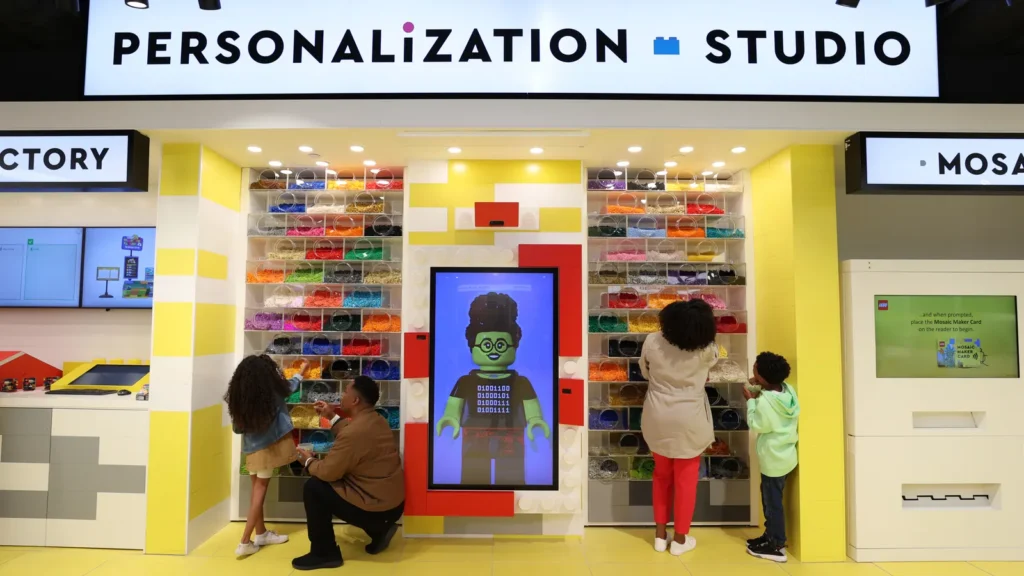
Retailers can no longer afford to bury "adult toys" in the back of the store or behind the children’s section. The rise of the adult collector demands a premium retail experience. We are seeing a move toward "personalization studios" (such as those pioneered by The Lego Group), where the store becomes an interactive hub for creators rather than just a warehouse for boxes.
2. Marketing and Consumer Messaging
The language of marketing is changing. Campaigns are moving away from developmental milestones (which appeal to parents) and toward "lifestyle fit" and "identity affirmation" (which appeal to adults). Brands that can successfully tap into the emotional resonance of childhood while offering the technical complexity required by adults are winning the market.
3. Supply Chain and Product Development
The "kidult" market is less price-sensitive but highly quality-sensitive. Collectors are often willing to pay a premium for limited editions, high-quality materials, and exclusive designs. This necessitates a more agile supply chain capable of producing smaller, high-margin batches rather than mass-market, low-cost units.
4. The "Social" Toy
Perhaps the most significant implication is the social aspect of play. The growth of organized play groups, fan conventions, and online forums means that the purchase of a toy is just the beginning of the transaction. The industry is evolving into a service-based economy, where retailers provide the products, but the community provides the value. Companies that foster these communities—through apps, events, and exclusive digital content—will likely lead the market in the years to come.
Conclusion
The data from 2026 is an unequivocal signal: the toy industry has outgrown the nursery. By diversifying their target audience to include teens and adults, manufacturers and retailers have unlocked a massive reservoir of latent demand. As the lines between "toys" and "hobbies" continue to blur, the industry is poised for a period of sustained, if transformed, growth. For those companies willing to lean into this change, the future of the toy market is not just child’s play—it is a sophisticated, high-growth enterprise that reflects the enduring human desire to play, regardless of age.