

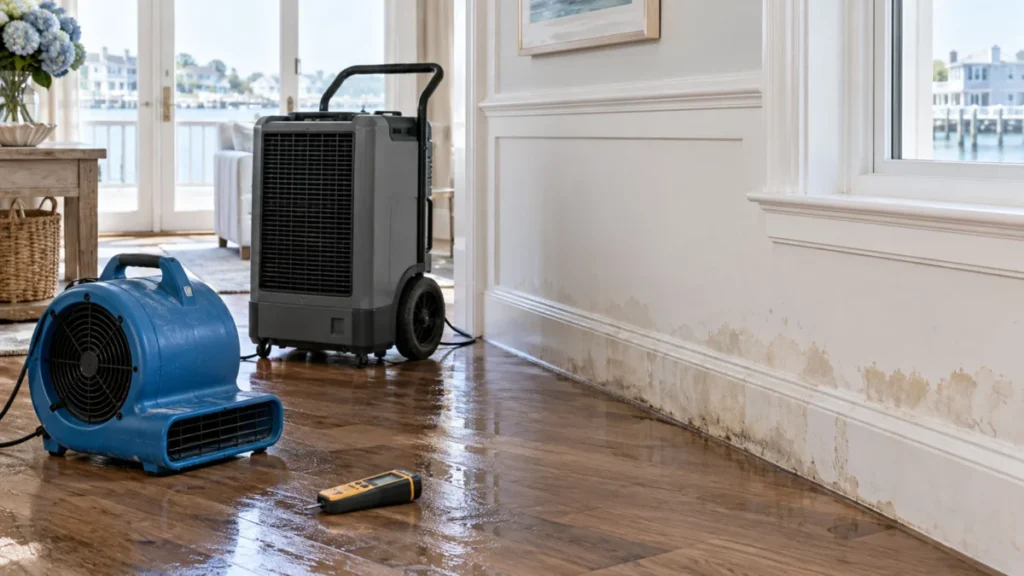
For homeowners, few disasters are as insidious as water intrusion. Unlike the immediate, visible chaos of a fire, water damage often begins as a subtle infiltration, working its way into the skeletal structure of a property before the owner even realizes a breach has occurred. Whether originating from a catastrophic plumbing failure, the relentless onslaught of a coastal storm, or a slow-drip leak hidden behind finished walls, moisture acts as a solvent to both property value and occupant health.
In regions like New Jersey, where coastal humidity and seasonal weather volatility intersect, the threat of water damage is a constant variable in property management. When left unmitigated, moisture does not simply "dry out" on its own; it evolves into a complex series of secondary structural failures and environmental hazards. Understanding the mechanics of this degradation—and the science required to reverse it—is the primary defense for any property owner.
The Chronology of Decay: How Water Destroys
Water intrusion follows a predictable, albeit rapid, trajectory of destruction. Homeowners often underestimate the speed at which their property transitions from a dry, safe environment to a compromised one.
Phase 1: Immediate Infiltration (0–24 Hours)
The initial stage is characterized by rapid saturation. Porous building materials—carpets, gypsum board (drywall), insulation, and hardwood flooring—act as sponges. Within minutes, water migrates via capillary action, moving vertically and horizontally through building cavities. During this window, the damage is largely physical; however, the clock is already ticking on the structural integrity of the home.
Phase 2: Structural Compromise (24–48 Hours)
As the moisture settles, chemical and mechanical changes begin. Wood framing, if saturated, begins to swell, causing baseboards to warp and doors to misalign. Drywall, which relies on a paper facing for rigidity, loses its structural strength, often leading to sagging or total collapse. Metal fasteners and hardware begin the process of oxidation, and the high humidity levels within the room trigger the germination of dormant mold spores.
Phase 3: Secondary Contamination (48+ Hours)
Once the 48-hour mark is passed, the scenario shifts from a "water issue" to a "hazard issue." Microbial growth becomes pervasive, spreading through HVAC systems and settling into organic materials. At this stage, the restoration process becomes significantly more invasive, often requiring the total removal of porous materials rather than simple drying.
The Science of Remediation: Beyond the Mop
Modern restoration is a science-based discipline known as psychrometry—the study of the properties of moist air. Professional restoration technicians do not simply "dry out" a room; they manipulate the indoor environment to pull moisture out of the structure safely and efficiently.
Mapping the Hidden Damage
Technicians utilize a suite of diagnostic tools to identify the scope of the problem. Infrared thermal imaging cameras are indispensable in this regard; by detecting subtle temperature differentials in building materials, they can pinpoint pockets of moisture trapped behind ceramic tile or deep within wall cavities that are invisible to the naked eye. Coupled with thermo-hygrometers, which measure the dew point and relative humidity, these tools allow for the creation of a "drying map" that ensures no wet material is left behind.
Categorizing the Threat
Before remediation begins, the water must be classified. This determines the safety protocols:
- Category 1 (Clean Water): Sourced from a broken supply line. While less dangerous, it can quickly degrade into Category 2 if left standing.
- Category 2 (Gray Water): Contains contaminants, such as water from a dishwasher or washing machine. It carries a risk of discomfort or illness if ingested or touched.
- Category 3 (Black Water): Highly unsanitary, containing sewage or environmental pathogens. This requires professional containment and specialized sanitation procedures to ensure the safety of the inhabitants.
Critical Steps in Professional Structural Drying
To effectively remediate a property, restoration teams follow a standardized workflow designed to restore equilibrium:
- Extraction and Source Control: The immediate priority is to stop the water flow and remove standing liquid. Industrial-grade truck-mounted extractors are used to pull water from carpet padding and subflooring before it can penetrate further into the structural joists.
- Controlled Dehumidification: Once the bulk water is removed, the focus shifts to evaporation. High-velocity air movers are positioned to force moisture out of materials into the air, while commercial-grade dehumidifiers capture that moisture, effectively lowering the ambient humidity and preventing secondary condensation.
- Monitoring and Documentation: Technicians conduct daily site visits to monitor moisture content in wood and drywall. By documenting these readings, they can adjust the drying setup to target stubborn, high-moisture areas.
- Verification: Drying is only complete when moisture levels return to the "equilibrium moisture content" (EMC)—the point at which the materials are in balance with their natural environment.
For those navigating these challenges, particularly in high-risk areas like Brick, New Jersey, local expertise is non-negotiable. Partnering with professionals who understand the regional architectural nuances—such as raised coastal foundations or specific sub-flooring materials used in older homes—is essential for a successful restoration.
The Mold Paradox: Why Containment is Key
Perhaps the most misunderstood aspect of water damage is the subsequent risk of mold. Mold is opportunistic; it requires only moisture, warmth, and an organic food source (such as paper or wood) to colonize.
When mold is discovered, the instinct of many homeowners is to begin scrubbing or demolition. This is often a critical error. Without proper containment, the physical disturbance of mold-affected areas releases millions of microscopic spores into the air. If the HVAC system is running, these spores are distributed throughout the entire home, turning a localized problem into a whole-house contamination.
Professional remediation teams address this by creating negative air pressure zones. By sealing off the affected area with heavy-duty polyethylene sheeting and utilizing HEPA-filtered air scrubbers, they ensure that any airborne particulates are captured at the source. This protects the remainder of the home and the health of the occupants during the removal process.
Proactive Prevention: Safeguarding the Asset
While restoration is vital, the most cost-effective approach to water damage is prevention. Homeowners can drastically reduce their risk profile by implementing a seasonal maintenance checklist:
- Appliance Vigilance: Inspect the hoses on washing machines, dishwashers, and refrigerators annually. Rubber hoses become brittle over time; upgrading to braided stainless steel lines provides a significant safety buffer.
- Roof and Flashing Integrity: Ensure that roof shingles are intact and that flashing around chimneys and vents is sealed. Water entering from the roof often travels through interior wall cavities, causing damage that isn’t discovered until a ceiling fails.
- Grading and Drainage: Ensure that the exterior ground slopes away from the foundation. Pooling water against a foundation wall is a leading cause of basement seepage.
- HVAC Maintenance: Ensure condensate lines on air conditioning units are clear. A clogged line is a frequent, silent source of water damage in humid climates.
- Smart Sensors: Installing leak detection sensors near water heaters, sump pumps, and laundry areas provides an early warning system, allowing homeowners to shut off the main water valve before a minor leak becomes a major catastrophe.
Implications for Homeowners
The implications of water damage extend far beyond the immediate repair bill. Unaddressed moisture can lead to denied insurance claims, the loss of property value, and long-term health complications for residents sensitive to indoor air quality. In the context of the real estate market, a home with a history of poorly remediated water damage carries a "stigma" that can complicate future sales and appraisals.
Ultimately, the goal of professional water damage restoration is to return a home to its pre-loss condition—not just in appearance, but in structural health. By prioritizing prompt action, utilizing advanced diagnostic technology, and adhering to strict environmental containment protocols, homeowners can navigate the crisis of water intrusion with confidence. When the unexpected occurs, acting decisively is not merely a matter of convenience; it is a fundamental act of protecting one’s most significant financial investment and the well-being of those who live within its walls.



