In the ever-evolving landscape of horology, the intersection of market positioning, brand identity, and consumer perception has rarely been as volatile as it is today. In the most recent episode of aBlogtoWatch Weekly, the editorial team—minus Ariel Adams—navigated a complex series of industry shifts. Hosts Rick, David, and Ripley took the helm to dissect the current state of the watch market, where the traditional metrics of value, heritage, and cost are becoming increasingly difficult to reconcile.
From the high-stakes pricing strategy of Zenith to the quirky, enthusiast-driven debut of the Donut Watch Company and the elevated ambitions of Timex, the discussion painted a vivid picture of a market in flux.
The Zenith Dilemma: Pricing vs. Brand Equity
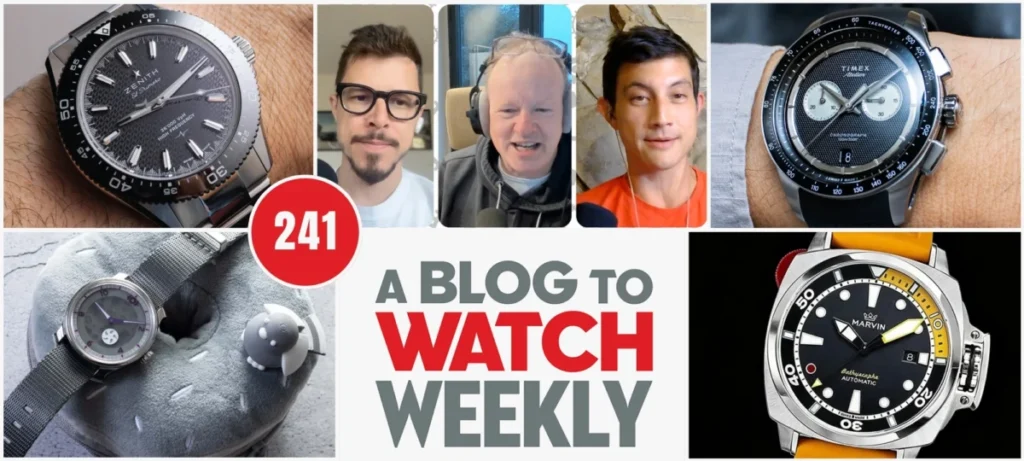
The episode opened with a deep dive into the current positioning of Zenith. The conversation centered on a perennial question that plagues many heritage brands: Can a horologically significant timepiece overcome a difficult price point?
Zenith, a brand synonymous with the El Primero movement and a storied history of innovation, finds itself in a precarious spot. The hosts debated whether the brand is effectively communicating its value proposition to a new generation of collectors. When a brand occupies the "middle-ground"—too expensive to be an impulse buy, yet struggling against the sheer weight of legacy players like Rolex or Omega—the pressure on pricing becomes immense.
The Core Conflict
The panel argued that for Zenith, the challenge is not the quality of the product, which remains industry-leading, but the alignment of brand identity with market expectations. If a watch is technically superior but lacks the perceived "status" or historical gravity required at its current price tier, it becomes a "tough sell." The discussion underscored a critical reality: in the current economic climate, technical specifications are no longer enough to justify a premium price. Brand narrative and emotional resonance are now the primary drivers of consumer expenditure.
The Donut Watch Company: Democratization or Derivative Design?
The tone of the conversation shifted toward the playful, yet contentious, debut of the Donut Watch Company. This project, which carries clear design DNA reminiscent of the highly acclaimed Ming watch brand, presents an intriguing case study in market segmentation.
Priced at approximately $700, the Donut Watch Company offers a Ming-adjacent aesthetic powered by a reliable Miyota movement. It is a proposition that hits all the right notes for the "enthusiast on a budget": high lume, clean design, and a unique thematic hook. However, the hosts questioned the implications of this expansion.
The "Accessible Luxury" Trap
Is this a clever strategy to expand the ecosystem of a luxury aesthetic, or is it a dilution of brand equity? The panel engaged in a spirited debate regarding whether smaller brands should attempt to create "entry-level" versions of their high-end visions. The fear, as expressed by the hosts, is that by leaning too heavily on the recognized design language of a prestige brand, the newcomer risks being viewed as a "tribute act" rather than a standalone entity.
For the consumer, the question is simple: Do you want a cheaper taste of a brand you aspire to own, or are you looking for an original design that happens to be affordable?
Timex vs. The World: The $700 Paradox
If the Donut Watch Company represents a "luxury brand trying to be affordable," the Timex Atelier Chronograph Quartz M1q serves as the perfect mirror image: a traditionally affordable brand attempting to occupy a more premium space.
Ripley introduced the M1q, a watch that challenges the consumer to reconsider their biases toward heritage versus price. When Timex, a titan of the sub-$200 market, releases a piece at the $700 mark, it triggers a philosophical crisis for many collectors.
The Philosophy of "Brand Equity"
The hosts debated the metrics of value:

- Finishing: Does the build quality justify the leap in price?
- Nostalgia: Is the Timex brand name an asset or a liability at this price point?
- Specs: Can a quartz-powered watch justify a $700 price tag in a market saturated with mechanical alternatives?
The resulting conversation was a masterclass in modern horological psychology. It highlighted that watch buying is rarely a purely objective exercise. It is a collision of brand heritage, personal history, and the perceived "prestige" associated with a name on a dial. The debate over whether an expensive Timex is "better" than a cheap version of a luxury brand exposed the deep-seated biases that govern the watch-collecting community.
Omega Corner: The SPECTRE Mystery
The podcast concluded with a segment that turned into a genuine investigation. The "Omega Corner" team discovered a hidden SPECTRE logo embedded within the official Omega website. This discovery has ignited a firestorm of speculation regarding a potential upcoming collaboration or a tribute release related to the James Bond franchise.
Implications of the Hidden Logo
For years, Omega has been the de facto watchmaker for 007, but the inclusion of the SPECTRE emblem—the iconic antagonist organization from the Ian Fleming novels and films—suggests something different. Is this a new limited edition, a marketing campaign for a retrospective, or perhaps a hint at a new film development?
The hosts spent significant time analyzing the placement of the logo, noting that Omega’s digital presence is rarely accidental. In the world of high-end horology, "Easter eggs" on a website are almost always deliberate breadcrumbs meant to build anticipation among the most dedicated fans.
Supporting Data: The Current Market Climate
The discussion across these segments highlights three primary trends currently shaping the watch industry:
- The "Mid-Tier" Squeeze: Brands that are not entry-level (under $1,000) but not quite top-tier luxury (over $10,000) are finding it increasingly difficult to justify price hikes. Consumers are becoming more discerning, demanding higher finishing and more proprietary movements for every dollar spent.
- The Rise of "Micro-Luxury": Projects like the Donut Watch Company reflect a desire for high-end design aesthetics to be accessible to a wider demographic. This creates a bridge between the enthusiast forums and the high-end boutiques.
- The Quartz Renaissance: The acceptance of high-end quartz, as seen in the Timex Atelier discussion, indicates that collectors are becoming more open to functionality and design over the "mechanical-only" dogmas that dominated the early 2000s.
Official Responses and Industry Outlook
While none of the brands mentioned (Zenith, Ming, Timex, or Omega) have issued formal statements regarding the specific points raised by the aBlogtoWatch team, the sentiments expressed in the podcast reflect broader conversations occurring in executive boardrooms across Switzerland and beyond.
Industry analysts note that brands are currently focusing on "value-retention narratives." As the secondary market cools from the highs of 2021-2022, manufacturers are doubling down on craftsmanship, limited production runs, and deep-dive storytelling to maintain consumer interest. The shift toward more transparent communication about why a watch costs what it costs—a core theme of the episode—is likely to become a standard pillar of marketing in the coming year.
Implications: Where Does the Collector Stand?
The ultimate takeaway from this week’s roundtable is that the power dynamic in the watch industry has shifted. The consumer is no longer just a passive buyer of whatever a heritage brand puts on the shelf. The consumer is now an active, analytical participant who weighs the "Ming-adjacent" design against the "Timex premium" with equal skepticism.
For collectors, the implications are clear:
- Do your homework: With prices rising and branding becoming more complex, understanding the "why" behind a price tag is more important than ever.
- Prioritize personal connection: The debate over whether to buy "status" or "value" can only be settled by the collector’s own priorities. Whether it’s the heritage of Omega or the playful design of a niche project, the watch that brings the most satisfaction is usually the one that aligns with the owner’s personal narrative.
- Expect the unexpected: The SPECTRE mystery proves that brands are increasingly using digital engagement to tease future releases, turning the act of buying a watch into a multi-layered experience.
As the industry continues to navigate these turbulent waters, one thing remains certain: the "Authentic Watch Conversations" championed by the aBlogtoWatch team are more necessary than ever. In a world where price and value are constantly drifting apart, the voice of the enthusiast serves as the final arbiter of what truly matters in the world of timekeeping.
For those looking to deepen their understanding of these market nuances, the full episode provides a roadmap for navigating the complexities of the current horological landscape. As the hosts noted, when the editorial hierarchy is shaken up, the most interesting, unvarnished truths about the market are often revealed.