

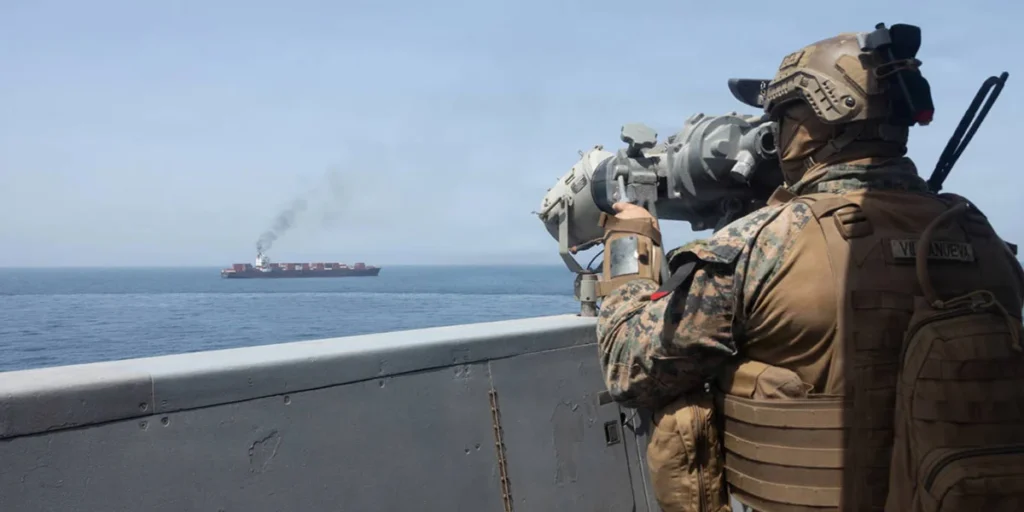
The global energy landscape is currently navigating its most significant supply shock in modern history. Triggered by the conflict in Iran, which effectively paralyzed transit through the Strait of Hormuz—a vital maritime artery handling approximately one-fifth of the world’s oil and liquefied natural gas (LNG)—the crisis has served as a brutal stress test for the international energy order. Yet, against the grim expectations of total systemic collapse, the global market has shown a surprising, if precarious, degree of adaptability.
As the dust begins to settle on the initial phase of this crisis, the consensus among energy analysts and policymakers is clear: while no nation can fully eliminate the vulnerabilities of an interconnected global economy, the ability to build "response capacity" is the definitive factor between mere inconvenience and national economic paralysis.
The Architecture of a Global Shock: Key Facts and Findings
The disruption of the Strait of Hormuz was not merely a regional logistical failure; it was a systemic tremor that sent shockwaves through the global supply chain. Roughly 20% of global oil and LNG flows were instantly severed or redirected, forcing a massive, real-time reorientation of energy trade.
The Dynamics of Adaptability
Despite the severity of the blockade, the global energy system avoided worst-case scenarios—such as widespread, prolonged, and catastrophic power failures in developed markets—by leveraging years of prior investment in resilience.
- Strategic Stockpiles: The United States, Japan, and the European Union mobilized large-scale oil reserves to buffer against price volatility.
- Refinery Agility: China utilized the inherent flexibility within its domestic petrochemical and refining infrastructure to adjust to changing feedstocks.
- Logistical Redirection: Major producers, including Saudi Arabia and the United Arab Emirates, successfully pivoted oil volumes through existing pipeline infrastructure that bypasses the Strait of Hormuz entirely.
- Trade Fluidity: The market’s "invisible hand" proved remarkably swift. In the second quarter of 2026, over one in five barrels of seaborne oil was transported via a route different from those used prior to the crisis.
A Chronology of the 2026 Energy Crisis
The crisis unfolded with rapid, compounding intensity, exposing the fragility of global supply chains:
- February 2026: The conflict begins, causing immediate uncertainty in the Strait of Hormuz. India faces an abrupt contraction in commercial liquefied petroleum gas (LPG) supplies, sparking initial concerns over domestic energy security.
- March – April 2026: Global markets scramble. Major importers initiate emergency releases of strategic petroleum reserves. Traders and refiners begin the massive task of re-routing tankers, creating a surge in shipping costs and insurance premiums.
- May – June 2026: While developed economies stabilize, the crisis deepens for emerging markets. The lack of "buffer" capacity becomes evident.
- August 2026: The persistence of the crisis takes a toll on emerging nations. In Pakistan, chronic LNG shortages manifest as rolling blackouts, highlighting the stark divide between energy-secure and energy-vulnerable nations.
Supporting Data: The Illusion of "Independence"
The crisis has dismantled the notion that energy security is purely a matter of domestic production. The reality is that 95% of the world’s population resides in regions that rely on the importation of at least one major fuel source.
The Import Dependence Paradox
Trade is an indispensable feature of the modern economy, yet it is inherently tied to "chokepoints." Analysis indicates that two-thirds of global energy trade must pass through at least one of these high-risk maritime bottlenecks.
Furthermore, "headline dependence"—the percentage of fuel imported—is a misleading metric for security. Two nations may import the same volume of oil, but one may be significantly more secure due to its investment in storage, domestic fuel-switching capabilities, or diverse supplier relationships. Even nations labeled as "net exporters" are not immune; for example, Brazil remains a significant crude oil exporter but relies on imports for nearly 25% of its domestic diesel consumption, rendering its transport sector vulnerable to global shocks.
Official Responses and Strategic Policy Shifts
In the wake of the crisis, governments worldwide are moving from a posture of reactive crisis management to one of proactive, long-term resilience building.
Emerging Market Initiatives
- Pakistan: Recognizing the severity of its recent blackouts, the government is actively evaluating the development of a formal Strategic Petroleum Reserve to cushion future shocks.
- Indonesia: Aiming to insulate its domestic economy, Indonesia has set a target to expand its refined fuel storage capacity from approximately 25 days of consumption to 90 days.
- Regional Coalitions: ASEAN nations have begun discussions regarding a regional fuel reserve, a collaborative approach designed to pool resources, share the cost of security, and coordinate emergency responses.
The Role of Clean Energy and Electrification
Policymakers are increasingly viewing decarbonization as an energy security strategy, not just an environmental one. Current low-emissions technologies, if deployed at scale, could potentially displace imports equivalent to 26–31% of current global oil and gas consumption. However, this transition is constrained by economic factors, the speed of asset turnover, and the significant upfront capital required for infrastructure overhaul.
Implications for the Future: Building Resilience
The primary lesson of the 2026 energy crisis is that "resilience is not free, but vulnerability is costlier." The economic damage caused by energy insecurity is profound. In South Africa, for instance, load-shedding practices necessitated by energy shortages shaved 1–3 percentage points off GDP growth in 2022. For developing economies, the fiscal burden of such shocks can derail years of developmental progress.
Strategic Recommendations for Governments
- Prioritize High-Impact Vulnerabilities: Governments must identify which specific import dependencies pose the greatest threat to social and economic stability and target limited fiscal space toward those areas.
- Invest in "Buffers": Short-term storage (stockpiles) remains the first line of defense, but it must be paired with long-term infrastructure, such as alternative pipeline routes and domestic energy production.
- Strengthen Regional Cooperation: For developing nations, pooling resources with neighbors is a pragmatic path to securing energy at affordable rates and creating a shared safety net.
The Corporate Imperative
Companies are facing a parallel crisis. A firm’s resilience is often tied to a single, fragile point in its supply chain—a specific port, a single fuel type, or a lone supplier. Corporate leadership must now move beyond "just-in-time" supply chain efficiency toward "just-in-case" resilience. Stress-testing supply chains for disruption, investing in flexible energy inputs, and diversifying procurement channels are no longer optional expenditures—they are essential investments in operational continuity.
Conclusion: The New Normal
The 2026 energy crisis will not be the last. As geopolitical tensions remain high and the global energy system undergoes a massive, complex transition, the potential for future disruptions remains elevated. The era of assuming uninterrupted, low-cost energy flow is over.
True energy security in the 21st century will not be found in the total elimination of risk, but in the deliberate, strategic investment in options. By building robust buffers, fostering diverse trade partnerships, and accelerating the deployment of domestic clean energy, countries and corporations can ensure that when the next shock hits—and it will—they are not left in the dark. The cost of such investment is undoubtedly substantial, but as the recent crisis has demonstrated, the price of inaction is a cost that the global economy can no longer afford to pay.



