

The allure of a faceted gemstone lies in its ability to capture and refract light, revealing a dazzling interplay of color, brilliance, and fire. While we often marvel at these visual spectacles, the intricate craftsmanship that brings them to life is frequently overlooked. Gem-A Gemmology Tutor, Pat Daly, offers a profound insight into the world of diamond cutting and faceting, illuminating the techniques, quality factors, and fundamental principles that transform rough stones into objects of desire. This comprehensive exploration delves into the artistry and scientific precision that define a gemstone’s ultimate beauty.
The Genesis of Gemstone Radiance: An Introduction to Fashioning
The term "fashioning" in gemology encompasses a spectrum of techniques that shape and enhance a gemstone’s inherent qualities. This includes the very style of cuts employed, the resulting shapes of the stones, and the meticulous quality of the cutting process itself. Each of these elements plays a pivotal role in dictating the final aesthetic appeal of a finished gem. As Daly explains, "What we sometimes take for granted, however, is the fashioning that makes it possible to enjoy these visual effects."
Beyond the purely aesthetic, the precision of a diamond’s cut is intrinsically linked to its value, influencing its sparkle, fire, and overall brilliance. This article will delve into the historical evolution of these techniques, explore the primary cutting styles, dissect the critical quality factors, and connect these elements to the universally recognized "4Cs" of diamond grading.
A Spectrum of Styles: From Carvings to Brilliant Cuts
The world of gemstone cutting is diverse, offering a range of styles to suit different stones and desired aesthetics. While carvings and beads represent simpler forms of shaping, it is the art of faceting that truly unlocks a gemstone’s luminous potential. Within faceting, three primary styles dominate:
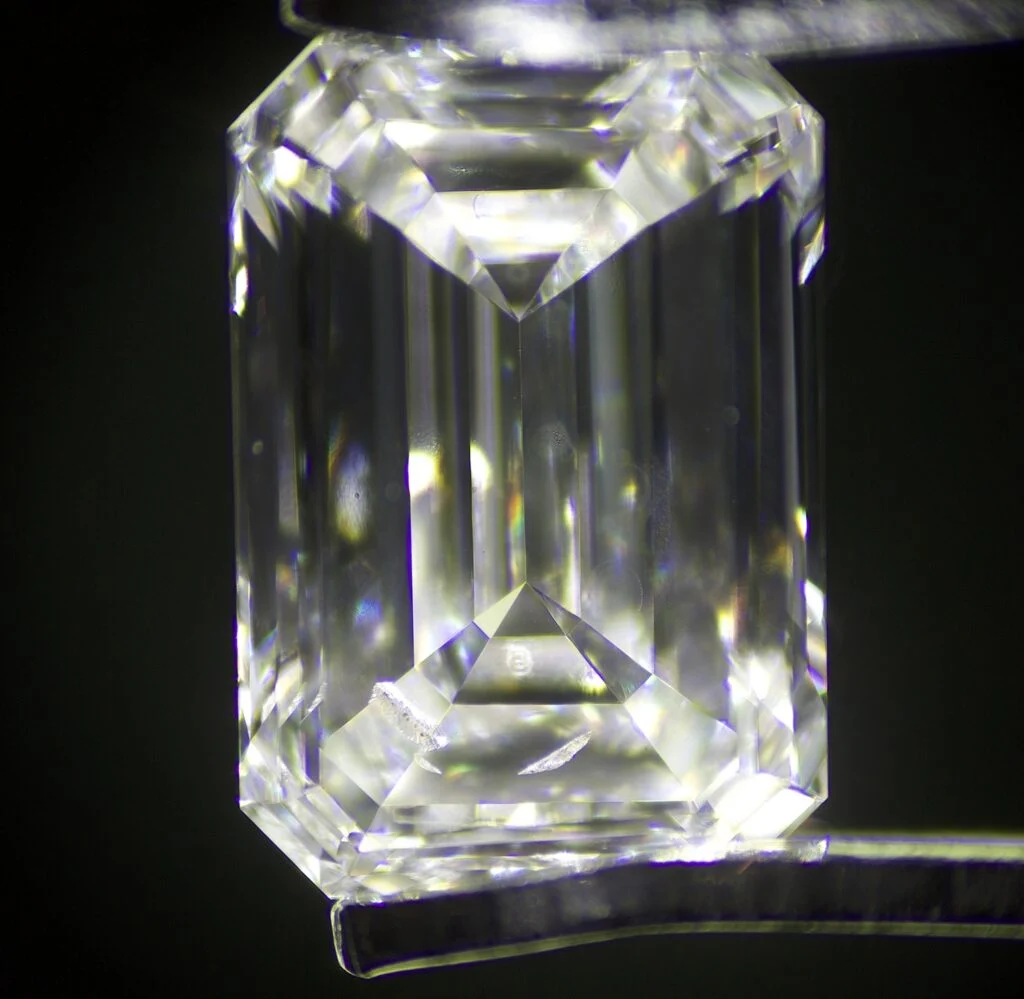
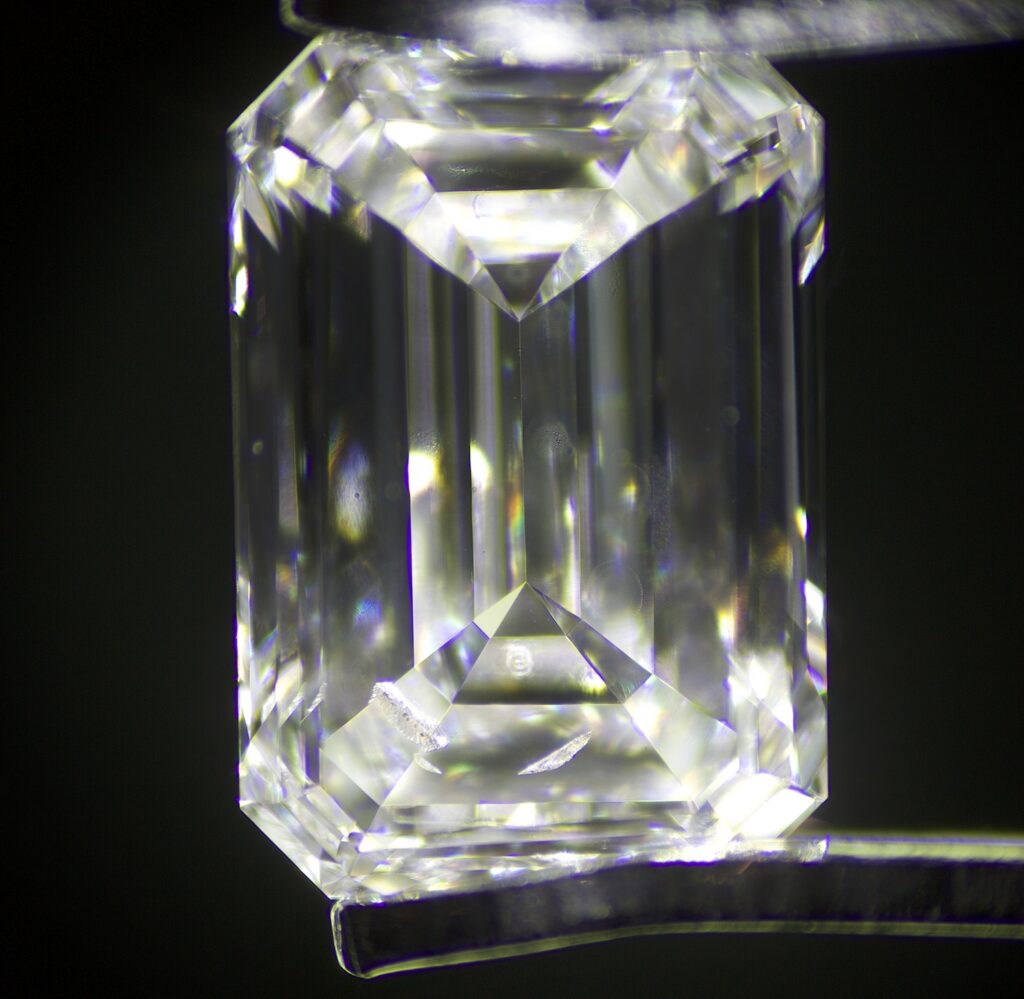
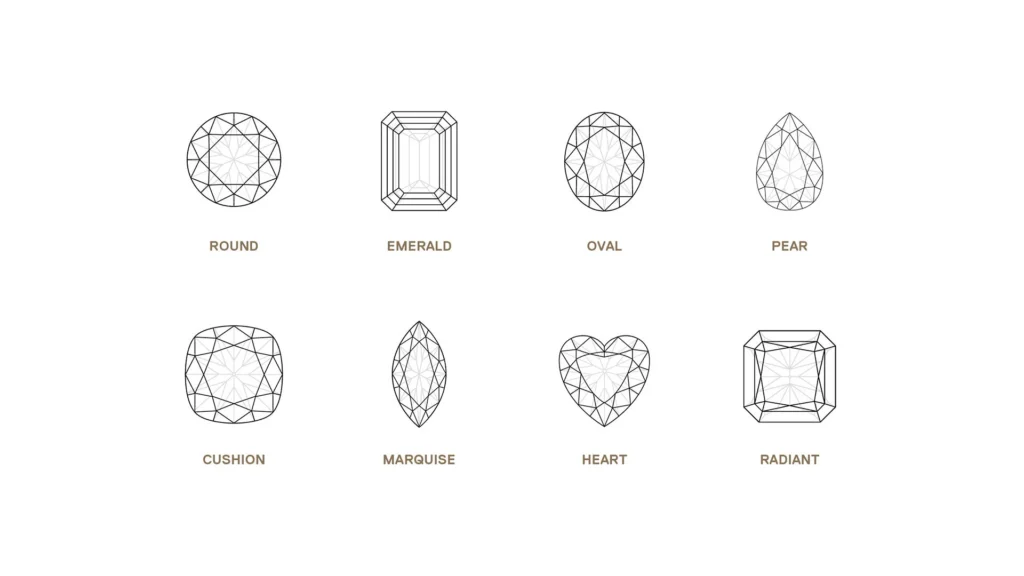
- Step Cuts: Characterized by long, parallel facets, step cuts are known for their clarity and elegant, geometric lines. Emerald cuts andAsscher cuts are prime examples. These cuts often showcase the inherent color and transparency of a gemstone without the intense sparkle of a brilliant cut.
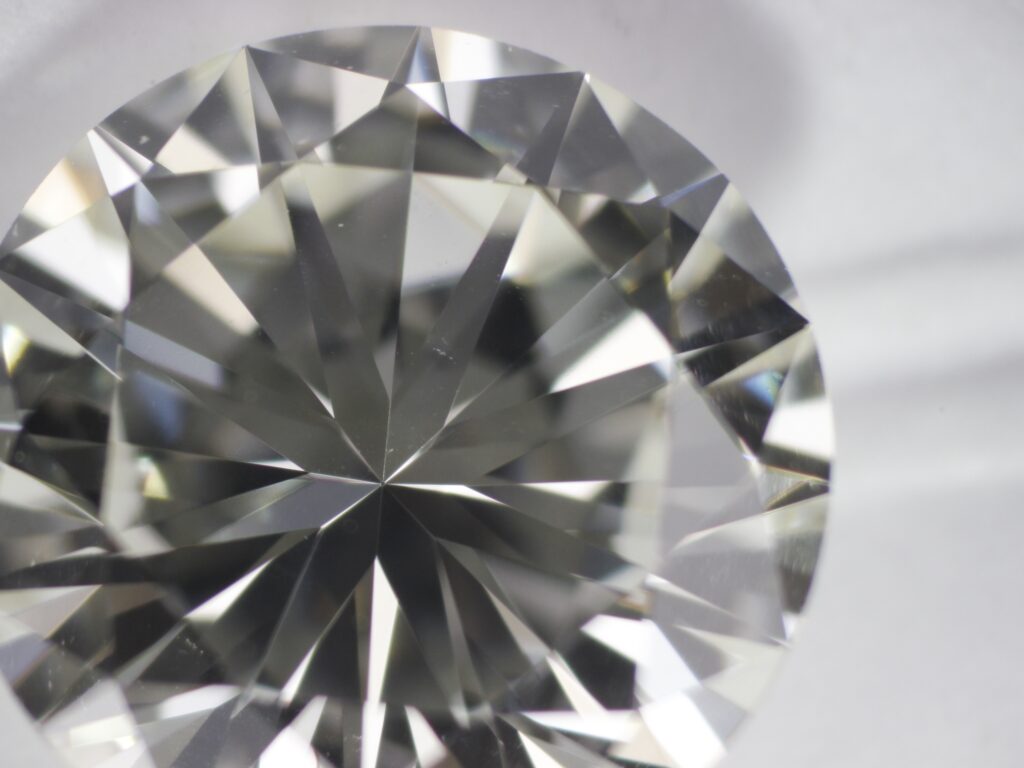
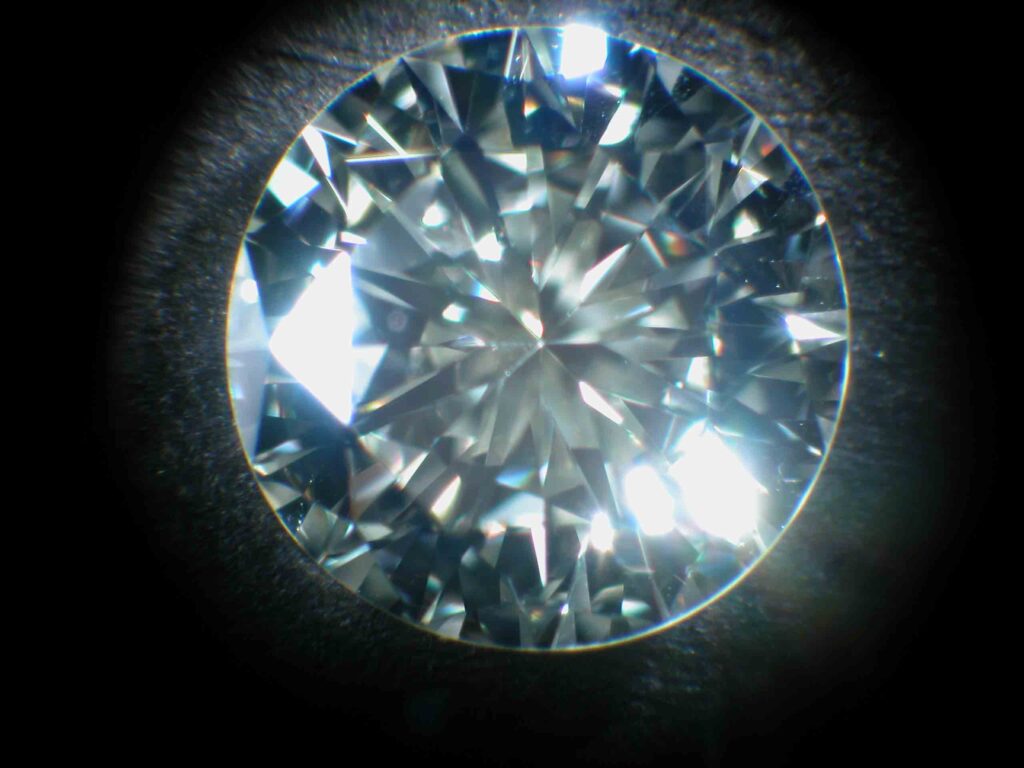
- Brilliant Cuts: Designed to maximize a diamond’s brilliance and fire, brilliant cuts feature a multitude of triangular and kite-shaped facets. The iconic round brilliant cut, with its 57 or 58 facets, is the most prevalent and scientifically optimized example.
- Mixed Cuts: As the name suggests, mixed cuts ingeniously combine elements of both step and brilliant cutting styles. This approach allows cutters to leverage the strengths of each technique, often creating unique and visually captivating gemstones.
While these styles are adaptable to a wide array of colored gemstones, diamonds are predominantly fashioned using step-cut and brilliant-cut techniques, or their numerous modifications. This specialization reflects the unique optical properties of diamonds, which are best amplified through these specific faceting strategies.
The Evolution of Step and Brilliant Cuts
The application of these cutting styles is not arbitrary; it is often dictated by the desired outcome and the inherent characteristics of the rough stone. Step cuts, with their angular outlines, are frequently employed for diamonds, resulting in shapes such as squares, oblongs, or kites, often with truncated corners. This style allows for a clean display of the diamond’s internal clarity and color. While primarily associated with diamonds, colored stones can also be fashioned in step cuts, yielding round, oval, or other shapes that emphasize their hue and transparency.
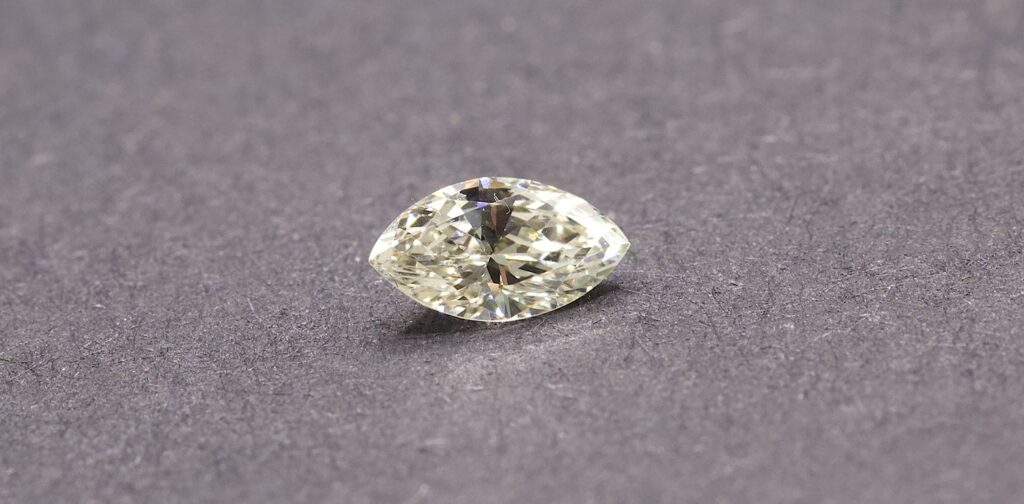
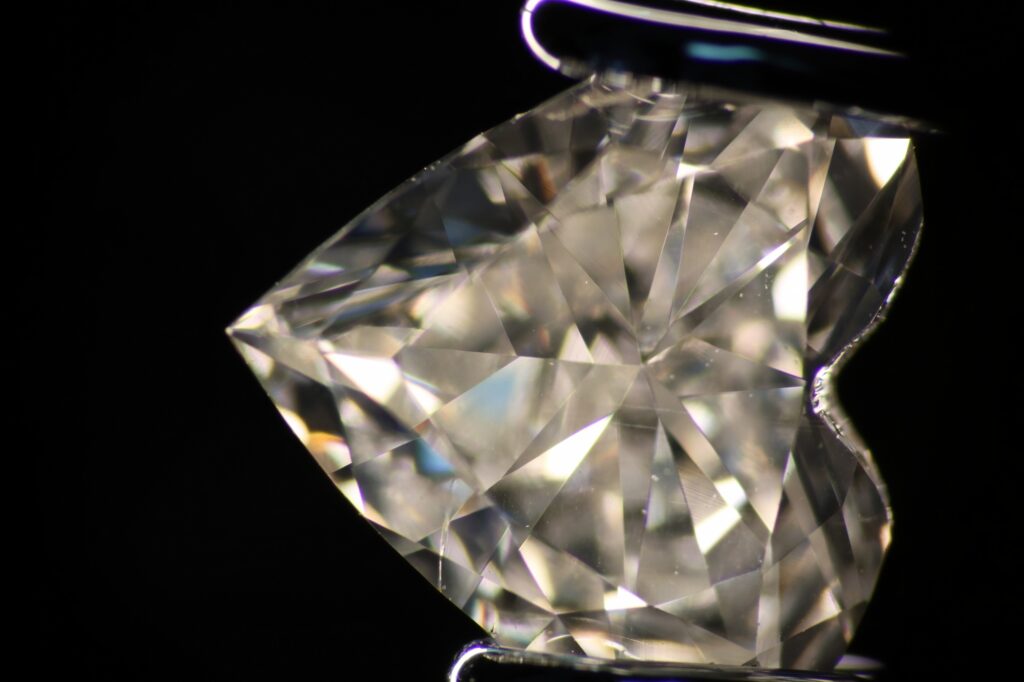
The brilliant cut, while often associated with a round girdle, is a versatile style that can be adapted to various shapes. Ovals, pears, cushions, marquises, and even heart shapes can all be cut in a brilliant style. In these modified brilliant cuts, the fundamental facet arrangement remains similar to that of a round stone, but the facet shapes are ingeniously distorted to conform to the gemstone’s outline. This adaptability ensures that the brilliance and fire of a diamond can be appreciated across a wide range of popular shapes.
Refinements and Innovations in Faceting
The pursuit of optimal light performance has led to continuous refinement and innovation in faceting techniques. For instance, the pointed ends of pear and marquise-shaped diamonds are often modified with additional facets to enhance their durability, making them less susceptible to chipping. The standard brilliant cut, comprising 57 or 58 facets (depending on the presence of a culet), represents a highly refined design. However, individual cutting firms often develop proprietary modifications, some of which gain widespread recognition.
A notable modern innovation is the princess cut. Developed in the 1960s, this square or rectangular cut has gained immense popularity due to its ability to maximize brilliance in square-shaped diamonds. Featuring a combination of triangular, kite, and strip-like facets, the princess cut is sometimes referred to as a "square brilliant," highlighting its ability to deliver exceptional sparkle.
A Legacy Forged in Light: The Historical Trajectory of Diamond Faceting
The history of diamond faceting is a testament to human ingenuity and the relentless pursuit of beauty. It is believed that the earliest forms of diamond faceting involved simply polishing a corner of an octahedral crystal to create a rudimentary table facet. As gem cutters developed their skills and tools, they began to add more facets, aiming to enhance the diamond’s brilliance – the reflection of light from its surfaces – and sparkle, the dynamic play of light as the stone is moved.
The late 19th century marked a significant technological leap with the development of machinery capable of creating perfectly round diamond girdles. This paved the way for the evolution of more standardized and optimized cuts.
The Tolkowsky Revolution: Mathematical Precision in Gem Cutting
The early 20th century witnessed a pivotal moment in diamond cutting with the work of Marcel Tolkowsky. A member of a family of diamond cutters and a trained engineer, Tolkowsky applied mathematical principles to calculate the precise angles and proportions required to achieve maximum fire and brilliance in a diamond. His groundbreaking research, published in 1919, laid the foundation for the modern round brilliant cut. While some adjustments and refinements have been made since his initial calculations, Tolkowsky’s work remains the cornerstone of the most popular diamond cut in existence today, a testament to the enduring power of scientific inquiry in the realm of art.
Beyond the Sparkle: Understanding Diamond Cut Quality
The aesthetic appeal of a faceted gemstone, particularly a diamond, is not solely determined by its cut style or shape. The quality of the cutting itself plays a paramount role in its visual performance. This encompasses several critical factors that influence how light interacts with the stone:
- Proportions: The angles and dimensions of each facet, as well as their relationships to one another, are crucial. A well-proportioned diamond is designed to reflect and refract light efficiently. Light entering the diamond should be reflected internally and ultimately emerge through the crown facets, resulting in maximum brilliance.
- Symmetry: The precision with which the facets are aligned and their relative sizes and shapes contribute to the overall symmetry of the stone. This not only affects the pleasing visual appearance but also impacts how effectively the diamond handles light. A highly symmetrical stone will exhibit a more balanced and captivating display of sparkle.
- Polish: The smoothness of each facet’s surface is essential. A well-polished facet minimizes light loss and enhances the stone’s luster. Any abrasions or imperfections on the surface can detract from the diamond’s brilliance.
The Delicate Balance: Brilliance, Fire, and the Art of Compromise
Achieving the optimal balance between brilliance and fire is a key challenge in diamond cutting. Brilliance refers to the white light reflected from a diamond’s surface and interior. Fire, on the other hand, is the dispersion of white light into its spectral colors, creating flashes of rainbow hues.
A high crown and a small table facet can enhance fire by increasing the likelihood of white light splitting into spectral colors as it enters and exits the stone through non-parallel facets. However, maximizing brilliance requires efficient reflection of white light. These two objectives can be in tension, necessitating a compromise. Expert cutters meticulously adjust proportions to achieve an optimal blend of brilliance and fire, creating a captivating visual experience.
Symmetry and its Impact on Light Performance
The concept of symmetry extends beyond mere geometric perfection. In diamond cutting, it refers to how closely the outline of the girdle, whether round, square, or another shape, adheres to its intended form. While weight conservation is an important consideration, and cutters may slightly distort shapes to retain more of the rough diamond, significant deviations from symmetry can be visually apparent and negatively impact the stone’s ability to handle light effectively. Furthermore, the precise distribution and relative sizing of facets are critical for achieving both aesthetic appeal and optimal light performance.
The 4Cs and the Primacy of Cut
Within the esteemed framework of the "4Cs" – Carat, Color, Clarity, and Cut – the cut of a diamond is arguably the most influential factor in determining its brilliance and sparkle. Gemological laboratories grade diamond cut on a scale, typically categorizing stones based on their measured proportions, symmetry, and polish. This grading is vital as it directly correlates with how light interacts with the diamond, impacting its visual appeal.
The ongoing evolution of gemological science and cutting techniques is leading to more sophisticated methods of assessing cut quality. Efforts are underway to incorporate the subjective perceptions of observers alongside objective measurements, aiming to provide a more holistic understanding of a diamond’s true beauty. As technology advances, so too does the artistry and precision of diamond cutting, ensuring that these timeless treasures continue to captivate and inspire for generations to come.
This article was developed with insights from Gem-A Gemmology Tutor Pat Daly.



