

The allure of a faceted gemstone lies not just in its inherent color, transparency, or raw beauty, but in the masterful craftsmanship that unlocks its potential for brilliance and fire. For diamonds, this artistry reaches its zenith through the intricate process of cutting and faceting, transforming rough crystals into dazzling jewels that captivate the world. This comprehensive exploration delves into the multifaceted world of diamond cutting, examining its historical evolution, the diverse styles and techniques employed, the critical factors that define quality, and the enduring impact of this ancient craft on the modern gemological landscape.
The Genesis of Sparkle: Understanding Diamond Fashioning
At its core, the "fashioning" of a gemstone encompasses the chosen cut style, the resulting shape of the stone, and the overall quality of the cutting execution. These three elements are intrinsically linked, working in concert to dictate how a gemstone interacts with light, ultimately determining its visual appeal. While colored gemstones offer a spectrum of possibilities, diamonds, with their unique optical properties, have historically been the primary canvas for the most sophisticated cutting techniques.
Gemmology Tutor Pat Daly, a seasoned expert in the field, offers a foundational understanding of these concepts. He emphasizes that while we readily appreciate the color, transparency, brilliance, and fire of a faceted gemstone, the meticulous fashioning that makes these qualities visible is often taken for granted. This introduction aims to illuminate the intricate world of diamond cut and shape, incorporating the nuances of faceting techniques, symmetry, quality factors, and the universally recognized 4Cs.
A Spectrum of Styles: From Carvings to Brilliant Cuts
The realm of gemstone cutting is remarkably diverse, extending beyond the familiar faceted forms. Styles range from the organic simplicity of carvings and beads to the smooth, dome-like finish of cabochons. However, for gemstones intended to maximize brilliance and sparkle, faceting is the paramount technique.
Broadly, faceting styles can be categorized into three main types:
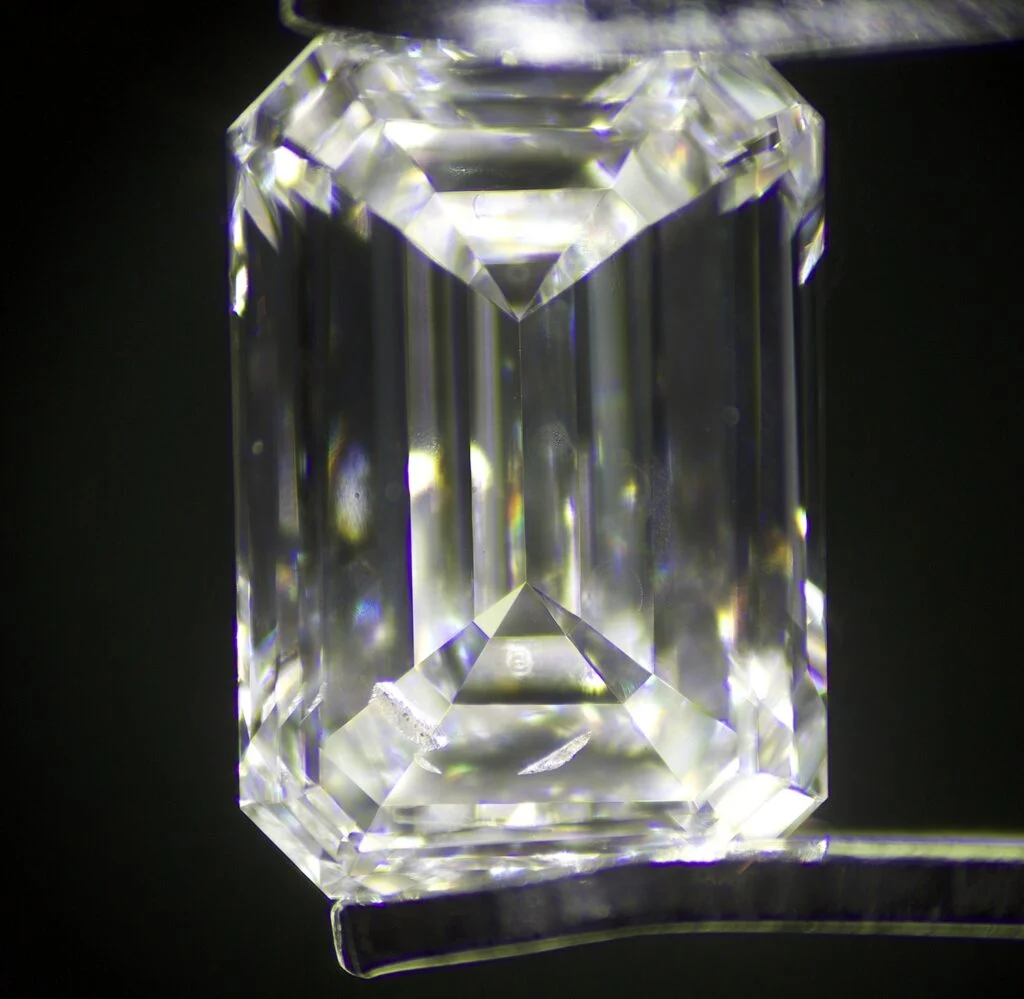
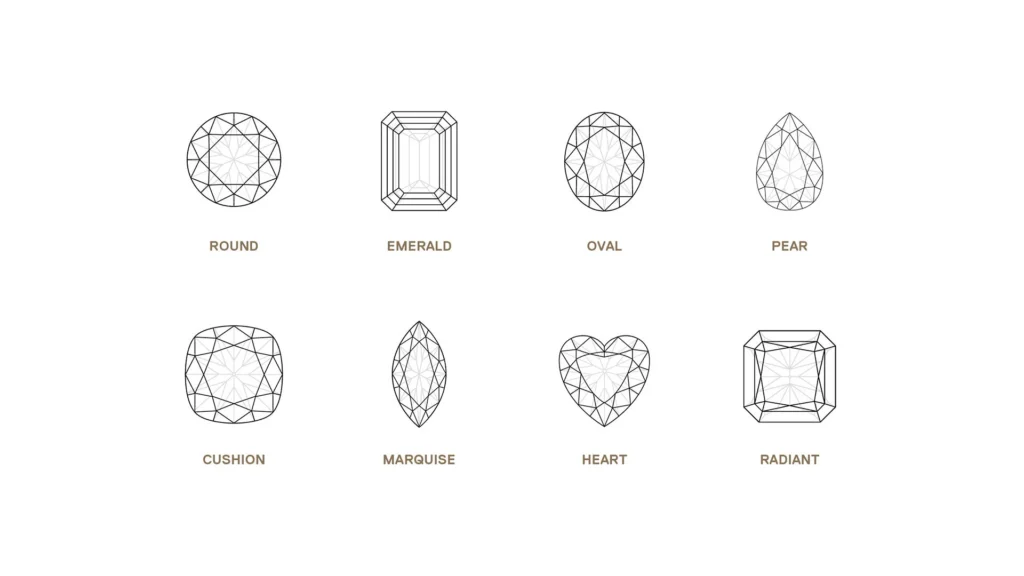
- Step Cuts: Characterized by long, parallel-sided facets, step cuts create a clean, geometric appearance. The most iconic example is the emerald cut, where the facets resemble steps, offering a sophisticated and elegant display of clarity. While step cuts are employed for colored stones, they are particularly favored for diamonds, often featuring angular outlines such as squares, oblongs, or kites, sometimes with truncated corners.
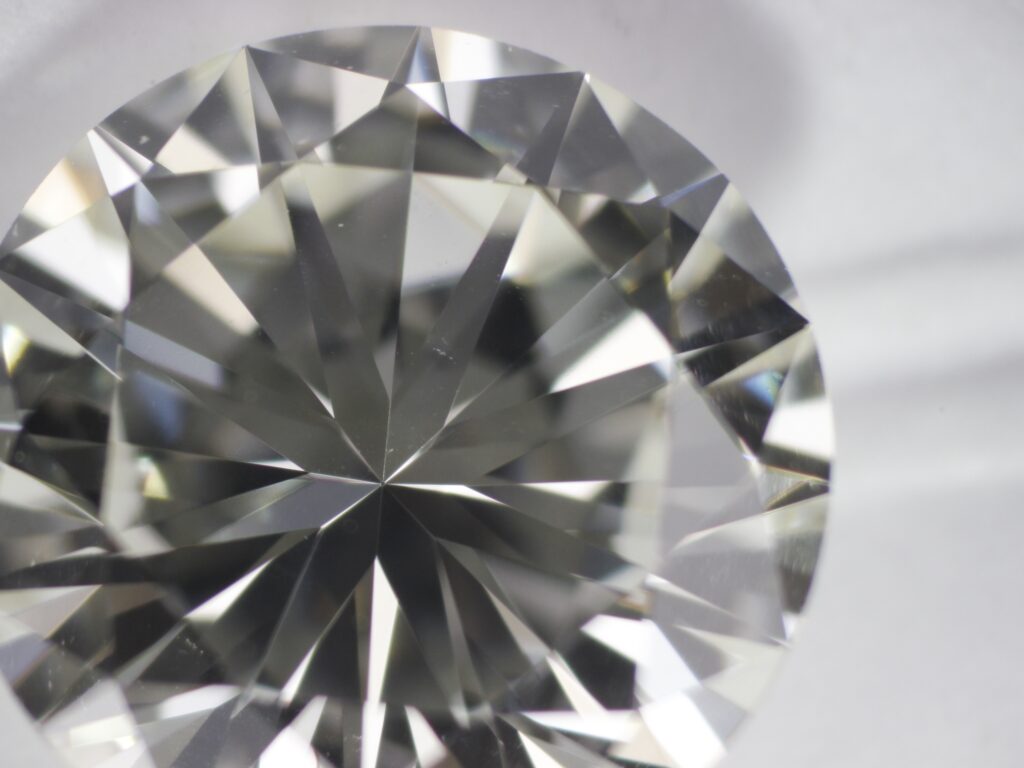
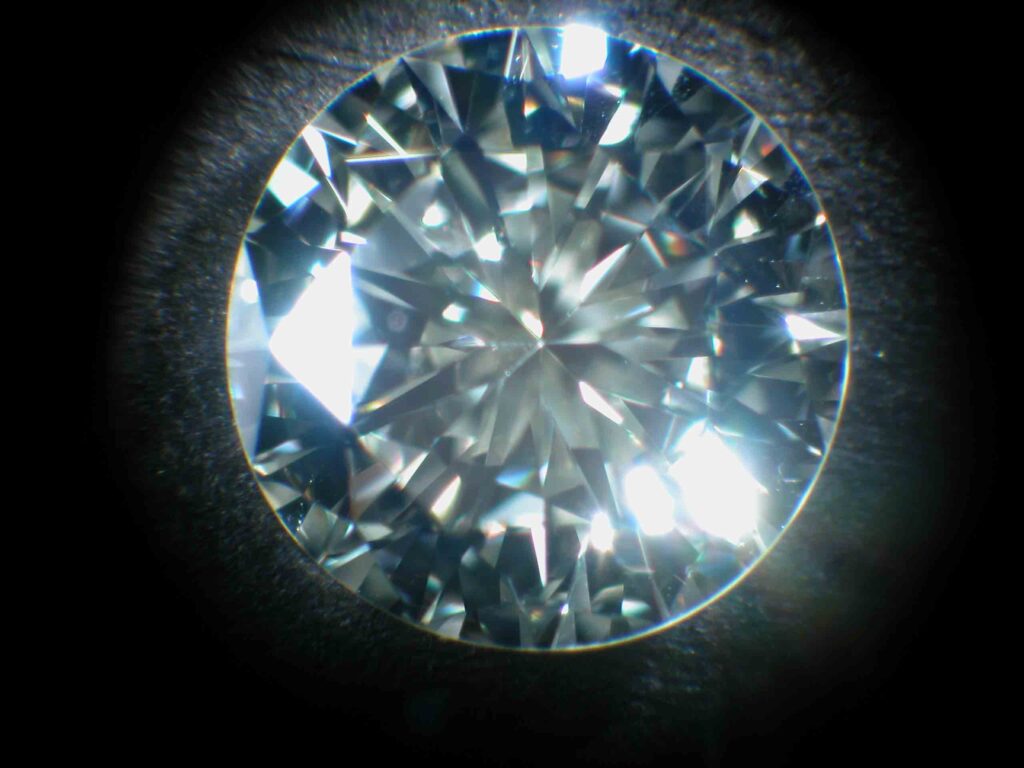
- Brilliant Cuts: This style is defined by a preponderance of triangular or kite-shaped facets. The classic round brilliant cut, with its 58 facets (or 57 if the culet is absent), is designed to maximize the reflection and dispersion of light, creating unparalleled brilliance and fire. While the round shape is the most common, brilliant cuts can be modified to accommodate various outlines, including oval, pear-shaped, cushion-shaped, marquise, and heart-shaped stones.
- Mixed Cuts: As the name suggests, mixed cuts ingeniously combine elements from two or more distinct cutting styles. This approach allows for creative solutions to enhance specific gemstone properties or to achieve unique aesthetic outcomes.
While all these faceting styles can be applied to colored gemstones, diamonds predominantly showcase step-cut and brilliant-cut configurations, or variations thereof, meticulously engineered to harness their inherent optical brilliance.
The Evolution of the Brilliant Cut: A Quest for Maximum Sparkle
The brilliant cut, particularly the round brilliant, represents the culmination of centuries of experimentation and scientific inquiry aimed at unlocking a diamond’s full optical potential. The journey began with early diamond cutters observing that removing a corner of an octahedral crystal and replacing it with a flat facet, a "table," enhanced the stone’s brilliance. As techniques advanced, more facets were added, progressively refining the stone’s interaction with light.
The late 19th century marked a significant technological leap with the development of machinery capable of creating perfectly round diamond girdles. This innovation paved the way for more precise and symmetrical cuts. However, it was in the early 20th century that the theoretical underpinnings of the ideal brilliant cut were firmly established.
Marcel Tolkowsky, a brilliant engineer from a family of diamond cutters, applied mathematical principles to calculate the precise angles and proportions required for a diamond to achieve optimal fire and brilliance. His seminal work, published in 1919, laid the foundation for the modern round brilliant cut. Tolkowsky’s calculations determined that a specific arrangement of facets, with carefully calibrated angles, would maximize the return of light into the viewer’s eye, resulting in a dazzling display of white light (brilliance) and spectral colors (fire).
While Tolkowsky’s model remains the bedrock of the round brilliant cut, continuous refinements and adjustments have been made over the decades by individual cutting firms and gemological institutions. These modifications, often subtle, aim to further enhance specific optical qualities or adapt to varying rough diamond characteristics. Despite these advancements, the round brilliant cut endures as the most popular and sought-after diamond shape globally, a testament to the enduring power of its scientifically derived design.
Beyond the Round: Exploring Diverse Diamond Shapes
While the round brilliant reigns supreme, the art of diamond cutting offers a captivating array of shapes, each with its unique charm and optical characteristics. These shapes are not merely aesthetic choices; they often represent thoughtful adaptations of cutting principles to suit the rough diamond’s form or to enhance specific visual effects.
- Emerald Cut: As a prominent example of a step cut, the emerald cut is characterized by its rectangular or square outline with beveled corners. Its long, parallel facets showcase the diamond’s clarity and color with understated elegance. However, due to its broad, open facets, it can also reveal inclusions more readily than brilliant cuts.
- Princess Cut: Emerging in the 1960s, the princess cut has rapidly gained popularity. This modern cut, often referred to as a square brilliant, features a mixture of triangular, kite, and strip-like facets designed to maximize the brilliance of square to oblong stones. It offers a contemporary alternative to the round brilliant, delivering exceptional sparkle.
- Other Brilliant Cut Variations: The fundamental principles of the brilliant cut can be adapted to create a variety of appealing shapes:
- Oval Cut: A modification of the round brilliant, the oval cut offers a similar degree of brilliance but with a more elongated appearance, often making the diamond appear larger.
- Pear Shape (Teardrop): This hybrid cut combines elements of the round brilliant and marquise cuts, featuring a rounded end and a pointed tip. It is known for its versatility and ability to flatter the wearer’s hand.
- Cushion Cut (Antique or Pillow Cut): With its rounded corners and larger facets, the cushion cut evokes a vintage charm. It was one of the earliest diamond cuts and is known for its fire and brilliance.
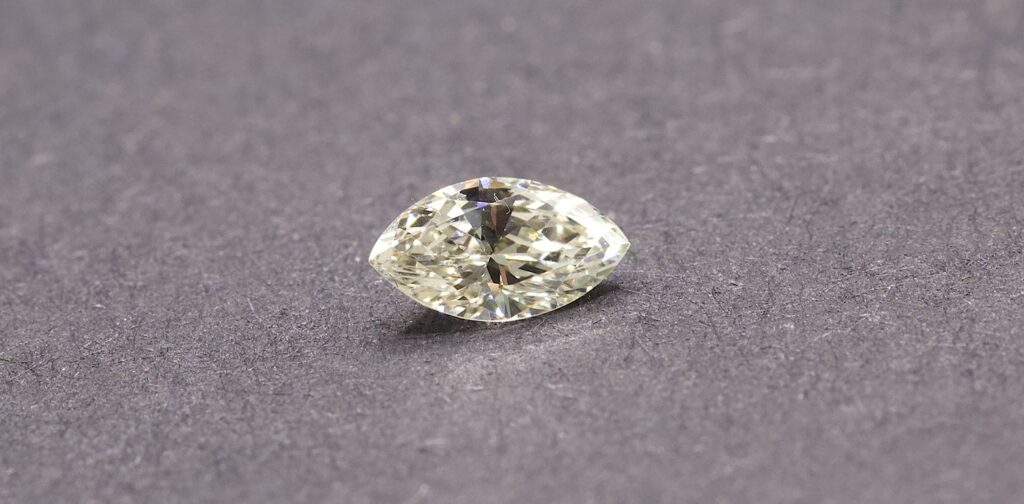
- Marquise Cut: This elongated, boat-shaped cut with pointed ends is designed to maximize carat weight and create an illusion of greater size. Its distinctive form can make fingers appear longer and more slender.
- Heart Shape: A romantic and distinctive cut, the heart shape is a modified round brilliant, meticulously crafted to achieve a symmetrical and appealing likeness to its namesake.
It’s important to note that while these shapes are broadly defined, individual cutters may introduce variations to optimize the beauty of a specific diamond. For instance, the pointed ends of pear and marquise diamonds are sometimes modified with additional facets to enhance their durability and reduce vulnerability to chipping.
The Pillars of Quality: Understanding the 4Cs and Beyond
The intrinsic beauty of a diamond is profoundly influenced by the quality of its cut. For diamonds, which rely heavily on the reflection and dispersion of light for their allure, the cut is arguably the most critical of the universally recognized 4Cs (Carat, Color, Clarity, and Cut). A well-cut diamond can appear more brilliant and vibrant, even if it possesses slightly lower color or clarity grades, compared to a poorly cut diamond of superior inherent quality.
The quality of a diamond’s cut is assessed through a combination of factors, including:
- Proportions: This refers to the precise angles and dimensions of the diamond’s facets. Optimal proportions are crucial for maximizing the return of light. A diamond that is too shallow will allow light to escape through the bottom, appearing dull, while a diamond that is too deep will reflect light internally, leading to a "window" effect where the pavilion can be seen through the table.
- Symmetry: Symmetry dictates how accurately the facets are aligned and how closely the diamond’s outline approximates its intended geometric perfection. A well-symmetrical diamond will exhibit even brilliance and sparkle across its entire surface. Any deviation from perfect symmetry can disrupt light flow, creating dark or uneven patches.
- Polish: The smoothness and finish of each facet significantly impact a diamond’s sparkle. A highly polished surface reflects light cleanly, contributing to brilliance. Scratches or abrasions can diffuse light, diminishing its overall radiance.
These three elements – proportions, symmetry, and polish – work in synergy to determine how effectively a diamond interacts with light. A well-cut diamond is engineered to capture incoming light, reflect it internally off the pavilion facets, and then return it through the crown facets to the observer’s eye. This process creates the captivating display of brilliance (white light reflection) and fire (dispersion into spectral colors).
The Intricate Balance: Fire vs. Brilliance
A fascinating aspect of diamond cutting lies in the inherent trade-off between maximizing brilliance and maximizing fire. While both are highly desirable qualities, achieving extreme levels of both simultaneously is challenging.
- Brilliance: Achieved through the efficient reflection of white light. A well-proportioned diamond with precisely angled facets will return a high percentage of incident light, contributing to its overall brightness.
- Fire: The dispersion of white light into its constituent spectral colors. This occurs as light passes through non-parallel facets at specific angles, causing it to split. A higher crown and a smaller table facet can increase the likelihood of light splitting into spectral colors, thereby enhancing fire.
Gem cutters must strike a delicate balance, often making subtle adjustments to proportions and facet arrangements to optimize both brilliance and fire, creating a visually pleasing and captivating gemstone. The goal is to achieve a harmonious interplay of white light sparkle and colorful flashes, rather than an overemphasis on one at the expense of the other.
The Role of Laboratories and Evolving Perceptions
In the modern gemological landscape, cut grading laboratories play a crucial role in providing objective assessments of diamond cut quality. For round brilliant diamonds, these laboratories categorize cuts into various grades, based on meticulously measured proportions, symmetry, and polish. This standardized grading system empowers consumers to make informed purchasing decisions, ensuring they are acquiring a diamond with excellent light performance.
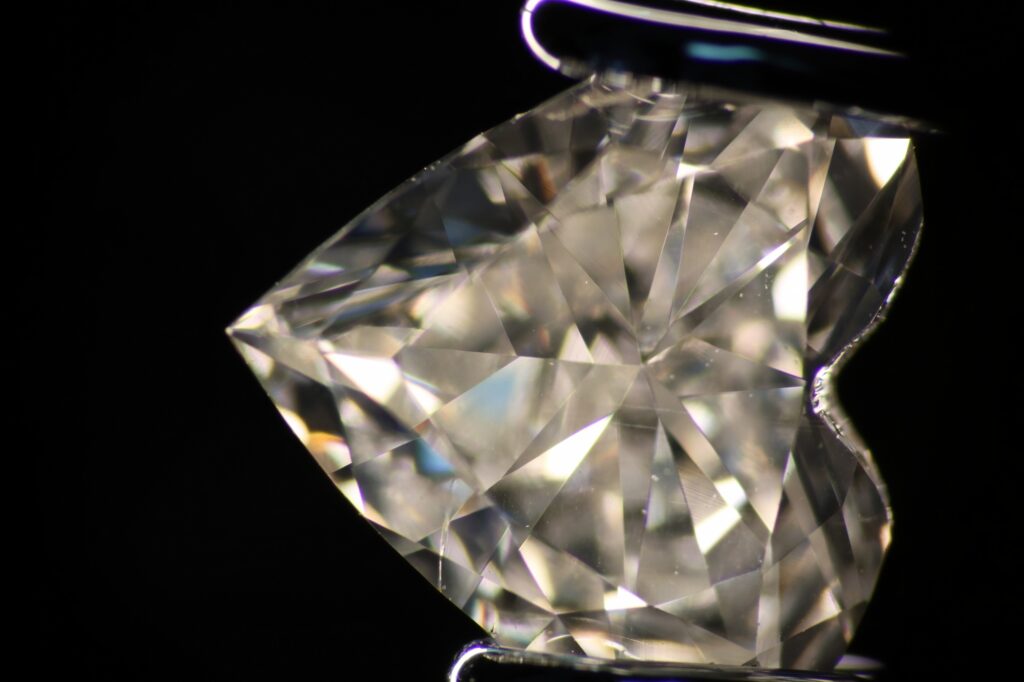
However, the assessment of cut quality is not solely reliant on empirical measurements. Increasingly, gemologists and researchers are incorporating the subjective perceptions of observers into the evaluation process. By combining experimental data with human observation, the aim is to develop a more holistic understanding of what constitutes an aesthetically superior diamond cut. This evolving approach reflects the dynamic nature of the diamond industry, where technological advancements continually refine the art and science of diamond cutting.
The Enduring Legacy and Future of Diamond Cutting
The journey of diamond cutting, from its rudimentary beginnings to the sophisticated techniques of today, is a testament to human ingenuity and the enduring fascination with these precious gems. The development of precise cutting machinery, the application of mathematical principles, and the continuous pursuit of optical perfection have transformed rough stones into objects of unparalleled beauty.
As technology continues to advance, so too does the art of diamond cutting. Innovations in laser cutting, advanced polishing techniques, and computer-aided design are pushing the boundaries of what is possible, allowing for even greater precision, creativity, and efficiency in the fashioning of diamonds. The legacy of Marcel Tolkowsky’s pioneering work continues to inspire, as cutters worldwide strive to unlock the full potential of every diamond, ensuring that these timeless treasures continue to sparkle and enchant for generations to come. The intricate dance of light within a well-cut diamond is a profound reminder of the artistry and science that transform raw earth into a symbol of enduring brilliance.



