

By Editorial Staff
Published October 12, 2026
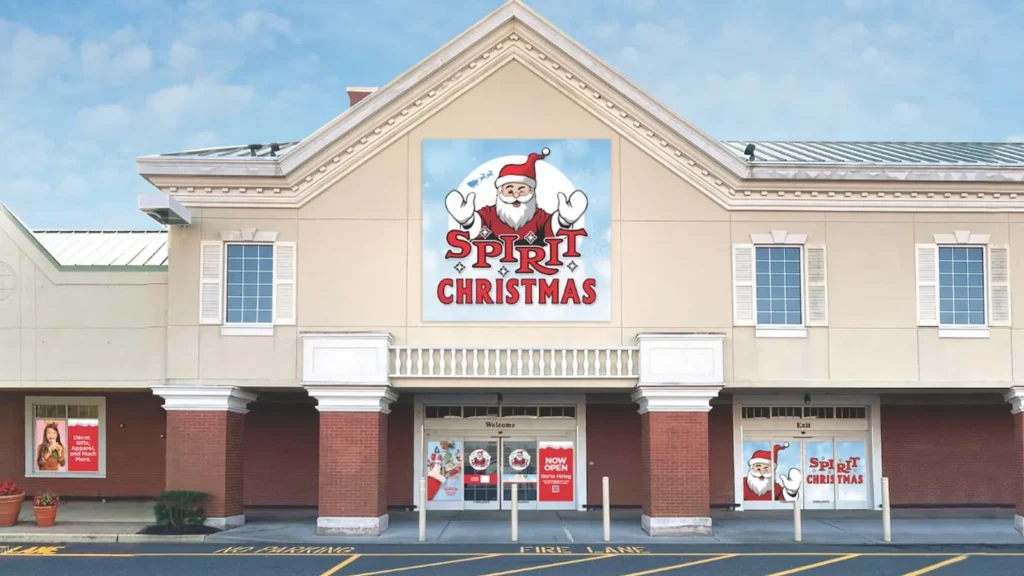
The seasonal retail landscape is undergoing a dramatic metamorphosis. Spirit Halloween, the undisputed titan of the pop-up retail world, is once again proving that its operational agility extends far beyond the realm of animatronic zombies and synthetic cobwebs. In a move signaling a permanent shift in its corporate strategy, the retailer announced on Monday that it will expand its "Spirit Christmas" concept to 44 locations for the 2026 holiday season.
This expansion marks the third consecutive year the company has experimented with moving from the shadows of Halloween into the glow of the Christmas season. By leveraging its unique model of temporary, high-impact brick-and-mortar storefronts, Spirit is attempting to capture the lucrative winter holiday market, effectively turning its seasonal expertise into a year-round engine for revenue.
The Evolution of a Seasonal Giant
A Brief History of the Pivot
For decades, Spirit Halloween has operated on a "blink-and-you’ll-miss-it" business model. By securing short-term leases in vacant retail spaces, the company has mastered the art of rapid deployment and liquidation. In 2024, the company decided to test whether this efficiency could be applied to the more traditional—and significantly more competitive—Christmas retail market.
The pilot program was a cautious success, validating the hypothesis that consumers were receptive to the same "theatrical" retail experience applied to holiday décor. Buoyed by that initial test, the company scaled up in 2025, launching 30 pop-up locations. The jump to 44 stores in 2026 confirms that the company is no longer just "testing" the waters; it is establishing a secondary pillar for its business.
The Transformation Strategy
The operational genius behind Spirit Christmas lies in its "quick-turn" capability. According to company statements, these stores are designed to undergo a near-instantaneous metamorphosis. The transition from a Halloween storefront, filled with horror-themed animatronics and masks, to a winter wonderland featuring festive lights, ornaments, and holiday giftware, is a logistical feat.
"Spirit Christmas locations will transform from spooky to merry in just a blink of an eye," the company noted in its official press release. This transition serves as a potent marketing tool, reinforcing the brand’s reputation for speed and immersive, thematic retail environments.
Site Selection and Real Estate Strategy
One of the most frequent questions regarding Spirit’s expansion is how the company selects its sites. Retail real estate is notoriously difficult to secure, especially during the high-traffic Q4 holiday season.
When asked about the criteria for selecting the 44 locations, a spokesperson for Spirit Halloween remained guarded about proprietary metrics but provided insight into the high-traffic strategy that defines their footprint. "We target high-visibility locations such as lifestyle centers, strip centers, free-standing stores, major downtown retail areas, and malls anchored by national retailers," the spokesperson stated.
By focusing on these "anchored" locations, Spirit Christmas effectively piggybacks on the foot traffic generated by major department stores and big-box retailers. This strategy minimizes customer acquisition costs and ensures that the pop-up stores are situated exactly where holiday shoppers are already congregating.
Merchandise and Consumer Experience
The product mix at Spirit Christmas is intentionally broad, catering to the "white elephant" gift market, family décor, and the trend-heavy animatronics space. Much like their Halloween counterparts, these stores emphasize "interactive experiences."
Shoppers can expect a curated selection including:
- Festive Apparel: Ugly sweaters and holiday-themed loungewear.
- Outdoor Decor: A wide array of inflatables and light displays.
- Animatronics: High-tech, motion-activated holiday characters, continuing the brand’s signature appeal.
- Giftables: Stocking stuffers, games, and novelty items designed for holiday parties.
By focusing on these categories, Spirit is positioning itself as a "one-stop shop" for holiday novelty, differentiating itself from big-box retailers that often focus on staples like electronics or toys.
The Economic Backdrop: A Tale of Two Seasons
The timing of this expansion coincides with a critical period for the American consumer. As households navigate an evolving economic climate, spending patterns for both Halloween and Christmas are being scrutinized by analysts.

The Halloween Spend
According to recent data from Deloitte, consumers are planning to spend an average of $285 per household on Halloween this year. Of that amount, approximately $219 is expected to be directed toward retail purchases. This robust spending suggests that the "spooky season" is becoming a significant retail holiday in its own right, providing a solid foundation for Spirit’s core business before they pivot to Christmas.
The Holiday Outlook
The stakes are significantly higher for the winter season. According to PwC’s 2026 holiday outlook, the average consumer expects to spend $708 on gifts alone. For households with children, that number climbs to an impressive $875.
Spirit’s entry into this space is calculated. While they are not competing with major e-commerce giants or luxury retailers for big-ticket items like high-end electronics, they are aggressively targeting the "mid-tier" gift and decor market—a segment that thrives on impulse buys and festive atmosphere.
Implications for the Retail Industry
The move by Spirit Halloween to expand its holiday concept has broader implications for the retail sector.
1. The Rise of "Eventized" Retail
Spirit is leading a trend where retail is no longer just about the transaction; it is about the experience. By creating a temporary, high-energy environment, they give consumers a reason to visit a physical store rather than buying online. This "eventization" is becoming a critical tool for survival in a market dominated by digital convenience.
2. Putting Vacant Space to Work
The success of Spirit’s model provides a blueprint for commercial landlords. As traditional retail chains continue to consolidate, the availability of short-term, high-quality retail space is increasing. By creating a concept that can seamlessly pivot between seasons, Spirit is providing landlords with a reliable tenant that can monetize "dark" or vacant spaces during the most important shopping months of the year.
3. Competition for Seasonal Mindshare
Traditional retailers, which typically begin their holiday displays in October, now face a new form of competition. By occupying prime retail real estate, Spirit Christmas creates a "must-visit" destination that can divert foot traffic away from permanent retailers. If the 44-store expansion proves successful, it is likely that the company will continue to scale, potentially reaching a point where Spirit Christmas becomes a staple of the American holiday experience.

Looking Ahead: Is a Nationwide Chain Imminent?
While the company has not released a long-term roadmap, the trajectory is clear. Starting with a test, moving to a modest expansion, and now hitting a significant milestone of 44 stores, Spirit is methodically building the infrastructure to support a nationwide holiday retail presence.
The primary challenge moving forward will be inventory management and the complexity of managing two distinct brand identities within the same logistical framework. Maintaining the "Spirit" culture—which is inherently tied to the spookiness of Halloween—while successfully pivoting to the warmth of Christmas will require careful brand management.
However, the company’s ability to generate "buzz" and its knack for identifying high-traffic locations suggest that they are well-positioned for the road ahead. As the 2026 holiday season approaches, all eyes will be on these 44 locations to see if the "spooky retailer" can truly conquer the spirit of Christmas.
For the consumer, the takeaway is simple: the holiday shopping season is getting a little more theatrical, a little more interactive, and, thanks to Spirit’s rapid transformation model, a lot more interesting. Whether you are looking for a singing Santa or a classic ornament, the pop-up model is proving that the future of retail is as fleeting, and as exciting, as a flickering holiday light.



