In the evolving landscape of luxury travel, the definition of a "five-star experience" is undergoing a profound transformation. Modern travelers no longer seek mere opulence; they crave narrative-driven journeys that bridge the gap between global sophistication and localized heritage. Japan, a country defined by its paradoxical harmony of hyper-modernity and ancient tradition, is currently leading this shift. From the fashion-forward districts of Tokyo to the fermented wellness rituals of Hokkaido and the meditative art studios of Osaka, a new cohort of hotel packages is redefining how visitors engage with the Japanese spirit.
The Convergence of Haute Couture and Hospitality: The Dior-Palace Hotel Alliance
Main Facts and Architectural Marvels
The Palace Hotel Tokyo, a recipient of the prestigious Michelin Guide’s "Three Keys" distinction, has solidified its reputation as a sanctuary for the culturally curious through its latest collaboration with the House of Dior. This partnership centers on the recently unveiled Dior Bamboo Pavilion in the upscale Daikanyama neighborhood.
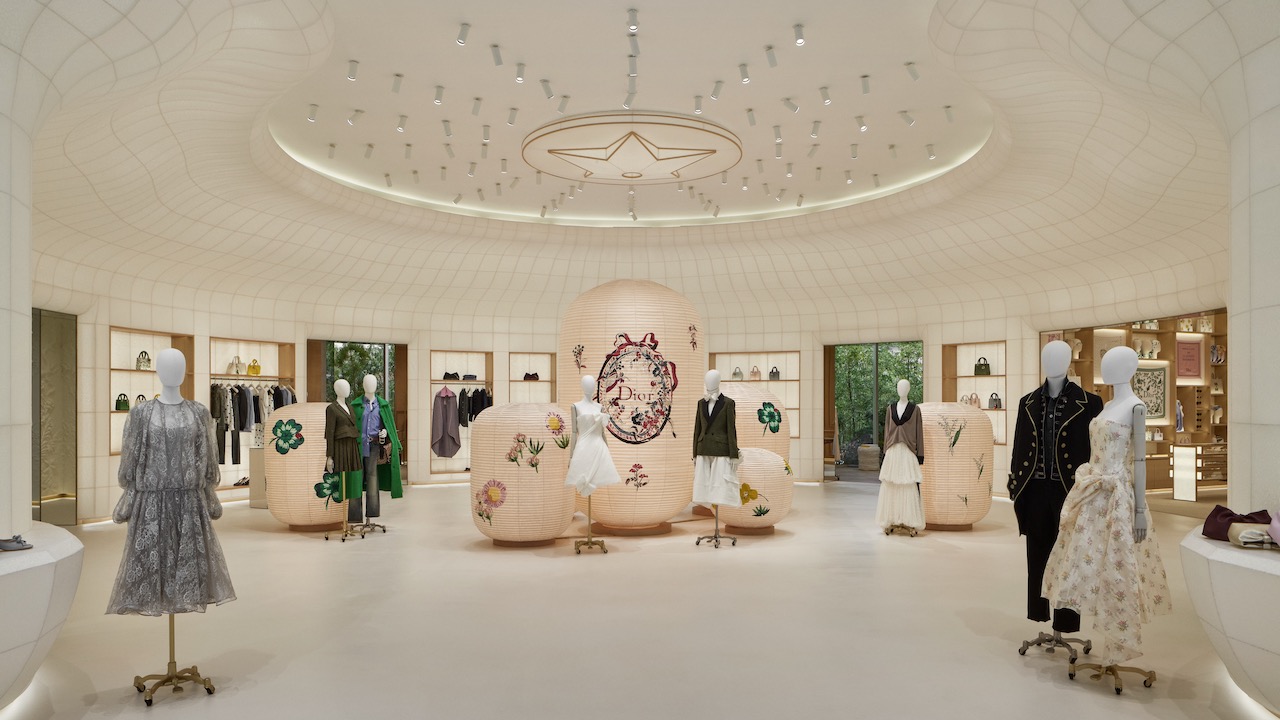
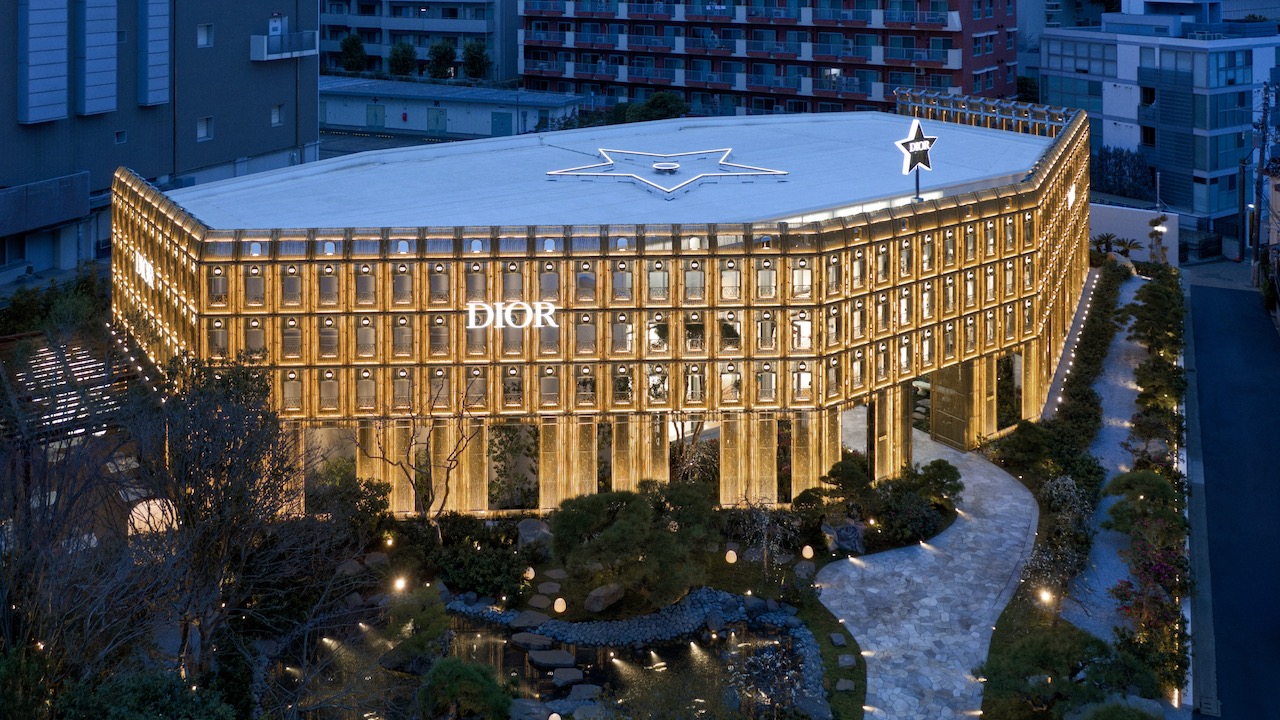
The Pavilion is not merely a retail space; it is a conceptual homage to Christian Dior’s enduring fascination with the natural world. Designed with a striking golden aluminum façade that mimics the structural grace of Japanese bamboo forests, the building serves as a bridge between Parisian haute couture and the precision of Japanese artisanship. Landscape designer Seijun Nishihata has curated an immersive garden that acts as a tranquil threshold, while the interior space showcases the latest collections by creative director Jonathan Anderson.
The "A Touch of Dior" Experience
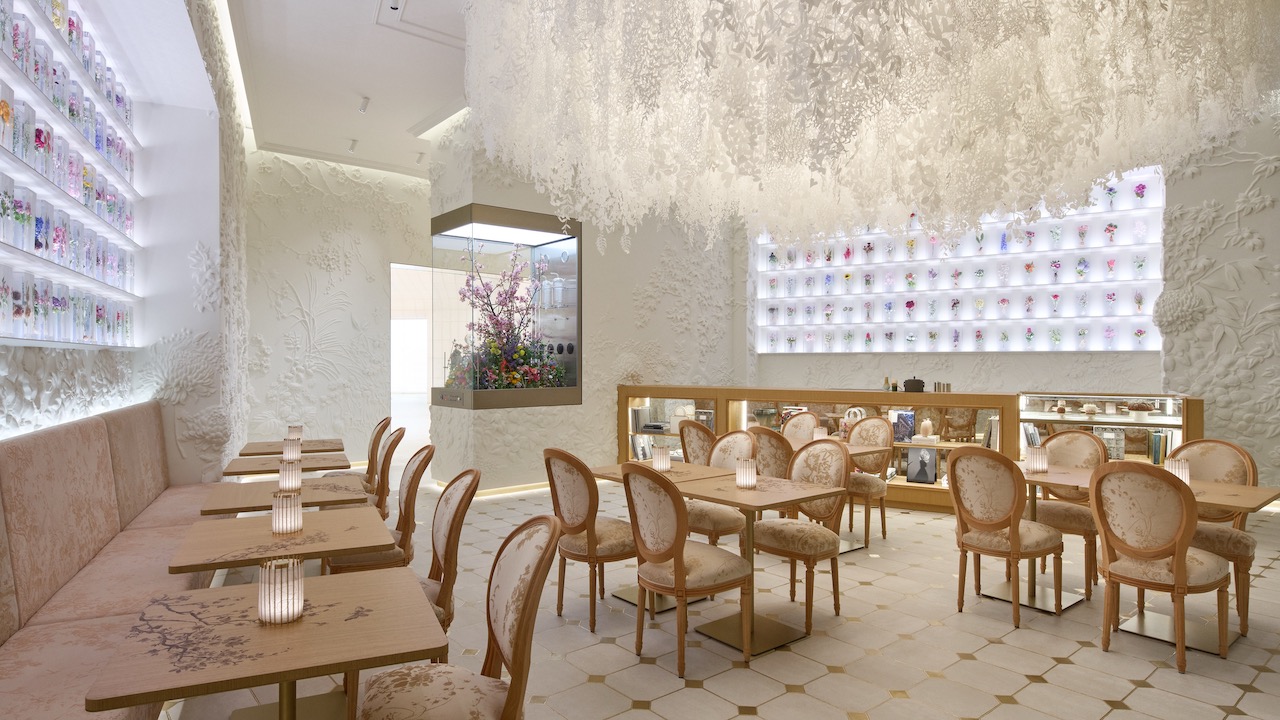
The hotel’s "A Touch of Dior" package is a comprehensive immersion into this aesthetic world. Guests booking the stay—available in room categories ranging from the Club Deluxe with Balcony to the sprawling Premier Suite—are granted a bespoke itinerary. The experience includes a private, chauffeured transfer to the Pavilion for a guided tour, followed by a light culinary journey at the on-site Café Dior by Anne-Sophie Pic. The French chef, renowned for her Michelin-starred precision, translates the house’s elegance into a sensory dining experience. Upon returning to the hotel, guests are greeted with a curated selection of amenities, including a Miss Dior cocktail served at the Lounge Bar Privé or The Palace Lounge, bespoke in-room floral arrangements, and a signature box of Les Bonbons Bouton de Christian Dior chocolates.
Chronology of Cultural Expansion: From Fermentation to Fine Arts
The current trend of localized, experiential travel follows a specific trajectory of development. Over the past eighteen months, luxury hoteliers have shifted from passive service models to active curators of the guest’s time.
- February 2026: Otaru Retreat by Onko Chishin reopens in Hokkaido, introducing the kamosu philosophy—the art of fermentation and gradual transformation—to its core operations.
- June 2026: Zentis Osaka launches its third annual Art-in-Residence program, partnering with masters of shodō (calligraphy) to bridge the gap between traditional craft and contemporary design.
- June 2026 – March 2027: The current window for the "A Touch of Dior" package at Palace Hotel Tokyo and the "Essence of Shodō" package at Zentis Osaka, signaling a high-demand season for curated cultural engagement.
The Philosophy of "Kamosu": Wellness as Biological Restoration
The Otaru Retreat Experience
In the Asarigawa Onsen district of Hokkaido, the Otaru Retreat by Onko Chishin is challenging conventional notions of spa treatments. By centering their 19-room property on the concept of kamosu, they are inviting guests to embrace the science of biology and time.
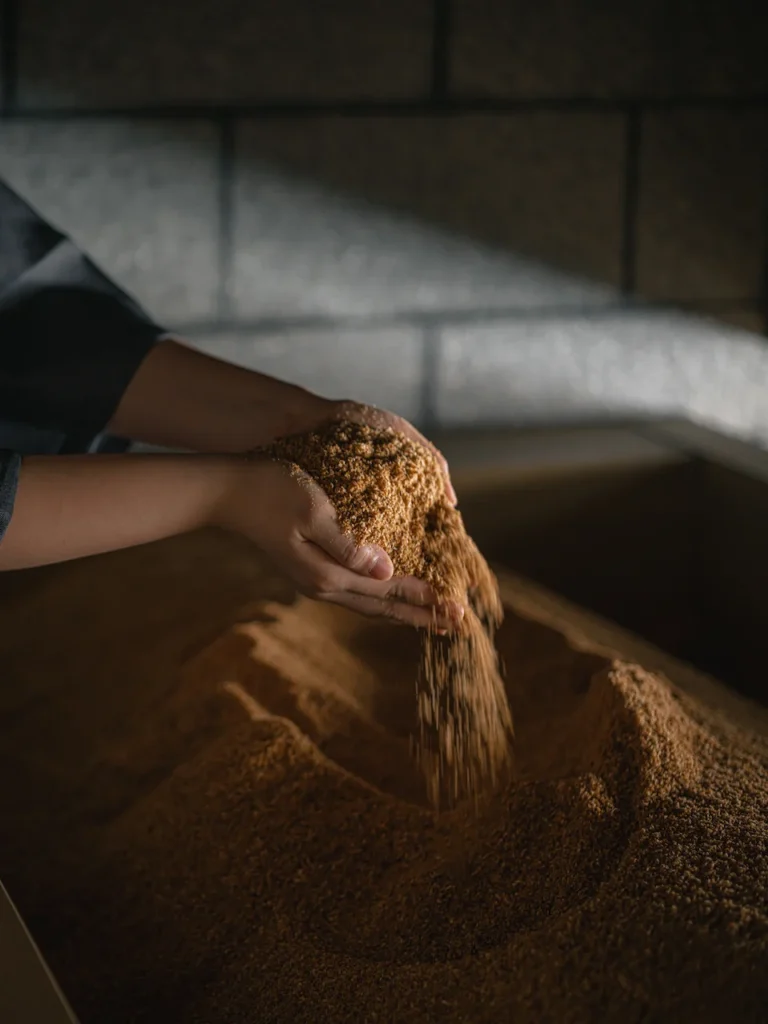
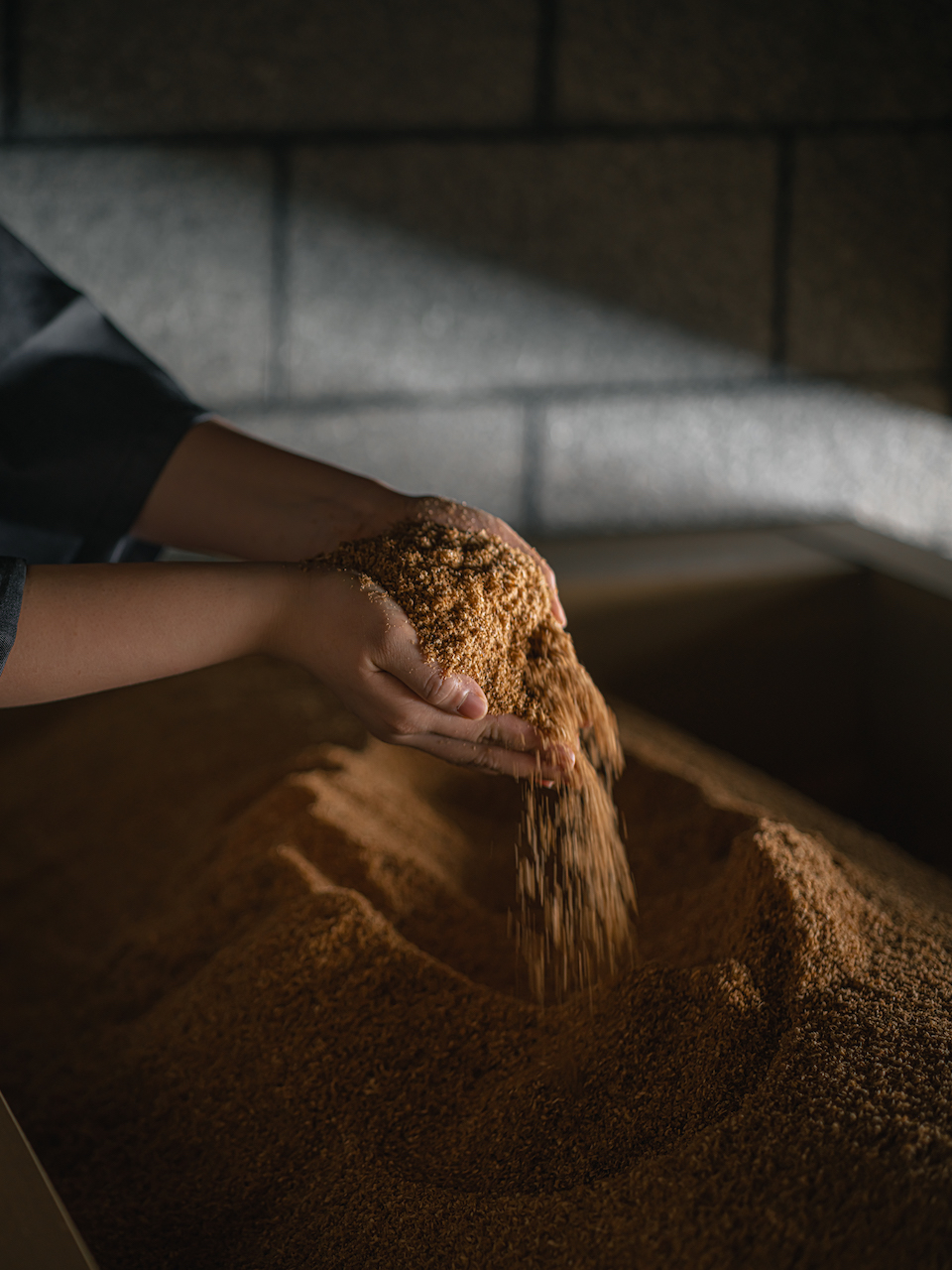
The highlight of the retreat is the introduction of Hokkaido’s first in-property enzyme bath, developed in tandem with Ohtaka Enzyme, a century-old fermentation house based in Otaru. Unlike traditional heated pools, this bath involves immersion in Hokkaido conifer sawdust, which is activated by fermented botanical extracts. The heat is not generated by electricity, but by microbial activity—a living, breathing thermal process. Proponents argue this generates a deeper, more sustained internal heat that aids in circulation, skin renewal, and metabolic recovery.
The Private Onsen and Satoyama Connection
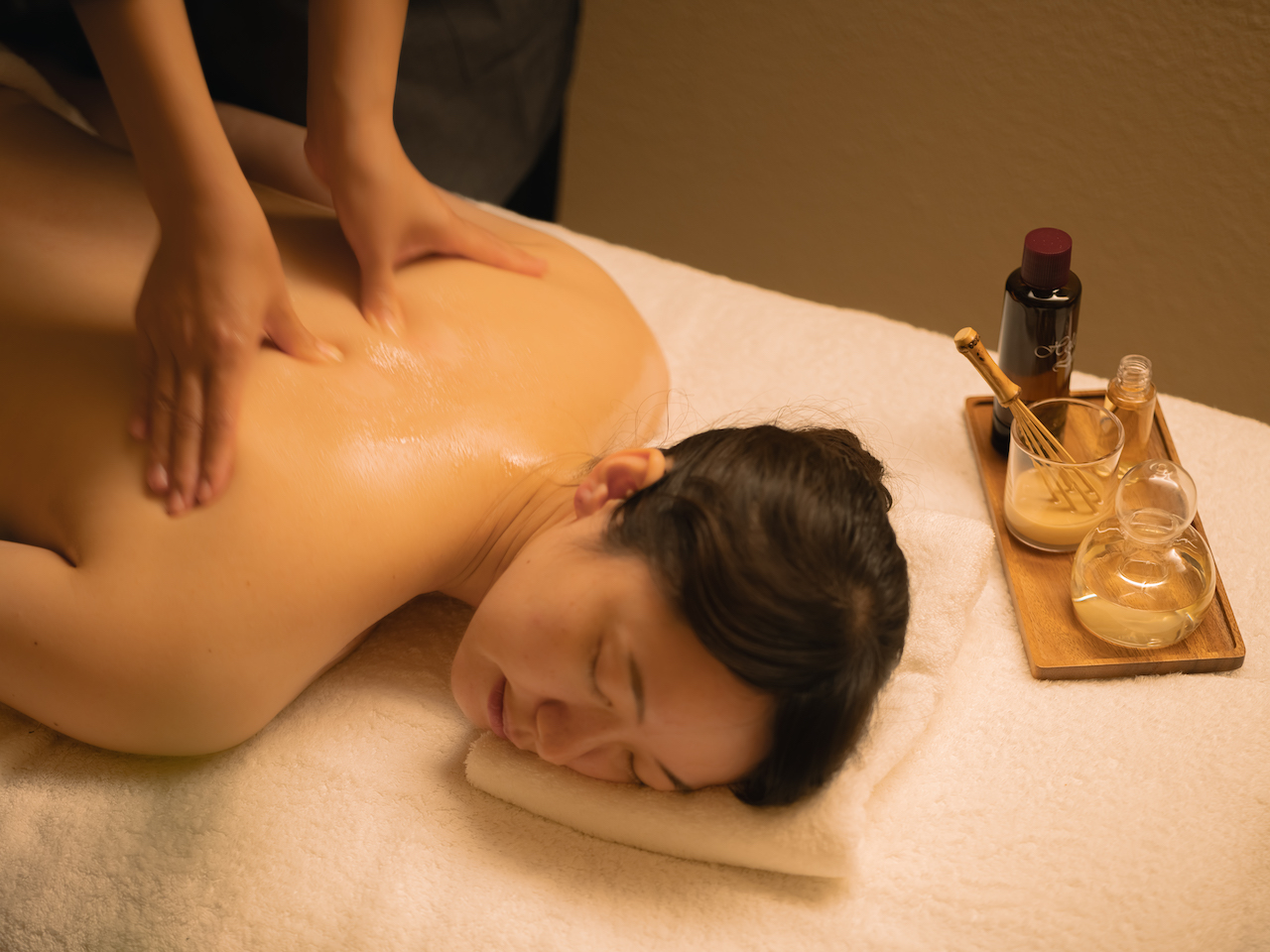
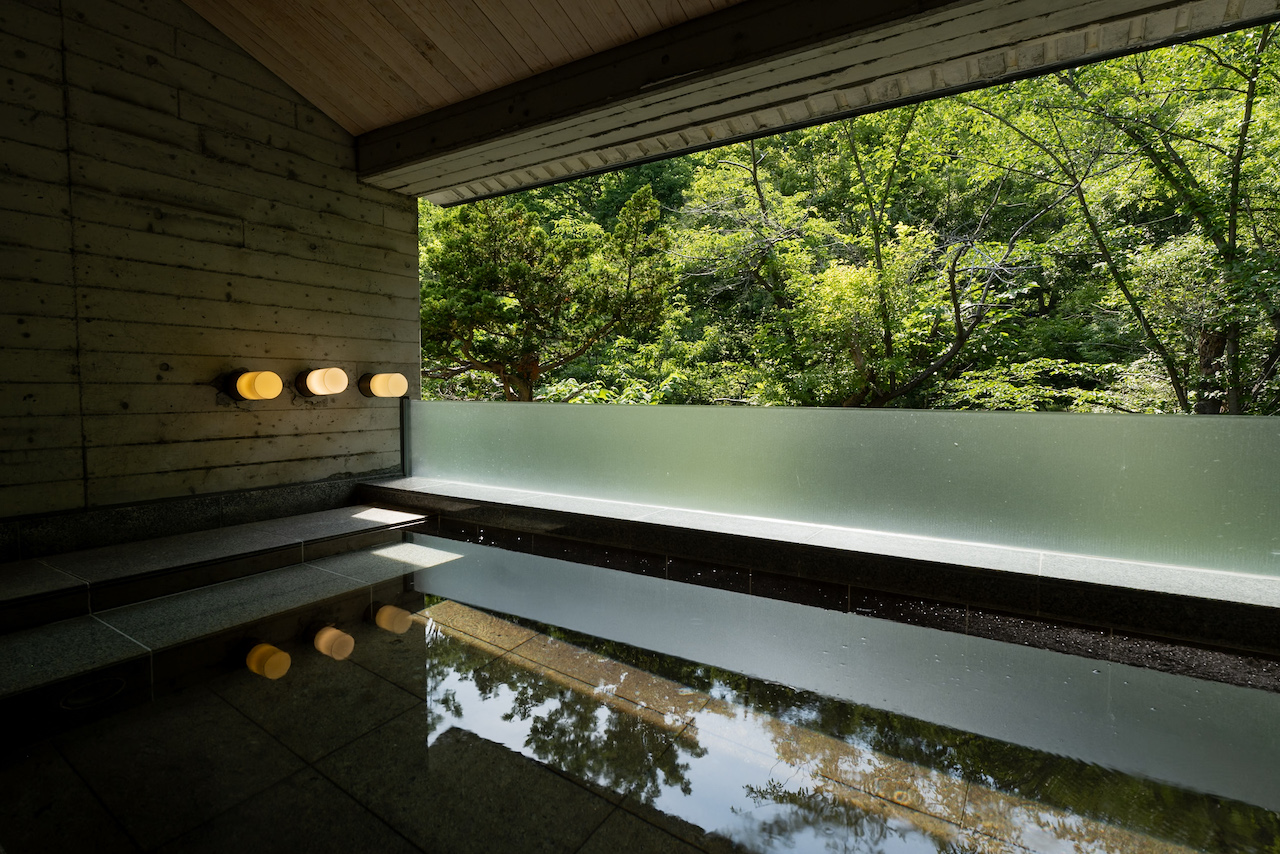
For those seeking a connection to the landscape, the Private Onsen Package offers a secluded retreat into the satoyama—the border zone between mountain foothills and arable land. The bath is fed directly by the mineral-rich Asarigawa hot spring. Complementing the soak is a löyly steam ritual infused with kumazasa (bear bamboo), a local plant celebrated for its antimicrobial properties. The experience is rounded out by a thoughtfully stocked minibar featuring locally sourced fermented beverages and artisanal herbal teas, reinforcing the property’s commitment to the holistic integration of local environment and personal health.
The Essence of Shodō: A Meditative Deep-Dive in Osaka
Supporting Data and Artistic Context
At Zentis Osaka, the hotel has transitioned from a mere place of rest to a gallery of living history. The third edition of their Art-in-Residence program serves as a masterclass in the Japanese art of shodō. The exhibition features 11 original works by Baikei Uehira and his son, Taiga Uehira, both of whom have dedicated their careers to the preservation of this millennium-old tradition.
Baikei Uehira is a legendary figure in the Japanese calligraphic scene, having founded the Seisho Calligraphy Association. His work often involves live-performance elements, emphasizing the motion and intent behind each stroke. His son, Taiga, has expanded the reach of this art form globally through his organization, Calligraphia Japan. The juxtaposition of their works within the minimalist, modern framework of the Zentis hotel provides a visual dialogue between the past and the future.
The "Essence of Shodō" Package
The residency is not merely for spectators. The "Essence of Shodō" stay package invites guests into the workshop of the masters. Over a two-night stay, participants undergo a private, 60-minute intensive lesson in the fundamentals of calligraphy. To ensure the practice continues beyond the hotel walls, guests are provided with a water-calligraphy set—a sustainable, mess-free tool for daily practice. The package also includes a custom-designed Japanese fan, inscribed with the guest’s own calligraphy or an original piece by their master, and specialized bath salts scented with Parfum Satori’s signature fragrance, allowing for a sensory transition back into their daily lives.
Official Responses and Strategic Implications
The rise of these bespoke packages reflects a broader strategic pivot within the Japanese hospitality sector. According to spokespeople from the involved properties, the goal is to provide "cultural friction"—a positive form of engagement that forces the traveler to slow down and interact with the mechanics of the craft rather than simply consuming the product.
Implications for the Luxury Sector
- Hyper-Personalization: The luxury market is moving away from generic concierge services toward proprietary, exclusive access. Whether it is a private tour of a fashion pavilion or a one-on-one session with a calligraphy master, the value is in the "access" that money cannot usually buy.
- The Rise of Slow Wellness: The success of the Otaru Retreat suggests that travelers are increasingly interested in the science behind wellness. Fermentation, microbial health, and the use of indigenous flora are becoming new hallmarks of high-end spa offerings.
- Cultural Stewardship: By providing a platform for traditional artisans, hotels are positioning themselves as protectors of intangible cultural heritage. This not only enhances the hotel’s brand equity but also ensures the survival of specific Japanese crafts in a digital age.
Conclusion: A New Era of Meaningful Travel
Japan’s recent hotel offerings represent a departure from the "sightseeing" model of the early 2000s. Instead, these experiences demand a level of intellectual and physical participation from the guest. By integrating the world of high fashion at the Palace Hotel Tokyo, the biological philosophy of fermentation at Otaru Retreat, and the meditative discipline of calligraphy at Zentis Osaka, these institutions are catering to a traveler who values depth over breadth.
As these initiatives continue through 2027, they provide a blueprint for how luxury travel can remain relevant: by acting as a bridge between the guest and the profound, centuries-old traditions that continue to define the Japanese identity. For the discerning visitor, the message is clear—Japan is no longer just a place to see, but a culture to inhabit, study, and, ultimately, participate in.