

The global art ecosystem is currently undergoing a period of profound recalibration. From the executive boardrooms of Los Angeles to the historic auction houses of London and the galleries of New York, a series of strategic leadership appointments, philanthropic initiatives, and macroeconomic shifts are redefining the landscape. As the industry prepares for major fall milestones—including Frieze London and the long-awaited Roy Lichtenstein retrospective at the Whitney Museum of American Art—the underlying currents of the market reveal a world in flux, balancing institutional tradition with the pressures of a changing global economy.
Main Facts: A Summary of Institutional and Market Evolution
The current week has seen a flurry of activity across major art world sectors. In Los Angeles, the Hammer Museum has significantly expanded its governance, signaling a period of robust institutional growth. Simultaneously, the Art Dealers Association of America (ADAA) has reinforced its commitment to regional curatorial excellence through a new round of grants targeted at mid-sized museums.
On the commercial side, several high-profile artist representation changes have been announced. Thaddaeus Ropac, a titan of the European gallery scene, has added Denzil Forrester to its roster, while other galleries like Kristin Hjellegjerde and Jessica Silverman are expanding their footprints with international and emerging talent.
Perhaps most striking are the macroeconomic indicators affecting the United Kingdom. New data suggests a massive exodus of private wealth, a trend that could have long-term repercussions for the London art market. Meanwhile, in New York, the legacy of Pop Art is being revisited through both a critical lens at the Whitney and a commercial lens through high-profile retail collaborations.
Chronology: From Foundation Origins to the Present Moment
To understand the weight of these changes, one must look at the timeline of the institutions involved. The Adolph and Esther Gottlieb Foundation, for instance, has maintained a remarkable level of stability since its inception in 1976. The appointment of Tricia Laughlin Bloom as only the second executive director in nearly half a century marks a rare generational shift for an organization dedicated to supporting mature artists.
Similarly, the Keith Haring Foundation’s hiring of Alison Coplan comes at a time when the late artist’s estate is increasingly involved in complex global licensing and institutional partnerships. This move follows a decade of explosive growth in the market for Haring’s work, necessitating a more strategic approach to his legacy.
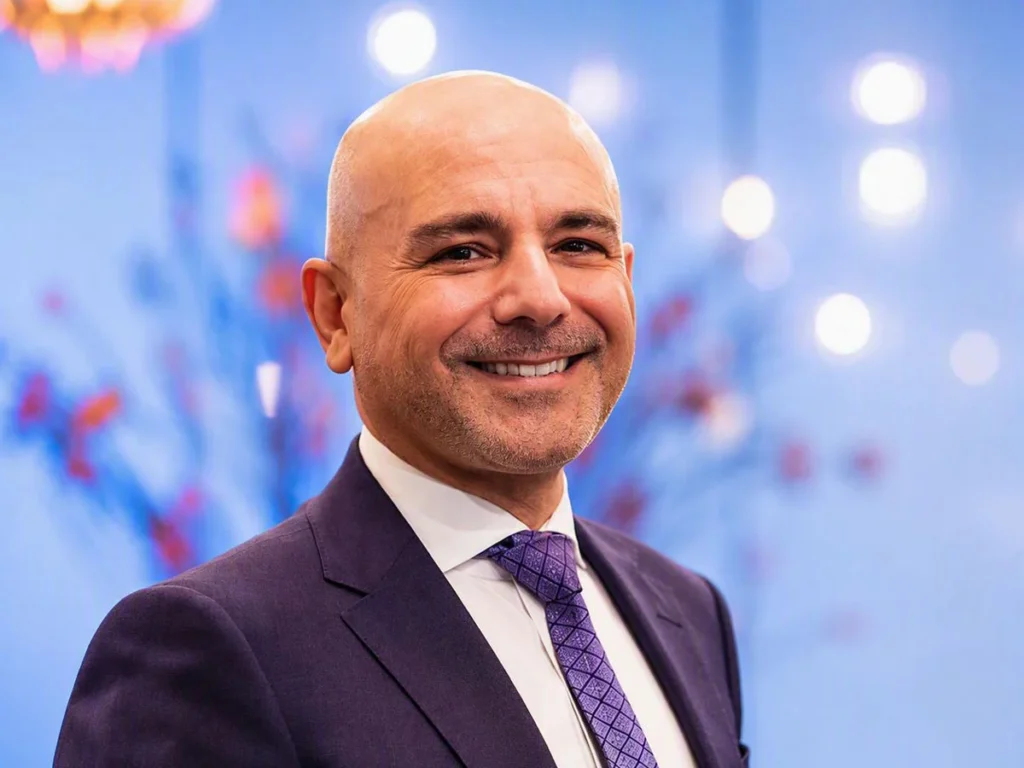
The timeline for the Hammer Museum’s leadership change follows the museum’s recent physical expansion and its deepening ties to the Hollywood and academic communities of Los Angeles. The election of Eric Esrailian as chair and Karen Hillenburg as vice chair represents the culmination of a multi-year effort to diversify and strengthen the museum’s financial and creative oversight.
In London, the artist roster moves coincide with the lead-up to Frieze London 2024 and 2025. Thaddaeus Ropac’s acquisition of Denzil Forrester follows years of growing critical acclaim for the artist, notably since his inclusion in the 2019 "Artists I Steal From" exhibition curated by Alvaro Barrington. This trajectory highlights the slow-burn nature of career elevation within the blue-chip gallery system.
Supporting Data: Wealth Flight and Institutional Investment
The most startling figure in recent reports is the $160 billion in wealth estimated to have exited the United Kingdom over the past 24 months. According to the Bloomberg Billionaires Index, this "billionaire exodus" is driven by shifting political winds, specifically the Labour Party’s ascent to power and the subsequent abolition of "non-dom" tax perks that long favored the ultra-wealthy.
The redistribution of this capital is notable:
- Primary Destinations: The United Arab Emirates (UAE), Switzerland, and Monaco have become the preferred hubs for this displaced capital.
- Secondary Impact: While some wealth is returning to home nations like Denmark and Egypt, the net loss to the UK’s luxury economy—including the art market—is unprecedented.
In contrast to these massive capital flows, the ADAA Foundation’s announcement of $10,000 grants to four museums may seem modest, but it represents a targeted investment in the "research and development" phase of art history. The recipients include:
- The Aldrich Contemporary Art Museum (Connecticut)
- The Bronx Museum of the Arts (New York)
- The Harn Museum of Art (University of Florida)
- The Kemper Art Museum (Washington University, St. Louis)
These funds are specifically earmarked for exhibition development and curatorial research, areas that are often underfunded compared to capital campaigns for new buildings.
Official Responses and Curatorial Perspectives
The art world’s reaction to these shifts is a mix of strategic optimism and critical scrutiny. Regarding the Hammer Museum, the appointment of Esrailian and Hillenburg is seen as a bridge between the philanthropic sectors of healthcare, film, and the arts. The addition of five new members to the board of advisors—including Robyn Field and Ayesha Selden—reflects a desire for a board that is "24-person-strong," providing a diverse financial cushion for the museum’s ambitious programming.
In the realm of art criticism, the Whitney’s "Like New" retrospective of Roy Lichtenstein has already sparked debate. Alex Greenberger, deputy editor of ARTnews, provided an early assessment of the show curated by Meg Onli and Alex da Corte. While Greenberger questioned the title—noting that the exhibition doesn’t "radically upend" the traditional understanding of Lichtenstein—he praised the curators for highlighting the artist’s prescience.
"Lichtenstein saw our picture-obsessed moment coming," Greenberger noted, suggesting that the artist’s "mean-spirited aesthetic thievery" was actually a sophisticated critique of how images are consumed and commodified. This critical perspective is bolstered by the Whitney’s official collaboration with Gap, a move that leans into the commercialization Lichtenstein himself documented.
Implications: The Future of the Market and Institutional Stability
The convergence of these events suggests several key implications for the near future of the art world:
1. The Decentralization of the London Market
The $160 billion wealth gap in the UK suggests that London’s status as the undisputed capital of the European art market is under threat. If the "ultra-high-net-worth" (UHNW) collectors continue to migrate to the UAE and Switzerland, galleries may begin to pivot their primary sales efforts away from London-based physical spaces toward art fairs in the Middle East and Asia.
2. The Rise of "Curatorial Commercialism"
The Whitney’s partnership with Gap and the Roy Lichtenstein Foundation’s top auction results (which have seen works sell for upwards of $90 million) illustrate a tightening bond between high art and mass-market branding. As museums face rising operational costs, we can expect more "brand-aligned" exhibitions that facilitate retail partnerships.
3. Institutional Continuity vs. Innovation
The leadership changes at the Gottlieb and Haring foundations represent a delicate balancing act. For the Gottlieb Foundation, moving to only its second director since 1976 suggests a deep-seated commitment to its original mission of supporting individual artists. However, the Haring Foundation’s hire of a "Director of Strategic Initiatives" indicates that legacy estates are no longer content to simply manage archives; they are becoming active players in global publishing and licensing.
4. The "Transfer Window" of Artist Rosters
The movement of artists like Denzil Forrester to Ropac and Citra Sasmita to Kristin Hjellegjerde highlights the competitive nature of gallery rosters. As the market becomes more "winner-take-all," mid-tier galleries are under pressure to co-represent artists with larger international entities to ensure their artists receive the global visibility—and price points—required to sustain a modern career.
Conclusion
The art world is currently navigating a complex intersection of political economy and cultural legacy. While the Hammer Museum and ADAA focus on strengthening the internal infrastructure of the arts through leadership and grants, the broader economic trends in the UK serve as a reminder of the art market’s sensitivity to global wealth patterns.
As the Whitney opens its doors to the Lichtenstein retrospective, the industry is reminded that the "picture-obsessed moment" Lichtenstein identified in the 1960s has now become the permanent state of the art world. Whether through a $10,000 research grant or a $160 billion wealth migration, the movement of resources continues to dictate whose stories are told and which images endure.



