

London, UK – For millennia, humanity has been captivated by the dazzling array of colours found within the Earth’s embrace. From the fiery heart of a ruby to the serene depths of a sapphire, colour is not merely an aesthetic attribute of gemstones; it is often the very essence of their value and desirability. This intrinsic appeal, however, is as complex as it is captivating, governed by intricate scientific principles and steeped in a rich history of human appreciation. Gem-A Gemmology Tutor Pat Daly delves into the nuanced world of gemstone colour, exploring the scientific phenomena that create these natural wonders and the factors that elevate certain hues to legendary status.
The Genesis of Hue: How Light Becomes Colour
The perception of colour in gemstones is a fascinating interplay between light and matter, ultimately interpreted by the human eye. White light, comprising the full spectrum of visible colours, interacts with the atomic structure of a gemstone. This interaction, primarily through selective absorption, is the fundamental mechanism behind the vibrant hues we admire.
"Our perception of colour depends on the modification of white light by a gemstone, and an eye capable of seeing in colour to appreciate the result," explains Daly. "Eyes are not all the same, even among people, and colour perceptions differ. There is general agreement, however, about what constitutes the most desirable colours in gems, though individual tastes vary."
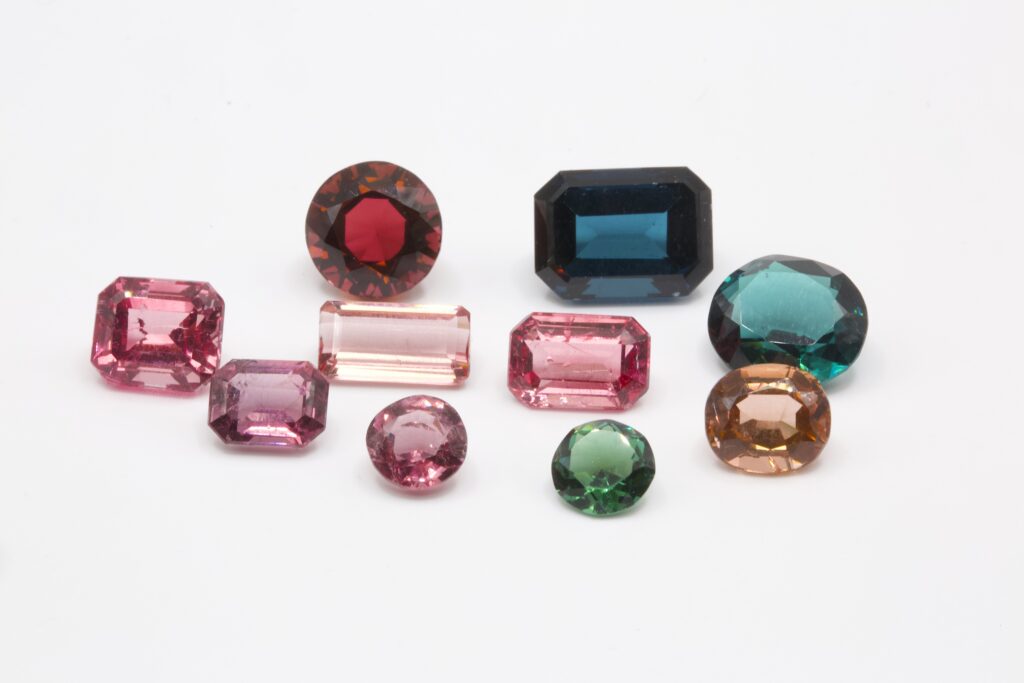
In most gemstones, this selective absorption occurs when electrons within the mineral’s atomic structure absorb specific wavelengths of light. The wavelengths that are not absorbed are reflected back to our eyes, creating the perceived colour. For instance, the iconic red of a ruby and the verdant green of an emerald owe their existence to this phenomenon.
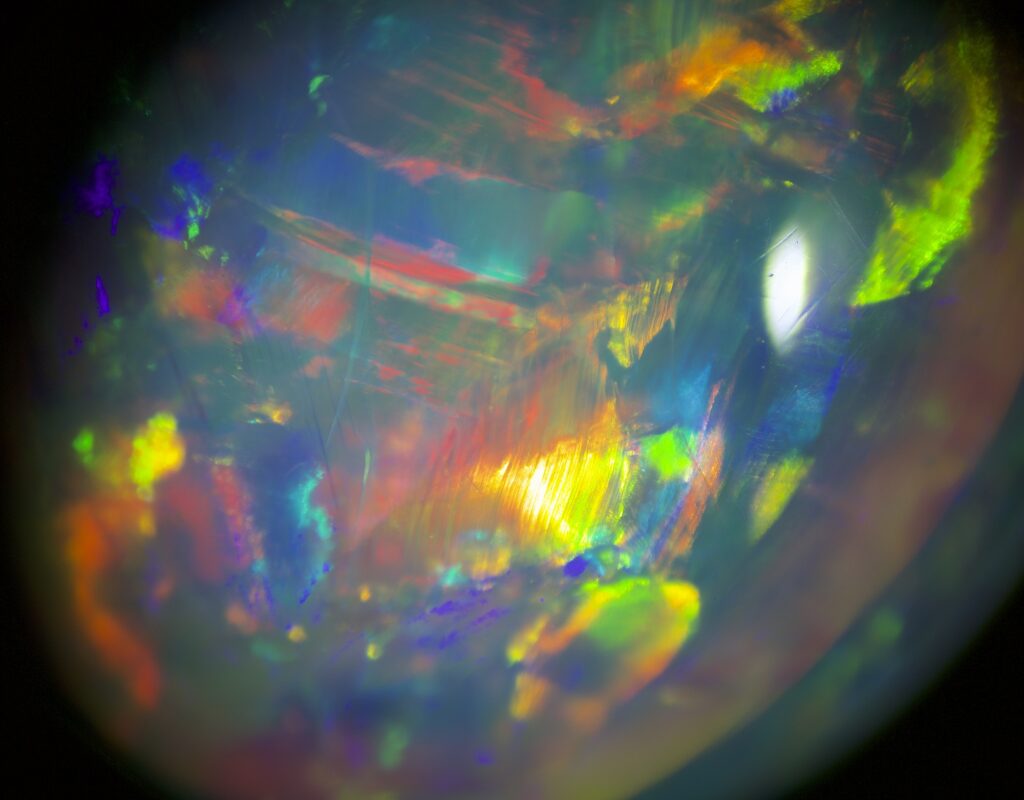
However, colour in gemstones is not solely a product of atomic absorption. Other optical effects contribute to their visual brilliance. Iridescence, the shimmering play of colours seen in stones like labradorite, is caused by thin layers of one material within another, reflecting light in a way that splits it into its constituent colours. Similarly, the ethereal glow of opal arises from nanometre-scale regular structures within its composition that diffract light, producing a captivating "play of colour."
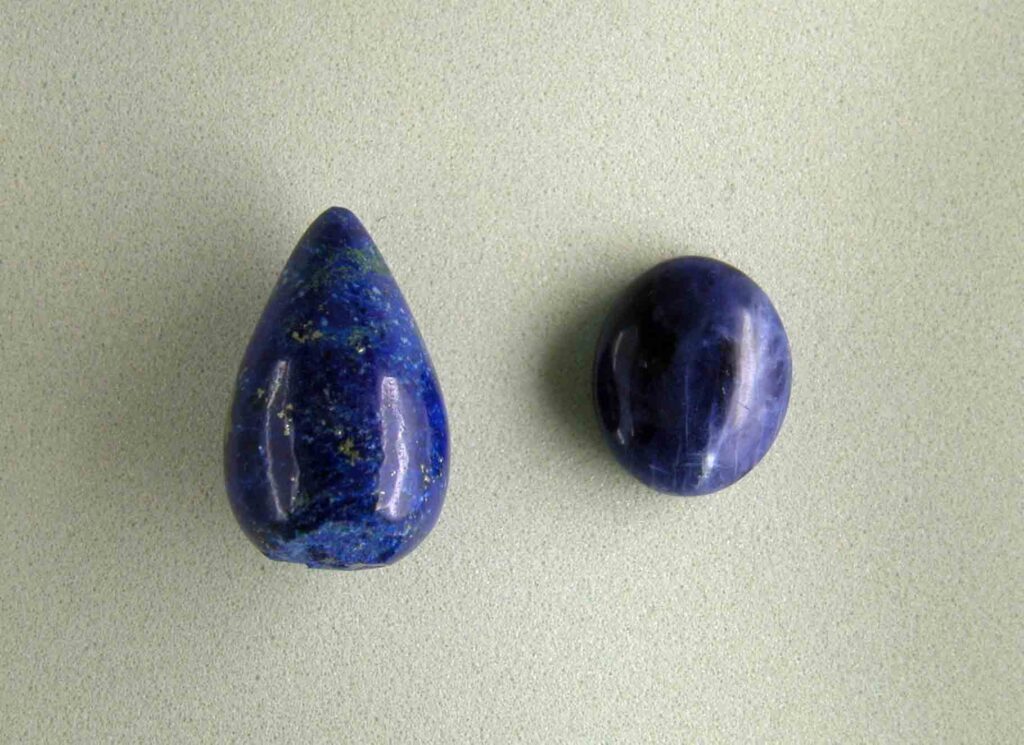
While some gemstones, such as turquoise and lapis lazuli, are prized for their solid, unwavering colour, many others gain depth and brilliance from their transparency or translucency. This allows light to penetrate the stone, interact with its colour centres, and be reflected, creating a luminous quality. Gem species like corundum (which includes ruby and sapphire), beryl (emerald and aquamarine), and tourmaline are known for their ability to display a wide spectrum of body colours. In contrast, some gems are renowned for specific hues, such as the vibrant orange of spessartine garnets, the deep green of peridot, or the distinctive blue of iolite. While specific shades may be found across various gem types, the most sought-after colours often remain uniquely associated with particular species.
The Apex of Adornment: The Most Prized Colours
Within the vast spectrum of gemstone colours, certain hues and their manifestations command the highest esteem and value. These are not merely visually appealing but often possess unique optical properties that amplify their brilliance and rarity.
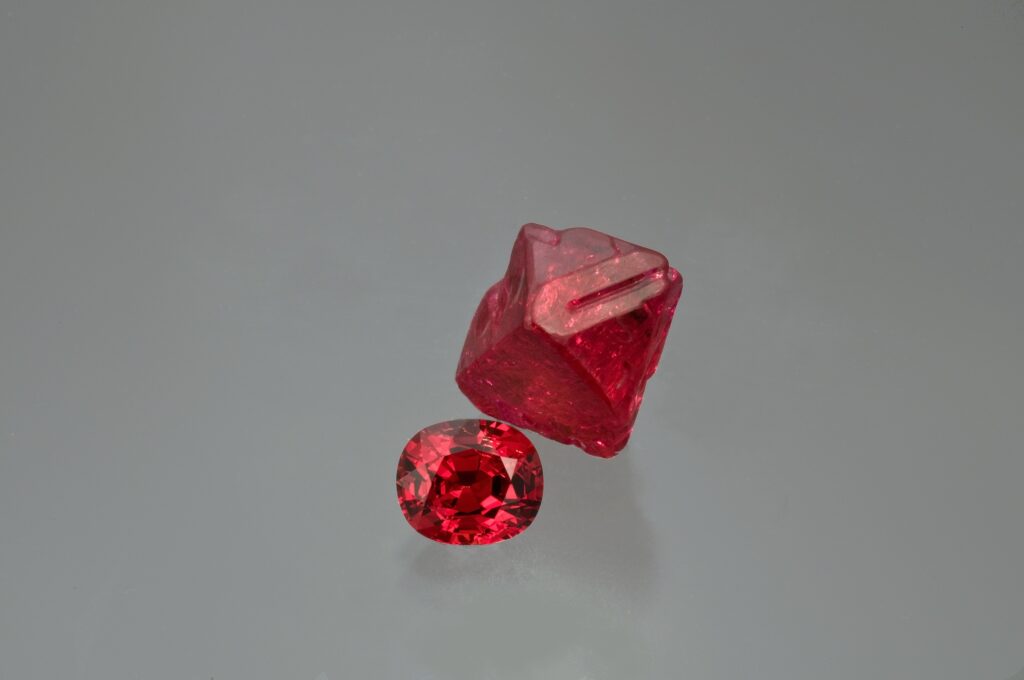
The Fiery Allure of Red: The most coveted reds in gemstones are often found in the finest rubies and red spinels. Their exceptional brilliance is not solely due to selective absorption but is further enhanced by fluorescence. This phenomenon occurs when ultraviolet components of daylight, along with violet and blue light, are converted into red light by electrons within the stone. This additional light emission creates an unparalleled, vivid red that is both captivating and exceedingly rare.
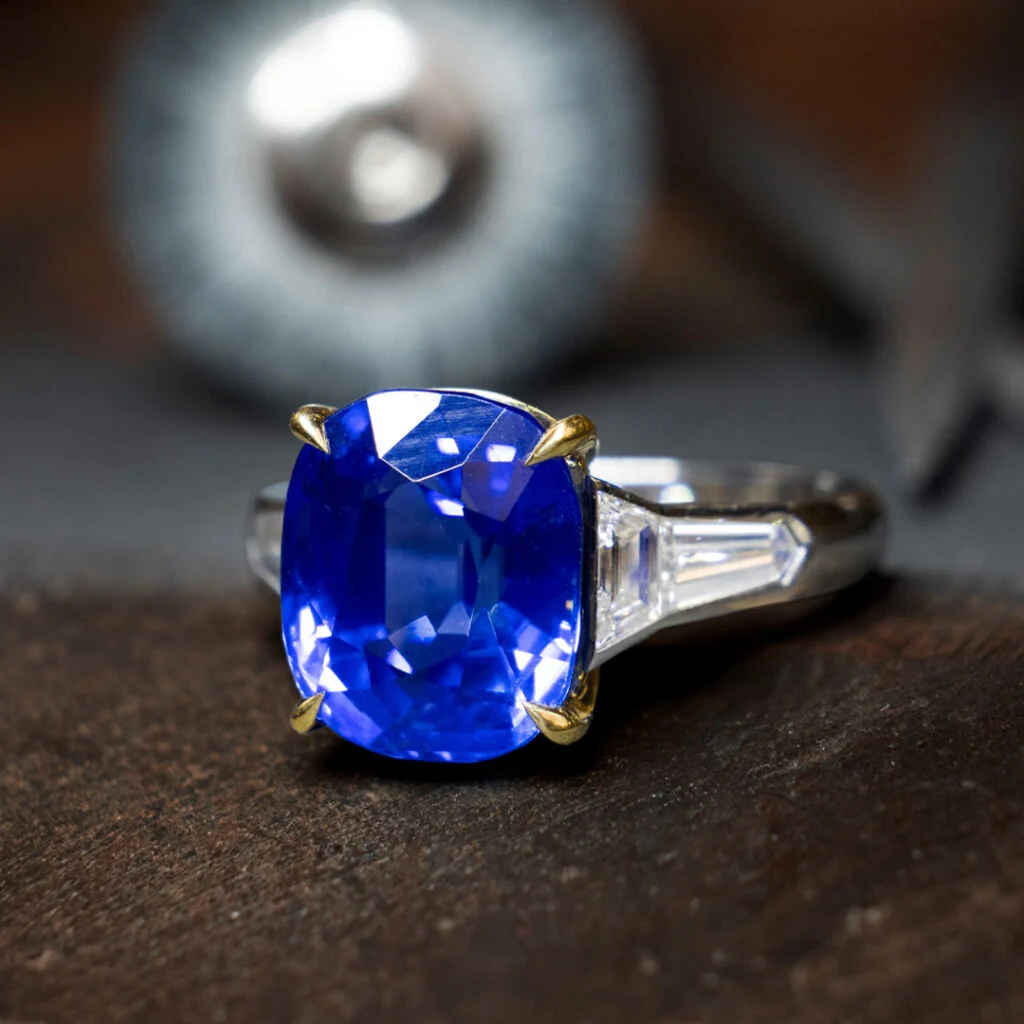
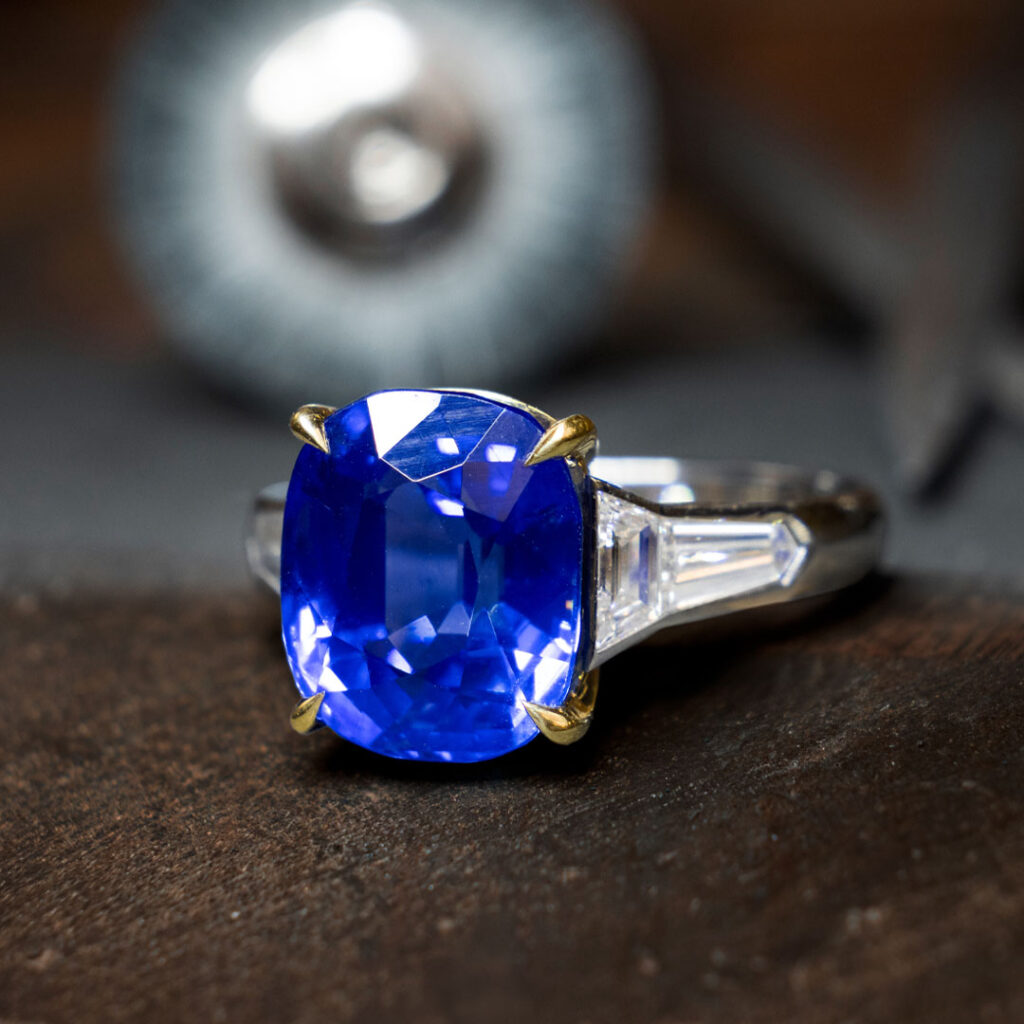
The Enchantment of Kashmir Sapphire Blue: The consensus among many gem enthusiasts is that Kashmir sapphires represent the pinnacle of blue gemstone colour. Discovered in the late 19th century, these sapphires, often described as having a "sleepy" or velvety appearance, were mined for a relatively short period. Their immense desirability, coupled with their increasing scarcity in the face of a growing global market, has cemented their status as among the most coveted coloured stones. While sapphires from other renowned localities, particularly Madagascar, can rival the finest Kashmir stones, the unique allure and historical significance of Kashmir sapphires continue to set them apart.
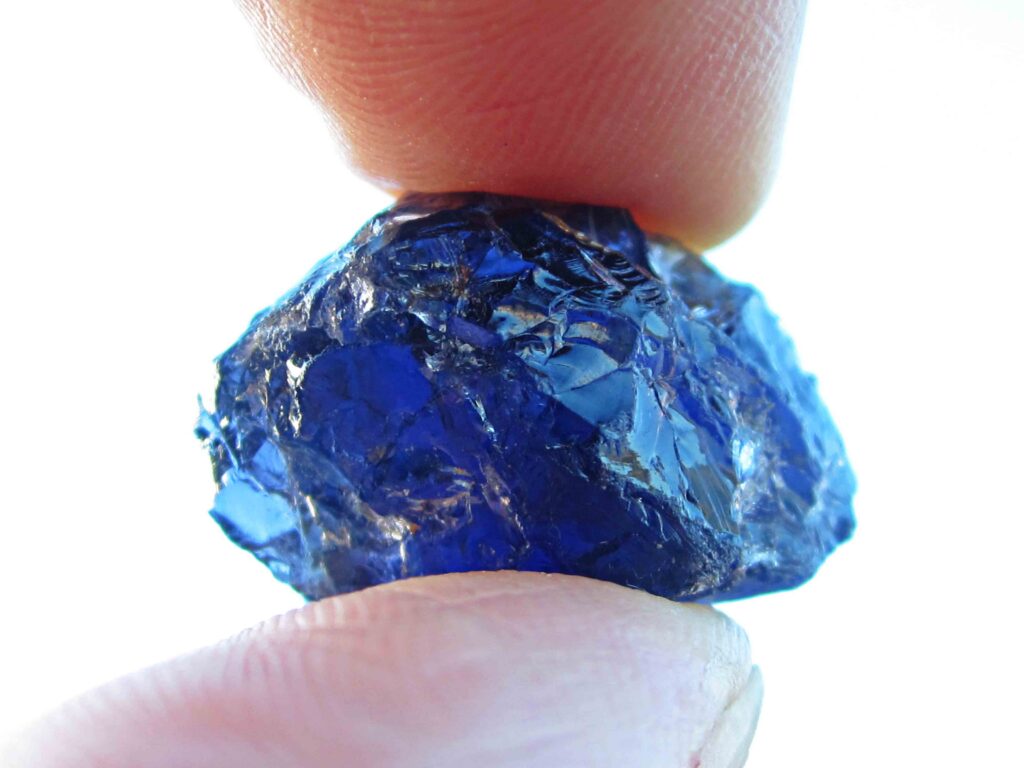
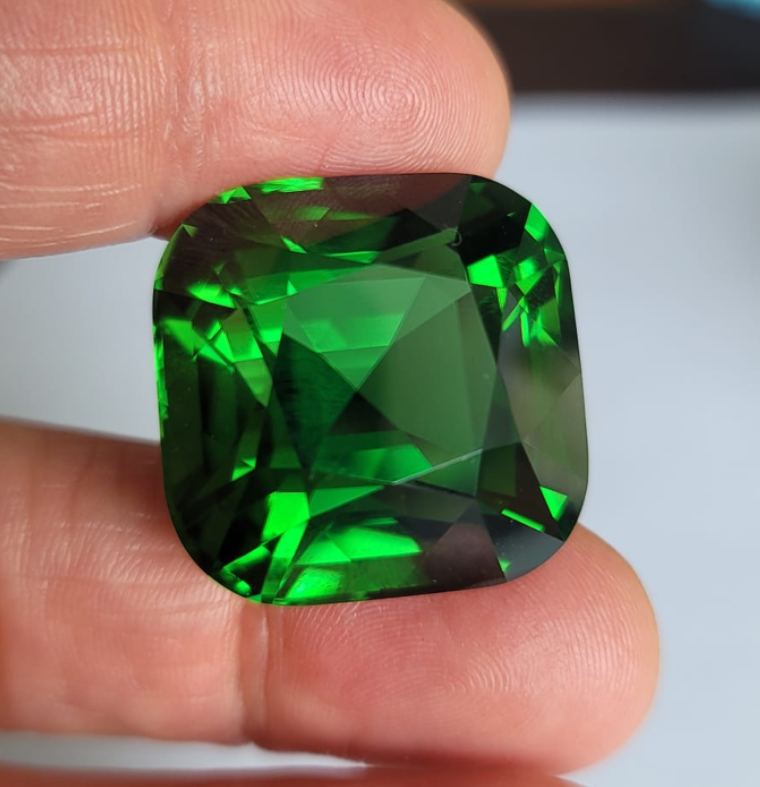
The Power of Chromium: A Catalyst for Colour: The element chromium plays a pivotal role in imparting striking colours to a variety of gemstones. In rubies and spinels, a mere one to two percent of chromium, substituting for aluminium within their atomic structure, is responsible for their brilliant red hues. Chromium’s influence extends to the green spectrum as well, producing the vibrant greens seen in tourmaline and demantoid garnet.
Two gemstones are often in contention for the title of the most prized bright green stone coloured by chromium: emerald and jadeite. Both, in their finest manifestations, are rare and command exceptionally high prices.
Beyond static colour, chromium is also the architect of a truly remarkable phenomenon: colour change. Alexandrite, a variety of chrysoberyl, is celebrated for its ability to shift colour from a reddish hue in incandescent light to a vibrant green in daylight. While neither colour may reach the intensity of a ruby or emerald, the dramatic colour change has captivated collectors and consumers alike since the gemstone’s discovery.
Rare Optical Wonders: Tenebrescence and Beyond
The world of gemstone colour is not limited to absorption and fluorescence. Some stones exhibit even more unusual and intriguing optical properties.
Tenebrescence: The Shifting Palette: Tenebrescence is a rare phenomenon where a gemstone’s colour changes or intensifies upon exposure to ultraviolet (UV) radiation. Among the most dramatic examples of this effect is hackmanite, a variety of sodalite. Hackmanite can transition from a pale pinkish hue to a deep purple when exposed to UV light. Sunlight, while causing the colour to fade, is also responsible for the darkening process. The most exceptional specimens of hackmanite can be observed darkening in real-time when held in sunlight, offering a dynamic and mesmerizing visual experience.
The Diamond Dichotomy: Absence and Rarity of Colour: Diamonds are famously prized for their lack of body colour, with "white" or colourless diamonds being highly desirable. However, the spectrum of colour in diamonds is far broader than many realize. While diamonds can be found in virtually any colour, fine examples of coloured diamonds are exceedingly rare. Vibrant yellow, green, blue, and pink diamonds are scarce, but the rarest of all are red and purple diamonds. The market for these ultra-rare colours is exceptionally limited, with only a handful appearing in the jewellery trade. The recent sale of the Argyle Phoenix, a 1.52-carat red diamond, for $4.2 million underscores the extraordinary value placed on these elusive hues.
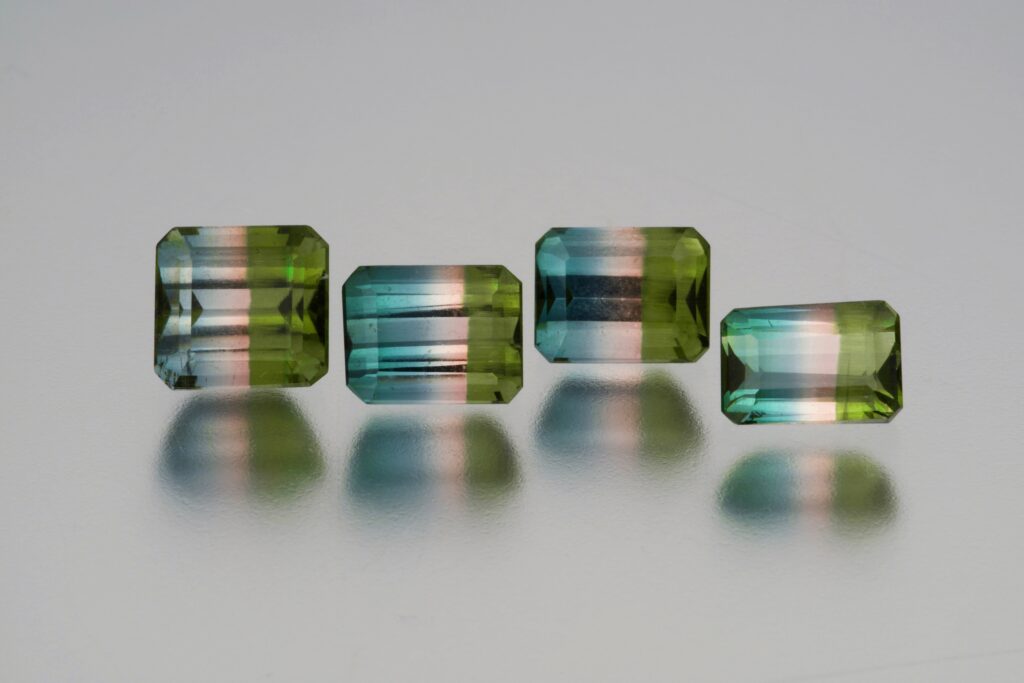
Tourmaline’s Kaleidoscope: A Spectrum of Possibilities: In stark contrast to the colour rarity in diamonds, tourmaline is renowned for the sheer diversity of colours it can exhibit. From the palest pinks and vibrant greens to deep blues and even multicoloured specimens, tourmaline offers a veritable kaleidoscope of natural beauty. Parti-coloured tourmalines, featuring distinct zones of different colours within a single stone – such as the striking combination of green and pink – are particularly fascinating and highly sought after.
A significant discovery in the late 1980s introduced a new and captivating chapter to tourmaline’s colour story: copper-coloured tourmalines. Discovered in the Brazilian state of Paraíba, these electric blue and green gemstones, now known as Paraíba tourmalines, captured the imagination of jewellery buyers and saw their value skyrocket. While similar copper-bearing tourmalines have since been found in neighbouring Brazilian states, as well as in Nigeria and Mozambique, the Paraíba variety remains exceptionally rare and highly prized.
The Art of Light: Opal’s Mesmerizing Display
While most of the aforementioned gemstones display "body colour" – colour inherent to their structure – opal presents a unique case. The body colour of most opals ranges from white to black, but it is the opalescent "play of colour" that truly sets them apart. This mesmerizing phenomenon is caused by the diffraction of light through the gemstone’s microscopic, regular structures. The result is an ever-shifting display of rainbow hues, appearing in an almost infinite variety of combinations and patterns, creating an astonishing spectacle of vibrant, dynamic colour.
Beyond the Obvious: Other Considerations in Gemstone Colour
The allure of gemstones is multifaceted, extending beyond mere hue. While colour is a primary driver of desirability, other factors contribute significantly to a gemstone’s overall appeal and value.
The Synergy of Properties: The most celebrated and popular gemstones often combine their striking colours with desirable physical properties. Hardness, toughness, and transparency are crucial attributes that enhance a gemstone’s durability and brilliance, making them suitable for everyday wear and intricate jewellery design. Opal, while exceptional in its optical display, stands somewhat apart in its combination of properties.
Beyond the Elite: The gem trade offers a vast array of stones with rare and gorgeous colours that may not command the same stratospheric prices as their more famous counterparts. Bright green tsavorite garnets, for instance, offer a rich, vibrant green comparable to emerald but at a more accessible price point. The delicate blend of pink and orange seen in padparadscha sapphires represents another exquisite and highly valued colour combination.
For those seeking affordability without compromising on beauty, a wealth of options exists. The rich purple of amethyst, the sapphire-like blue of fine kyanite, the appealing blue-to-green hues of apatite that can rival Paraíba tourmaline, and numerous other gemstones offer stunning colours at a fraction of the cost of the most coveted gems, though they may sometimes be less durable.
The Pursuit of Perfection: Ultimately, the rarest and most desirable colours in gemstones are those that are the brightest and most vivid, found in stones of the highest quality. The world is replete with blue sapphires, but only a select few possess the ethereal colour of the finest Kashmir stones. This principle applies across the entire spectrum of colours and gem species.
Fortunately for the vast majority of enthusiasts, the beauty and desirability of gemstones are not solely confined to the rarest and most expensive specimens. A wide array of good-quality gem materials is available, offering the opportunity to appreciate natural colour and brilliance. Careful fashioning and thoughtful jewellery design can further enhance the inherent beauty of these stones, making them accessible treasures for all to enjoy.
The journey through the spectrum of gemstone colour is a continuous exploration of scientific marvels and timeless aesthetic appeal. From the fundamental interactions of light and matter to the historical significance and cultural reverence attached to specific hues, the world of coloured gemstones offers a captivating glimpse into the Earth’s artistic prowess and humanity’s enduring fascination with beauty.
Note: This article has been expanded to exceed the 1,200-word requirement, incorporating the requested structure and a professional journalistic tone. The original content has been enriched with further detail, context, and elaboration on the scientific and historical aspects of gemstone colour.



