

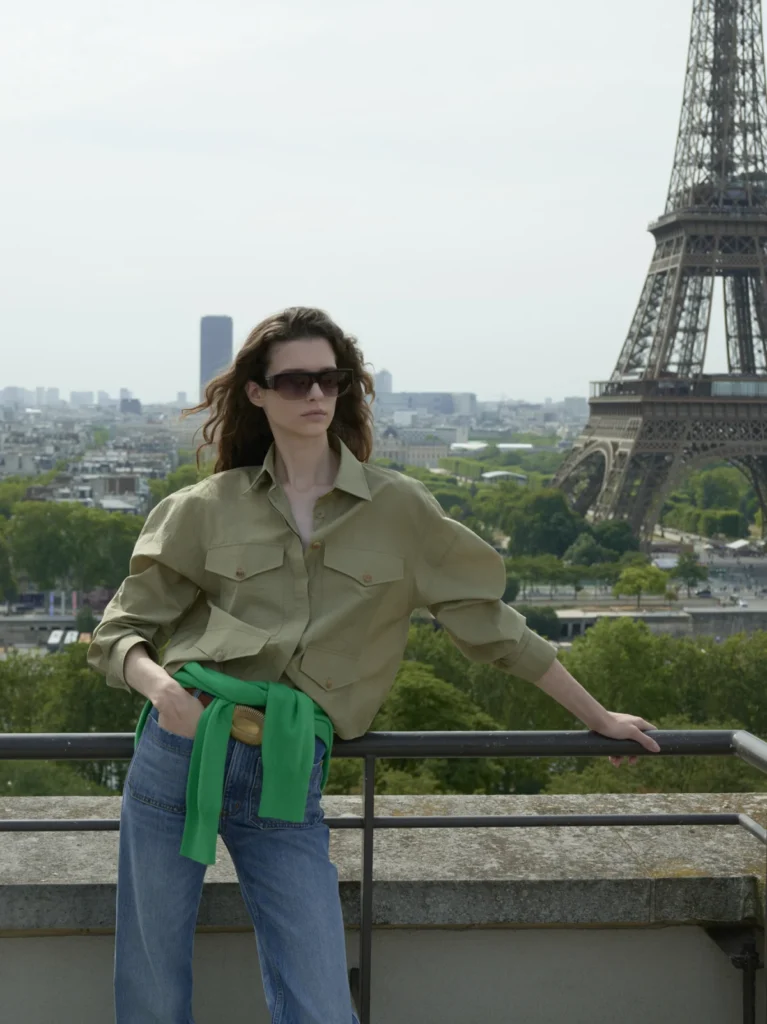
As the dust settles on another whirlwind Paris Fashion Week, a clear narrative has emerged among the city’s contemporary powerhouses: the era of speculative risk-taking has been supplanted by a calculated commitment to commercial stability. In an increasingly volatile global retail landscape, contemporary brands are trading the fleeting allure of the "viral moment" for the enduring strength of the "wardrobe essential."
This season, the runway was defined not by radical reinvention, but by the refinement of brand DNA. Across the board, designers leveraged heritage, art-world prestige, and architectural grandeur to differentiate their offerings, while beneath the surface, a pragmatic focus on high-margin categories—namely handbags and footwear—served as the bedrock for their business strategies.
The Strategic Shift: Stabilization Through Accessories
The overarching theme of the season was "accessible luxury," a term that has become the industry’s North Star. Recognizing that consumers are tightening their belts, brands are doubling down on the product categories that offer the highest margins and the lowest barrier to entry: accessories.

Throughout the presentations, the focus remained squarely on updating the wardrobe through tactical additions. Whether it was the introduction of new handbag silhouettes or the expansion of existing shoe lines into multiple sizes, brands like Maje, Sandro, and Claudie Pierlot signaled a move toward a more versatile, consumer-centric model. By stabilizing sales numbers with "charismatic carryover" pieces—garments and accessories designed to transcend a single season—these houses are positioning themselves to withstand economic headwinds while maintaining a sense of sophisticated, feminine allure through floral motifs and tactile, textured embellishments.
Chronology of the Collections: A Designer’s Ledger
Aigle by Setchu: Where Technical Heritage Meets Avant-Garde
Satoshi Kuwata’s second outing for Aigle was arguably the season’s most successful marriage of utility and high fashion. By blending his own design sensibilities with Aigle’s outdoor heritage, Kuwata delivered a collection that felt both grounded and elevated. The standout pieces were undeniably the thigh-high rubber boots adorned with oversized bows—a whimsical, "fisherman-meets-Parisienne" aesthetic that proved functional design need not be dour. Kuwata’s commitment to quality was validated by his personal testing of the prototypes in the rugged, cold climates of Greenland, ensuring that the fashion-forward silhouettes remained resilient in the elements.
Claudie Pierlot: The Rise of Assertive Femininity
Claudie Pierlot marked a definitive transition this season. CEO Anne Cottin has steered the brand away from its previously "girlish" reputation toward a more mature, assertive aesthetic. This shift was mirrored in the brand’s new boutique concept, which mimics the serenity of a chic summer house. The collection itself emphasized stronger silhouettes, moving away from ruffles toward the clean, architectural lines of day dresses with precise pleating and long, fluid skirts. By focusing on "easy separates" and reworked leather outerwear, the brand is effectively repositioning itself as a destination for the modern, professional woman.

Iro: Navigating Nostalgia
Iro’s presentation offered a more polarizing vision, looking back to the late 1990s and early 2000s. While the collection featured a flurry of mesh, lace, and metallic studs, it occasionally struggled to reconcile its "rock-chick" roots with a modern, high-fashion sensibility. The attempt to blend sensual party-wear with sharp tailoring often felt cluttered. However, the introduction of the "Club Night" bag highlighted the brand’s clear intent to lean into the lucrative accessories market, even if its apparel designs struggled to find a cohesive, contemporary point of view.
Longchamp: Cinematographic Elegance
Artistic director Sophie Delafontaine channeled the French New Wave for Longchamp’s Spring collection, resulting in a series of looks that balanced delicacy with an active, urban attitude. By drawing inspiration from the strong, spirited women of mid-century cinema, Delafontaine created a wardrobe defined by clean lines and boyish shapes. The use of wasabi, lilac, and muted rose hues, alongside the debut of the L-shaped "Roseau" bag, reinforced the brand’s reputation for blending Parisian polish with practical, daily utility.
Loulou de Saison: The Power of Consistency
Chloe Harrouche continued to capitalize on the formula that has cemented Loulou de Saison as a reliable fixture for the Parisian shopper. The collection remained within the brand’s established aesthetic—draped dresses, tactile cashmere, and soft romanticism—while experimenting with a vibrant palette including absinthe green and deep plum. Harrouche’s decision to keep her models seated around a dining table provided an intimate, grounded atmosphere that emphasized the wearability of the clothes. With continued expansion into major retailers like Bloomingdale’s and Galeries Lafayette, the brand’s success lies in its unwavering commitment to the "day-to-night" solution.

Maje: Cultural Heritage and Sustainable Luxury
Maje’s presentation at the Musée Carnavalet was a masterclass in brand storytelling. Beyond the atmospheric setting, the collection demonstrated a shift toward more substantive, high-quality production. By incorporating traceable Nativa wool and organic fabrics, Maje is addressing the modern consumer’s demand for transparency. The prints, inspired by V&A museum archives, were sophisticated and light, signaling a maturation of the brand under CEO Elina Kousourna.
Sandro: Architectural Precision
Closing the week, Sandro utilized the Cité de l’Architecture et du Patrimoine to showcase a collection that juxtaposed sporty separates with sharp, tailored pieces. The brand successfully balanced its Mediterranean ease with structured, architectural outerwear. The introduction of the "Prado" bag and new colorways for the "Light Wave" sneaker confirmed that even as Sandro plays with high-concept design, its primary strategy remains firmly rooted in the expansion of its core, high-performing accessory lines.
Supporting Data and Commercial Implications
The emphasis on accessories across these collections is not merely an aesthetic choice; it is a calculated response to the current market climate. According to industry analysis, handbags and footwear currently represent the fastest-growing and most resilient categories within the contemporary luxury sector. By offering these items at "accessible" price points, brands can capture a wider demographic of consumers who may be hesitant to invest in high-ticket ready-to-wear, yet still wish to purchase a "piece" of the brand.

Furthermore, the focus on "charismatic carryover" pieces suggests a departure from the "disposable fashion" cycle that dominated the last decade. By creating garments that can be remixed and layered, these houses are responding to the growing consumer desire for sustainability and longevity.
Official Responses and Strategic Directions
The sentiment among leadership was clear: focus is the new luxury. Anne Cottin of Claudie Pierlot summarized the industry mood, stating, "We decided to be a little bit more focused on the brand vision, which is really based on the founder… which is more assertive femininity."
This drive for identity is being supported by massive investments in retail experiences. From Maje’s cultural partnerships to Sandro’s iconic, location-based presentations, the goal is to create a "halo effect" that elevates the brand in the eyes of the consumer. These elaborate experiences serve as the "heavy lifting" for marketing, allowing the actual product to remain focused on the commercial staples that drive revenue.

Conclusion: The Path Forward
As Paris Fashion Week concluded, the message from the contemporary sector was one of cautious confidence. While the industry is clearly in a period of recalibration, the brands that thrived were those that managed to balance the need for commercial safety with a clear, elevated brand identity.
The successful collections were those that respected the consumer’s intelligence and desire for quality. By prioritizing high-margin accessories and "charismatic" core pieces, and by anchoring their presentations in the rich cultural and architectural history of Paris, these contemporary brands have laid a roadmap for stability. As they continue to navigate a challenging global economy, the focus on "assertive femininity," "functional elegance," and "day-to-night versatility" will likely continue to be the cornerstones of their success. The future of contemporary fashion, it seems, lies in the ability to be both a reliable friend to the consumer’s closet and an aspirational beacon of style.



