

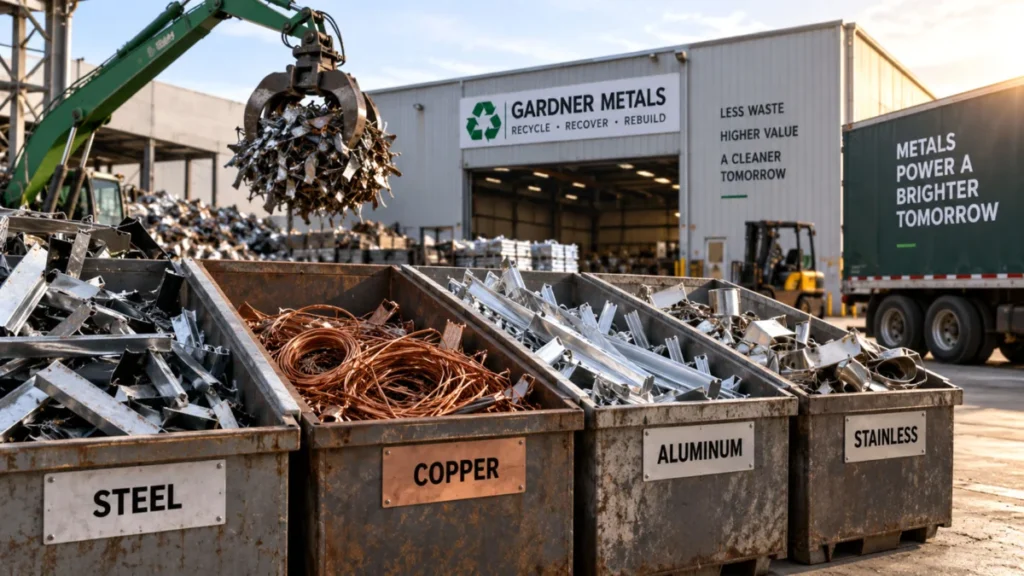
For decades, the standard operating procedure for many manufacturers and construction firms has been to treat scrap metal as a logistical nuisance. It is the heavy, jagged debris that accumulates in the far corners of the shop floor—an inevitable byproduct of production that eventually gets hauled off to a landfill. However, in an era of tightening margins and heightened environmental scrutiny, this "trash-first" mindset is no longer just antiquated; it is a direct drain on corporate profitability.
Industry leaders are increasingly discovering that what was once discarded as waste is, in reality, a high-value commodity. By transitioning from a disposal-heavy model to a structured, circular recycling program—often in partnership with experts like Gardner Metals—companies are discovering that the path to operational efficiency is paved with the very scrap they once paid to throw away.
Main Facts: The Economics of Circularity
The core premise of commercial metal recycling is straightforward: it flips the traditional expense model on its head. When a business pays for a waste hauler to clear their floors, they are essentially paying for two losses. First, they lose the capital spent on the disposal fee. Second, they lose the residual value of the raw material itself.
By implementing a source-separation program, businesses can extract steel, copper, aluminum, and stainless steel from the general waste stream. This isn’t merely about environmental stewardship; it is about recapturing value. The global demand for recycled metal is surging as manufacturers attempt to insulate themselves from volatile raw material prices. When a facility treats its scrap as an inventory asset rather than trash, it transforms a consistent "line-item expense" into a reliable, secondary revenue stream.
Chronology of a Transformation
The shift toward industrial metal recycling has moved through three distinct phases over the last century, accelerating rapidly in the last decade.
- The Era of Neglect (1950–1990): During this period, disposal costs were negligible. Landfill tipping fees were low, and the environmental cost of extracting virgin ore was largely ignored by the private sector. Scrap was relegated to the scrap heap, often buried or sold for pennies to local aggregators without structured oversight.
- The Compliance Push (1990–2015): Regulatory pressure from bodies like the EPA began to highlight the environmental impacts of heavy metal disposal. Companies began recycling out of necessity to meet municipal waste mandates and avoid fines, though the focus remained on "avoiding trouble" rather than "creating value."
- The Strategic Integration (2015–Present): Today, we are in the era of the "Circular Factory." Businesses are now actively designing their workflows to facilitate scrap capture. Partnerships with specialized recycling firms are now integrated into the supply chain, ensuring that every pound of metal—from copper wiring to structural steel offcuts—is accounted for and monetized.
Supporting Data: Why the Shift is Mandatory
The numbers behind the recycling movement are compelling. According to national industry reports, American manufacturers divert more than 85 million metric tons of metal from landfills annually. The energy efficiency gains are equally staggering:
- Aluminum Efficiency: Producing aluminum from recycled scrap requires up to 95% less energy than refining virgin bauxite ore.
- Steel Sustainability: Recycling steel saves approximately 75% of the energy required to produce steel from raw iron ore, while simultaneously reducing the demand for coal and limestone mining.
- Emission Reductions: Every ton of metal recycled represents a significant reduction in mining-related carbon emissions, a factor that is increasingly vital for firms seeking to lower their "Scope 3" supply chain emissions to meet ESG (Environmental, Social, and Governance) targets.
Beyond the energy metrics, the financial upside is tangible. Non-ferrous metals such as copper and high-grade stainless steel carry significantly higher market prices per pound than ferrous scrap. By implementing a system that separates these metals at the point of origin, firms can capture the "premium rate" for their materials, which is rarely possible when scrap is sent to a mixed-waste facility.
Official Perspectives and Industry Insights
Industry experts emphasize that the gap between a "mediocre" recycling program and a "highly profitable" one usually comes down to three operational disciplines:
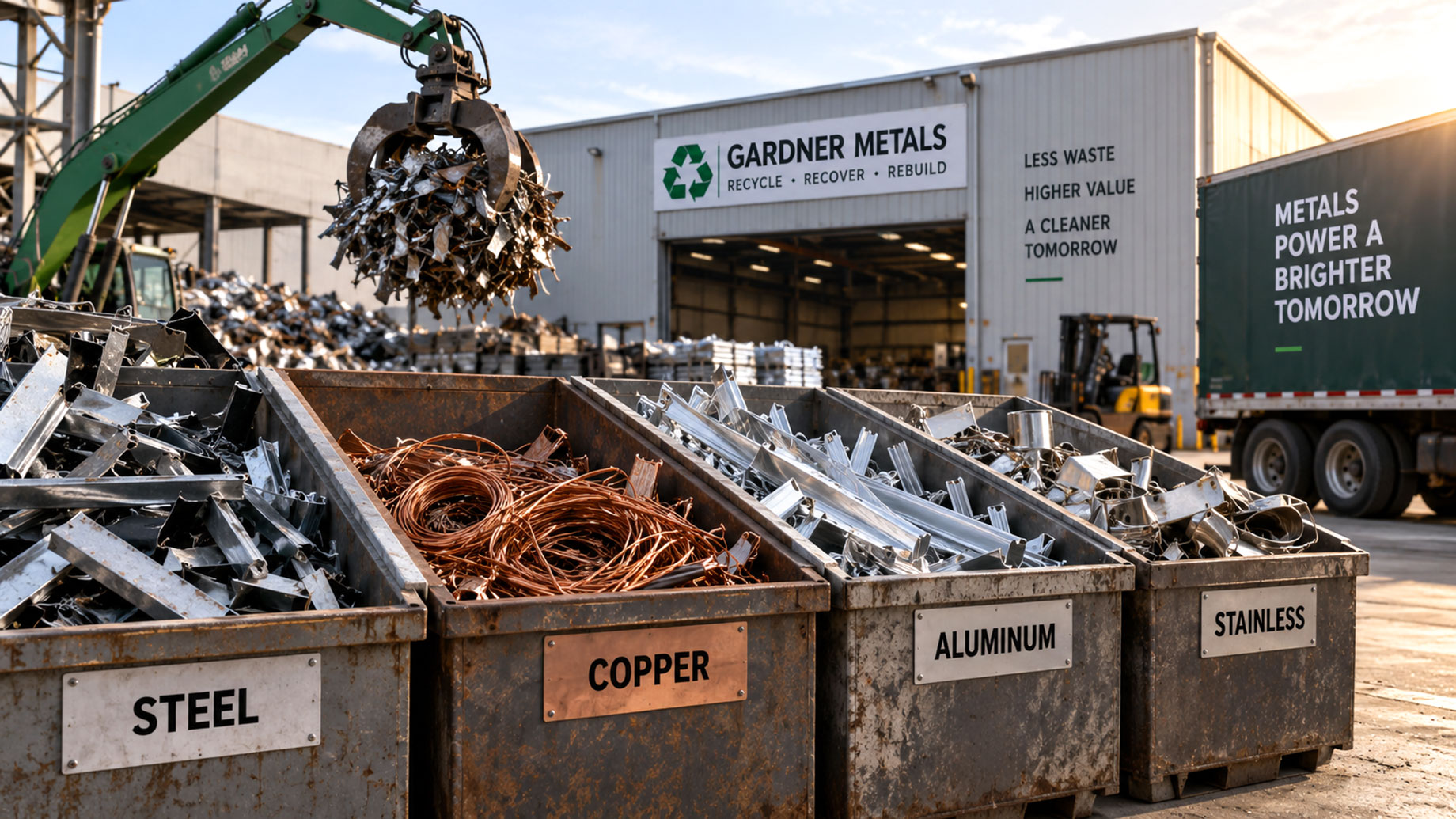
- Source Separation: The most profitable firms don’t just dump everything in a bin. They separate grades of metal at the machine level. Mixing high-value copper with low-value steel "down-grades" the entire load.
- Contamination Control: Keeping scrap free of non-metallic debris—such as wood, plastic, or hazardous fluids—is essential. Clean, dry loads are the industry standard for securing the highest buy-back prices from recyclers.
- Logistics Synchronization: Partnering with a logistics provider like Gardner Metals ensures that scrap is hauled exactly when it reaches capacity. This avoids floor clutter, improves workplace safety, and keeps the operation lean.
"Sustainability is not just a checkbox," says a representative from the industrial sector. "It is a practical strategy to lower overhead. If you aren’t paying attention to your scrap pile, you are effectively leaving money on the floor that your competitors are likely picking up."
Implications: The Future of the Factory Floor
The implications for businesses that adopt these practices are twofold. Internally, the floor becomes safer and more organized. A tidy shop floor, where metal is immediately sorted into bins, reduces the risk of workplace accidents and improves production efficiency.
Externally, the implications are even greater. As global supply chains face increasing volatility, manufacturers who control their own scrap supply are better positioned to negotiate prices. Furthermore, modern consumers and corporate partners are increasingly prioritizing suppliers with documented recycling programs. Being able to certify that a company recycles 90% or more of its metal waste is a powerful marketing tool that can win contracts against competitors who rely on traditional, high-waste disposal methods.
Navigating the Financial Benefits
Beyond the direct sale of scrap, firms should be aware of the "hidden" financial incentives. Many states and local municipalities offer tax credits, rebates, or waste-diversion exemptions for businesses that invest in sustainable manufacturing practices. By documenting the volume of material diverted from landfills, a company can often qualify for significant tax offsets that make the initial investment in recycling bins and sorting protocols pay for itself within the first year.
The Role of Partnership
The success of a metal recycling program ultimately hinges on the partner. A specialized recycler does more than just pick up metal; they provide the infrastructure—bins, specialized collection equipment, and market intelligence—to ensure the client is getting the best possible price for their specific material mix.
By choosing a partner whose logistics match the pace of the production floor, companies can ensure that recycling does not become a burden on their primary business operations. When the collection process is seamless, the "nuisance" of scrap metal truly disappears, leaving behind only the streamlined efficiency of a modernized industrial facility.
Conclusion: Turning Waste into a Competitive Advantage
In the final analysis, commercial metal recycling is an evolution of corporate management. It acknowledges that in a resource-constrained world, every ounce of material has a value that should be protected.
The companies that thrive in the coming decade will be those that view their waste streams not as an obligation, but as an opportunity. By prioritizing source separation, maintaining high standards for load purity, and working with expert recycling partners, organizations can shrink their hauling fees, improve their environmental footprint, and generate a new, consistent stream of revenue. The scrap pile in the corner is no longer a liability—it is a liquid asset waiting to be reclaimed.



