

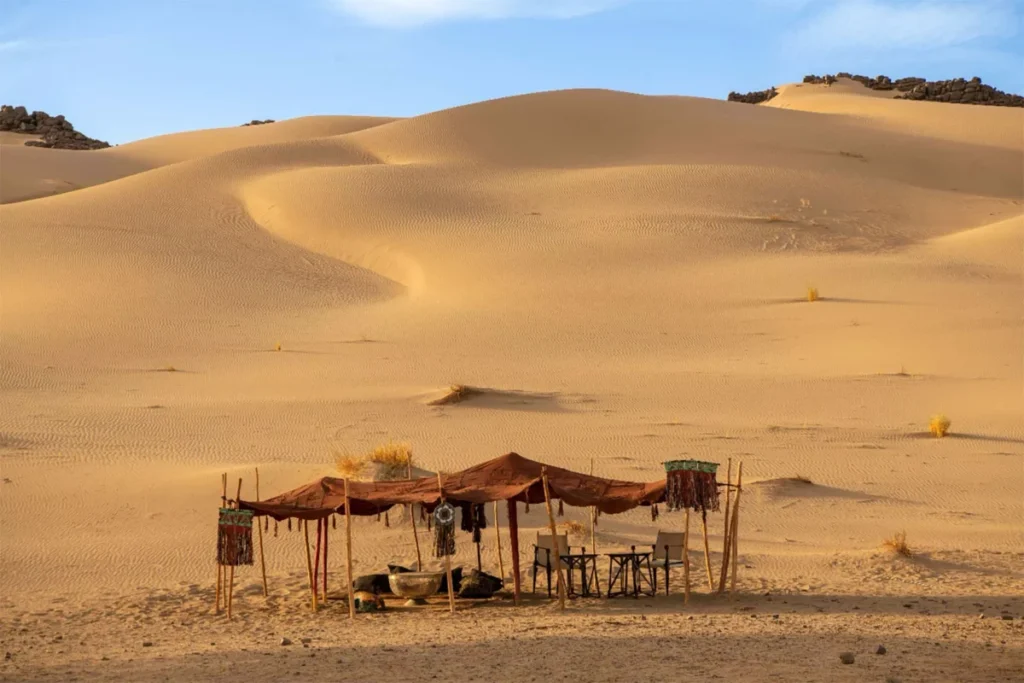
For decades, the standard itinerary for a luxury Moroccan getaway was a predictable, if opulent, checklist. It was a curated inventory of bucket-list staples: the palatial suites of Marrakech’s historic hotels, the intricate tilework of a riad’s inner courtyard, and the obligatory sunset camel trek across the dunes of the Sahara.
However, a profound transformation is currently reshaping the landscape of high-end travel. Ask the modern, seasoned voyager what "luxury" signifies today, and the definition has become decidedly more abstract. It is no longer about the gold leaf on a ceiling or the thread count of the linens. It is about the luxury of time, the intimacy of access, and the privilege of having a country revealed to you with authentic nuance, rather than performed for your consumption.
As the team at Morocco Luxury Highlights observes, the most successful journeys are no longer those that tick the most boxes, but those that honor the rhythm of the traveler.
The Philosophy of "Less, Done Properly"
The Shift from Checklist to Rhythm
Morocco is a country that rewards those who linger and punishes those who attempt to conquer it in a frantic sprint. On paper, it is tempting to map out an ambitious circuit: Marrakech, Fès, the snow-dusted Atlas Mountains, the vast Sahara, and the rugged Atlantic coast—all within ten days. In practice, however, the geography is demanding, the landscapes shift with dizzying suddenness, and the most transformative moments are rarely found on a pre-printed schedule.
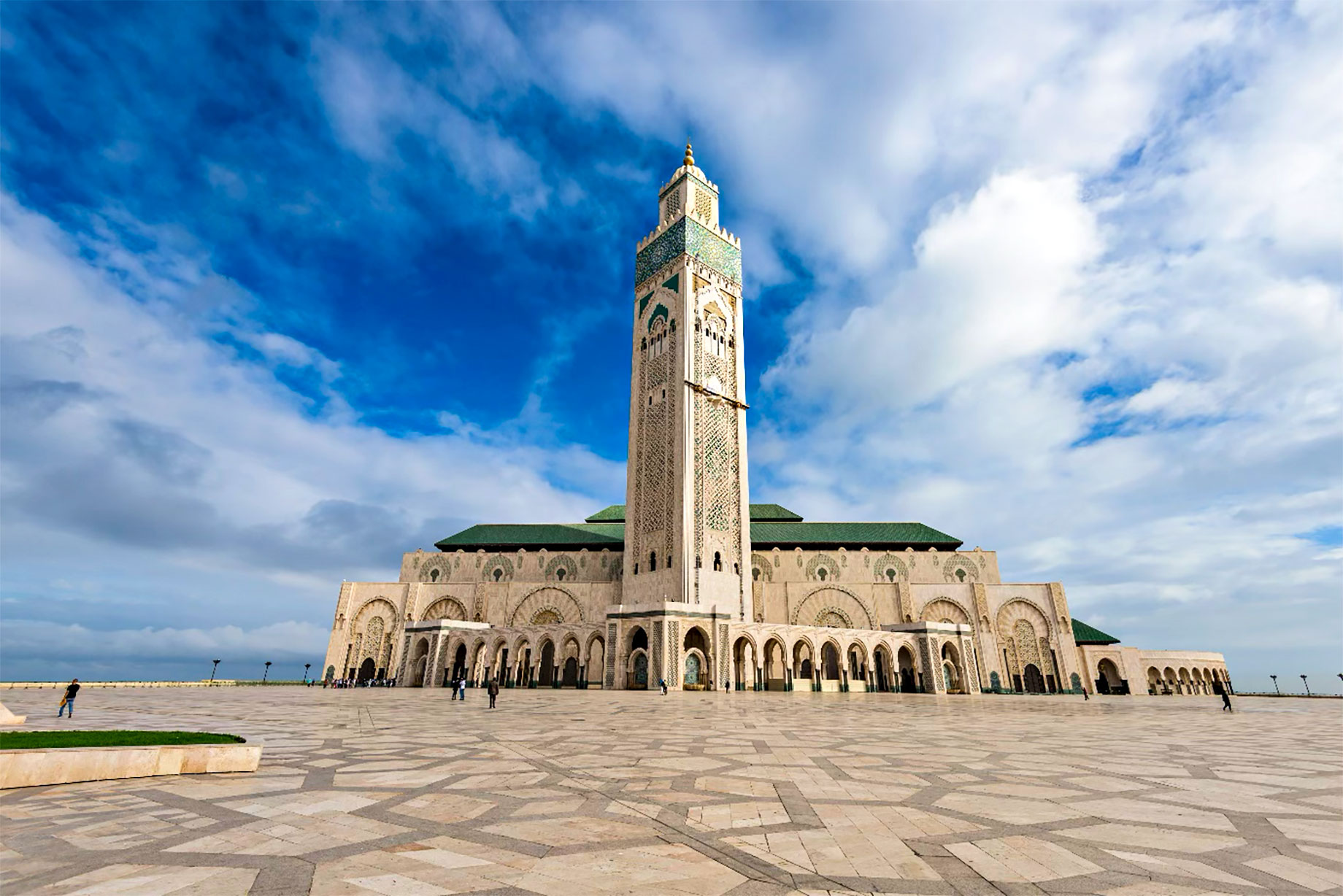
True luxury today is found in the "slack" built into an itinerary. It is the freedom to let a glass of mint tea turn into a three-hour conversation; it is the spontaneous decision to pull over in a mountain village for a lunch that wasn’t on the agenda. Discerning travelers are increasingly opting for "slow travel"—choosing to visit fewer locations but experiencing them with greater depth. This means fewer hotel check-ins, longer residencies in a single region, and treating the transit days as part of the narrative rather than "lost time."
The New Definition of Privacy
In the travel industry, the term "private" is often used as a marketing veneer. In the context of a high-end Moroccan journey, however, true privacy must satisfy four pillars:
- Bespoke Itineraries: The journey is written from a blank page specifically for the traveler, not selected from a mass-market menu.
- Dedicated Logistics: The vehicle and driver are exclusive to your party, free from the constraints of larger group schedules.
- Responsive Guidance: The guide is an advocate for the guest, not a servant to a corporate wholesaler’s pre-set timeline.
- Fluidity: The ability to alter the plan on the morning of day four because the previous day was so engaging that you decided to stay.
This flexibility is the ultimate luxury. If the medina feels claustrophobic on your first afternoon, you depart. If a conversation with a master weaver in a workshop becomes the highlight of your trip, you stay. By designing tours for one party at a time, experts are moving away from rigid structure toward a model of responsive, living travel.
Chronology of an Evolving Industry
- 1990s – Early 2000s: The rise of "palace tourism." The focus was on the grandeur of the hotel as the primary destination. Luxury was defined by the hotel brand and the number of amenities provided.
- 2010s: The "Experiential Shift." Travelers began demanding more than just a pool. This era introduced the "private tour," focusing on guided walks, cooking classes, and deeper cultural engagement.
- 2020 – 2025: The "Access Era." Post-pandemic, the demand shifted toward exclusivity and hyper-personalization. The focus is no longer on what to see, but how to access it—gaining entry to private homes, artisan workshops, and sacred sites before the crowds arrive.
- 2026 and Beyond: The "Rhythm Revolution." The current era prioritizes psychological well-being and emotional connection. The itinerary is secondary to the pace, and the goal is a profound, unhurried understanding of the Moroccan landscape.
Supporting Data: The Anatomy of Modern Demand
Recent analysis from high-end travel consultants highlights a significant shift in consumer behavior:
- Length of Stay: There has been a 35% increase in demand for 5-day stays in a single city (specifically Marrakech or Fès) compared to the 2-day "whirlwind" stays prevalent in 2015.
- Tailored Requests: Over 70% of high-net-worth individuals now demand "dynamic itineraries" that allow for a minimum of 40% spontaneous time.
- Access Metrics: Requests for "private, non-public" experiences—such as visiting family-run dars for dinner or accessing private artisan collectives—have risen by 50% year-over-year.
- Seasonal Spread: While spring and autumn remain peak times, there has been a notable uptick in "off-season" travel, with savvy guests choosing winter for the Atlas Mountains or summer for the breezy Atlantic coastline, avoiding the peak-season congestion.
Expert Perspectives and Implications
The Role of the Expert Guide
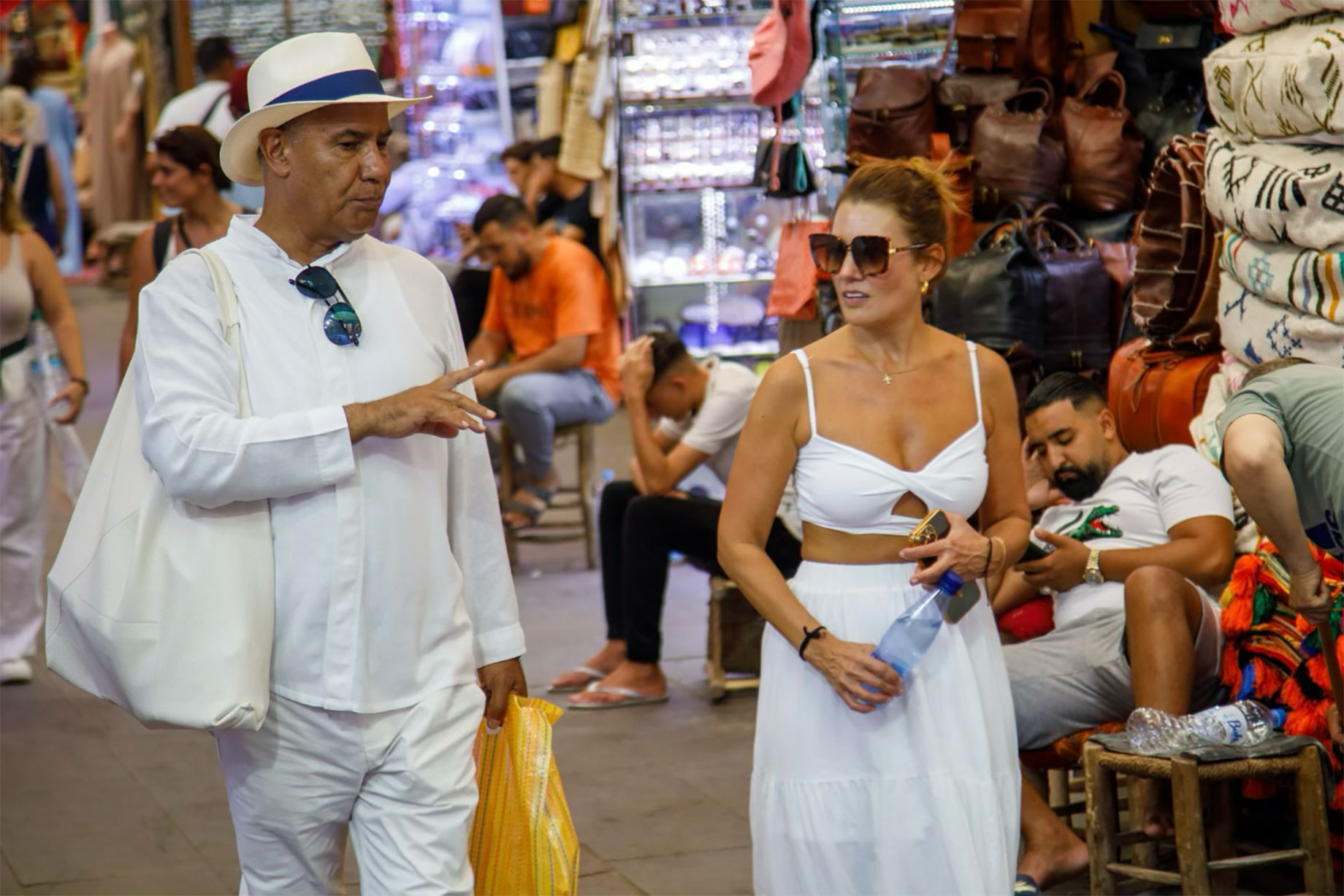
While a state-licensed guide is mandatory for historical sites, the most effective guides are those who act as "cultural translators." A guide who understands the social nuances of the souk or the lineage of a family-run tannery provides a depth of experience that a guidebook simply cannot offer. The industry is seeing a transition where the person is becoming as important as the place. A driver who understands a guest’s preference for quiet mornings or a specific coffee routine is now considered more valuable than a luxury vehicle upgrade.
Access: The Currency of Modern Travel
The most coveted experiences are those that cannot be found via a booking engine. This includes:
- The Dawn Balloon Flight: Soaring over the Palmeraie at sunrise, away from the flight paths of commercial tours.
- Private Culinary Immersions: Rather than a cooking school, travelers are seeking to cook in a private home, beginning with a market walk to select seasonal ingredients.
- Exclusive Monument Access: Arranging for private, after-hours or early-morning visits to significant monuments, allowing for a contemplative atmosphere that is impossible during public hours.
The Sahara: Reconsidered
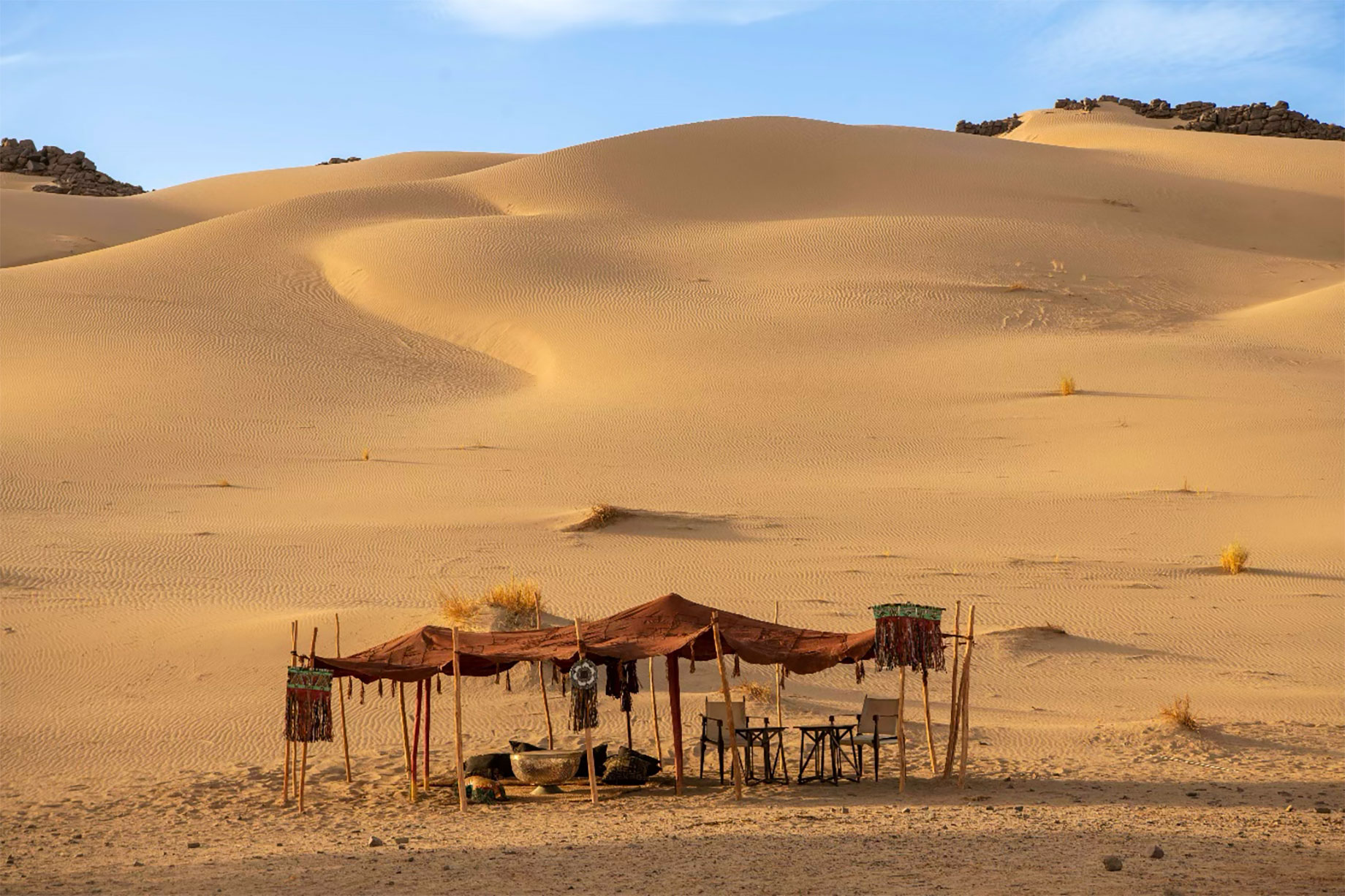
The desert camp experience has undergone a radical shift. The "luxury" of the desert is no longer defined by the amenities—though these are now of a five-star standard—but by the silence and the light. The current trend is toward smaller, more remote camps that emphasize the isolation of the Sahara. The "luxury" is the contrast between the plush, lantern-lit comfort of the tent and the absolute, primordial stillness of the dunes.
Implications for the Future of Moroccan Tourism
The trend toward "less, done properly" has significant implications for the Moroccan tourism infrastructure.
Sustainability through Quality: By encouraging longer stays, the industry is reducing the carbon footprint associated with frequent short-haul internal travel and high-turnover tourism. It fosters a more sustainable economic model where local artisans and family-run establishments receive a more meaningful portion of the tourism revenue.
Preservation of Culture: When travelers move at a slower pace, they are less likely to engage in "hit-and-run" tourism. This allows for more respectful interactions with local communities and ensures that the cultural heritage of the medinas is appreciated rather than commodified.
The Power of Omission: Perhaps the most important skill for a modern travel consultant is the ability to say "no." In a country as varied as Morocco—where you can experience the Mediterranean, the Sahara, and the High Atlas in one trip—the most professional service is to advise the traveler on what to leave out. By narrowing the scope, the traveler gains a more profound, lasting connection with the geography and the people.
Ultimately, the new luxury in Morocco is the confidence to step off the treadmill of "must-sees" and embrace a journey that is fundamentally personal. It is the transition from a traveler who sees a country to a traveler who understands it. In a world of increasing noise, the quiet, unhurried rhythm of a well-designed Moroccan journey is, perhaps, the rarest commodity of all.



