In the landscape of modern fashion, the "secondary market" is no longer a peripheral afterthought—it is the definitive barometer of a brand’s cultural capital. According to the 2026 Resale Report released by luxury consignment leader The RealReal, the hierarchy of desire in the fashion world has undergone a seismic shift. As shoppers become increasingly sophisticated, the allure of the primary boutique is being matched, and often surpassed, by the thrill of the hunt on resale platforms.
At the pinnacle of this year’s data stands a familiar name: Chanel. The French maison has reclaimed its crown as the most-searched brand on the platform, cementing its status as the ultimate anchor for both the legacy collector and the trend-driven consumer. Yet, beneath this headline lies a more complex narrative of creative disruption, a surging obsession with vintage aesthetics, and a fundamental change in how the modern consumer views their wardrobe as a financial asset.
The Power of the Creative Director: A Catalyst for Demand
If there is one undeniable truth in the 2026 data, it is that the creative director serves as the primary engine of demand. The industry is currently witnessing a "talent-first" market, where the appointment of a visionary leader can instantaneously ignite interest in a house’s archives and current collections alike.
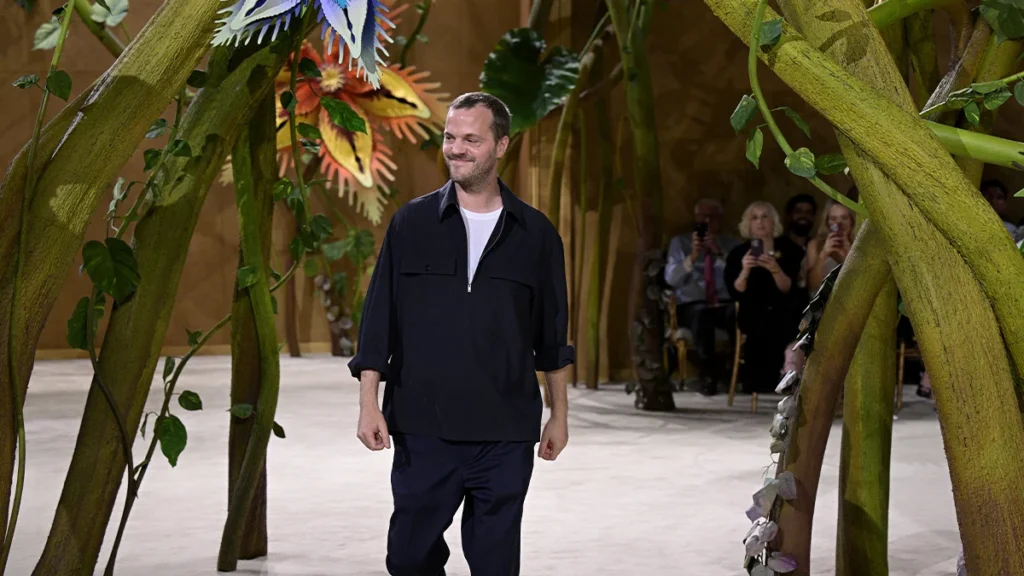
The most potent example of this phenomenon is the fervor surrounding Matthieu Blazy. Since joining his current house in late 2024, Blazy has orchestrated a masterclass in modernizing heritage. The result? A staggering 10,967 percent increase in search volume for his name on The RealReal over the past year. This unprecedented spike suggests that consumers are no longer just buying "a brand"; they are buying into a specific creative evolution.
The ripple effect of leadership changes extends to other industry heavyweights. Sarah Burton’s transition to the helm of Givenchy has yielded a 243 percent surge in interest, while Jonathan Anderson’s tenure at Dior has seen his brand equity climb by 158 percent. These figures demonstrate that in the eyes of the secondary market, the designer is the brand. When a creative director captures the zeitgeist, the secondary market responds with immediate, quantifiable urgency.
The Hierarchy of Desire: Top Brands of 2026
While Chanel leads the pack, the remainder of the top five most-searched brands remains a testament to the enduring dominance of the European luxury giants. Louis Vuitton, Prada, Gucci, and Miu Miu round out the upper echelon, followed by a prestigious cohort of brands that define modern quiet luxury and avant-garde design: The Row, Hermès, Saint Laurent, Bottega Veneta, and Balenciaga.
This list reflects a balanced appetite among consumers. They are balancing the high-frequency "hype" pieces from Miu Miu and Prada with the structural, investment-grade items synonymous with Hermès and The Row. The inclusion of The Row, in particular, signals a maturing market that values longevity and subtle craftsmanship over the logo-heavy trends that dominated the previous decade.

The Vintage Renaissance: A 432 Percent Surge
Perhaps the most compelling finding in the 2026 Resale Report is the "vintage chokehold." The market is experiencing a profound pivot toward pieces that are 15 years or older. Demand for these legacy items has skyrocketed by 432 percent since 2020.
This trend is not merely about sustainability; it is about aesthetic storytelling. Consumers are increasingly drawn to the "Belle Époque" revival—a trend heavily influenced by the recent collections of Blazy and Anderson. The return of drop-waists, rich, tactile textures, and silhouettes that evoke a bygone era of elegance has sent shoppers scurrying to find original, vintage examples.
Data regarding iconic handbags further illustrates this appreciation for history. The Fendi Baguette, once a staple of the late 90s, has seen its average resale price leap from $294 in 2016 to a commanding $3,012 today. Similarly, the Gucci Jackie has evolved from a $260 vintage find into a $1,110 collector’s item. These figures are not just inflation; they are a direct reflection of the market’s recognition of timeless design.
The Financialization of the Wardrobe
The secondary market has transitioned from a destination for bargain hunters to a sophisticated financial ecosystem. Today, 93 percent of American luxury consumers utilize online resale platforms, and their purchasing behavior has shifted from impulsive to investment-oriented.
Crucially, 47 percent of surveyed consumers now factor in resale value before making a primary purchase at retail. This "investment-first" mindset has changed the retail landscape entirely. When a shopper considers whether a bag will appreciate or hold its value over the next five years, they are essentially acting as retail investors.
The logic is sound: over the last decade, iconic pieces like the Hermès Birkin have appreciated by 92 percent on the resale market. This level of growth—often outpacing traditional equities—has turned the walk-in closet into a portfolio of assets. For the modern luxury house, this means that every item sold today is effectively a future product for the resale market, forcing brands to be more mindful of quality, durability, and brand longevity.
Implications for the Future of Retail
The implications of these trends are far-reaching. For luxury brands, the message is clear: your influence is no longer confined to your boutique walls. The secondary market is a permanent extension of your brand ecosystem.

1. The Rise of "Archival" Marketing
Brands are increasingly leaning into their own histories. By highlighting archival silhouettes in new collections, houses are creating a feedback loop between the new and the old, driving demand for vintage pieces that ultimately bolsters the brand’s overall desirability.
2. Durability as a Competitive Advantage
As consumers prioritize resale value, the quality of materials and construction has never been more vital. A brand that produces items that degrade over time will struggle to maintain its status on platforms like The RealReal. Conversely, brands that emphasize longevity are being rewarded with higher resale premiums.
3. Direct-to-Resale Partnerships
We are entering an era where luxury brands must consider official partnerships with resale platforms. By validating, authenticating, and sometimes even re-selling their own vintage goods, brands can maintain control over their image while participating in the lucrative secondary market revenue stream.
Conclusion: A New Era of Conscious Consumption
The 2026 Resale Report paints a picture of a consumer base that is more informed, more selective, and more financially conscious than ever before. The days of "fast fashion luxury" are waning, replaced by a deep appreciation for the creative visionary, the historic archive, and the long-term investment.
Chanel may hold the top spot today, but the fluidity of the rankings—driven by the likes of Blazy, Burton, and Anderson—proves that the crown is perpetually up for grabs. As the lines between primary and secondary markets continue to blur, the brands that thrive will be those that honor their past while empowering the modern consumer to curate a wardrobe that is as much a financial strategy as it is an expression of personal style. The luxury market has not just grown; it has matured, and the secondary market is now its beating heart.