

In the grand halls of Strasbourg, European Commission President Ursula von der Leyen recently laid out a vision for the continent’s future: “Let’s make Europe’s future electric.” It was a rallying cry for a clean, decarbonized, and sovereign industrial powerhouse. Yet, as von der Leyen spoke, energy experts gathered in Washington, D.C., at the Energy Futures Initiative Foundation were grappling with a more sobering physical reality. While the ambition to electrify is essential, the laws of thermodynamics and the complexity of modern industrial value chains suggest that electrons alone cannot power a global economy.
Europe stands at a crossroads. To maintain its status as an industrial leader, it must reconcile the urgent need for decarbonization with the persistent requirement for "molecules"—the chemical fuels, feedstocks, and high-energy density substances that fossil fuels currently provide. A strategy that relies exclusively on electricity is not just incomplete; it is a strategic vulnerability.
The Reality of the Energy Transition: A Chronology of Constraint
The current energy policy debate in Europe is a direct result of a decade of shifting geopolitical tectonic plates.
- 2021–2022: As Europe began to emerge from the pandemic, the fragility of its energy supply chain became glaringly obvious. The subsequent Russian invasion of Ukraine sent shockwaves through the continent, exposing the dangers of an over-reliance on a single, geopolitical adversary for natural gas.
- 2023: The European Union scrambled to diversify, spending an additional €90 billion ($102 billion) on fossil-fuel imports. As von der Leyen aptly lamented, this massive expenditure did not add a “single molecule of energy” to the continent’s reserves; it merely shifted the source of dependency.
- 2024: Global instability, including the broader tensions in the Middle East, further underscored that energy security is not a luxury—it is the bedrock of statecraft.
- The Future: Current EU targets aim to double the share of electricity in final energy consumption by 2040. While this is an admirable goal, it highlights the widening gap between legislative ambition and physical infrastructure, evidenced by the 80 gigawatts of renewable capacity that remain stranded, awaiting grid connection.
The Missing Molecules: Why Electrification Isn’t Enough
The "all-electric" narrative, while politically resonant, fails to account for the heavy lifting of the industrial economy. Certain sectors—aviation, maritime shipping, steel production, fertilizer manufacturing, and high-temperature chemical processing—cannot function on electrons alone. These processes require the high-energy density and chemical properties inherent to hydrocarbons or their low-carbon substitutes.
The Refinement Fallacy
In contemporary European policy, oil refineries are frequently dismissed as obsolete relics of the "hydrocarbon age." This perspective is dangerously reductive. A refinery is not merely a furnace for crude oil; it is the center of a complex industrial ecosystem. These facilities integrate storage, logistics, port infrastructure, and a highly skilled workforce.
If Europe forces the premature closure of its refining capacity in the name of a rapid transition, it does not stop consuming oil; it simply outsources the refining process to other nations. This merely shifts the dependency, turning a domestic strategic asset into a vulnerable import chain. The lesson of the Russian gas crisis was that optimizing for low costs during peacetime—by relying on foreign adversaries—leads to catastrophic vulnerabilities during times of crisis.
The Hydrogen Imperative: Bridging the Gap
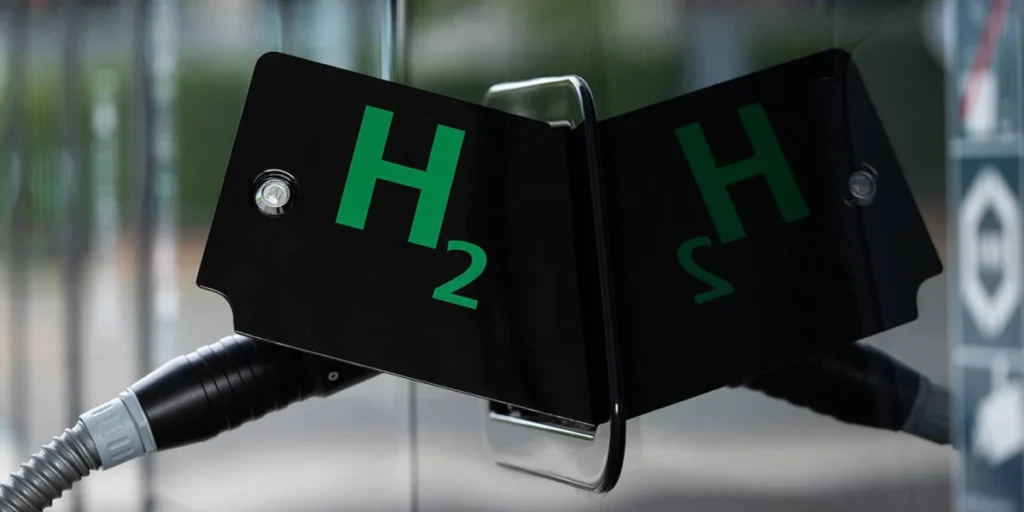
If Europe is to move beyond fossil fuels, it must look to hydrogen. Despite being noticeably absent from high-level political rhetoric, hydrogen represents the vital bridge between the electric grid and the molecular economy.
From Aspiration to Infrastructure
Hydrogen is often treated as a "magic bullet," leading to a predictable cycle of hype followed by disappointment when the costs of scaling prove high. However, hydrogen is neither a panacea nor a failure; it is a targeted tool.
To build a hydrogen-energy industry at scale, Europe must focus on:
- Strategic Deployment: Hydrogen should be reserved for "hard-to-abate" sectors where direct electrification is inefficient or impossible, such as heavy industry and long-haul transport.
- Infrastructure Investment: The continent needs more than just policy goals; it requires the hard, granular work of building electrolysis capacity, hydrogen-ready pipelines, and robust storage facilities.
- Market Creation: Without sufficient demand, the cost of green hydrogen will remain prohibitive. Policymakers must create the market conditions—through carbon pricing and industrial incentives—that justify the massive private capital investment required.
Implications for Global Security and Industrial Policy
Energy policy is no longer a siloed technical endeavor. It has become the nexus of climate, security, and industrial strategy.
The Interconnected Nature of Modern Policy
- Industrial Competitiveness: High energy prices are a direct threat to Europe’s manufacturing base. If energy remains expensive and unstable, industry will inevitably migrate to regions with more secure and affordable power.
- Social Stability: Energy costs are the primary driver of household heating bills. A transition that imposes excessive costs on the working class will eventually face political backlash, threatening the very mandate for climate action.
- Strategic Autonomy: Every pipeline, port, and refinery is a node in a security network. These assets can be used as tools of coercion or become primary targets during conflict. True strategic autonomy involves managing "interdependence"—diversifying suppliers and preserving domestic capabilities—rather than chasing the mirage of total independence.
Official Responses and Strategic Recommendations
The path forward requires a shift in how Brussels perceives its energy mission. Currently, the EU treats energy security, affordability, and decarbonization as competing agendas. This is a false dichotomy.
1. Re-evaluating Energy Security
Europe must move away from the assumption that it can "legislate" its way out of the constraints of physics. The energy system of the future must be a hybrid one, where the electricity grid and the molecular supply chain (hydrogen and other derivatives) operate in tandem.
2. Supporting Industrial Ecosystems
The EU must stop viewing its existing industrial base as an obstacle to be overcome and start viewing it as the infrastructure upon which the future must be built. Preserving refining capacity is not an act of climate denial; it is an act of risk management.
3. The Role of Technology Policy
As Europe accelerates its digital ambitions, including the expansion of AI and high-performance computing, its power requirements will explode. The energy strategy must be integrated with technology policy, ensuring that the necessary power generation and grid upgrades are in place to support the data-driven economy of the 21st century.
Conclusion: A Balanced Future
Europe’s ambition to lead the global energy transition is commendable, but the continent must temper its idealism with a respect for the complexity of its industrial needs. The transition to a net-zero future cannot be a "one-size-fits-all" electrification project.
Instead, the strategy must be twofold: first, aggressively expanding the electrical grid to maximize the use of clean, renewable power; and second, investing in the molecular technologies—specifically green hydrogen and the infrastructure to handle it—that will keep the heavy industrial heart of Europe beating. By treating energy as a holistic pillar of industrial, social, and security policy, Europe can build an energy system that is not only clean but also resilient, affordable, and, above all, functional. The goal is not to cling to the past, nor to pretend the future is already here, but to build the bridge that connects the two.



