

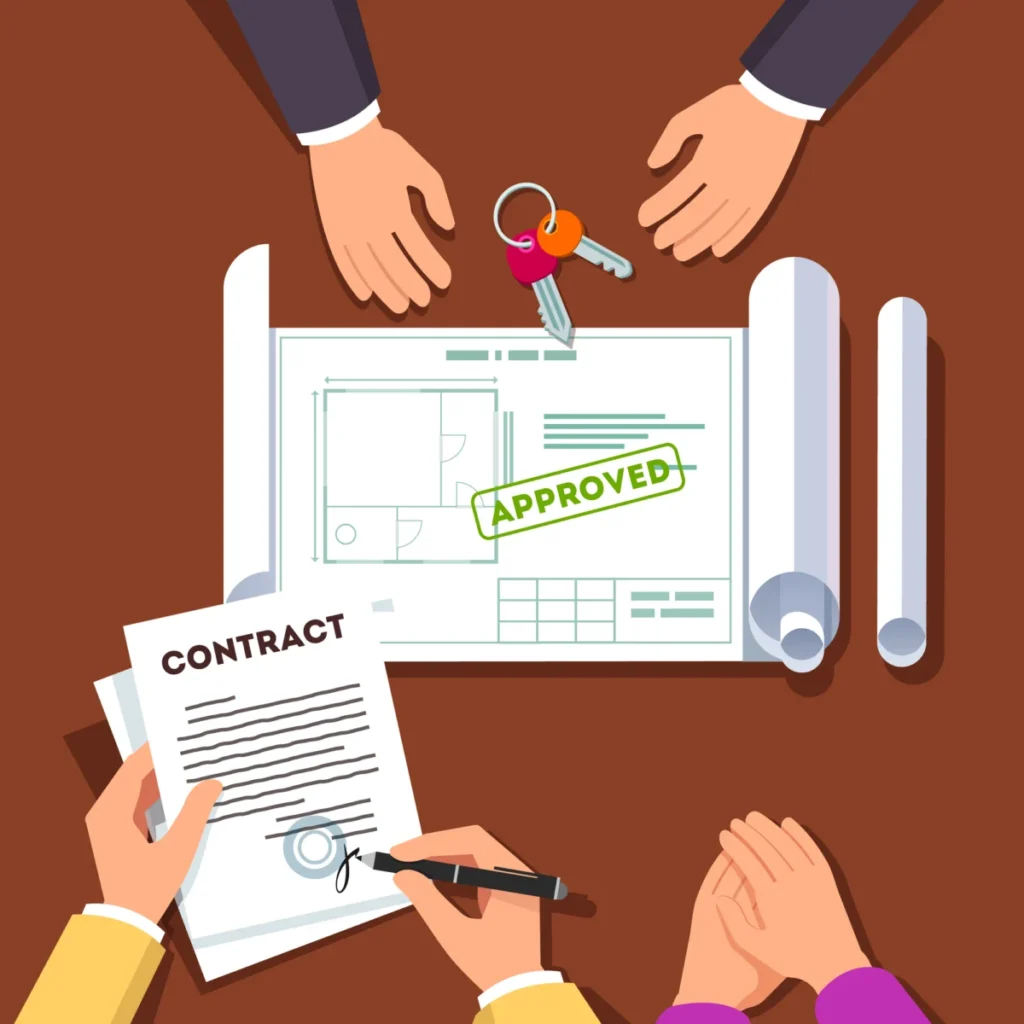
For homeowners in Palm Beach, the dream of a sprawling kitchen renovation, a custom deck, or a structural addition often hits a sobering reality: the bureaucratic gauntlet of the building permit process. While the prospect of filing paperwork and enduring inspections may seem like an unnecessary hurdle, it is the fundamental framework that ensures the safety, legality, and long-term value of your property.
In Palm Beach County, where real estate values are among the highest in the nation, bypassing these regulations is more than just a procedural oversight—it is a significant financial and legal risk. Whether you are a first-time homeowner or a seasoned property investor, understanding the nuances of local construction permitting is essential.
The Core Mandate: Why Permits Matter
At its most basic level, a building permit is a legal document issued by the local jurisdiction that grants you permission to commence construction. In Palm Beach, the mandate is clear: any structural, electrical, plumbing, or mechanical work requires formal authorization.
Florida law is explicit regarding the repercussions of non-compliance. Starting work without an active permit can lead to stop-work orders, heavy fines, and the potential requirement to tear down completed projects to allow for inspections. Furthermore, the implications extend far beyond the construction phase. When it comes time to sell your home, the lack of permits for past renovations can derail a real estate transaction, as title companies and buyers will demand evidence that all work was performed to code.
Defining the Jurisdiction: Who Oversees Your Project?
One of the most frequent points of confusion for Palm Beach residents is determining which building department governs their specific address. Palm Beach County is a mosaic of incorporated municipalities and vast unincorporated areas, each with its own administrative machinery.
Unincorporated Palm Beach County
If your property lies outside the boundaries of a specific city or town, the Palm Beach County Planning, Zoning & Building Department holds authority. Their central hub, located at 2300 N. Jog Road in West Palm Beach, acts as the nerve center for compliance. The department operates on standard weekday hours, 8:00 AM to 5:00 PM, and serves as the primary resource for all code-related inquiries in the unincorporated zones.
Incorporated Municipalities
Conversely, if you live within city limits—such as the Town of Palm Beach—you must navigate that specific municipality’s building department. For example, the Town of Palm Beach maintains its own regulatory office at 360 S. County Road. These individual jurisdictions often have their own specific application portals, fee structures, and submission requirements. Always verify your jurisdiction before drafting plans, as relying on county-wide rules in a self-governed municipality is a recipe for project rejection.
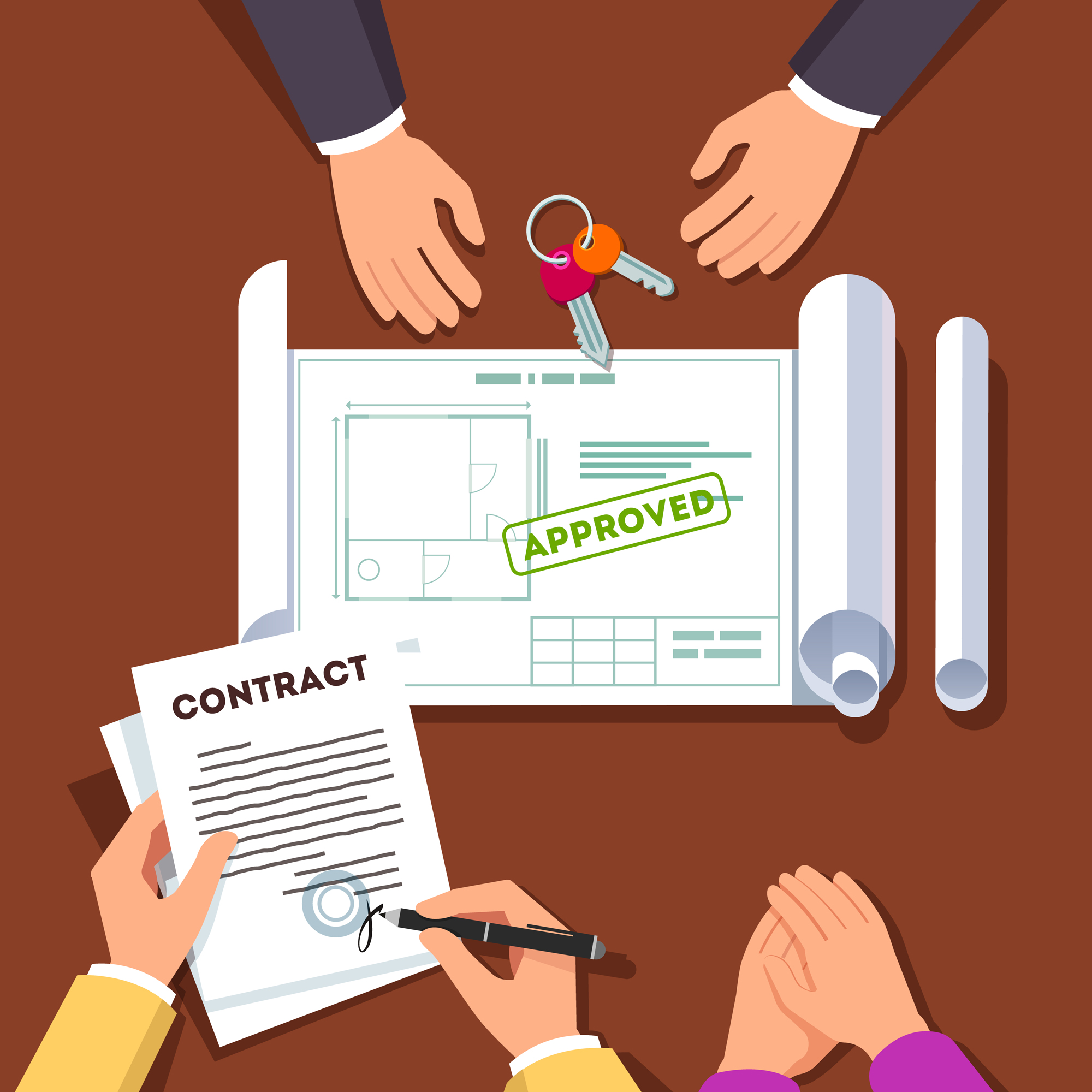
The Chronology of Construction: A Step-by-Step Roadmap
Successful project completion is a marathon, not a sprint. To avoid common pitfalls, follow this chronological approach to managing your renovation.
1. Verification of Zoning and Jurisdiction
Before spending a cent on architectural renderings, identify your jurisdiction. Simultaneously, investigate your property’s zoning. Are there height restrictions, lot coverage limits, or setback requirements that apply to your proposed structure? A project that violates local zoning ordinances will be denied a permit regardless of how sound the engineering is.
2. The HOA Hurdle
If your home is part of a Homeowners Association (HOA), you face an additional layer of approval. Many associations in the Palm Beach area maintain strict architectural guidelines that exceed local building codes. It is not uncommon for the HOA approval process to span 60 to 90 days, involving multiple rounds of revisions. Never skip this step; even if the county approves your plans, an HOA can legally force you to remove an unapproved addition.
3. Selecting a Licensed Professional
While the "DIY" spirit is admirable, the complexity of modern building codes often demands the expertise of a licensed and insured contractor. The county provides resources, including QR-coded portals, to verify that a contractor is currently licensed in the State of Florida. Working with an unlicensed individual is a dangerous gamble that exposes you to liability for accidents, poor workmanship, and legal penalties.
4. Submission and Fee Assessment
Once you have your plans—which typically include a site plan, structural engineering calculations, and energy efficiency reports—you will submit your package for review. Permit fees in Palm Beach generally range from 1% to 2% of the total construction valuation. These funds cover the administrative costs of reviewing your plans and the subsequent site visits by building inspectors.
5. The Inspection Lifecycle
The permit process does not end when construction begins. Throughout the build, inspectors will visit the site at critical milestones—such as foundation, framing, and final electrical completion. Each inspection must be passed before you can proceed to the next phase of work.
Supporting Data: Understanding Costs and Timelines
| Stage | Expected Duration | Primary Requirement |
|---|---|---|
| HOA Review | 60–90 Days | Architectural compliance |
| Plan Review | Varies by Office | Code compliance & Engineering |
| Permit Issuance | 1–4 Weeks | Approval from Building Official |
| Inspections | Periodic/Duration of Project | Passing mandatory code checks |
The "Owner-Builder" Exemption: A Cautionary Note
Florida statutes allow homeowners to act as their own general contractor, an arrangement known as the "owner-builder" exemption. While this allows you to bypass hiring a professional firm, it carries significant risks. Under this arrangement, you assume total legal and financial liability for the work.
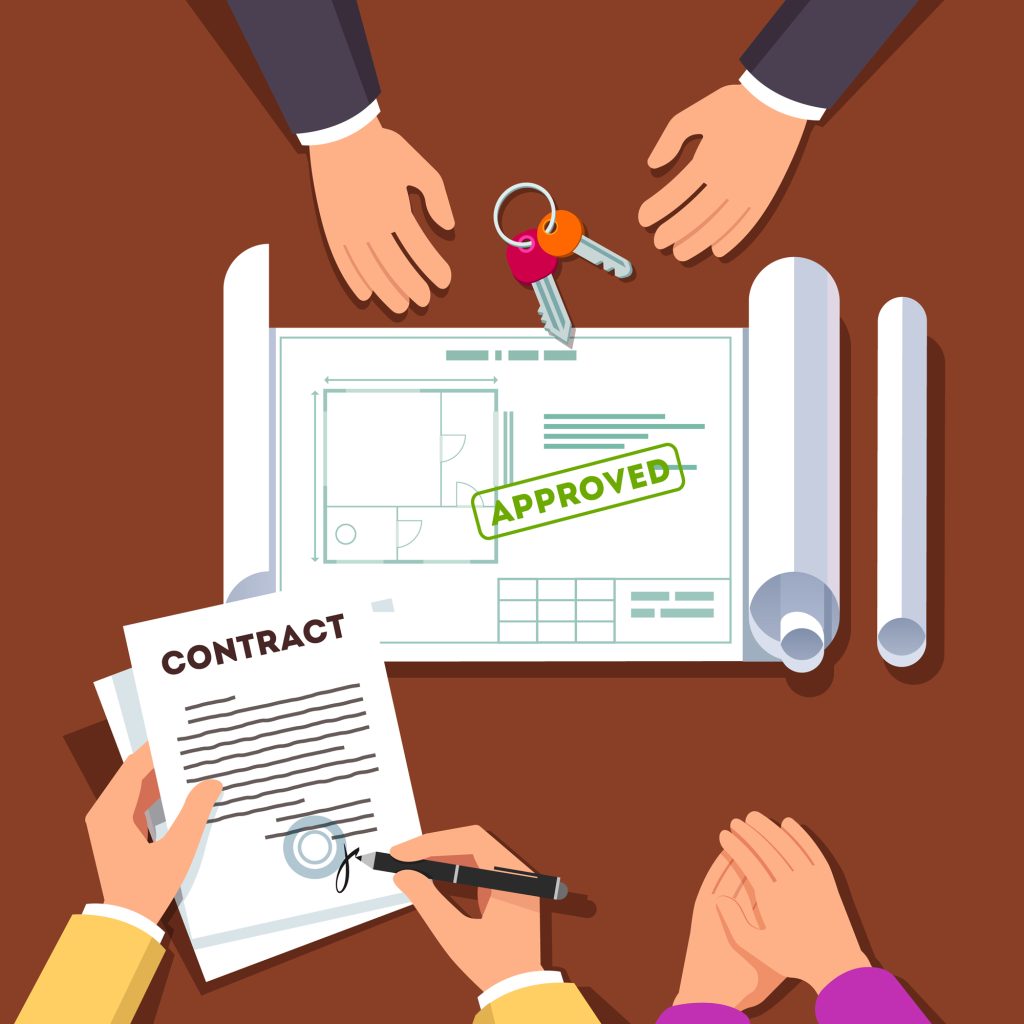
If a trade worker is injured on your property, or if the electrical work causes a fire, you are the primary responsible party. Furthermore, the county expects an owner-builder to possess the same level of technical knowledge as a licensed professional. Unless you have deep, professional experience in construction management, this route is strongly discouraged. The potential savings on contractor fees are rarely worth the risk of catastrophic project failure.
Implications of Non-Compliance: The "Hidden" Costs
Skipping the permit process is often framed as a "shortcut," but in reality, it is a liability multiplier.
- Legal Consequences: Florida law classifies the commencement of permitted work without a permit as a first-degree misdemeanor for unlicensed individuals.
- Insurance Risks: If you suffer property damage due to a disaster—such as a hurricane—and your insurance adjuster discovers that the damage originated from unpermitted work, your claim may be denied.
- The Resale Trap: When you eventually sell your home, the buyer’s inspector will look for permits on any major additions or renovations. If those permits are missing, you may be forced to pay for retroactive permits, inspections, or even the cost of ripping out walls to prove that hidden work was done to code.
Avoiding Common Pitfalls: Professional Insights
Based on years of observation in the local market, here are three mistakes that homeowners consistently make:
- The "Contractor Will Handle It" Fallacy: Never assume your contractor is pulling the permits. Ask to see the permit card before the first hammer swings. A reputable contractor will provide you with the permit number and the official documentation immediately upon receipt.
- HOA/County Dissonance: Always submit your plans to the HOA first. If the HOA requires changes, you don’t want to have already paid for an expensive, county-approved engineering set that you then have to redo.
- The "Pre-Approval" Error: An approved application is not the same as a permit. Do not begin work until the official document is in your possession and posted at the job site.
Final Thoughts: Investing in Security
Securing a building permit is an exercise in due diligence. While the process may feel slow and administratively heavy, it serves as a critical quality control mechanism for your most valuable asset. By engaging with your local building department, respecting HOA guidelines, and hiring licensed professionals, you ensure that your investment is protected, your home is safe, and your future resale value is secure.
When in doubt, reach out to local resources like the Code Pro of the Palm Beaches or your municipal building department for guidance. A five-minute phone call today can save you months of litigation and thousands of dollars in repairs tomorrow.



