From Singapore’s shimmering skyline to the historic harbour-front of Hong Kong, the definition of urban luxury is undergoing a radical metamorphosis. No longer satisfied with mere comfort, the world’s most prestigious hotels are pivoting toward "sanctuaries in the sky." By marrying hyper-personalized service, cultural heritage, and cutting-edge wellness technology, properties like the Island Shangri-La and Marina Bay Sands are proving that the future of hospitality is unequivocally upwards.
The Evolution of the High-Altitude Suite
The modern traveler demands more than just a place to sleep; they seek a self-contained ecosystem that reflects the identity of the city it overlooks. This shift has triggered a wave of multi-million dollar refurbishments. At the center of this movement are the Island Shangri-La in Hong Kong and the Marina Bay Sands in Singapore—two titans of Asian hospitality that have recently unveiled transformed residential-style suites designed to blur the line between a hotel room and a private home.
Island Shangri-La, Hong Kong: A Tapestry of Tradition and Modernity
Main Facts: The Hong Kong Suite
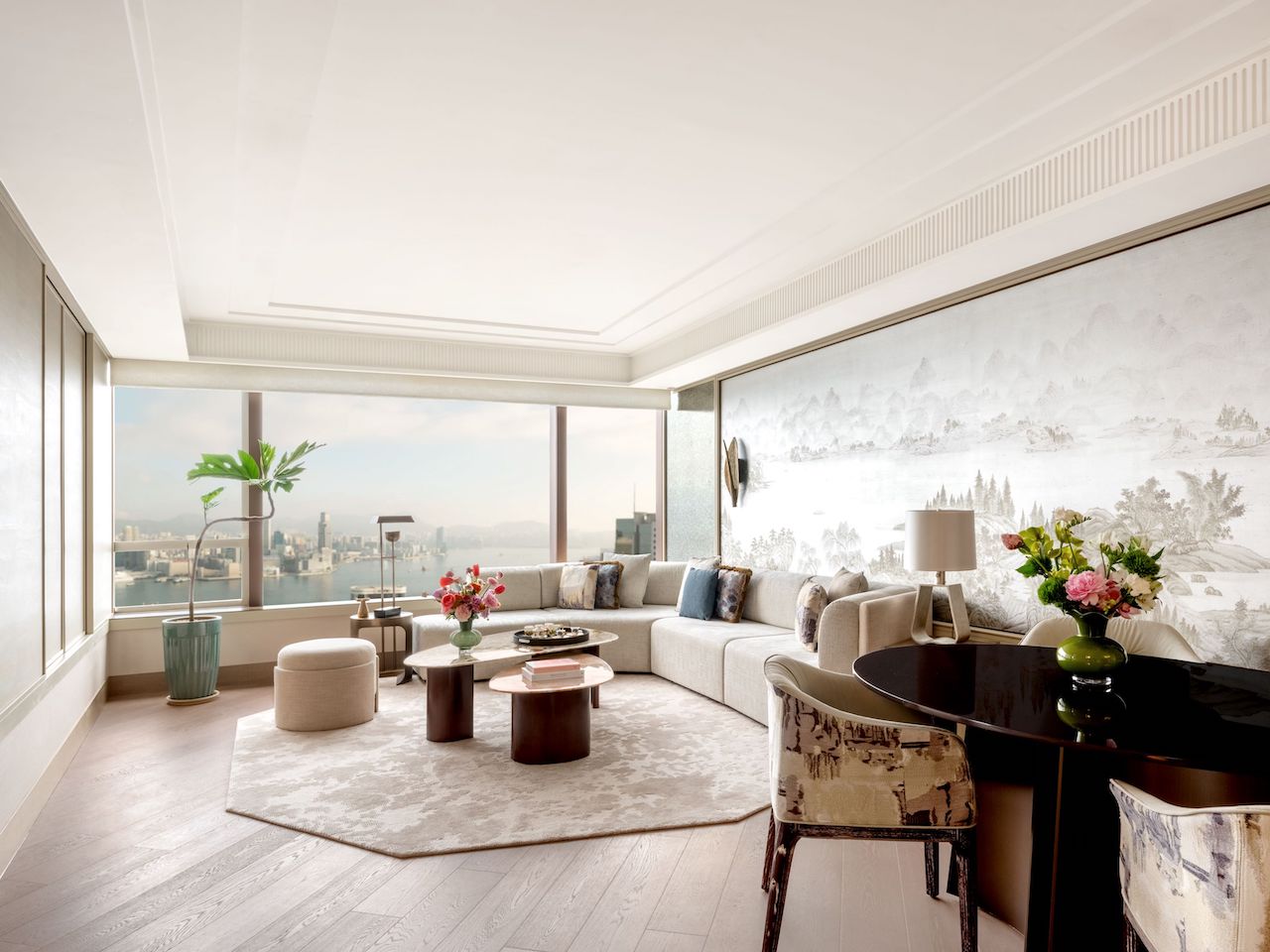
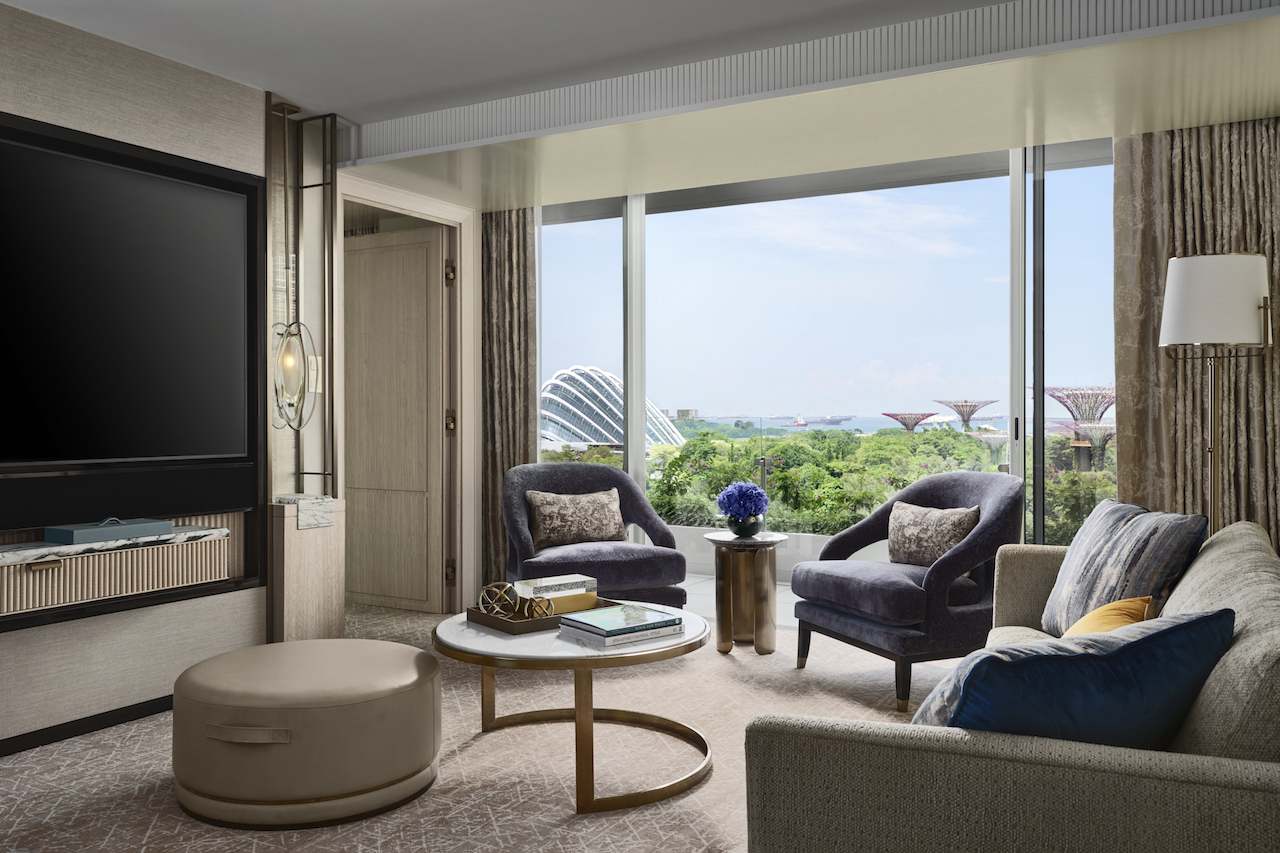
Perched on the 50th floor, the newly transformed Hong Kong Suite at the Island Shangri-La is a masterclass in contemporary Asian sophistication. Following a multi-year renovation, the suite serves as a cinematic vantage point, offering sweeping vistas of Victoria Harbour and the lush canopy of Victoria Peak.
The Aesthetic Narrative
The interior design is a thoughtful dialogue between the old and the new. Guests are surrounded by painted fabric walls and bespoke furnishings, but the true soul of the room lies in its curated art. Christie’s-sourced 19th-century paintings of traditional sampans pay homage to the city’s maritime roots, while modern living and dining areas offer a plush, ergonomic reprieve from the urban bustle.
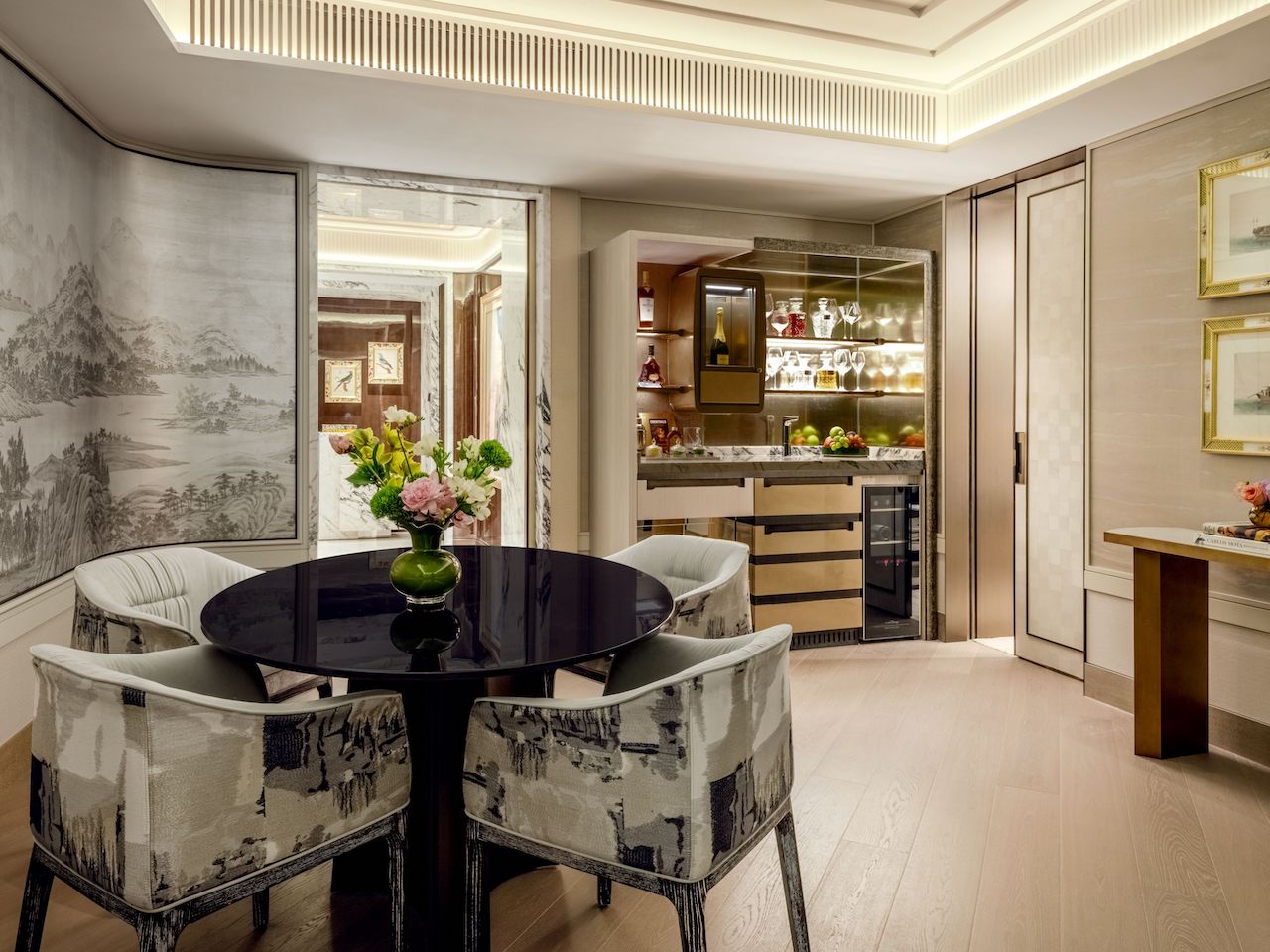
A dedicated butler pantry—outfitted with a full kitchenette, a filtered water tap, a dual-zone wine fridge, and a personalized amenity fridge—ensures that in-suite dining is seamless. The experience is further elevated by an artisanal tea service, allowing guests to engage in the meditative ritual of tea preparation using premium, hand-selected leaves.
The Wellness Sanctuary
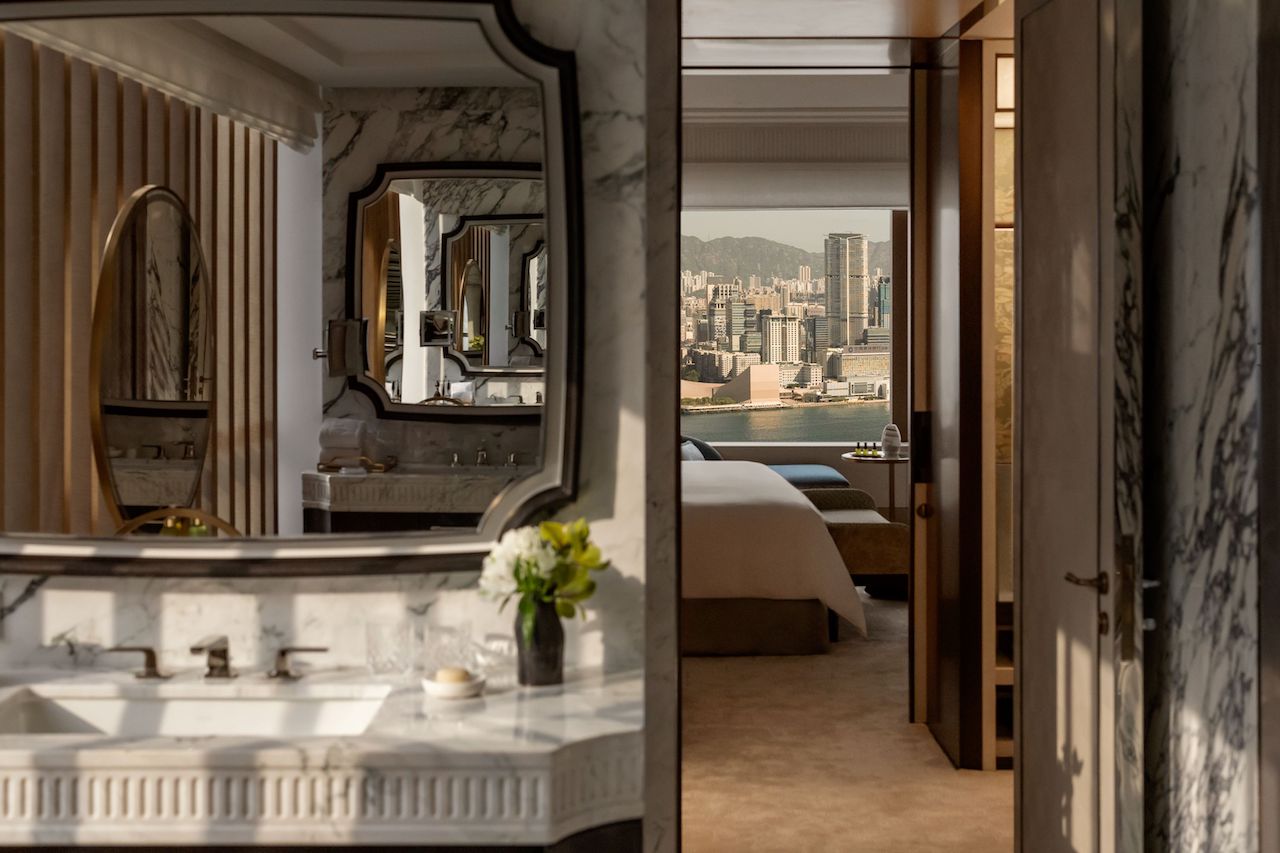
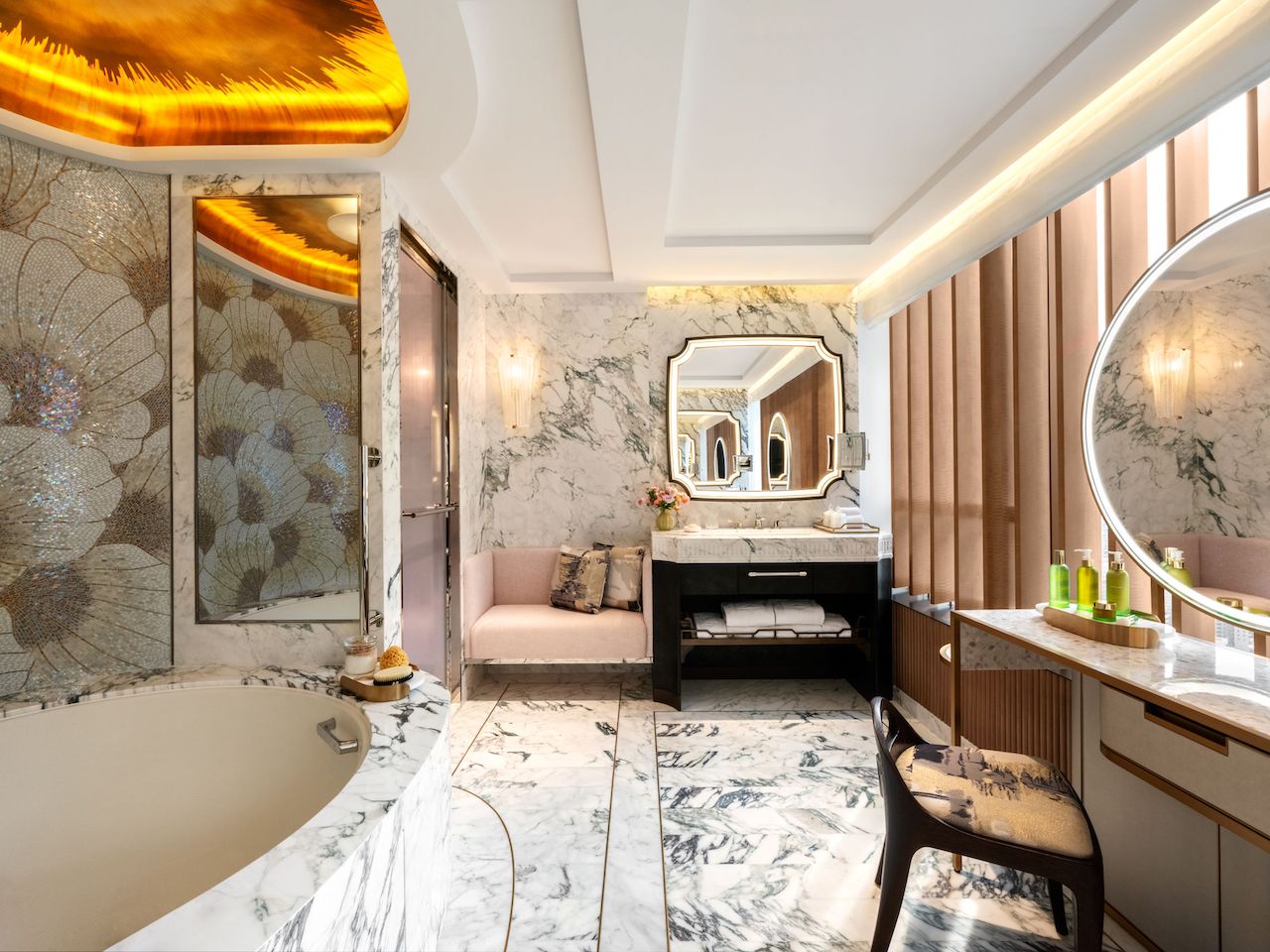
The en-suite bathroom is perhaps the most striking feature of the suite. Wrapped in white marble, it functions as a private spa. A sculptural round bathtub sits beneath a gilded ceiling, framed by intricate, hand-cut magnolia mosaics. The shower experience is equally opulent, featuring twin rain-shower heads and a heated bench, all stocked with Acqua di Parma amenities. Guests are invited to further customize their wellness journey with the "Shangri-La Signature Bath Salt," developed by the hotel’s proprietary wellness brand, Yun Wellness.
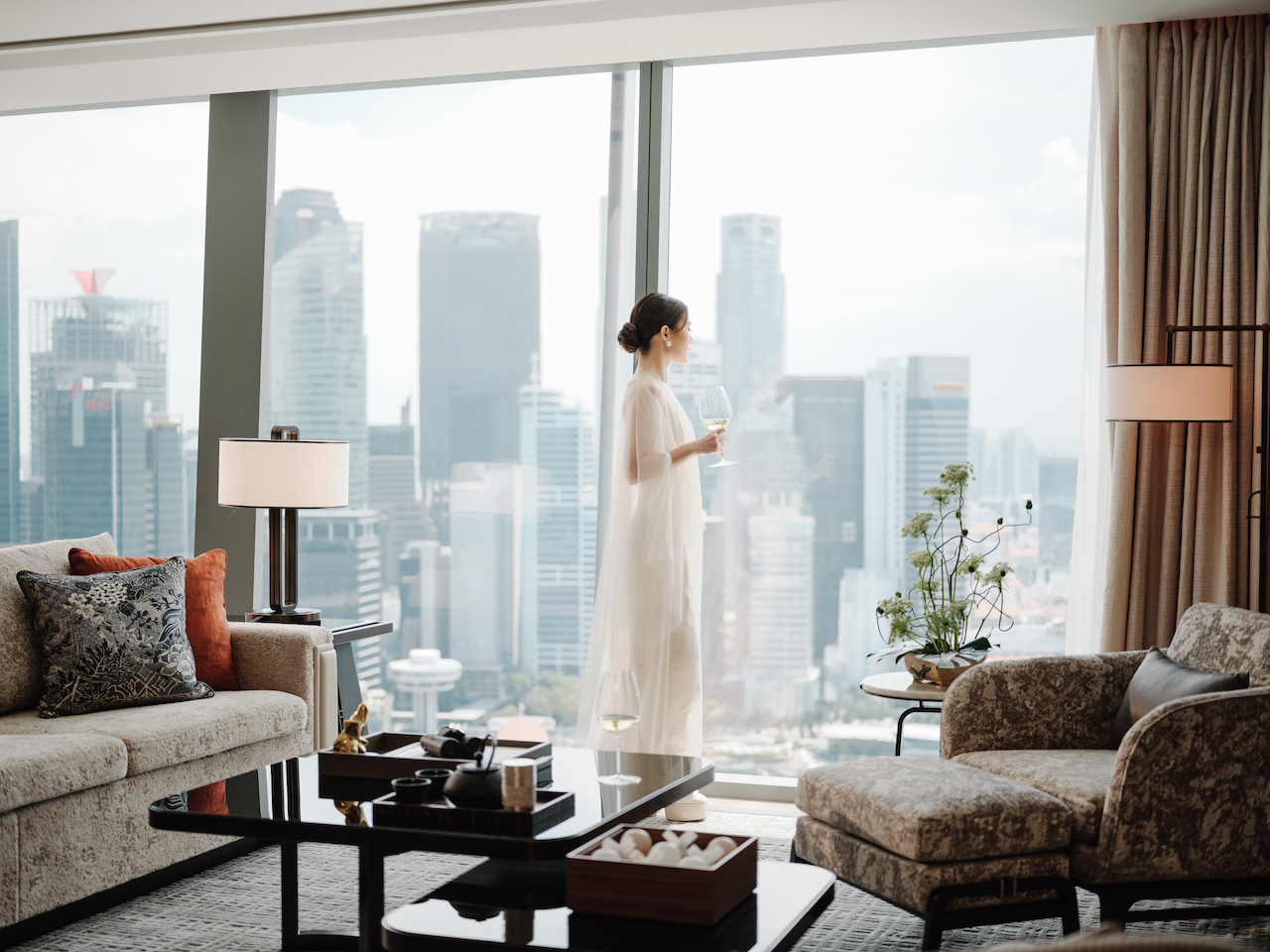
Marina Bay Sands: The New Benchmark for Scale and Service
Main Facts: The Sands and Paiza Collections
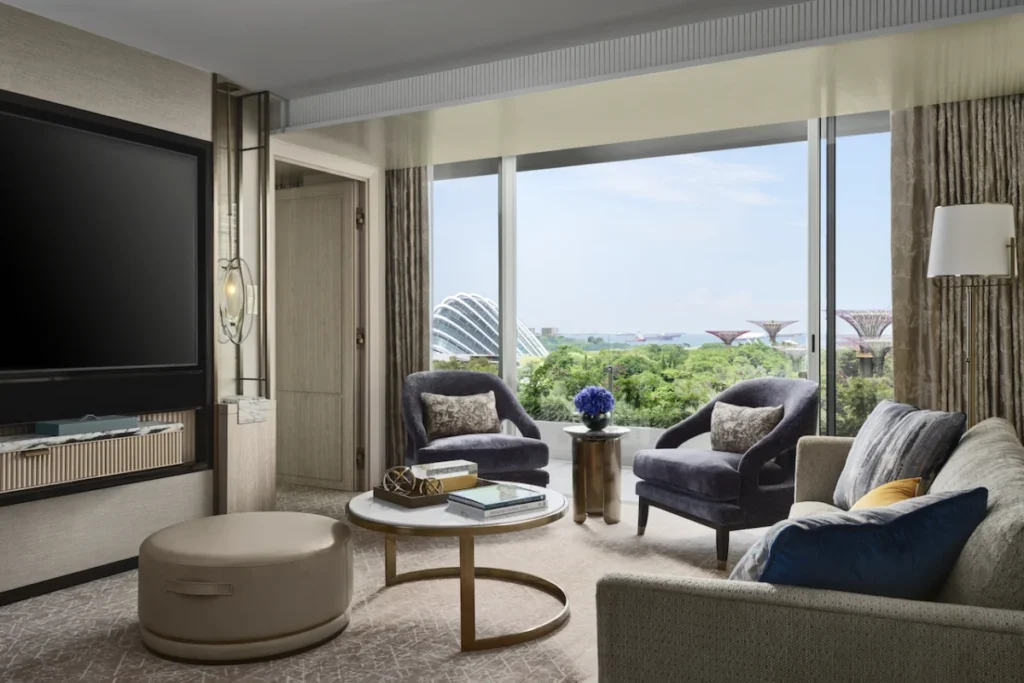
Across the South China Sea, Marina Bay Sands has completed a massive refurbishment, reimagining 1,850 rooms and 775 suites. The project represents a fundamental shift in how the hotel approaches the guest journey. For those staying in the "Sands Collection," the experience begins at arrival with a dedicated premium service team, ensuring the transition from the airport to the suite is entirely frictionless.
The Paiza Collection: Ultra-Luxury in the Clouds
At the pinnacle of this renovation is the Paiza Collection—an ensemble of 370 ultra-luxurious suites. These are not merely hotel rooms; they are residential estates suspended above the Lion City. The Chairman Suite, for instance, features a 146-inch television and a private karaoke lounge, while the Presidential Suite offers an indoor golf simulator for the leisure-obsessed guest.
Perhaps the most revolutionary addition is the Horizon Suite, which embodies the "spa-in-the-city" concept. It is equipped with a Himalayan salt wall, a hammam shower, a private gym, and two professional massage tables, allowing guests to undergo a full wellness regimen without ever leaving their suite.
Chronology of the Transformation
- 2023: Marina Bay Sands begins the phased rollout of its massive renovation, focusing on a more "residential" feel for its 1,850 newly designed rooms.
- 2024: The Island Shangri-La completes its multi-year suite transformation, focusing on historical integration and local character.
- 2025: Marina Bay Sands finalizes the Paiza Collection, introducing ultra-bespoke amenities like the private golf simulator and the Himalayan salt spa.
- 2026: Both properties cement their new status as wellness-first destinations, integrating advanced dining options and signature spa facilities (Yun Wellness in HK; Waku Ghin/Spago in Singapore).
Supporting Data: The Logistics of Luxury
The scale of these operations is staggering. Marina Bay Sands, for example, employs a 160-strong Butler Services team exclusively for its Paiza guests. This level of staffing is necessary to manage the complex needs of a high-net-worth demographic that expects 24/7 availability for everything from champagne service to private meeting logistics.
In Hong Kong, the focus is on "micro-luxury." By integrating specific amenities—such as the filtered water tap and the dual-zone wine fridge—the Island Shangri-La reduces the guest’s need to interact with external staff, prioritizing privacy in a city known for its density.
Official Responses and Strategic Vision
"Our goal was to create a sanctuary that feels as though it belongs to the history of Hong Kong, yet functions with the efficiency of the future," stated a representative for the Island Shangri-La. By integrating the Horizon Club Lounge access, the hotel ensures that high-profile guests receive a comprehensive, end-to-end service experience.
Similarly, the leadership at Marina Bay Sands has emphasized that the refurbishment is a response to the "blended traveler." As the lines between business, leisure, and wellness continue to evaporate, the hotel’s "Paiza Sky Residence" serves as a nexus where executives can hold intimate board meetings during the day and host champagne-soaked gatherings at sunset.
Implications for the Future of Urban Hospitality
The trends established by these two properties suggest several long-term implications for the luxury sector:
- The Rise of the "Wellness Suite": The inclusion of Himalayan salt walls, private gyms, and professional-grade spa equipment in-room is no longer an outlier; it is becoming a requirement for elite suites.
- Hyper-Personalization: The era of the "standard" room is ending. Hotels are now competing on their ability to customize the suite environment—whether through art, dietary preferences, or even personalized fitness equipment.
- Integration of Local Character: The most successful hotels are moving away from globalized, "anywhere-luxury" design in favor of deep-rooted cultural motifs. The use of traditional Chinese lucky clouds and 19th-century sampan art in the Island Shangri-La proves that guests are increasingly looking for a sense of place.
- The "Residential" Pivot: The focus on balconies, kitchenettes, and expansive living areas indicates that ultra-wealthy guests are seeking the comfort of their own homes combined with the infrastructure of a five-star hotel.
Conclusion: The Sky is the Limit
As urban centers become increasingly crowded and fast-paced, the luxury hotel suite has evolved into an essential counter-balance—a quiet, controlled environment that offers both a retreat from the world and a command center for the modern traveler. Whether it is through the meticulous, art-driven interior design of the Island Shangri-La or the high-tech, service-intensive residences of Marina Bay Sands, these hotels are setting a new standard for what it means to travel well. In every sense, luxury is moving upwards, and the view has never been better.